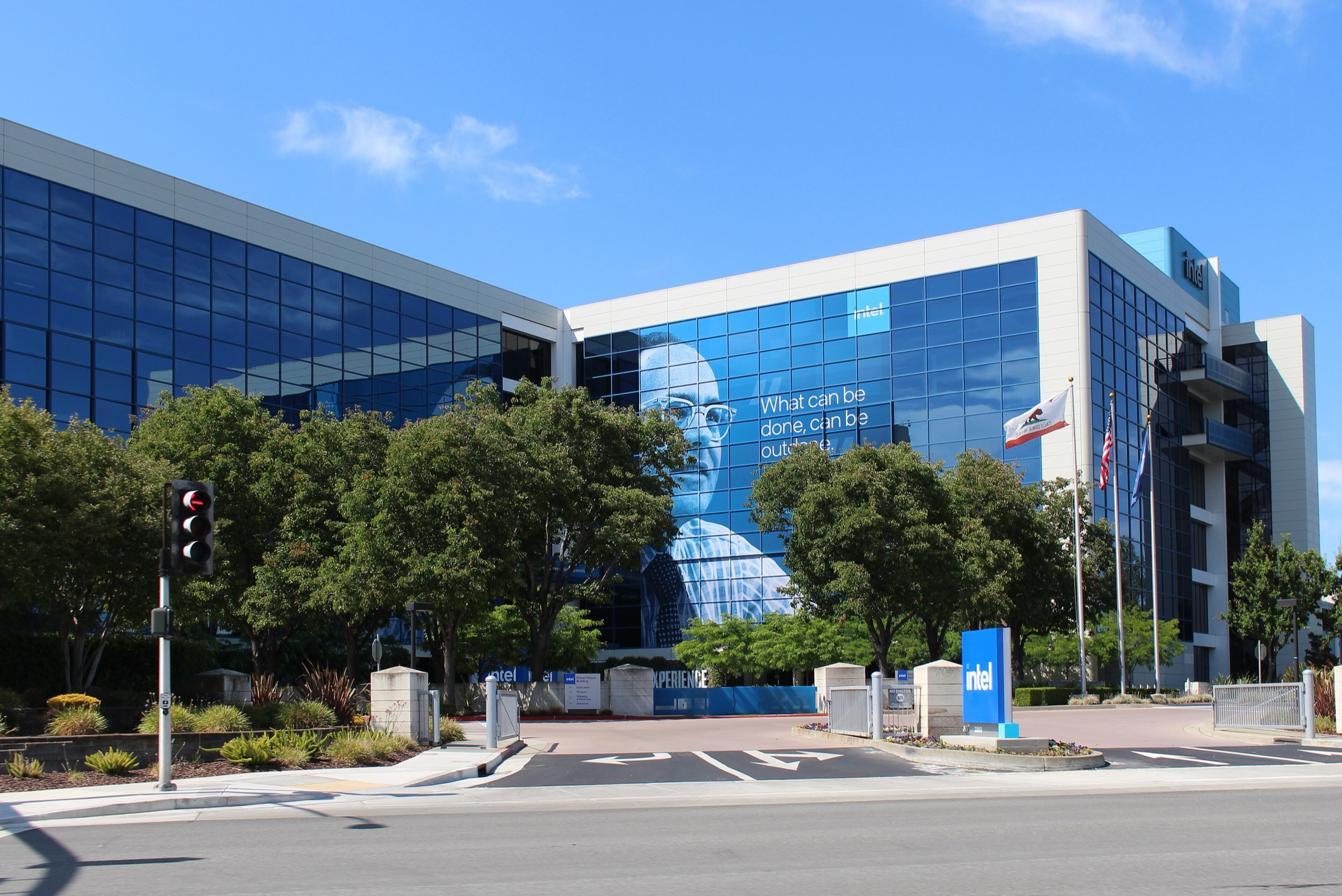
Friday 30 October 2026 was Intel's worst day on the stock market in more than half a century. Shares of the chipmaker fell 28.58% on the Nasdaq, from $92.07 to $65.76. According to Yahoo Finance and CNBC, it was the company's weakest session since 5 July 1974, when the stock dropped about 30%. Yahoo Finance estimates that nearly $140 billion was wiped off the company's market value. Other sources give different figures, so this number should be treated as an estimate.
A good quarter, a bad outlook
The paradox is that Intel closed the past quarter well. Third-quarter revenue came in at $16.5 billion, up 21% year on year, and adjusted (non-GAAP) earnings per share reached $0.52, above analyst expectations. The stock market, however, prices future profits, not past ones. Fourth-quarter guidance calls for revenue of $15 billion to $16 billion, while the market had expected about $17 billion. Projected earnings per share are $0.25, against the $0.43 analysts expected. Intel itself signalled a weaker end to the year than investors had hoped for, and it was this outlook, not the third-quarter result, that triggered the sell-off.
Why the outlook is weaker
Yahoo Finance and CNBC list three reasons. The first is a weak personal computer market, held back by expensive memory chips. The second is an accident at Intel's plant in Israel, which according to these sources could cost the company about $300 million in fourth-quarter revenue. The third is supply problems with server processors. After the report, some analysts changed their view of the company. CNBC reported on 31 October that BofA, Roth and Seaport cut their ratings to "neutral", while New Street upgraded its rating to "buy".
The whole sector in the red
Intel did not fall alone. The SOX semiconductor index lost 7.2% that day, the Nasdaq Composite 2.86% and the S&P 500 1.82%. The Nasdaq ended October down 5.3%. In the same week, reports from other tech giants, including Google owner Alphabet, also disappointed investors, deepening the sell-off.
What it means for Poles
The mood on Wall Street reached Warsaw. The WIG20 index ended Friday down 2.40% at 4,180.88 points. Poles who hold shares in US companies or funds tracking US indices felt Friday's losses directly. Their returns in zloty also depend on the dollar exchange rate, which stood at 3.9251 zloty according to the National Bank of Poland's table of 30 October. The next sessions in Warsaw and New York will take place on Monday 2 November. This article is for information only and is not investment advice.




Comments (0)
Loading comments...