In brief
- The Russians attacked Kyiv with five ballistic missiles that struck civilian infrastructure
- Over two days, Russian forces struck 19 regions of Ukraine, including Kharkiv and the city of Rivne
- President Zelenskyy stated that Ukraine did not receive an intelligence warning from Western partners
Zelenskyy's statement on the lack of intelligence
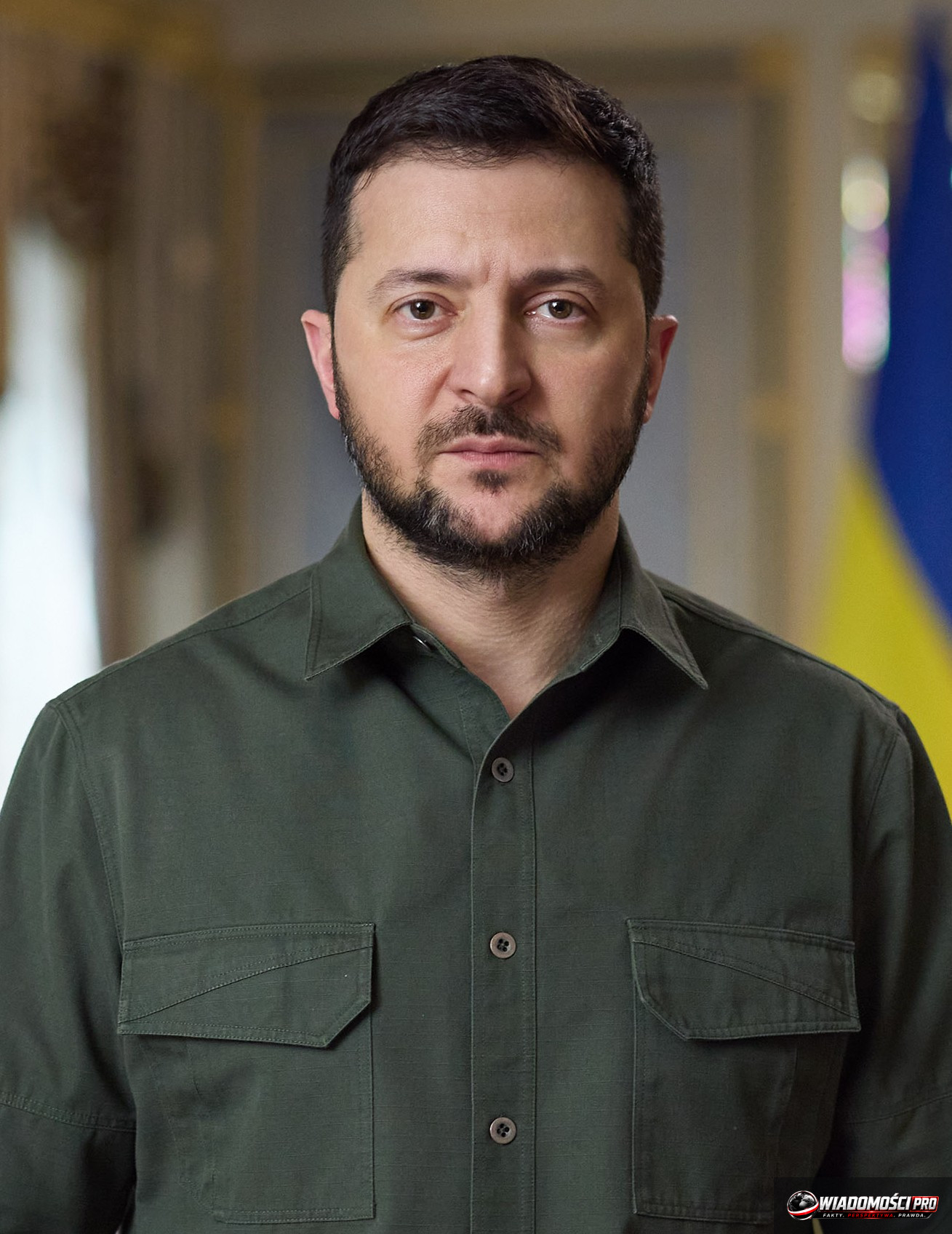
President Volodymyr Zelenskyy reported on Tuesday about a vile attack using five ballistic missiles on civilian infrastructure in Kyiv. At the same time, he explicitly accused allies of a lack of information support. Ukraine did not receive any prior warning from Western partners about the incoming missiles.
This is a critical blow to the defense of the capital. Zelenskyy noted on his social media channels that intelligence data on the launch of ballistic missiles allows for directly preventing killings and saving human lives. Without a signal from foreign radars, civilians had no chance to reach shelters.
However, a completely different tone is coming from Ukrainian diplomacy. During the Warsaw Security Forum, Foreign Minister Andrij Sybiha assured that cooperation and intelligence support from the USA are still ongoing. The minister explained the delays in the alarm system's operation by the specificity of the Russian arsenal, indicating that they resulted directly from the type of weaponry used by the aggressor's forces. A clear dissonance is visible between the president's dramatic appeal and the foreign minister's reassuring message.
Massive shelling of Ukraine and casualties in the regions
Russian aviation and missile forces struck deep across the entire country. Since Monday evening, the aggressor has launched over a hundred air attack weapons. Jet drones, loitering munitions, and ballistic missiles flew at Ukrainian cities. The defense managed to shoot down a significant portion of the targets, but not all.
The most tragic toll came from the night raid on Kharkiv. A Russian missile destroyed a multi-family residential building, and trapped tenants were pulled from under the rubble throughout the night. Four people died on the spot. The number of injured reached 41 or 42 people, depending on emergency service reports.
Purely civilian objects were also targeted in the west of the country. In Rivne, located about 200 kilometers from the Polish border, Russian missiles damaged an educational facility. 14 people were injured there.
The scale of this operation contradicts any declarations about de-escalating the fighting. In just two days, the Russians attacked objects in 19 regions of Ukraine, devastating critical infrastructure and the energy network. Moscow sent a brutal signal that the front no longer has fixed borders.
Dispute over the energy truce and US conditions
President Volodymyr Zelenskyy assured that for exactly two days since Donald Trump announced a ceasefire, the Ukrainian army did not attack any Russian refinery or facilities of its energy sector. However, Moscow ignored the agreement. According to Zelenskyy, Russian forces were simultaneously striking Ukrainian critical infrastructure and energy facilities, with no intention of halting operations.
The arrangement itself met with huge resistance in Kyiv from the beginning. As reported by the Axios service, the agreement announced by Trump concerned only a ban on strikes against refineries. For Ukrainians, this was an extremely asymmetric condition: Kyiv has only one, and only partially operational, refinery in Kremenchuk, while Russia operates an extensive network of processing plants.
Behind the scenes of diplomacy, there was open pressure. A Ukrainian representative revealed that during delegation talks in Miami, Donald Trump's envoys – Steve Witkoff and Jared Kushner – threatened to withhold American intelligence data if Zelenskyy ignored Washington's requests. A US official denied this. He claimed that the negotiators only reminded the Ukrainians of the United States' role in providing ammunition and intelligence, appealing for them not to affect the situation of American consumers.
The pressure was not limited to direct talks. The "Financial Times" newspaper reported that Washington warned European countries about the possibility of blocking arms sales to Ukraine carried out through NATO if Kyiv does not stop attacking Russian refineries.
Sources
- Bankier.pl: Zmasowany atak balistyczny na Kijów. Zełenski: Zabrakło ostrzeżenia od sojuszników
- Gazeta.pl: Rosyjskie rakiety spadły na Kijów. Zełenski: Nie było ostrzeżenia ze strony partnerów
- Interia Fakty: Zełenski poirytowany, dostało się sojusznikom. "Nie uprzedzili nas"
- XYZ.pl: Ekonomiści kontra przyszłość. Jak trafne są prognozy gospodarcze?
- Polsat News: Atak Rosji w Kijowie. Zełenski: Partnerzy nas nie uprzedzili
Article prepared with the help of artificial intelligence based on: Bankier.pl, Gazeta.pl, Interia Fakty, XYZ.pl, Polsat News. Facts checked automatically against these sources. The Wiadomości PRO newsroom is responsible for this publication.



Comments (0)
Loading comments...