In brief
- Chevron is gaining operational control over key oil fields, which translates into managing 20% of Venezuela's proven reserves.
- The planned increase in production aims to supply an additional 200,000 barrels of oil per day to the US market by the end of 2026.
- The decision is sparking tensions in relations with China and Russia, which have been the main partners of the Venezuelan oil sector until now.
Chevron's new role: Assuming operational control
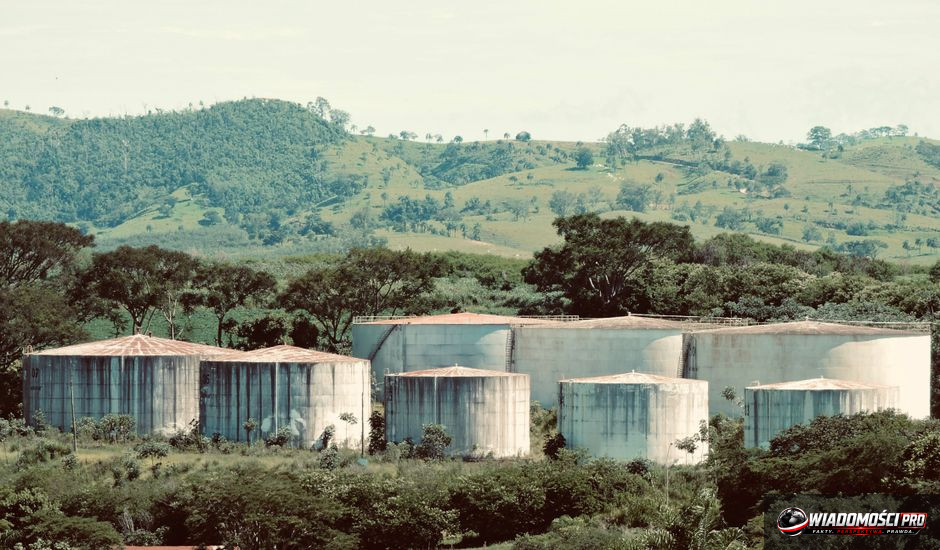
The expansion of the license for Chevron is, in practice, a shift in the balance of power in the Venezuelan extraction sector. The American corporation is no longer acting as a passive investor but is becoming the direct manager of the oil fields. Regulatory documents grant Chevron the authority to independently manage infrastructure, which in the Venezuelan reality means taking control of extraction from areas accounting for one-fifth of the country's total oil resources.
This is not a standard cooperation agreement. The US corporation is taking on the role of the main operator of extraction infrastructure in the Orinoco region, which was previously the exclusive domain of local entities. This move is expected to translate into a measurable increase in supply of approximately 200,000 barrels per day. In theory, this is supposed to stabilize global energy prices, but the devil is in the technical details, which the US Department of the Treasury has not clarified in official communications. No specific schedules for the modernization of obsolete transmission installations have been disclosed, without which the declared increase in production may remain only on paper.
Energy sector experts are looking at potential operational risks with concern. Taking over management in a region where the transmission network has been struggling with a lack of maintenance for years is a task fraught with a high risk of failure. Chevron is gaining tools to increase control over financial flows, which is intended to secure American interests, but the cost of this operation for the infrastructure itself remains an unknown. Will Chevron be able to implement its own management standards in such a short time in the extremely hostile business environment that is Venezuela? This has not been confirmed yet. The government in Caracas, by agreeing to these terms, is de facto giving up room for maneuver in a sector key to the country's budget, hoping for a faster influx of cash from oil exports. For the energy market, this means one thing: the American presence is becoming a fact, even if its full operational scale still raises numerous questions.
Economic consequences for Venezuela: A rebound or dependency?
The increase in raw material extraction by Chevron is expected to bring Venezuela its first real foreign currency inflows since 2023. For Caracas, this is a cash injection that the economy needs like oxygen after years of financial isolation. Forecasts are optimistic: analysts expect GDP to increase by 2-3% annually thanks to direct investments by the American corporation. The question is whether this is an actual healing of the foundations or just a life-support drip for the system.
Venezuela is walking on thin ice. The government in Caracas is entering an economic model in which the state budget becomes a hostage to American export licenses. If Washington decides to suddenly toughen its political stance, the mechanism for the inflow of dollars could be stopped overnight. This is a trap. The state is making its solvency dependent on decisions made in Houston and Washington, which drastically limits its sovereignty in conducting fiscal policy.
Trust in the Venezuelan oil sector is ruined, and the current Chevron licenses are more of a crisis management contract than a long-term development strategy. There is a lack of hard data confirming whether the profits from this production increase will be used to modernize the decapitalized extraction infrastructure or will only serve to patch current budget holes. No one has officially confirmed exactly how profit shares will be distributed between the American giant and the Venezuelan company PDVSA. This is the biggest unknown, which makes market enthusiasm laced with deep skepticism. The investments will bring a momentary statistical rebound, but for now, they do not provide a guarantee of lasting stability for the country.
Geopolitical chess: The reaction of China and Russia
Chevron's entry into Venezuelan deposits is a direct blow to the existing architecture of Beijing's and Moscow's influence in Caracas. Washington argues that this move is necessary to ensure the energy security of the Western Hemisphere, but in practice, it means displacing Chinese and Russian capital from the most promising oil fields. The US administration has not presented detailed plans regarding the future of existing international agreements, which creates a legal vacuum around the assets of the Venezuelan giant PDVSA.
Chinese and Russian investors, who have financed the regime for years, have found themselves on the defensive. Their long-term contracts, which assume debt repayment through raw material deliveries, are losing significance in the face of the priority treatment of the American license. This creates a real risk of escalating a diplomatic conflict over access to extraction infrastructure that is physically occupied by entities linked to Asian consortia.
Here are the main flashpoints that could destabilize the situation in the region:
- Undermining the profitability of Chinese loans. Beijing has not received guarantees that the takeover of control by Chevron will not affect the debt repayment schedule, which may force China to renegotiate or take drastic legal steps.
- The status of Russian technical installations. It is unclear whether technical personnel from Russia will remain at the oil fields now operated according to American standards, which raises questions about the physical security of the infrastructure.
- The risk of decision-making paralysis in PDVSA. The overlapping of US and Asian creditor influence on the board of the Venezuelan company will almost certainly block key operational decisions, despite the announced increase in production of 200,000 barrels per day.
The lack of transparency from the White House regarding how it intends to "regulate" the claims of China and Russia is causing concern among analysts. Washington is silent on the issue of potential compensation for Asian contractors, which suggests that the game is about full dominance, not a compromise with Caracas's former creditors. It remains an open question how far Beijing and Moscow will go to regain access to oil that is legally still collateral for their capital.
Regional stability: Migration and security
The economic stabilization of Venezuela, achieved through the increase in oil production by Chevron by the projected 200,000 barrels per day, is intended to be an effective migration safety valve. Washington hopes that the cash injection into the Venezuelan budget will slow down the exodus of people that has been burdening neighboring countries for years. Colombia and Brazil, in particular, struggling with immense pressure on healthcare systems and labor markets, are expected to be the main beneficiaries of a potential improvement in living conditions within Venezuela.
However, the optimism of American diplomats is colliding with the brutal reality of local corruption. The new stream of petrodollars, flowing through expanded licenses, raises legitimate concerns about whether these funds will reach the citizens or only fuel the narrow elites in power in Caracas. No concrete control mechanisms have been presented that would prevent the embezzlement of these profits. The lack of transparency in managing oil contracts is the biggest question mark for observers in the entire process.
In this context, cooperation with Chevron is becoming not only a business operation but the main tool of US soft power in Latin America. The administration in Washington is trying to regain influence in a region that has been looking more boldly toward China and Russia in recent years. American companies are meant to be a guarantor of the quality and predictability that were missing in earlier agreements with contractors from other parts of the world. However, it remains unknown whether the presence of the American oil giant will actually translate into the country's political security or merely cement the current balance of power under the guise of energy pragmatism. The American strategy assumes that a well-fed citizen is a less willing migrant, but this is an assumption based on the fragile foundations of local politics.
Impact on the global market: Fuel prices in 2026
Increasing supply by 200,000 barrels per day from Venezuelan deposits is a direct instrument of pressure on Brent crude oil prices. The White House, by expanding licenses for Chevron, is betting on a measurable effect: a reduction in prices at gas stations, which for the American voter is an indicator of the economy's health. For the European consumer, this primarily means less pressure on commodity markets, provided that the geopolitical puzzle in Caracas remains stable. This is a key caveat, because any escalation of political tensions in Venezuela immediately negates the optimism flowing from hard production data.
A significant factor, which is mentioned less often in official communications, is the optimization of logistics. Refineries in the US, thanks to their geographical proximity to Venezuelan terminals, can significantly reduce transport costs compared to oil imported from the Middle East. This is a real saving in the supply chain, which in theory should translate faster into refining margins and final retail prices. Will this happen? No specific calculations regarding the scale of these savings have been provided, which suggests caution regarding how quickly drivers in Europe will feel the changes.
Market analysts point to the following parameters of this operation:
- Planned production increase — 200,000 barrels per day (data from the US Department of Energy/Chevron)
- Share of Venezuelan resources under US control — 20% (own estimates based on granted licenses)
- Impact on the Brent benchmark — direct downward pressure (market assessment)
- Political stability in Caracas — a necessary condition (no concrete guarantees in official documents)
The real gain for wallets remains an unknown. The oil market is a system of connected vessels, and the situation in Venezuela is only one of many elements affecting the price of a barrel. However, if the supply chain is not interrupted by further sanctions or local protests, we are dealing with one of the few attempts to directly cool the market this year. For now, we are waiting for hard data from the first operational quarters, which have not yet been made available.
The future of extraction: Will Chevron fill the gap?
Chevron is facing a task that is considered a logistical nightmare in the oil industry. To realistically increase production by the assumed 200,000 barrels per day, the American corporation must first pump billions of dollars into extremely neglected Venezuelan infrastructure. Without the modernization of refineries and pipelines, which have corroded for years in the shadow of sanctions and a lack of investment, American ambitions will remain only on paper. The question is whether the company is ready for such a massive capital risk in a country with such an unstable political situation.
Chevron's management is trying to reassure investors by emphasizing so-called green technologies in extraction. The company has committed to introducing more efficient methods of exploitation, which is intended to improve the image of the operation in the eyes of American regulators. This is a move calculated to secure long-term support from Washington, even if it momentarily seems like just an attempt to sugarcoat reality. However, technology will not fix destroyed wells overnight.
The biggest unknown, however, remains the time horizon of these actions. Although the licenses allow for an increased presence in the region, we do not know their fate after 2028. Official communications are silent on the extension of exploitation rights after that date, which makes every dollar spent on modernizing the plants a risky bet. If Chevron does not receive guarantees of legal stability for the next decade, investments in Venezuela will be limited to the absolute minimum. Instead of an extraction revolution, we are therefore likely to see a slow attempt to patch holes in a system that has been running at half-throttle for years. Stabilizing energy prices using Venezuelan oil is today more of a wish than a hard market scenario.
What this means for you
Editorial angle: The US move is an attempt to regain energy dominance in the Western Hemisphere. Consumers in the US (cheaper fuel) and Chevron (access to huge deposits) will gain; Russian and Chinese contractors will lose, and Venezuela gains a chance for the regime to survive, provided it allows for deep capital penetration of its oil sector.
Questions and answers
Does this takeover mean a formal annexation of oil fields?
No, this is an expansion of the operational license for Chevron, which gives the corporation control over extraction, not ownership of the land.
What are the chances of a drop in fuel prices at gas stations?
An increase in supply of 200,000 barrels per day is significant, but the price depends on global demand and the stability of the OPEC+ cartel.
Why is Russia opposing this decision?
Russia is losing influence in Venezuela, which weakens its tools of pressure on the US in the Latin American region.
Article prepared by the Wiadomości PRO editorial team with the support of artificial intelligence. Facts come from the sources provided above.


Komentarze (0)
Ładowanie komentarzy...