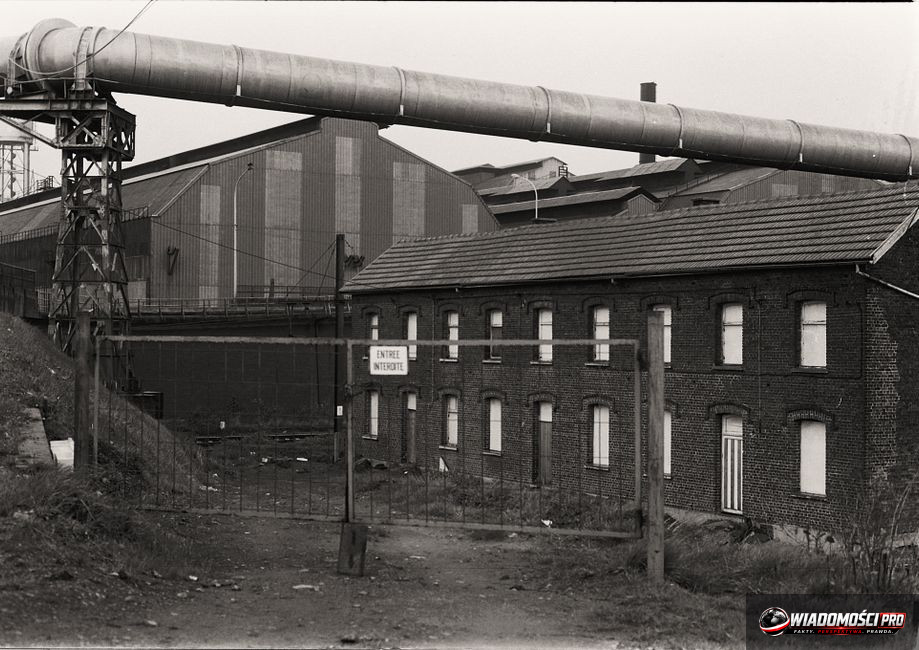
In brief
- The court has confirmed the bankruptcy of the former Philips factory in Pabianice, which means the liquidation of 700 jobs.
- The main cause of the bankruptcy is the debt of the American parent company, which spilled over to the Polish plant despite its previous profitability.
- Ultinon Motion Poland was the largest employer in the Pabianice county, and the bankruptcy process formally began in April 2026.
Bankruptcy timeline: from the petition to the court ruling
The final collapse of the Pabianice-based Ultinon Motion Poland plant was sealed on July 21, 2026. This was when the court issued an official bankruptcy order for the company, definitively ending hopes of saving production in its current form. This decision is the legal finale of a dramatic process that began several months earlier.
It all started with turmoil within the foreign owner's structures. As early as February 2026, the automotive industry watched with concern as reports emerged regarding the financial troubles of Ultinon Motion Germany. At that time, it was the German branch of the concern that first signaled serious problems, which quickly began to affect the condition of the Polish subsidiary. Signals of the insolvency of the American parent company, which burdened the Polish plant with debt, became a fact that could no longer be ignored.
The management board of Ultinon Motion Poland filed for bankruptcy on April 16, 2026. Although more than three months have passed since then, hopes for restructuring proved futile. During this time, employees existed in a vacuum, waiting for a resolution that ultimately deprives 700 people of their jobs. Pabianice is thus losing one of its most important employers, and the staff, after months of uncertainty, face the necessity of seeking new employment in a market that is not prepared for such a sudden increase in unemployed people from the same industry.
The fateful chronology shows how quickly corporate decisions made overseas can destroy a local labor market. The court verdict is only the formal conclusion of a process that, for the residents of Pabianice, was a painful agony of a plant doomed from the start by the financial policy of its American masters.
American debt vs. Polish profitability
American debt vs. Polish profitability
Pabianice did not collapse due to a lack of orders or low efficiency. The decision to liquidate the factory, which deprives 700 people of their jobs, is a direct consequence of the financial crisis of the American parent company. This is a classic case where the local condition of an enterprise loses out to the global insolvency of a corporation.
Already in February 2026, dark clouds gathered over the company. The bankruptcy of Ultinon Motion Germany was a clear warning signal at that time, which was received with deep concern in Pabianice. However, it changed little. The German branch fell first, triggering an avalanche that the Polish management was unable to stop. It then became clear that the group's capital structure had begun to burst at the seams.
The situation is exceptionally bitter for the staff. The Polish factory, maintaining profitability and a stable level of production, was sacrificed on the altar of American debts. From the perspective of the headquarters in the USA, the Pabianice plant was not a separate economic entity, but merely an asset that needed to be liquidated. The financial problems of the American headquarters completely outweighed any argument for maintaining the continuity of work in Poland. This is pure, brutal corporate arithmetic. The employees did not lose their jobs due to poor results or local management errors. They lost them because creditors overseas needed cash, and the Pabianice factory turned out to be the fastest source to satisfy claims. In this puzzle, there was no room for sentiment or for maintaining a plant that, until recently, was doing very well on the market. Now, as the dust settles, it is clear that being a profitable link in a global corporation provides no guarantee of security if the foundations of the entire holding company begin to rot.
700 employees out on the street: the scale of the local drama
700 employees out on the street: the scale of the local drama
The court's decision regarding the bankruptcy of Ultinon Motion Poland leaves no illusions. 700 employees are losing a stable source of income in a region that has lived in paralyzing uncertainty for months. This is not an unfortunate coincidence, but rather the finale of a long, painful process, about which the first warnings were heard as early as April 2026. That was when the media first began to loudly ask about the future of the plant.
Pabianice is losing its largest employer. For the local economy, this is a blow that cannot be ignored by simple unemployment statistics. The plant, which for years was the foundation of employment in the entire Pabianice county, is turning into an empty building overnight. This is not just a hole in the city budget, but above all a life catastrophe for hundreds of families who built their future around this factory.
The scale of this drama is precisely defined by facts that struggled to reach public opinion in recent months:
- 700 people – the number of employees who are receiving termination notices and ending up on the street.
- Largest employer – the status the factory held in the county, which now exacerbates the local labor market crisis.
- April 2026 – the moment when the first reports about the risk of mass layoffs began to circulate in the media.
The causes of the tragedy do not lie in a lack of orders or the low efficiency of Polish engineers. The insolvency of the American parent company is to blame for everything. The Pabianice branch effectively became a hostage to massive debts incurred overseas. This is a classic example of a corporate domino effect, where a local plant goes bankrupt because financial decisions were made thousands of kilometers away. The employees were left with nothing, and the debts of the ownership structure outweighed the condition of the Polish factory.
The legacy of Philips: the end of the lighting era in Pabianice
Today, 700 employees of the Pabianice factory are saying goodbye to a workplace that for many was the only stable point in their professional career. The bankruptcy of Ultinon Motion Poland is not a sudden accident, but the finale of a months-long agony of the plant, about which the first signals were heard as early as April 2026. The court's decision on bankruptcy finally closes a chapter of the region's industrial history.
In the common consciousness of residents and historians of local industry, the Pabianice plant functioned as the former Philips lightbulb factory. For decades, it was here that the heart of lighting production beat, defining the economic landscape of the county. When the shares were taken over by an American company, there were hopes for a new impulse, development, and security. Changing the sign to Ultinon Motion was supposed to be a guarantee of modernity. It turned out to be only the beginning of the end.
The Ultinon Motion brand failed to protect the plant from the crisis that erupted on the other side of the world. The Polish structures became a hostage to the insolvency of the American parent company. This is a classic, brutal example of a corporate domino effect, where decisions made at headquarters, thousands of kilometers from Pabianice, are actually destroying the local labor market.
For the staff, changing the name from Philips to Ultinon Motion was cosmetic, which did not secure the company's financial liquidity. Now, as the machines stop and the hall empties, a bitter lesson remains about the illusory certainty of foreign capital. Pabianice is losing one of its largest employers, and the promises that came with the factory's takeover have been verified by the court's order. What remains is a legacy that, from today, is only a memory in the industrial chronicles of the city.
Market and economic environment reactions
Market and economic environment reactions
Information about the deep problems of the Pabianice factory did not hit the industry like a bolt from the blue. Already in April 2026, when "Rzeczpospolita" was the first to report on the situation of the plant, and the topic was picked up by the portals DlaHandlu.pl and the local zyciepabianic.pl, it became clear that dark clouds were gathering over the largest employer in the county. At that time, there was still hope for restructuring. Today, those hopes have been definitively buried by the court's order.
For Pabianice, this is a blow whose consequences are difficult to estimate in the short term. The loss of 700 jobs in one plant is a catastrophe on a local scale, comparable to the largest tremors in the labor market in the Łódź region. Experts point out that the problem does not lie in the efficiency of Polish employees, but in the toxic debt of the American parent company. The Pabianice plant became a victim of financial decisions made thousands of kilometers away.
Warning signals appeared as early as February 2026, when the Ultinon Motion Germany branch reported its financial problems. The automotive market, closely watching movements within the group, began verifying supply chains even then. Now that the die has been cast, contractors will have to instantly look for new partners, which will only deepen the chaos in the sector. The bankruptcy of Ultinon Motion is further proof of how dependent Polish production entities are on the condition of foreign corporations. Employees are losing their jobs not because of errors in managing the factory in Poland, but because of mechanisms over which they had no influence. This is a bitter lesson about global risk that Pabianice is learning in the most painful way.
What's next for the employees? Summary of the situation
The court's decision of July 21, 2026, definitively closes hopes for saving the plant. The bankruptcy of Ultinon Motion Poland in Pabianice is not the result of local management errors, but a direct consequence of the insolvency of the American parent company. The Pabianice plant, once a pillar of local industry, became a victim of debts incurred overseas. This is not just another restructuring. This is the end of an era.
For the Łódź region, this is a shock whose scale goes beyond unemployment statistics. The loss of 700 jobs is the biggest blow to the county in 2026. Employees, often with many years of seniority, are left overnight without sources of income, and the local labor market in Pabianice does not have sufficient capacity to immediately absorb such a large group of specialists with such narrow competencies. The hopes associated with the former Philips factory have finally crumbled into dust.
The situation is best illustrated by the numbers that have emerged from the last months of dramatic negotiations and court battles:
- Number of employees slated for layoff — 700 (Source: TVP3 Łódź)
- Date of the binding court order — July 21, 2026 (Source: TVP3 Łódź)
- First official reports of the company's financial troubles — February 2026 (Source: motofaktor)
The question remains about real support from state institutions. Promises of social protection programs sound like poor consolation when the financial stability of hundreds of Pabianice families is at stake. The loss of such a large plant is not just a hole in the city budget; it is, above all, the destabilization of the entire local ecosystem of services and subcontractors who lived off the factory's orders. Without a solid plan for rapid professional reorientation for these people, Pabianice faces a difficult autumn and an even more difficult winter. The American owners have withdrawn from the game, leaving behind only empty halls and a long list of claims.
What this means for you
The bankruptcy of Ultinon Motion is a classic example of a 'domino effect', where a stable and profitable Polish plant is sacrificed to save or pay off the debts of a foreign headquarters. International creditors will gain, while the primary losers are the employees from Pabianice and the local economy, which is losing a key taxpayer and employer.
Questions and answers
Why did the factory go bankrupt if it was profitable?
The bankruptcy results from the debts of the American parent company, which burdened the Polish branch, making it impossible to continue safe operations.
How many people exactly are losing their jobs?
As a result of the court order of July 21, 2026, 700 people will lose their jobs.
Is this the end of lightbulb production in Pabianice?
Yes, the court has issued a bankruptcy order, which means the definitive end of the former Philips factory's operations in its current form.
Sources
- 700 people to lose their jobs? There is a court decision regarding the former Philips factory - TVP3 Łódź
- 600 people out on the street, lightbulb factory goes bankrupt. The Americans are to blame for everything - Wiadomości Onet
- Legendary lightbulb factory has gone bankrupt. The court has issued an order - EPAinfo
- 700 people may lose their jobs. Dramatic situation of the factory in Pabianice - Rzeczpospolita
- Polish automotive factory goes bankrupt. 700 people to be laid off - DlaHandlu.pl
- Polish lightbulb factory goes bankrupt. It is the largest employer in the county - WP Finanse
- There is a bankruptcy petition for the "lightbulb factory". 700 people may lose their jobs in the company - zyciepabianic.pl
- Ultinon Motion Germany files for bankruptcy. What about Philips in Poland? - motofaktor
Article prepared by the Wiadomości PRO editorial team with the support of artificial intelligence. Facts are derived from the sources provided above.


Komentarze (0)
Ładowanie komentarzy...