In brief
- No official announcements regarding new Patriot batteries planned for delivery before winter 2026.
- Gen. Whitaker emphasizes servicing existing systems rather than delivering new units.
- Winter 2026 poses challenges for military logistics related to maintaining precise electronics in low temperatures.
Logistical challenges before winter: what Gen. Whitaker says
Logistical challenges before winter: what Gen. Whitaker says
As of August 5, 2026, official Pentagon statements remain silent on the issue of new Patriot battery deliveries for Ukraine. In Washington, no one is making declarations about further shipments, and analysts point to the depletion of reserves that can be transferred without compromising US security. Instead of promises of new equipment, the command's attention is focused on what is already operating on the front lines.
Gen. Whitaker, speaking in the context of the coming months, makes the matter clear. In his view, "maintaining operational efficiency in winter conditions is just as important as acquiring new equipment." This is a signal that the Ukrainian army is entering a phase of fighting not for the number of launchers, but for their survivability. Winter is a deadly test for complex radar systems and fire control stations. Frost, humidity, and the constant risk of drone attacks mean that even the most modern equipment requires constant service, spare parts, and qualified technicians.
For Kyiv, this is a bitter lesson. The lack of new batteries means that every loss on the battlefield becomes irreversible. The general does not mince words: without an efficient logistics chain, even the most powerful anti-missile shield will quickly turn into useless scrap. The Pentagon is shifting the burden of responsibility onto Ukrainian technical services. The question is whether, after months of intensive use, they are capable of keeping this system in combat readiness without direct support from American engineers on the ground. Hopes for quick reinforcements are fading, giving way to a hard logistical reality.
Inventory: how many Patriots are protecting the Ukrainian sky?
The current landscape of Ukraine's air defense looks the same as it did a few months ago. As of August 5, 2026, no new deliveries of Patriot batteries have been confirmed. Kyiv only has units previously transferred by the USA, Germany, and the Netherlands. This is the factual state of affairs, which is increasingly worrying the command in the face of the coming winter.
Gen. Whitaker, speaking in a logistical context, tempers the enthusiasm of politicians. In his opinion, the biggest challenge for the Ukrainian army is currently not the number of launchers, but maintaining the technical efficiency of the systems already operating on the front. Each battery is a complex organism that requires constant service.
Here is what makes up this potential:
- Ukraine possesses several Patriot batteries, sourced from American, German, and Dutch stocks.
- The cost of one full Patriot battery hovers around 1 billion dollars.
- Of this amount, approximately 400 million USD goes directly to the radar system and launchers, while the remaining 600 million USD is the cost of the interceptor missiles themselves.
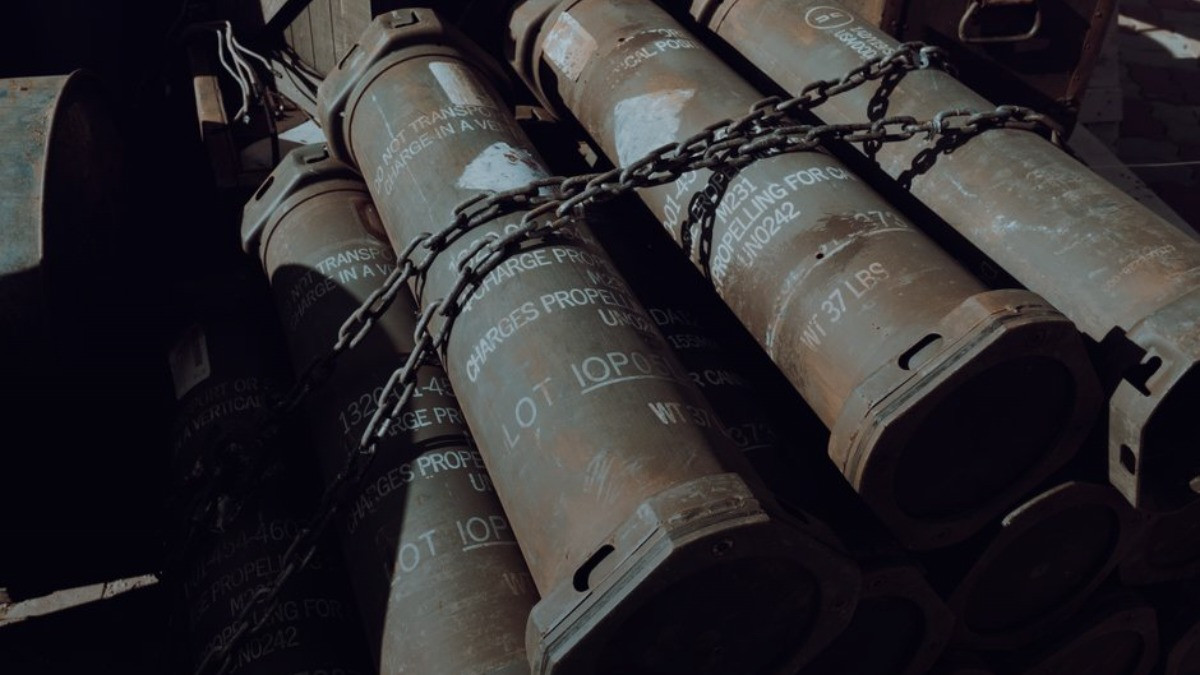
This price disparity explains why allies are so cautious about further transfers. It is not just about equipment that can be sent from warehouses. The problem is ensuring the continuity of missile supplies, the price of which means that every decision to fire them must be preceded by cold calculation. In the absence of new units, every technical failure becomes a gap in the shield that cannot be quickly patched. Therefore, what counts is not only what is already standing on Ukrainian soil, but above all, how long it will be possible to keep this equipment in full combat readiness without the support of new deliveries.
The impact of winter on the operability of Patriot systems
August 5, 2026, brings no official declarations regarding the transfer of further Patriot batteries to Ukraine. Instead of new deliveries, the attention of staff officers and logisticians is focused on maintaining the combat capability of the equipment already on the front. General Whitaker makes it clear in his recent briefings: it is the maintenance of the technical efficiency of the units that is the biggest challenge today, not the number of launchers on paper.
The coming winter is a real endurance test for the complex electronics of Patriot systems. This equipment requires specialized protection in temperatures dropping below zero, which in field conditions means the need to build extensive technical support infrastructure. This is not equipment that can simply be left in an open field and expected to be in full combat readiness through three months of freezing weather.
Precision is also a problem. Difficult weather conditions force more frequent calibration of AN/MPQ-53/65 radars, which directly translates into downtime in battery operability. Every hour spent tuning equipment in a blizzard or high wind is time during which the system is excluded from active sky defense. Staff officers know perfectly well that the lack of new deliveries combined with the natural wear and tear of consumable parts creates a dangerous gap. If a functional service chain cannot be maintained, the existing systems will begin to lose efficiency faster than assumed in the optimistic scenarios from the beginning of the year. The current silence on the decision regarding new batteries sounds like a quiet admission that the West is unable to quickly make up for potential losses.
Prospects for the coming months: what next?
Prospects for the coming months: what next?
As of August 5, 2026, the transfer of further Patriot batteries to Ukraine has not been confirmed. Kyiv will not receive new firing units in the foreseeable future, which forces a radical reorientation of actions.
General Whitaker, commenting on the situation, puts it bluntly. The biggest challenge for Ukrainian air defense is not the lack of new launchers, but maintaining the technical efficiency of systems that have already been operating in combat conditions for many months. Every hour of radar or control station operation means real wear and tear on components, and access to authorized service is difficult. Without a constant flow of components, even the most advanced machines will quickly become useless piles of metal.
As a result, the allies' strategy for the coming quarter has changed. Instead of discussions about further platforms, the emphasis has been placed solely on the delivery of spare parts. This is prosaic, boring, but absolutely critical logistics. In parallel, diplomatic efforts are focusing on securing the continuity of the PAC-3 interceptor missile supply chain. In practice, these determine the effectiveness of defense against Russian airstrikes.
Behind the scenes, it is openly said that this is a game of survival. The West is testing the endurance of the Ukrainian technical system, hoping to avoid the political costs of transferring further complete sets. Kyiv must therefore manage what it has. If the spare parts supply chain fails before winter arrives, defending the sky over Ukraine will become significantly more difficult than during previous months.
What this means for you
Editorial angle: The shift in strategy from 'quantitative' to 'qualitative' means that Ukraine must rely on intensive maintenance of what it already possesses. Spare parts suppliers gain, while forces expecting a quick expansion of the anti-missile shield before winter attacks lose out.
Questions and answers
Will new Patriot batteries arrive before winter 2026?
There are no official confirmations regarding new battery deliveries by this date; the emphasis has been placed on the maintenance of existing resources.
Why does Gen. Whitaker pay attention to service?
Because in winter conditions, the complex electronics of Patriot radars are more prone to failure, which makes maintenance crucial for safety.
How much does one Patriot battery cost?
The cost of one battery is estimated at around 1 billion dollars, with a significant portion of this amount concerning advanced ammunition.


Komentarze (0)
Ładowanie komentarzy...