The Ministry of National Defense confirmed on August 5, 2026, its full readiness to begin the production of Patriot missiles in Poland, although the final timeline depends on the finalization of licenses from the USA, which is conducting parallel talks with Ukraine. The ministry has already prepared the necessary infrastructure but is still awaiting final approvals from Washington. The Americans are currently analyzing competing proposals, weighing the risks associated with the transfer of missile technology in the face of the ongoing conflict on our eastern border.
Readiness status of the Polish defense industry
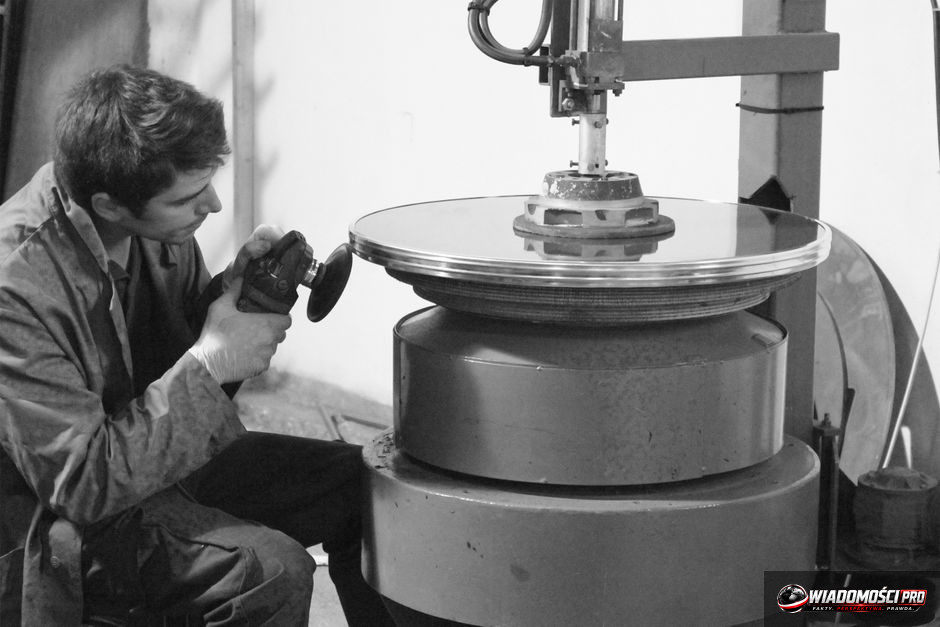
Polish defense plants completed the operational preparation stage in August 2026. The Ministry of National Defense presented a report confirming the readiness of the assembly infrastructure, which was the culmination of a process that began back in May. Companies participating in the project have implemented rigorous certification standards imposed by the American manufacturer of Patriot systems. Engineers have integrated production lines with quality control systems that meet the requirements of the US Department of Defense.
The construction of production halls and the modernization of technological lines cost the Polish budget hundreds of millions of zlotys. The investments included systems for the precision assembly of warheads, propulsion systems, and advanced guidance modules. The Polish side had to prove to American auditors that Polish plants maintain the consistency of technical parameters in every production batch. The Ministry of Defense, by publishing the data on August 5, sent a clear signal to Washington: the Polish industry has the potential to relieve American assembly lines, which are currently operating at maximum capacity to replenish NATO stocks.
Specialists point to the challenges that accompany such an advanced technology transfer. The production of Patriot missiles is not just about assembling components. It is a multi-stage process of integrating software with the physical structure of the missile. Polish plants must gain access to source codes, which constitutes the biggest barrier in licensing negotiations. The Americans fear technology leaks, which is why every agreement contains restrictive clauses on intellectual property protection. The Polish joint-venture proposal assumes that the American giant retains control over the most sensitive technologies, while Polish plants are responsible for final assembly and testing of finished products. This solution is currently the subject of negotiations, not an official government document, which means the final structure of the company remains open.
Launching a production line in the country will change the dynamics of servicing systems already delivered to Poland. Currently, every missile requiring technical inspection goes to service points in Western Europe or directly to the USA. Such logistics generate costs counted in millions of dollars and extend the time the battery is out of service. Having our own factory will allow for shortening the service cycle by more than half. This is a key argument for the government in Warsaw, which strives to increase the logistical autonomy of the Polish army.
Geopolitical tug-of-war: Warsaw, Kyiv, and Washington
July 2026 brought sudden plot twists that destabilized the negotiation process. On July 9, Donald Trump made a surprising offer to transfer the license for Patriot missile production directly to Ukraine. This proposal struck at the foundations of Polish efforts, as Warsaw had been negotiating the terms of technology transfer for months. Poland found itself in the position of a petitioner who must compete for Washington's favor with a country engulfed in war.
Volodymyr Zelenskyy took advantage of the political opening, announcing on July 28 progress in talks with the American administration. This move caused consternation in the White House. American diplomats, accustomed to discretion in arms matters, felt backed into a corner. The public disclosure of details that were supposed to remain confidential led to a sharp cooling of relations in this area. The American administration had to withdraw from some of its declarations, which occurred on July 31.
Commenting on the situation, Trump stated that Patriot systems are too powerful a weapon to risk their technological exposure in wartime conditions. This decision blocked Ukrainian ambitions but did not automatically open the door for Poland. Washington held back on a final move, analyzing geopolitical risks. Polish diplomacy, led by Prime Minister Tusk, had to show great restraint during the meeting with President Zelenskyy on July 29. Warsaw is balancing between solidarity with Kyiv and the need to look after its own national interest, which is securing the continuity of supplies for the Polish army.
Behind the scenes of negotiations and the role of warning systems
Patriot missile production functions as part of a larger puzzle. Poland is not planning only the assembly of ammunition. The goal is full integration with the national warning system. Reports from the beginning of August confirm that Polish Patriots must work with our radars in a native way. This means abandoning borrowed solutions in favor of Polish command algorithms.
The Americans are setting hard conditions regarding intellectual property. Every paragraph of the agreement is analyzed in terms of patent rights. Polish plants must create a secure supply chain for specialized metal alloys and integrated circuits. Some of these components come from certified sources controlled directly by the US Department of Defense. Any shortage in supplies means weeks of downtime on the production line. The Polish army plans to create strategic reserves, which requires additional financial outlays that were not included in the original budgets from the beginning of 2026.
Negotiators on both sides are focusing on how to avoid making the Polish line dependent on American political moods. The Polish side argues that having production capabilities on the eastern flank of NATO increases the security of the entire Alliance. Washington, in turn, fears creating an independent service center that could compete with American services in European markets in the future. This game of interests makes the talks so detailed and time-consuming.
Technical challenges and quality standards
Patriot missile production requires maintaining rigorous quality standards. Every stage – from welding the hull to assembling electronic systems – is subject to certification by US government representatives. Any deviations from standards result in an immediate halt of the assembly line. Engineers point out that the biggest challenge remains software synchronization. Poland already possesses Patriot batteries that must be integrated with products from the new line.
Without access to full source codes, missiles produced in Poland will only be "unintelligent" projectiles. The Americans remain adamant on this issue, treating the codes as a strictly guarded military secret. The Polish defense industry must therefore prepare for production in a model where software is delivered in the form of a "black box." Such a state of affairs limits the freedom to modify the system, but it is the price Poland must pay for access to Patriot technology.
The issue of raw materials remains an unresolved problem. Specialized metal alloys and advanced integrated circuits must come from certified sources. Poland must create a secure supply channel that will be resistant to geopolitical turmoil. Any break in the supply chain means weeks of downtime. Polish plants are planning the construction of strategic warehouses, which requires additional investments exceeding the original cost estimates.
Perspectives: Autonomy or dependence?
Launching production in the country after 2026 will change the balance of power in the region. If the license is finalized, Poland will become a production hub for the entire eastern flank of NATO. This is an opportunity for the development of a modern defense industry and the creation of thousands of jobs for high-class engineers. However, the price for this autonomy is high. We are condemned to an American administration whose decisions change under the influence of the current situation on the front and internal power struggles in Washington.
The Polish army needs missiles immediately. Every month of delay in finalizing the license poses a real threat to our security. The strategic self-reliance that the Ministry of Defense is striving for remains theoretical as long as the key to the factory lies in the hands of American officials. On the other hand, the success of this venture could be proof that Poland is already treated by the USA as a full-fledged technological partner, and not just a customer buying finished equipment.
The catch is that even with a license, Poland remains to some extent dependent on American component supplies. Full production independence is impossible in current technological realities. However, we can strive for a situation in which the role of Polish plants is significant enough for the American supply chain that any attempt to shut down production would be unprofitable for both sides. This is the real goal of Polish defense diplomacy for the coming years.
For you, as a citizen, this means that the production of Patriots in Poland is becoming a matter of high geopolitical stakes. We gain a chance for a modern industry, but we lose influence over the schedule due to the American policy of "tug-of-war" between Warsaw and Kyiv. The catch lies in the dependence on White House decisions, which change under the influence of the current situation on the front. Although our security becomes more real thanks to local production, we still remain hostages to decisions made thousands of kilometers from Warsaw. The success of this plan depends not only on our engineers, but on whether the government in Warsaw manages to convince American corporations that a Polish factory is more of a profit than a risk for them.
Questions and answers
Is Poland already certain that it will produce Patriots?
No, the Ministry of Defense only confirms technological readiness; the final decision and license depend on negotiations with the US government, which have not yet been formally closed.
Why is Ukraine mentioned in the context of Patriot production?
In July 2026, reports appeared about Donald Trump's offer regarding the construction of a factory in Ukraine, which created competition for Polish efforts and complicated talks with Washington.
When will missile production realistically start?
A date has not been set, as the process depends on the finalization of licensing agreements with the USA, which is the subject of ongoing diplomatic talks and depends on political stability in Washington.
Sources
- Poland prepares for the production of American Patriot missiles. Deputy Minister of National Defense: We are ready - wnp.pl
- Breakthrough in the case of Patriot missile production? Zelenskyy announces, White House does not comment - Interia Wydarzenia
- Trump's surprising offer. Ukraine may get a Patriot factory that Poland is striving for - Rzeczpospolita
- Behind the scenes of the warning system, Poland wants to produce Patriots [MORNING SUMMARY] - WP Wiadomości
- New news regarding Patriot missile production in Poland - Wiadomości Onet
- Trump promised Ukraine a license for Patriot missiles. Zelenskyy reveals details - wnp.pl
- Tusk's meeting with Zelenskyy. Chancellery of the Prime Minister on details - Gazeta Prawna
- "This is an amazing weapon, we must be careful". Turnaround in Washington, Trump will not fulfill Zelenskyy's request - Interia Wydarzenia


Komentarze (0)
Ładowanie komentarzy...