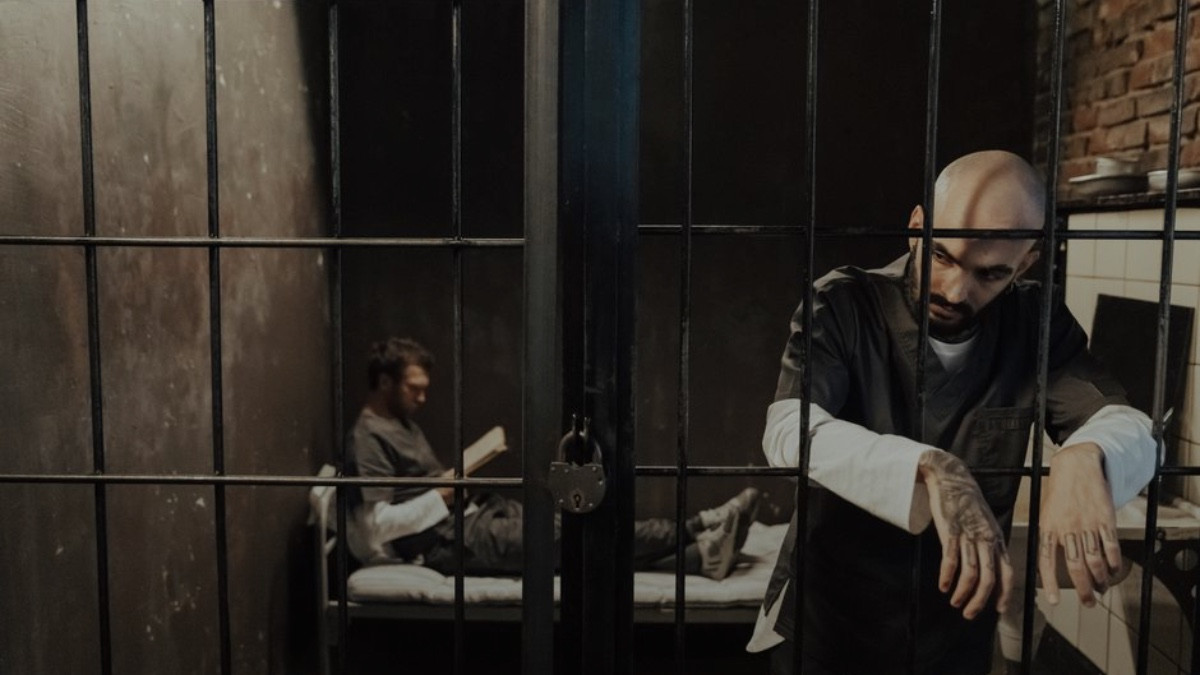
From August 23, 2026, patostreaming is punishable by up to 5 years in prison, which is the result of an amendment to the penal code signed by the president. This provision definitively ends the period of impunity for creators who prey on violence and degradation. Law enforcement agencies have gained a tool that allows for the real isolation of perpetrators from society.
The end of the era of impunity: what changed on August 23?
The Polish internet scene has entered a phase of strict verification. For years, creators of pathological content felt safe, arguing that the web is governed by its own laws. The amendment to the penal code closes these discussions. Since the last Sunday of August 2026, anyone who decides to broadcast or disseminate materials that violate human dignity must expect a visit from officers.
The president signed the bill back on July 17, but the date of August 23 became the real temporal turning point. That is when the regulations came into force, translating political declarations into specific articles of the code. Prosecutors no longer have to look for legal workarounds in the form of accusations of insult or trespassing. The act precisely defines the prohibited act, which makes it easier to build an indictment against the most aggressive streamers.
The previous approach relied on reacting after the fact, often with a significant delay. Now, the justice system has a tool allowing for faster intervention. The police are monitoring platforms that have hitherto ignored reports of terms of service violations. This change strikes at the foundations of the patostreamers' business model, which is based on the monetization of scandal. If a live broadcast contains elements of violence, it constitutes direct evidence of a crime.
The question remains as to the effectiveness of the services in dealing with the massive scale of data generated by streaming platforms. Creators often use servers located outside of Poland's jurisdiction, which poses a real barrier for law enforcement. However, the amendment makes the matter clear: criminal liability also applies to sharing materials. This means that anyone who promotes recordings from patostreams becomes a potential target for the prosecutor's office.
Will popular creators like Magika and Arek Tańcula go behind bars?
Public interest in the fate of well-known influencers is enormous. Names such as Magika or Arek Tańcula appear in the context of the new regulations extremely often. Many observers are asking themselves whether they will be the first people convicted under the amendment. However, the law is blind to reach and the number of subscriptions. What counts is evidence.
Law enforcement agencies will not judge the popularity of channels, but the evidence gathered during the broadcast. Every episode in which humiliation or physical aggression occurs is analyzed by experts. If the video recording contains signs of prohibited acts, the case goes to court. Creators who have lived off controversy until now must now conduct an examination of conscience. Have their recent productions crossed the threshold set by the legislator?
The legal situation of influencers has become complicated. Many of them had previously tried to balance on the edge of admissibility, using various forms of self-censorship. Now, this boundary has been shifted toward full accountability. Judges will examine whether the given content was merely entertainment or systematic law-breaking. In the case of convictions, the creator's time of freedom will be drastically limited.
For many observers of the internet scene, this is a test of the new law's effectiveness. If the system manages to hold big names accountable, it will be a signal to the entire industry. The time of the so-called "wild west" on the Polish internet has passed irrevocably. Otherwise, the new law may prove to be merely a dead letter that only slightly raises the bar for creators operating on the edge of the law.
Scale of penalties: up to 5 years for patostreaming
The amendment to the penal code provides for severe sanctions. The maximum penalty of five years in prison is a warning signal for anyone who thinks that the web is an unpunished space. The court will assess the degree of social harm of each case individually. This means that recidivism or a particularly brutal course of the broadcast will be treated as aggravating circumstances.
The new regulations strike at the entire spectrum of digital pathology. The legislator has ensured that criminal liability is as broad as possible. According to the act, criminal liability applies to two key actions: publishing harmful content and sharing it. Publishing means directly conducting a broadcast or uploading video materials containing patostreaming. Sharing is a broader concept that can include anyone who further distributes the material, thereby promoting criminal behavior.
These are not empty threats. The question that remains open is: how quickly will the prosecutor's office start filing charges en masse. Experiences with other amendments suggest that the first verdicts may be reached faster than streamers, convinced of their anonymity on the web, expect. This is a powerful tool in the hands of the justice system, which can effectively clean the Polish internet of the most drastic cases of preying on human suffering.
The justice system now has clear guidelines. Judges no longer have to wonder about the interpretation of the creator's intent. If a broadcast contains content considered to be patostreaming, criminal liability comes into play. This is a paradigm shift – from leniency toward a new form of entertainment to the hard enforcement of the law.
The road to change: from media campaigns to the president's signature
The legislative process that led to the current shape of the regulations was turbulent. A key moment occurred on June 25, 2026. On that day, the Senate made the decision to proceed with the amendment of the penal code. This was a direct reaction to a large-scale campaign by Polsat News, which highlighted the problem of the demoralizing influence of patostreaming.
At that time, media, including Rzeczpospolita, reported that the finished draft of the amendment was just waiting for formalities to reach the desk of the head of state. Politicians, seeing the scale of the phenomenon and social resistance to pathological broadcasts, had to act. Failure to act could have been perceived as permission for the further degradation of standards on the web.
The president officially signed the bill on July 17, 2026. Although there were initially voices about different penalty dimensions, the final provision closes the door for creators who prey on violence. The road from draft to law was fast, which testifies to the high priority given to this issue. Now that the regulations have entered into force, the courts are taking over.
Prosecutors must now precisely assess where freedom of speech on the internet ends and punishable patostreaming begins. The question of whether the justice system will prove to be as fast in action as the legislator was in writing the regulations remains unanswered for now. Market observers are wondering if this is just a paper tiger that will disappear in the thicket of procedural formalities.
What this means for you
The editorial team assesses that viewers protected from toxic content will gain from the new regulations, while creators basing their work on controversy will lose. The catch may be the interpretation of 'patostreaming' in courts, which will decide whether popular influencers actually end up in prison. The final effectiveness of the law depends on the determination of the prosecutor's office in prosecuting perpetrators who, until now, felt unpunished in their digital fortress.
Questions and answers
Since when exactly can you go to prison for patostreaming?
The new regulations, which are the result of the amendment to the penal code, entered into force on August 23, 2026.
What is the maximum prison sentence for patostreaming?
According to the new regulations, conducting patostreaming or sharing such content is punishable by up to 5 years of imprisonment.
Does the new law cover only the creators themselves?
The regulations concern publishing and sharing patostreaming content, which means that criminal liability may cover a wider group of people, including those promoting harmful materials.
Who initiated the changes in the law?
Legislative work accelerated after the Senate's decision of June 25, 2026, which was the aftermath of media campaigns, including the actions of Polsat News.
What exactly is punishable?
It is punishable to conduct broadcasts and share materials that meet the definition of patostreaming, i.e., content based on violence, humiliation, or pathological behavior.
Did the president sign the bill?
Yes, the president signed the bill on July 17, 2026, which paved the way for it to enter into force in August.
What are the chances of a conviction?
Everything depends on the gathered evidence and the determination of the prosecutor's office in prosecuting crimes in real time. Each case will be considered individually by the court.
Does the law apply to old recordings?
The amendment applies to acts committed after the law entered into force, although sharing old materials after August 23, 2026, can also be classified as a crime.
Where to look for information about progress in prosecuting patostreamers?
Information about criminal cases will be published by the prosecutor's office and media reporting on court verdicts.
Are viewers financing patostreamers at risk?
If financial support is linked to direct participation in criminal activity or sharing harmful content, law enforcement agencies may also investigate these aspects of the activity.
Sources
- Regulations entered into force on August 23. End of impunity for publishing and sharing content - Gazeta Prawna
- You will now go to prison for such posts or videos. New regulations are already in force - INFOR.PL
- Ban on patostreaming. Senate decision after Polsat News campaign - Interia Wydarzenia
- President signed the act on patostreaming. Penalties up to 3 years in prison - Bankier.pl
- Małecki: Patostreaming. Penal code amendment awaits president's signature - Rzeczpospolita
- Patostreaming threatened with up to five years in prison. President signed the act - Press.pl
- Ban on patostreaming is already in force. Publishing such content is punishable by prison - jaw.pl
- There will be a ban on patostreaming. President signed the act - wirtualnemedia.pl



Komentarze (0)
Ładowanie komentarzy...