Romanian air defense forces successfully shot down two drones threatening a gas refinery on August 14, 2026, preventing damage to critical infrastructure. Currently, the security level for energy facilities has been raised immediately. Such a rapid response confirms that the threat to transmission installations has ceased to be a theoretical training scenario and has become a permanent element of operational reality on NATO's eastern flank.
Operation progress: how Romania repelled the drone attack
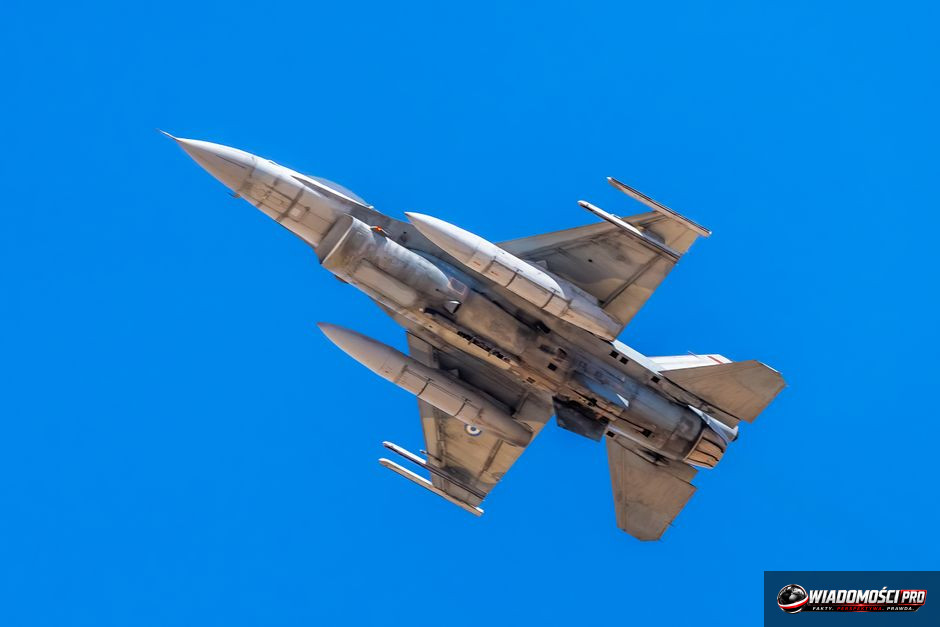
At 04:12 local time, Romanian early warning radars registered the presence of two unidentified flying objects that violated the country's airspace. The targets were moving toward the gas refinery infrastructure, which serves as one of the most important hubs of energy stability in this region of Southeast Europe. The operational command decided to immediately scramble a pair of F-16 fighter jets stationed at the 86th Air Base. Parallel to the air operations, anti-aircraft batteries deployed in the threat sector were placed on high combat alert.
The drones were neutralized in the air before they could perform an approach maneuver to the target. The lack of material losses and human casualties is a direct result of integrating radar systems with interceptor platforms. Technical services inspected the refinery area, confirming that no critical infrastructure components were damaged as a result of the kinetic actions. However, this incident sheds new light on the challenges associated with protecting peripheral installations against asymmetric attacks. The Ministry of National Defense in Bucharest has not disclosed data regarding the flight trajectory of the machines or their technical characteristics, which suggests that the matter is in a phase of intensive intelligence analysis.
The elevated security level implemented after the attack means a change in the operating model for the energy sector. Enhanced air patrols have been introduced over key terminals and refineries, and access control procedures for strategically important facilities have been tightened. This decision cuts off any path to concessions regarding the protection of energy resources. The Romanian anti-drone shield passed a test under combat conditions, but questions about its durability in the event of a coordinated, larger-scale attack remain open. Crisis staffs are currently analyzing whether August 14 was merely an attempt to probe defensive capabilities or the beginning of a campaign targeting transmission infrastructure.
Eastern Flank under pressure: broader security context
The situation in Romania is a link in a broader chain of events that countries on NATO's eastern flank are facing in 2026. Air incidents have ceased to be isolated cases and have become an element of a permanent state of tension. In April 2026, the Polish Air Force was forced to scramble fighter jets in response to a series of provocations by Russian aircraft. As reported at the time by Tygodnik Solidarność, the Polish air defense system had to react to violations that were a signal of escalating actions in the region. The common denominator of these events is clear: the border of Alliance member states has become a testing ground where the reaction time of commands and the vigilance of reconnaissance systems are tested.
The analysis of the September 2025 fire at the largest oil terminal on the Baltic remains a key point of reference for staffs planning infrastructure protection. That event showed that paralyzing raw material supplies is achievable without open kinetic war. The effects of the terminal fire were felt by energy markets across the region, which forced decision-makers to revise assumptions regarding the resilience of supply chains. Romania, after the attempted attack on the refinery, must now reconcile the protection of its own resources with the challenge of maintaining the airtightness of its air border under conditions of constant harassment by drones. Europe's energy security currently depends on the ability to destroy objects with a small radar signature, which constitutes the most difficult test for modern anti-aircraft defense.
Lesson from the Baltic: why infrastructure is at risk
September 2025 brought a lesson that revised the approach to point protection of energy plants. The fire at the largest oil terminal on the Baltic was not just an accident, but a shock to the entire logistics system. The shooting down of two drones over a Romanian refinery on August 14, 2026, shows that the conclusions from that catastrophe have been implemented, but the threat itself has not disappeared. Gas infrastructure is currently perceived by the aggressor as the soft underbelly of the economy. Every refinery, every terminal, and every transmission pipeline are points whose elimination could lead to the destabilization of entire Eastern European markets.
Security specialists point out that point protection, while necessary, is insufficient without full radar coverage of the area. Today's early warning systems work more efficiently than in 2025, which was evident in the case of the Romanian refinery. Nevertheless, the intensity of drone attacks is increasing, and the cost of defense is beginning to exceed the cost of the attack. Each subsequent attempt to penetrate defense systems is a valuable lesson for the aggressor, allowing for the optimization of flight paths and ways to avoid detection. The Romanian incident is a warning for all of Europe: energy infrastructure is no longer isolated from warfare. It has become a front where the fight for the stability of raw material supplies is being waged.
Strategic strengthening of energy facility protection
The actions of the Romanian air defense forces on August 14, 2026, forced Bucharest to immediately revise security protocols. Energy infrastructure has become a primary target, which confirms the need for rapid adaptation of protection systems to the new reality of the battlefield. The government in Bucharest reacted instantly, without waiting for post-action analyses, deciding to introduce extraordinary protection measures immediately after neutralizing the threat.
The country's energy security is currently based on two pillars intended to eliminate gaps exploited by drones:
1. Increasing the readiness of anti-aircraft defense systems across the country, with particular emphasis on sectors adjacent to strategic industrial plants.
2. Tightening the monitoring of airspace over key refineries, which in practice means constant patrols using advanced early warning systems.
The question of the effectiveness of these measures remains current. The history of recent months shows that critical infrastructure is constantly being tested. Increasing vigilance is a necessity, but without a real expansion of the capability to destroy small, low-flying objects, every subsequent night could bring a similar risk. Bucharest has bought itself time, but the price for maintaining this status quo will rise with each subsequent attack attempt. Investments in anti-drone systems are becoming a priority for NATO's eastern flank countries, displacing other defense expenditures.
What this means for you
Attacks on critical infrastructure are the new reality of hybrid warfare. Companies in the defense and cybersecurity sectors are gaining from this, while energy markets must reckon with the risk of price spikes caused by supply destabilization. For the average consumer, this means that gas and fuel prices may react not only to the situation on stock exchanges but also to every piece of news about an air incident near key installations. The stability of supplies is directly linked to how effectively the military can protect pipes and refineries.
Questions and answers
Was the gas refinery damaged during the attack?
No, thanks to the rapid response of Romania's air defense, the drones were shot down before reaching the infrastructure, as confirmed by the services responsible for the facility's security.
Was this the first instance of a violation of Romanian airspace?
No, this region regularly struggles with air incidents, which is part of a broader pattern of provocations on NATO's eastern flank, similar to the case of Poland, which had to intervene with fighter jets in April 2026.
What are the consequences for the security of gas supplies?
Supplies remain stable, however, the incident forced the introduction of tightened protection procedures throughout the country's energy sector, which is intended to prevent a repeat of the scenario from September 2025, when the terminal on the Baltic was burning.
Why is an attack on gas infrastructure so dangerous?
Attacks on such facilities are aimed not only at physical destruction but primarily at causing market panic and paralyzing raw material supplies, which directly affects the energy security of the entire region.
Are Romanian defense systems sufficient?
The systems worked flawlessly on August 14, however, the military is in the process of constant revision of procedures to prepare for more complex and coordinated drone attacks in the future.



Komentarze (0)
Ładowanie komentarzy...