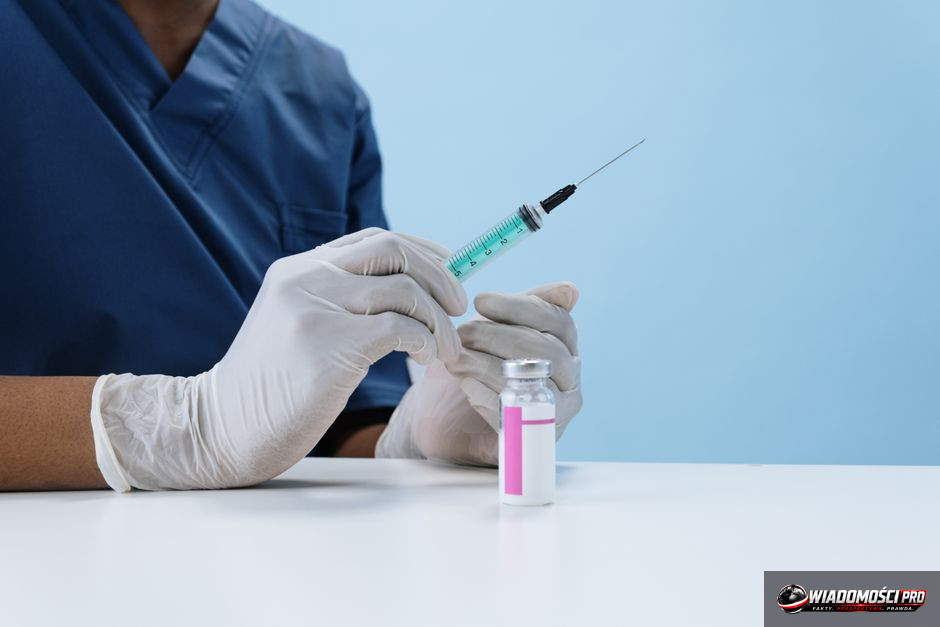
Free HPV vaccinations are available to all children and adolescents aged 9 to 18, and the program is currently being implemented in schools and other facilities. The initiative is a pillar of the state's oncological strategy, aimed at reducing the incidence of cancers caused by the human papillomavirus. The financing system for the preparations is fully covered by the Ministry of Health's budget, eliminating economic barriers for families.
Scope of the program: Who qualifies for vaccination?
Current distribution rules for the preparations are based on the assumptions of the Protective Vaccination Program (PSO). Individuals who have not yet reached the age of eighteen are eligible to receive the dose free of charge. The legal basis for the functioning of this system stems from the Act of December 5, 2008, on the prevention and control of infections and infectious diseases in humans, and the annually updated announcement of the Chief Sanitary Inspector regarding the protective vaccination program for a given calendar year. The Ministry of Health provides access to two preparations: the nine-valent vaccine Gardasil 9 and the two-valent Cervarix.
Gardasil 9 protects against virus types 6, 11, 16, 18, 31, 33, 45, 52, and 58. Cervarix focuses on the two most oncogenic types: 16 and 18. The choice of a specific preparation depends on availability at a given vaccination point, although both products meet rigorous safety standards set by the European Medicines Agency. The decision on which vaccine to choose for a specific patient remains at the discretion of the medical personnel qualifying the patient for the procedure.
The introduction of a universal vaccination system has epidemiological significance. The HPV virus is responsible not only for cervical cancer but also for cancers of the anus, vulva, vagina, penis, as well as head and neck cancers. Mass prevention, implemented in accordance with the Ministry of Health's guidelines, aims to break the chain of virus transmission in the population. From a public health perspective, high vaccination coverage in this age group is the only method for a real reduction in disease incidence over the next two decades.
Logistics and availability: Vaccinations in Polish schools
Moving vaccination points to educational institutions represents a significant organizational change. The Ministry of Health, aiming to maximize the number of vaccinated individuals, decided to involve schools as partners in the logistics process. This solution is intended to reduce "transportation exclusion" and the lack of time parents have for visits to Primary Health Care (POZ) facilities.
The school model is based on close cooperation between school management and local medical teams. The process requires written consent from a parent or legal guardian, which is a necessary condition for administering the preparation. The medical team arrives at the school on a scheduled date, equipped with the appropriate gear to store vaccines under refrigerated conditions. Each dose is recorded in the electronic Vaccination Card.
This undertaking involves the need to provide appropriate medical facilities. The school must guarantee a room that meets the hygienic and sanitary requirements provided for treatment rooms. Ensuring privacy during the medical qualification and the administration of the vaccine itself is a priority, which often becomes a point of contention in relations between the school and parents.
Implementing the program within school walls removes the logistical burden from guardians but shifts the weight of communication onto the school. Management must inform about dates, collect consents, and organize the flow of students. These activities are monitored by sanitary-epidemiological stations, which act as supervisors over the quality of procedures. Some educational institutions demonstrate greater efficiency by using modern digital communication systems to quickly collect declarations, which drastically shortens the time needed to prepare for vaccination campaigns.
Controversies surrounding mandatory status: The Ministry of Health's position
The debate on the mandatory nature of HPV vaccinations intensified in the final months of 2025. The Ministry of Health, analyzing vaccination data, is considering the possibility of changing the vaccination status from voluntary to mandatory. Such a proposal sparked immediate reactions from skeptical circles, who raise the issue of parental autonomy and the right to decide on medical interventions for children.
Protests, reported by sites such as PolitykaZdrowotna.com, show that society is strongly polarized. Some parents see vaccinations as a necessary element of public health protection, while others see them as an attempt by the state to interfere in the private sphere. The Ministry of Health emphasizes in official communications that vaccinations are the most effective method of preventing cancer, however, no binding legislative decisions regarding the introduction of coercion have been made yet.
This situation creates space for disinformation. Many people look for information in unverified sources, which leads to the repetition of myths about the safety of Gardasil 9 and Cervarix. The Ministry of Health and the Chief Sanitary Inspectorate try to counteract these trends by publishing periodic reports on vaccine safety. Nevertheless, the distrust of a portion of society remains a fact that the healthcare system must face during every information campaign. The lack of final legal rulings on the issue of mandatory status makes parents feel confused, often withholding their decision until the legal status of the vaccinations is clarified.
2026 Vaccination Calendar: How to sign up a child?
Access to free protection against the HPV virus in 2026 is provided through two paths. Parents can use the path offered by educational institutions or go to a Primary Health Care (POZ) clinic. The choice of path depends on the availability of programs in a specific region and the family's preferences.
In the case of POZ facilities, the vaccination process follows a traditional path. The parent schedules an appointment with a family doctor, who conducts a qualification examination. It is worth noting that in the POZ system, the patient has the ability to choose the date of the visit, which allows for better adjustment to the child's individual schedule. Vaccines are available as part of public funding, which means there are no direct costs for the patient.
The website Szczepienia.Info regularly updates information regarding the availability of preparations and any changes to the vaccination calendar. Parents should verify schedules on the official gov.pl portal, where lists of facilities implementing the program are published. The system is open, which means that a parent is not limited only to the clinic where the child is permanently registered. In a situation where the nearest facility is not performing vaccinations on a given date, one can use the offer of another medical point that has the appropriate resources.
Coordination between schools and POZ clinics is crucial for maintaining the fluidity of the process. If a school does not organize vaccinations in a given semester, the parent retains the full right to independently register the child at a medical point. Such flexibility in the system is intended to prevent the creation of bottlenecks in the distribution of preparations. Every case of refusal of vaccination, whether for medical or personal reasons, is recorded in the documentation in accordance with legal requirements regarding the prevention of infectious diseases.
What this means for you
Systemic improvements in access to HPV vaccinations are intended to make the task easier for guardians, but at the same time, they place the burden of an informed decision on them. The ease of signing up for the program at school does not exempt the parent from the obligation to familiarize themselves with the characteristics of the medicinal product. From an editorial perspective, the biggest challenge remains not the technical side of the vaccination itself, but maintaining social trust in conditions of increasing polarization. The decision to vaccinate is an individual choice that, on a national scale, builds population immunity. The lack of clear rulings regarding future mandatory status means that parents must independently monitor government announcements to avoid errors resulting from outdated information.
Questions and answers
Where can I sign my child up for an HPV vaccination?
Vaccinations are carried out at Primary Health Care (POZ) points and as part of organized campaigns in school facilities.
Is the HPV vaccination currently mandatory in Poland?
Vaccination remains voluntary. The Ministry of Health is conducting discussions on changing this status, which, however, has not yet been legally regulated.
What preparations are used in the program?
The program uses Gardasil 9 and Cervarix vaccines, both of which are authorized for sale and meet safety standards.
What should I do if my child's school does not implement the program?
You can sign your child up for a vaccination at any POZ clinic that participates in the program, using information available on the gov.pl portal.
Do I have to pay for the vaccination?
No, for children and adolescents in the specified age range, the vaccine and the administration service are fully funded by the state budget.
Sources
- Who does the free HPV vaccination program apply to? - Szczepienia.Info
- What about mandatory HPV vaccination? - News - Vaccinations - Medycyna Praktyczna
- Free HPV vaccinations in Poland (for children and adolescents aged 9-18) - Gov.pl
- Ministry of Health: mandatory HPV vaccinations for children. There are already protests - PolitykaZdrowotna.com
- Vaccination calendar in 2023. - Szczepienia.Info
- It's certain, there will be vaccinations in schools. Changes have come into effect - Interia Wydarzenia
- Announcement of the Ministry of Health and GIS regarding BCG vaccination and newborn screening for SCID - Medycyna Praktyczna
- HPV vaccinations in Poland - Gov.pl
Komentarze (0)
Ładowanie komentarzy...