
What Happened
On October 9, 2026, the Constitutional Accountability Committee adopted a report recommending that the Governor of the National Bank of Poland be brought before the State Tribunal. According to media reports, 11 MPs voted in favor, 8 were against, and 2 abstained. "All eight charges were upheld by the Committee," said Zbigniew Konwiński, head of the KO parliamentary club.
Eight Charges
According to the committee's report, the NBP Governor allegedly:
- indirectly financed the budget deficit,
- acted without due authorization from the Monetary Policy Council,
- conducted unauthorized currency interventions,
- took actions contrary to the monetary policy guidelines,
- hindered the work of members of the MPC and the NBP management board,
- misled the Minister of Finance,
- accepted a mechanism of automatic quarterly bonuses,
- violated the principle of political neutrality.
PiS MPs respond that none of the witnesses confirmed the charges, and the majority of decisions were made by the NBP management board, not by the Governor alone.
Glapiński: "Will Not Bow to Any Pressure"
The NBP Governor considers the entire procedure groundless. He says it is "harmful from the perspective of Poland's internal interests," and that the central bank "will not bow to any political pressure." He announced that the NBP would not take part in the proceedings. He cites a 2024 Constitutional Tribunal ruling.
The Key Dispute: 231 or 276 Votes?
This is where the real battle begins. The Act on the State Tribunal states that in the case of the NBP Governor, an absolute majority of votes in the presence of at least half of the MPs is sufficient. The coalition holds such a majority. However, the Constitutional Tribunal ruled in 2024 that a 3/5 majority is required, which translates to 276 MPs. According to the media, the coalition is short by more than 30 votes. The government does not recognize some rulings of the current Constitutional Tribunal, so a dispute over which majority applies is almost certain.
It is also unclear what will happen after a potential vote. The law provides for the suspension of the accused from duties, but the Constitutional Tribunal challenged this provision with regard to the NBP Governor. Glapiński's second term ends in June 2028.
When Is the Vote?
The Sejm can take up the report no earlier than 21 days after all MPs receive it. The date will be set by the Marshal of the Sejm. Konwiński hopes for November: "I think we will vote in the plenary hall this year."
What This Means for Your Money
Directly, nothing for now. The NBP reference rate stands at 3.75 percent, and the MPC did not change it in October. Inflation in September rose to 4 percent, and the dollar costs over 3.90 PLN. Economists point out, however, that markets react poorly to conflicts surrounding the central bank. A prolonged dispute over who really runs the NBP could further weaken the złoty, and a weaker złoty means more expensive fuel and costlier imports.
Accountability for the governor or an attack on the NBP's independence? Share your thoughts in the comments. We write about money and politics every day at Wiadomości PRO.
Sources:
- TVN24 Biznes: "Glapiński przed Trybunał Stanu? Jest decyzja komisji" (October 9, 2026)
- RMF24, Interia, Rzeczpospolita: decision of the Constitutional Accountability Committee (October 9, 2026)
- GazetaPrawna.pl: "Glapiński przed Trybunałem Stanu? Jest spór o to, ilu posłów do tego potrzeba" (October 2026)
- Finwire: "Glapiński Trybunał Stanu 2026: ryzyko dla NBP" (October 2026)
- wPolsce24: "NBP nie ugnie się przed polityczną presją" (October 2026)
- Wprost Biznes, ceo.com.pl: interest rates, inflation, and the złoty exchange rate (October 2026)
- Dla Pieniędzy: "Tak chcą zniszczyć NBP i złotówkę!…" (YouTube, October 11, 2026)
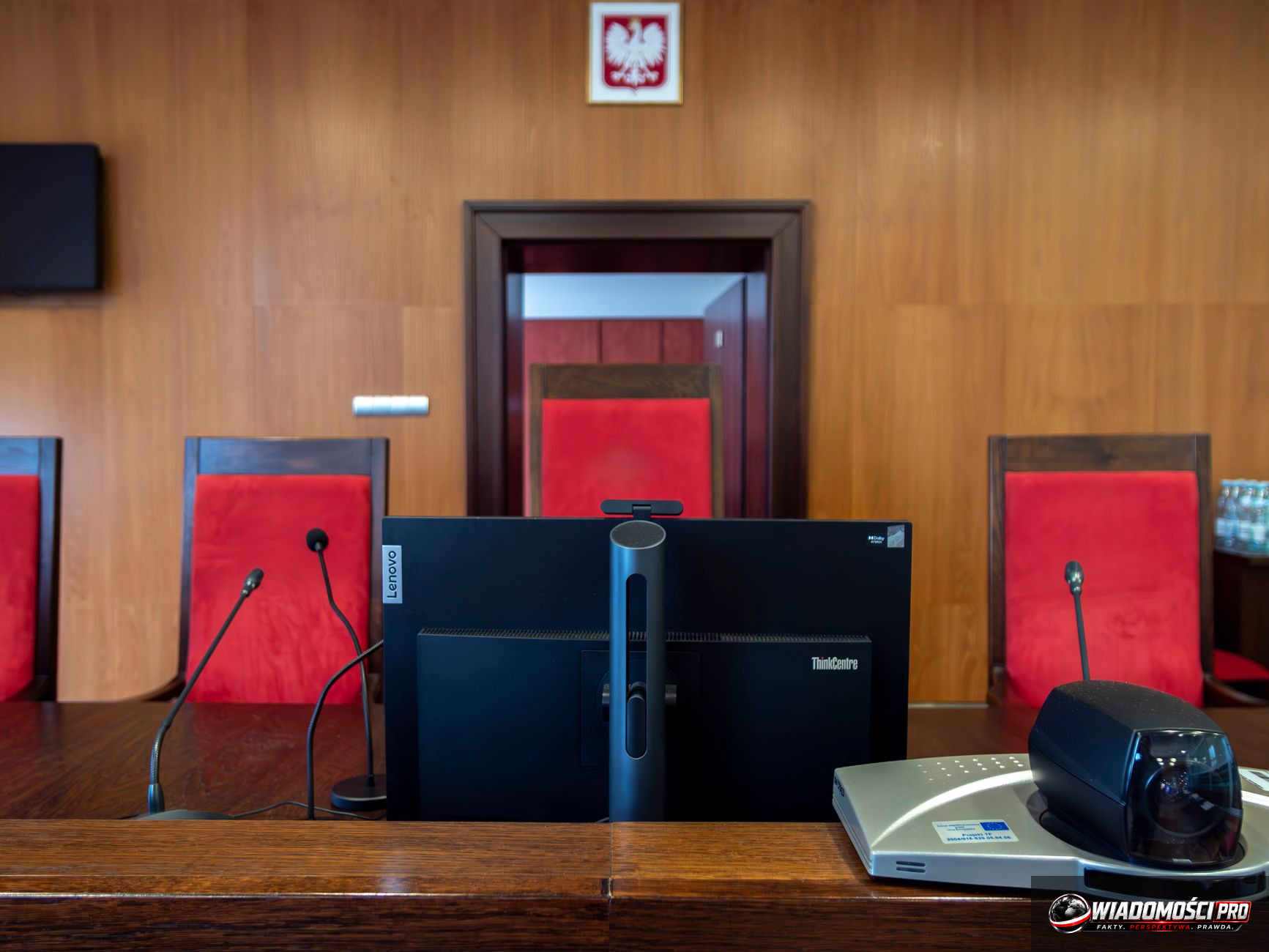
Lead image: AI-generated graphic.



Comments (0)
Loading comments...