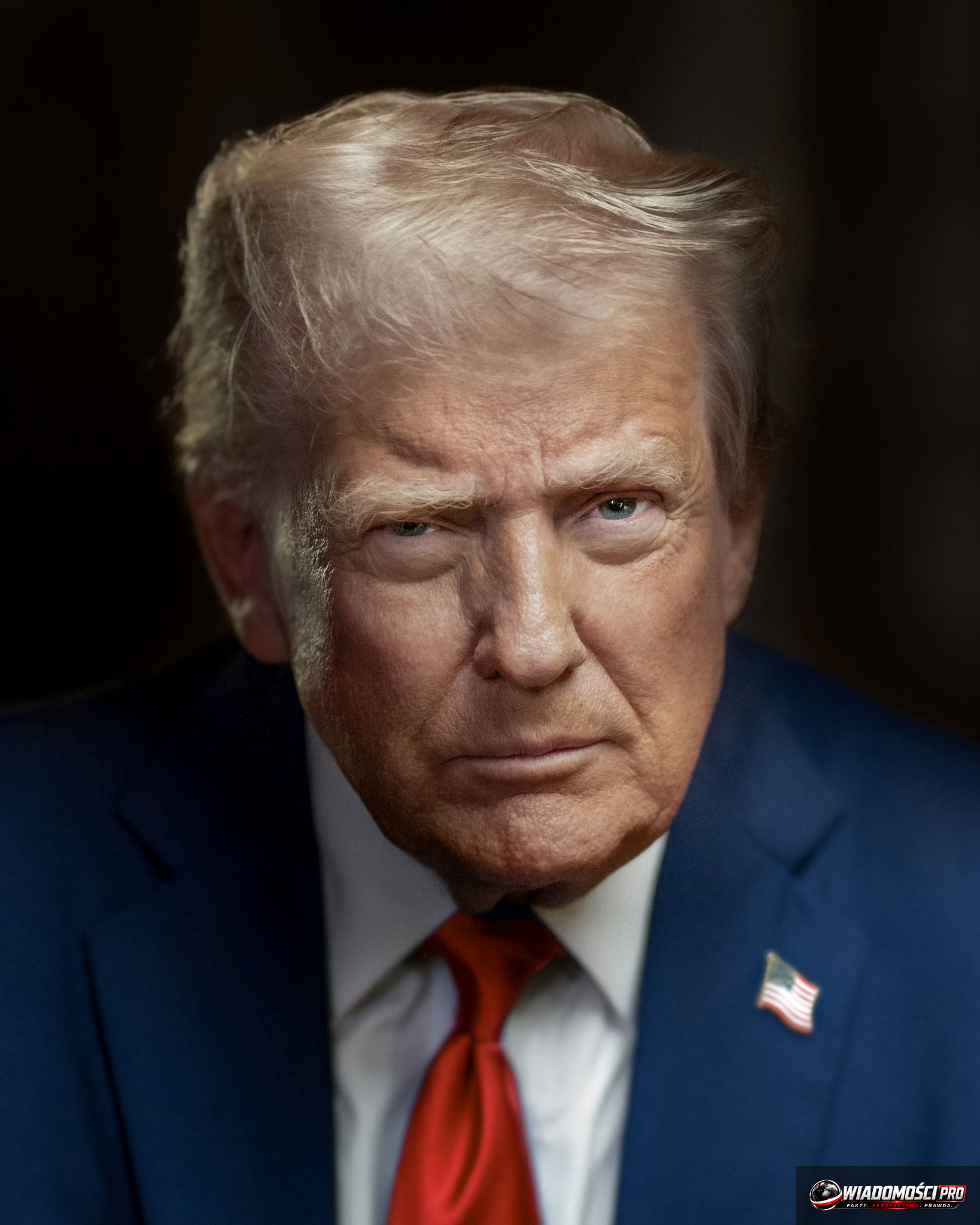
Thanks to the suspension of sanctions on Russian oil on March 13, 2026, the Kremlin has regained a key source of revenue, which, combined with the new oil price reality, cements high profits for the Russian energy sector. Market estimates indicate that by eliminating the need to offer deep discounts, Russian budget revenues from oil exports could increase by approximately 15–20 percent annually. This decision by the Trump administration ends a period of forced, high-cost logistics, allowing Russian companies to sell the raw material at prices close to the global benchmark, which translates into billions of dollars of additional liquidity in the Russian treasury.
Mechanism for Russian exporters to recover margins
Before March 13, 2026, the Russian economy operated within a sanctions-evasion system that drained the state budget. Selling oil to buyers in Asia required the use of constant, often drastic price discounts intended to compensate contractors for political risk and the insurance costs of tankers operating outside the official trading system. Every barrel sold therefore generated less profit than market quotations in London or New York would suggest. The decision to suspend the restrictions changed these rules of the game.
Russian energy companies, such as Rosneft or Gazprom Neft, are no longer forced to use the so-called "shadow fleet" to the same extent as before. Unlocking access to a wider range of sales markets has reduced transaction handling costs by tens of millions of dollars per month. In the face of oil prices that, according to reports from June 2026, have become stuck in a new, permanently elevated reality, every dollar of profit has become a direct gain for the Russian budget. There is no coincidence here. This is pure commodity mathematics that rewards countries with large-scale production in conditions of limited global supply.
Iran as a regulator of global price volatility
The spring of 2026 showed how strongly the situation in the Middle East determines the profitability of Russian exports. On April 2, 2026, when Donald Trump announced attacks on Iran in his address, markets reacted with an immediate spike in oil prices. For Russia, this was a period of intense monitoring of the exchanges, as increases in commodity prices directly increased margins on every cargo sold. When the price of a barrel rises in response to geopolitical tensions, the Russian energy sector earns more, even with unchanged production volumes.
The situation changed on April 22, when the US administration announced a truce with Tehran. The calming of market sentiment brought stabilization, but it did not erase the profits generated by Moscow during the period of high volatility. Moreover, US plans from May 18 regarding the temporary lifting of sanctions on Iran sparked a wave of speculation. Every such decision by the White House affects global supply. For Russia, the key is that even with an increased presence of Iranian oil on the market, the price of the commodity remains at a level that allows for the comfortable financing of state activities. The Russian strategy is currently based on maximizing revenue by exploiting the gap created by American inconsistency.
The relationship between oil and gold: trend analysis
In April 2026, investors observed a phenomenon that analysts call commodity divergence. On April 9, 2026, oil prices were clearly rising, while gold was recording declines. This unusual market behavior was a direct result of waiting for the Trump administration's decisions. Gold, traditionally considered a safe haven, lost its appeal at the moment when speculative capital moved to the oil market, counting on higher returns in the face of political turmoil.
For the Russian budget, this trend was extremely favorable. The drop in gold prices suggested that financial markets were not afraid of an escalation of conflict on a global scale that could completely cut off commodity trade. Instead, investors bet on the stability of oil demand. Russian oil, supplying Eastern markets, became the main beneficiary of this dynamic. The lack of capital outflow toward precious metals allowed for the maintenance of a high volume of transactions in the oil market, which directly translated into Kremlin revenues, which reached record levels in the second quarter of 2026 since the beginning of the year.
Fertilizers from Belarus: a new dimension of commodity trade
On March 31, 2026, the Farmer.pl service reported on US plans regarding cheap fertilizers from Belarus. This move was part of a broader plan by the Trump administration aimed at reducing agricultural production costs in the United States. The mechanism is as follows: by liberalizing trade in fertilizers with Belarus, Washington seeks to stabilize food prices, which is a priority before the upcoming election cycles. However, the consequence of this action is undermining the position of European fertilizer producers, who cannot compete with Belarusian prices.
The connection between fertilizers and oil is direct. Natural gas, a key raw material in the production of nitrogen fertilizers, is largely linked to crude oil prices. Maintaining high oil prices by Russia, while simultaneously supporting the supply of cheap fertilizers from Belarus by the USA, creates a specific arrangement. Russia, as the main supplier of energy resources to Belarus, indirectly benefits from the increased production of fertilizers in that country. It is a system of communicating vessels in which American trade regulations – instead of isolating regimes – paradoxically create new market niches for them.
Criticism of Washington's strategy: what went wrong?
On April 17, 2026, the Money.pl portal published an analysis accusing the Trump administration of a lack of consistency in strategic goals. The criticism concerned the fact that previous restrictions, which were intended to stifle the Russian economy, were withdrawn at the moment they began to show their first effects. The lack of a clear long-term vision meant that markets began to treat American sanctions as a temporary political instrument, not as a permanent element of foreign policy.
It became clear to financial observers that Trump had lost his way in his priorities. On one hand, he declared a fight against authoritarian regimes, and on the other – by suspending sanctions on oil and opening the door for fertilizers from Belarus – he was effectively financing these regimes. Such action is not a coincidence, but the result of a short-sighted policy in which the price of fuel at gas stations in the USA became more important than the effectiveness of the embargo. Moscow perfectly understood this mechanism and began to pursue a policy of "fait accompli." Every move by Washington that was intended to "calm the markets" was used by the Kremlin to increase exports.
The new price reality: why isn't oil getting cheaper?
June 2026 brought confirmation of the thesis that crude oil will not return to the prices from before the period of high volatility. Money.pl pointed out at the time that the commodity market was stuck in a new reality. High prices are maintained by persistent demand in developing countries and by the fact that producers such as Russia are not increasing production beyond limits that guarantee them maximum profit at current quotations.
The Russian energy sector has become a master of supply management. Thanks to the suspension of sanctions, Russian companies can freely plan production without worrying about export blockades. This makes Russian oil currently a scarce commodity in markets where traditional suppliers are unable to meet growing demand. The Kremlin wins on this twice: it receives a higher price per barrel and does not have to bear the costs associated with hiding the origin of the raw material. This financial victory for Moscow is a direct result of the change in political course in Washington.
Perspectives for global supply chains
In the second half of 2026, energy supply chains resemble a complex network in which every node is dependent on White House decisions. Investors who were counting on predictability at the beginning of the year are now operating in an environment of extreme uncertainty. Decisions to suspend sanctions, truces with Iran, or changes in customs policy toward Belarus – all this causes capital to flee from regulated markets toward commodity speculation.
Russia is exploiting this state of affairs, becoming a stable supplier for those who do not want to or cannot wait for the rulings of American courts or government agencies. For the global economy, this means higher energy costs, which are factored into the price of final products. As a result, commodity inflation remains higher than macroeconomic fundamentals would suggest. This is the price the world is paying for the chaos in American foreign policy, and the main beneficiary of this situation remains the Russian budget, which is strengthening its foreign exchange reserves with every quarter.
Conclusions from the Trump administration's actions
Looking at the events from March to June 2026, one can conclude that the Trump administration has adopted a "management by chaos" strategy. In the short term, this allows for image successes, such as temporary fuel price cuts or truces in the Middle East. However, in the long term, this strategy leads to the erosion of American tools of pressure.
The Kremlin, being a beneficiary of this approach, is effectively rebuilding its financial base. The lack of consistency in US actions has meant that sanctions have ceased to be a real threat, becoming merely a negotiating tool that can be suspended at any time. For the reader, this means that in the near future, one should expect further volatility in oil prices and an increase in the importance of Russian raw materials in global markets. The market, instead of seeking stability, has learned to live in conditions of permanent uncertainty, which favors strong players, not individual investors looking for capital security.
Questions and answers
Is the suspension of sanctions on Russian oil permanent?
The decision of March 13, 2026, is treated by markets as an element of a variable political strategy. The lack of formal assurances about the durability of the restrictions means that investors remain on alert, but the current legal status allows the Kremlin to trade freely.
How does the situation in Iran affect fuel prices?
The relationship is direct and immediate. The address of April 2, 2026, caused price increases due to fear of supply disruptions, while the truce of April 22 brought a correction. Every escalation increases the margins of Russian exporters.
Why is gold getting cheaper while oil prices are rising?
According to data from April 9, 2026, investors are shifting capital toward risky assets, counting on profits from the energy sector in the face of changing US policy, which reduces demand for gold as a safe haven.
Will cheap fertilizers from Belarus affect food prices in Poland?
The US plan assuming the influx of cheap fertilizers from Belarus to world markets hits the profitability of European producers. In the short term, this may lower agricultural production costs, but in the long term, it makes the market dependent on the policy of eastern raw material suppliers.
By how much did Kremlin revenues increase after the suspension of sanctions?
Analysts estimate an increase in budget revenues from oil at the level of 15–20 percent annually. This is due to the fact that Russian companies stopped offering discounts of several to a dozen or so dollars per barrel, which were necessary in conditions of a full embargo.
Will Trump's policy toward Russia change in the coming months?
Based on actions taken so far in 2026, it is difficult to predict a change in course. The administration is focusing on current market needs, which favors pragmatism in commodity trading, even at the cost of previously imposed sanctions.
What does the "new price reality" mean for the average consumer?
It means that one should not expect a return to energy prices from before the period of geopolitical tensions. The market has accepted higher price levels as a new base, which translates into higher logistics and production costs throughout the global economy.
Sources
- Oil will not return to old prices. It is stuck in a new reality - Money.pl
- USA may temporarily lift sanctions on Iran. This may have significance for oil prices - businessinsider.com.pl
- Oil prices are rising - gold is falling. The market is waiting for an important Trump decision - wnp.pl
- America makes a turn. "Trump has lost his way in his goals. This made no sense" - Money.pl
- Trump announced further attacks on Iran in his address. Markets reacted instantly - INNPoland.pl
- Trump administration suspends sanctions on Russian oil. How much will the Kremlin earn? - Rzeczpospolita
- Cheap fertilizers from Belarus? The USA has a plan that could change the market - but for whom? - Farmer.pl
- US truce with Iran calmed the markets. Stock exchanges are rising after Trump's decision - Money.pl
Article prepared by the Wiadomości PRO editorial team with the support of artificial intelligence. Facts come from the sources provided above.

Komentarze (0)
Ładowanie komentarzy...