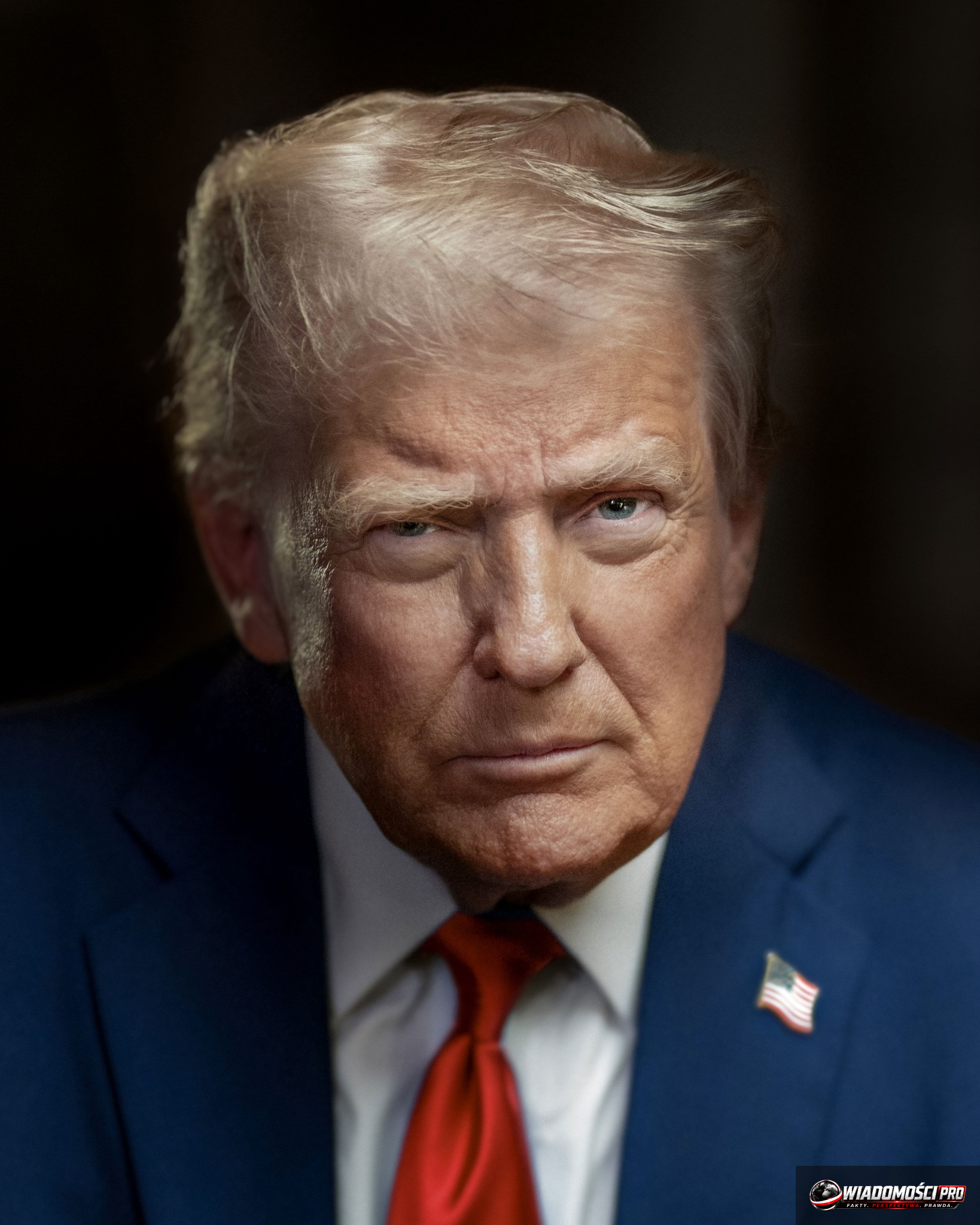
The South Korean government has officially rejected the Donald Trump administration's demands to send troops to protect shipping in the Strait of Hormuz. Seoul made this decision guided by the need to maintain neutrality in the conflict with Iran and to protect its own energy interests. This decision marks the definitive end of months of pressure from Washington on its Asian ally.
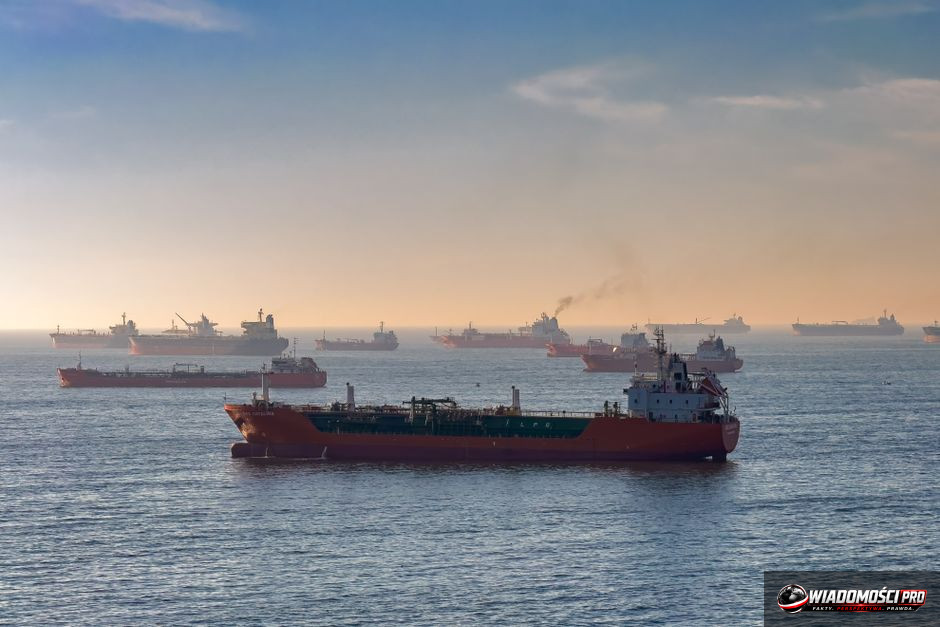
The official statement from the presidential office in Seoul leaves no room for interpretation. The Donald Trump administration, seeking to build an international coalition to ensure the safety of tankers in the Persian Gulf, expected active participation from South Korea, including the deployment of naval units. Seoul's refusal is the result of cold economic calculation. Korea, the fourth-largest economy in Asia, is almost entirely dependent on imports of crude oil and natural gas. Over 70 percent of the crude oil reaching South Korean refineries comes from Middle Eastern countries, and a significant portion of this volume is transported through the bottleneck of the Strait of Hormuz.
Experts from the Ministry of Trade, Industry and Energy in Seoul have repeatedly pointed to the extreme sensitivity of the Korean industry to any disruptions in this region. If the route were blocked by Iran, the logistical costs of transporting raw materials would rise drastically due to the need to bypass the threatened waters. Estimates indicate that every additional day of a tanker's voyage translates into measurable losses for corporations such as SK Innovation or S-Oil. These costs do not remain without impact on the wallets of citizens. A $10 per barrel increase in global oil prices means, in Korean conditions, real fuel price hikes at gas stations of about 3 to 5 percent per month, which directly hits consumer inflation.
Seoul sets limits on American pressure
Since the beginning of 2026, the Trump administration has exerted strong pressure on allies, arguing that protecting shipping is a shared responsibility in the fight against Iranian "energy blackmail." Seoul, while remaining one of the most important US allies in the region, decided that participating in a military operation would cross a red line. Iran, which for decades has been an important trading partner for South Korea, clearly communicated that any form of military involvement by Seoul in a coalition under Washington's aegis would be considered a hostile act.
For decision-makers in Seoul, this situation was a stalemate. On one hand, there is a defense alliance with the USA that provides a security umbrella against the threat from North Korea. On the other – the necessity of maintaining relations with Tehran, which possesses the tools to paralyze Korean interests in the region. Officials from the Ministry of Foreign Affairs in Seoul admit in unofficial conversations that they fear not only the suspension of oil supplies but also retaliatory actions against Korean construction and technology firms carrying out projects in the Middle East. Tehran has repeatedly suggested that it could hinder the operations of Korean entities, which for Seoul would mean the loss of contracts worth billions of dollars.
It is worth noting that South Korean diplomacy has tried to avoid confrontation over the past few months by conducting behind-the-scenes negotiations. The government in Seoul tried to convince Washington that their support could be purely logistical or diplomatic, without sending combat ships. The Trump administration, however, rejected such a solution, demanding "hard security guarantees" in the form of a military presence. Seoul's refusal is therefore a signal that autonomy in foreign policy is becoming a priority for South Korea. This move closes the stage of full submission to White House demands on issues that, in Seoul's assessment, harm direct national interests.
The Strait of Hormuz as an artery of economic life
South Korea's economy is based on the export of high-value-added products, such as semiconductors, consumer electronics, and automobiles. The production of these goods requires massive amounts of energy. The petrochemical industry, which is one of the main pillars of Korean exports, is almost entirely powered by raw materials from the Persian Gulf region. The Strait of Hormuz, through which nearly 20 million barrels of oil flow daily, is a strategic bottleneck for Korea.
Statistics show that South Korea imports over 75 percent of its crude oil needs from Persian Gulf countries, including Saudi Arabia, Iraq, and Kuwait. Every ship sailing to ports in Ulsan or Yeosu must pass through these waters. In a situation where tensions between Washington and Tehran are reaching their peak, the risk of an armed incident that could lead to a temporary closure of the strait is a catastrophic scenario for Seoul. If the route were blocked, Korean refineries would have to look for alternative suppliers, which would involve the need to use more expensive transport from the USA or West Africa.
Analyses prepared by the Korea Energy Economics Institute indicate that bypassing the Strait of Hormuz would extend delivery times by about 15 to 20 days. This is not only an increase in freight costs but also a risk of destabilizing supply chains, which in the semiconductor industry are calculated to the hour. For giants like Samsung Electronics or Hyundai Motor, the interruption of raw material supply continuity would mean production downtime. The cost of downtime for one production line in a semiconductor factory is counted in millions of dollars for every hour. Therefore, the decision to refuse to send troops is a matter of survival for these companies' boards.
In this situation, the government in Seoul found itself in a bind. It was understood that the presence of Korean ships in the Strait of Hormuz would not realistically increase the safety of tankers, but would only make them a target for Iranian naval forces. Tehran possesses a wide arsenal of naval mines, fast patrol boats, and anti-ship missiles that are capable of effectively blocking traffic in the strait. Korean military analysts point out that even with American support, the risk of losses in the Korean contingent is unacceptable to public opinion. Seoul is therefore choosing the path of diplomacy, trying to convince both sides to limit military actions in this area.
Relations with Iran: History and pragmatism
Seoul's relations with Tehran have a long history that goes beyond pure trade. For years, Korean construction firms were key contractors for Iranian infrastructure, from refineries to roads and tunnels. Despite sanctions imposed on Iran, South Korea tried to maintain communication channels, which often put it in conflict with Washington. The issue of frozen Iranian assets in Korean banks, resulting from US sanctions, was one of the most difficult points in the dialogue between the two countries.
The decision not to send troops to the Strait of Hormuz is perceived by Tehran as a gesture of goodwill. The Iranian Foreign Ministry emphasized in unofficial communications that it appreciates Seoul's "independent stance." For Korean diplomacy, this is an opportunity to negotiate the unfreezing of some financial resources or to improve conditions for Korean firms in Iran after the conflict eventually subsides. Korea does not want to be associated with the American "maximum pressure" policy, which in the eyes of many countries in the region is seen as destabilizing.
It is worth noting that South Korea is one of the few US allies that so openly communicates its refusal on a military issue. Most European countries, although also reluctant to get involved, usually use more veiled rhetoric. Seoul, however, opted for a clear message. This is pragmatism forced by the specifics of an economy that has no room for supply errors. The Korean government is well aware that in the event of an escalation, energy prices will be the first indicator to react on the Seoul stock exchange.
However, it is no secret that this policy has its opponents within the country. The conservative wing of South Korean politics believes that the refusal is a sign of weakness and could weaken Washington's trust in Seoul. They argue that Korea's long-term security is closely linked to the American nuclear umbrella and that a refusal on the Strait of Hormuz issue could make the USA treat Korea as a less reliable partner. The government in Seoul refutes these charges, pointing to the need to diversify energy sources.
Alliance with the USA: Are we facing a diplomatic crisis?
US-Korean relations have always been based on the foundation of mutual benefits. Washington provides security against the nuclear threat from Pyongyang, and Seoul supports the American presence in the Indo-Pacific region. However, the Donald Trump administration introduced an element of hard transactionalism into this arrangement. Demands regarding participation in operations in the Middle East are part of a broader strategy of shifting the burden of maintaining global order onto allies.
The rejection of the request to send troops to the Strait of Hormuz caused irritation in Washington. The White House does not hide that it expected full commitment from Seoul. Unofficial signals from the Trump administration's circle suggest that the refusal could have consequences in the area of trade negotiations. There is talk of potential restrictions on access to the American market for Korean steel or electronics, although no concrete decisions on this matter have been made. Seoul is therefore risking that short-term energy security will be paid for with long-term problems in trade with the USA.
Korean diplomats are trying to minimize tensions, emphasizing that the alliance with the USA remains "unwaveringly strong." Behind the scenes, it is said that Seoul has proposed increasing spending on maintaining American military bases on the Korean Peninsula, which is intended to be a kind of "compensation" for the lack of support in the Strait of Hormuz. This is a classic example of diplomacy, where one side tries to soothe the dissatisfaction of a superpower by offering concessions in areas that are less sensitive to it than direct military involvement in a conflict it does not believe in.
But will Washington accept this form of payment? That remains the biggest unknown. The Trump administration has repeatedly shown that it is not interested in half-measures. If the White House decides that South Korea has become a "free rider" on global security, relations could cool further. For the average Korean, this means uncertainty. On one hand, rising energy prices, and on the other — the fear that political tensions with the USA could affect the stability of the entire region.
International reactions and regional perspective
Seoul's decision resonated widely in other Asian capitals. Japan, which is also heavily dependent on oil imports from the Middle East, adopted a similar strategy, although it communicates it in a more subdued way. Tokyo also did not send its troops to the coalition, arguing this with constitutional limitations, which allows it to avoid a direct diplomatic conflict with Washington. Seoul, not having such legal restrictions, had to put the matter bluntly, which makes its decision more distinct against the background of other countries.
Other countries in the region, such as China, are watching the situation with attention. Beijing, which is the main recipient of Iranian oil, has opposed the American presence in the Persian Gulf from the beginning. Seoul's refusal is a signal to China that American policy in Asia is encountering increasing resistance, even from Washington's closest allies. This could lead to a further reshuffling of forces in the region, where countries are increasingly prioritizing their own economic interests over the global agenda of superpowers.
It is worth noting that Persian Gulf countries, although concerned about Tehran's actions, are also not eager for the full militarization of the strait. Saudi Arabia or the United Arab Emirates are trying to balance between cooperation with the USA and avoiding open conflict with Iran. In this context, Seoul's refusal fits into a broader regional trend in which states try to avoid the role of pawns in the great game of superpowers. For Seoul, this is a confirmation of the correctness of the chosen path – neutrality is not seen here as a withdrawal, but as a conscious strategy to protect its own resources.
What has not been officially confirmed, however, is whether pressure from the USA will continue in other areas, for example in negotiations on a new free trade agreement. It is only known that representatives of the trade ministries of both countries are conducting regular consultations, in which the issue of energy security appears as one of the most important points of contention. The lack of public information on this subject suggests that both sides are trying not to escalate the dispute in the media, which may be a good omen for the future of bilateral relations.
The future of Seoul's defense policy
The refusal regarding the Strait of Hormuz marks a new path in South Korea's defense policy. Seoul is setting a clear barrier to American demands if they conflict with direct energy security. This is not a signal of isolationism, but a pragmatic withdrawal from the policy of "outsourcing" security, which the Trump administration demanded. South Korea is beginning to speak more loudly about the need to build its own capabilities to secure supply chains, instead of relying solely on the American fleet.
Seoul is intensifying its strategy of diversifying energy sources. Instead of engaging in naval patrols, the government is focusing on expanding its base of suppliers. Planned investments in LNG terminals and the search for new sources of natural gas in other regions of the world are aimed at reducing dependence on oil transported through the Strait of Hormuz. This is a safer direction than confrontation with Tehran. The Ministry of Foreign Affairs in Seoul has not disclosed detailed purchasing plans for the coming years, so one must rely on current declarations about maintaining market flexibility.
The risk, however, remains high. Every step toward greater energy independence requires precise negotiations with other players in the region. Seoul must now prove that it can maintain its independence without losing protection from the USA. This is a task for diplomats who must balance on a thin line. Instead of supporting strictly American operations, Seoul intends to maintain its involvement in peacekeeping missions under the aegis of the UN. This is a clear message: South Korea wants to be seen as a stabilizing state, and not as the armed arm of Washington in the Middle East.
Such a stance has its political costs in the White House, where the loyalty of allies is often measured by the presence of their flags on the decks of American ships. Will the Trump administration draw consequences from this in the area of trade agreements? This has not been officially confirmed, however, behind the scenes, there is talk of a cooling of relations on military issues. Seoul is taking a risk, but it apparently decided that the price for being a gendarme in someone else's conflict is too high. For the Korean taxpayer, this decision means one thing: the stability of fuel prices is more important than participation in foreign military operations.
What this means for you
Seoul's decision is a clear signal that even for the closest US allies, national interests take precedence over Washington's requests. Relations with Tehran gain from this, while Donald Trump's influence in the region loses, which may lead to the renegotiation of the terms of the US military presence in Korea. For the average resident of Seoul or Busan, this means, above all, an attempt to avoid sharp increases in fuel prices, which would be inevitable in the event of full military involvement in the Persian Gulf. This is pragmatism, which in Washington is sometimes called a lack of loyalty, but in Seoul is treated as the only responsible path for a state whose economy hangs by a thread crossing the waters of the Gulf.
Questions and answers
Will South Korea send any support to the region?
No, the government officially rejected the demand to send troops, opting to maintain neutrality in the conflict.
Why was the Trump administration pressuring Seoul?
The USA sought to internationalize operations in the Strait of Hormuz in order to protect shipping from the threat posed by Iran, wanting allies to also bear the costs and operational risks.
What are South Korea's main concerns regarding the conflict in the Gulf?
The main concern is the interruption of crude oil supplies, which are essential for the stability of the South Korean petrochemical and electronics industry, as well as the risk of striking at Korean companies operating in the Middle East.
Will this decision affect the alliance with the USA?
This is a real threat. Although the alliance officially remains the foundation of Korea's security, this decision creates a new chapter in relations, in which Seoul sets clear limits on American demands, which may result in a revision of the terms of military and trade cooperation.
Article prepared by the Wiadomości PRO editorial team with the support of artificial intelligence. Facts come from the sources provided above.

Komentarze (0)
Ładowanie komentarzy...