
In brief
- 13 new Volvo models will debut on the market by 2030.
- The brand is moving away from a 100% electrification strategy in favor of plug-in hybrids and internal combustion engine cars.
- The offer will include modernized XC40, XC60, and XC90 hybrids, as well as highly anticipated station wagon bodies.
The end of the 100% electric era – why is Volvo changing its strategy?
The end of the 100% electric era – why is Volvo changing its strategy?
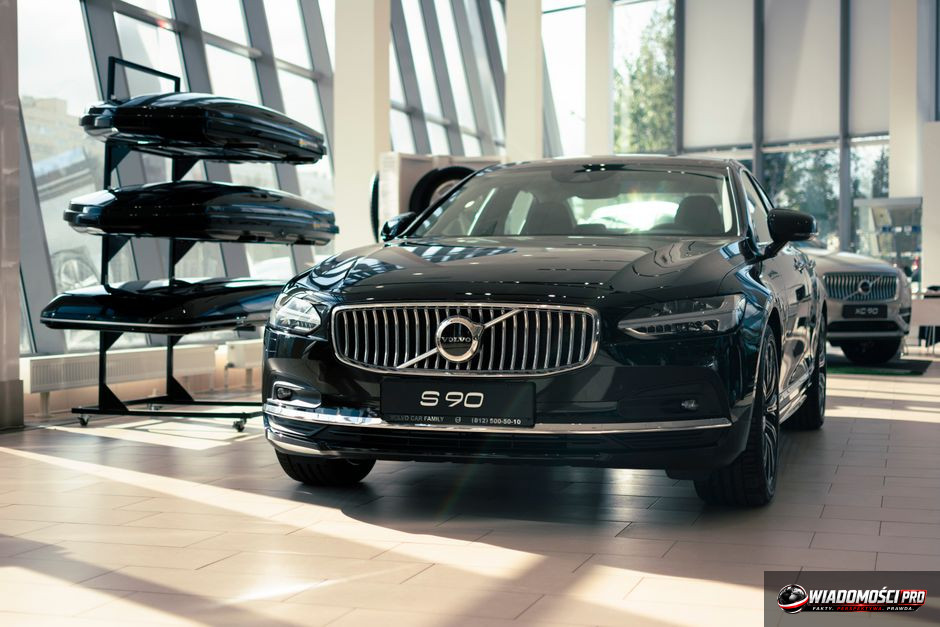
The Swedish brand is officially withdrawing from its ambitious plan to produce only electric cars. This information was confirmed by today's reports from motoryzacja.interia.pl, definitively closing the chapter in which Volvo aimed for full electrification of its lineup. This is a hard landing, as the previous strategy, while marketing-attractive, collided with the brutal reality of the market. Customers, instead of uncritically switching to electric power, are increasingly asking for flexibility and range, which battery-powered drives still do not guarantee in all conditions.
The situation forced a course correction. Volvo is not abandoning zero-emission technology, but it is changing the proportions. Instead of betting everything on one card, the manufacturer is focusing on plug-in hybrids with significantly larger batteries. This is a pragmatic move. It allows the brand to maintain sales in segments where a pure electric car is still too expensive or impractical for the user. From a dealer's perspective, it is a sigh of relief; from a customer's perspective, it is a chance for a car that does not require changing habits when planning longer trips.
The manufacturer plans to introduce 13 new models by 2030, making this period the largest product offensive in the company's history. Interestingly, the plans include a return to the classic station wagon body style, which is a clear nod to the conservative part of the customer base. Volvo has realized that forcing buyers to choose between an SUV and an electric car was a mistake. Now, the brand is trying to win back those who felt excluded from the model range. The question, however, is whether this 180-degree turn comes too late to stop the outflow of capital to Asian competitors, who continue to set the pace in the electric car segment without regard for the old habits of European drivers.
13 new models: what do we know about the product offensive?
Volvo has announced the introduction of 13 completely new models by 2030. According to reports from September 17, 2026, published by the websites samar.pl and Autokult, this is the largest product offensive in the entire history of the Swedish brand to date.
The change of course is evident. No more dogmatic adherence to electric drives only. The manufacturer is correcting its strategy, which means that we will not see only electric cars in showrooms. Instead, the brand is returning to its roots, focusing on plug-in hybrids with significantly increased batteries and, which is important news for many customers, the renewed development of station wagons.
- By 2030, the range will grow by 13 new models.
- The plug-in hybrid offer will be expanded, and batteries will gain more capacity.
- The manufacturer is focusing on a return to station wagon bodies, as reported by otomoto.pl.
- The offensive is based on closer cooperation with the Geely group, as confirmed by findings from MagazynAuto.pl.
This is not just a technical expansion of the offer. It is a quiet admission that the market is not ready for full electrification at the pace that was planned. Volvo, which until recently was considered one of the most radical proponents of abandoning internal combustion engines, is now making a sharp U-turn. For drivers, this is good news because they gain more choice. For investors, however, it is a warning signal. Frequent changes in direction rarely build confidence in a long-term strategy, and balancing between hybrids and full electric power requires huge financial outlays. The question remains whether Swedish engineering will cope with such diversification of the offer without a negative impact on the quality of finish.
The great return of the station wagon – Volvo focuses on classic bodies
The great return of the station wagon – Volvo focuses on classic bodies
The Swedish brand is officially abandoning the rigorous plan of total electrification of its range. The change of course, confirmed by the manufacturer on September 18, 2026, carries specific consequences for designers. Volvo is not only stopping the expansion of "battery-only" cars but, as part of the planned offensive of 13 new models, intends to bring back station wagon bodies. This is a signal that the market, despite the ubiquitous fashion for SUVs, still demands classic, practical solutions.
Information about the return of the station wagon to the manufacturer's portfolio was provided by the website otomoto.pl on September 18, 2026. For customers who nostalgically remember the V-series models, this is an important turn. In recent years, Volvo has consistently shifted the emphasis toward higher-riding electric cars, which many drivers perceived as the marginalization of traditional, low-profile family models. Now, the strategy of 13 new launches by 2030 includes a correction of this trend.
The Swedes' decision seems pragmatic rather than sentimental. Plug-in hybrids with larger batteries, which are to be placed under the hoods of upcoming new products, require appropriate body architecture. A station wagon with a low center of gravity handles the challenges posed by the additional weight of batteries much better than tall, heavy SUVs.
However, one must ask about the scale of this return. Will Volvo risk introducing completely new styling lines, or will it rather refresh known designs just to fill a gap in the offer? For now, the manufacturer is silent on the specific dimensions or trunk capacities of the upcoming station wagons. We only know that a change in body design is included in the company's official plans. This is a bold move toward customers who do not want to give up the comfort of a traditional station wagon for forced market trends.
Hybrids with longer range: XC40, XC60, and XC90 in a new edition
Hybrids with longer range: XC40, XC60, and XC90 in a new edition
The pillars of this change are popular SUVs, which were supposed to give way to fully electric successors. Instead of abandoning combustion units, Volvo is extending their market life by focusing on much more efficient plug-in hybrid systems. This is a pragmatic move intended to reassure customers discouraged by the limited range of current "electric cars" and high purchase prices.
The strategy for modernizing the existing range is as follows:
- The XC40, XC60, and XC90 models will receive larger batteries in plug-in hybrid versions, which will directly translate into a longer range in zero-emission mode (source: Autocentrum.pl, 11.05.2026).
The decision to pack higher-capacity batteries into already proven designs is a signal in the automotive industry of a clear braking before a dead end, into which Volvo had driven by previously announcing a plan for total electrification. Engineers from Sweden are not building new platforms from scratch but are squeezing the maximum out of an architecture that still sells perfectly.
For the average driver, this means less stress when planning longer trips. Increasing battery capacity in hybrids is also a nod to fleet users who account for fuel costs and must meet stringent emission standards but do not want to become dependent on public chargers. The catch lies in the vehicle's curb weight – larger batteries mean extra kilograms that will affect driving dynamics and fuel consumption when the battery power runs out. Volvo is therefore risking slightly higher fuel consumption in the mixed cycle, counting on customers to forgive this in exchange for peace of mind. This is no longer a chase for a digital utopia, but a sober calculation based on what the market really needs in 2026.
Geely as a key partner in the development of the new range
Geely as a key partner in the development of the new range
Volvo does not operate in a vacuum, and the implementation of the ambitious plan to introduce 13 new models by 2030 is largely based on strengthening ties with its Chinese owner. According to information from September 18, 2026, published by MagazynAuto.pl, the brand is officially announcing stronger cooperation with the Geely group. This is not just a technical exchange of components, but a deep integration intended to bear the weight of such a broad product offensive.
For Volvo, such reliance on Geely's resources is the only rational way to not only refresh the range in such a short time but to actually rebuild it. The manufacturer wants to move away from rigidly sticking to electric cars only, focusing on plug-in hybrids with larger batteries. The construction of a new platform for these cars, capable of accommodating more capacious batteries, requires gigantic outlays on research and development. This is where Geely comes in with its already existing solutions.
The catch? Dependence on the Chinese giant is becoming essentially total. The Gothenburg-based brand gains access to ready-made technologies but loses some of its decision-making autonomy regarding the selection of components. In practice, this means that the architecture of future Volvo station wagons or SUVs will be a technological twin of solutions already being tested or implemented by brands in the Geely portfolio.
For engineers, this means a faster pace of work, but for brand purists, the signal is clear: the Swedish pedigree inside the construction is becoming increasingly nominal. Volvo is betting on survival and market flexibility, and the price for this is deeper and deeper unification with Chinese partners. Without Geely's support, the plan for 13 launches would remain only on paper.
The future of Volvo: between tradition and modern technology
Volvo is officially correcting its strategic plans, abandoning the vision of a brand producing only electric cars. Instead, the Swedes have announced an offensive including 13 new models that will hit the market by 2030. This change of course is not just a portfolio correction, but a clear signal that the manufacturer has listened to the voice of the market and the expectations of customers who are still not ready to completely give up internal combustion engines.
The new strategy is based on two pillars. The first is the development of plug-in hybrids, which will receive batteries with higher capacity. This is a direct response to the need for a longer range in zero-emission mode while maintaining the comfort of long trips on conventional fuel. The second, perhaps more important for the brand's image, is the return to the classic station wagon body. After years of SUV dominance, Volvo wants to remind customers of its roots, combining a traditional silhouette with modern drive technology.
As follows from reports by moto.wp.pl from September 17, 2026, the offensive includes both hybrid drives and a completely new approach to market segmentation. This move looks like an attempt to secure profitability. Pure electrification proved expensive and risky in the face of fluctuating demand, which is why flexibility has become a priority.
For the brand, this is a difficult balance. On one hand, Volvo must chase tightening emission standards; on the other, it wants to keep loyal customers who have previously chosen Swedish cars for their practicality, not just for ecological certificates. The question remains open: will the return to plug-in hybrids and station wagons be enough to defend margins in a world where competition from Asia competes on price, not just sentiment for old models? The manufacturer is not yet revealing technical details of individual launches, but the direction is already clear. Volvo is back in the game on its own terms.
What this means for you
For customers, the change means greater flexibility in choosing drives and the retention of popular station wagon bodies. The catch lies in the reputational risk – Volvo is withdrawing from the role of a pioneer of full electrification, which may discourage the most radical supporters of zero-emission, but will allow the brand to increase its market share thanks to more affordable hybrids.
Questions and answers
Is Volvo completely giving up on electric cars?
No, the brand will continue to develop electric cars, but it is abandoning the plan for exclusive production of such cars in favor of a wide range of plug-in hybrids and combustion engine vehicles.
When will all 13 new models debut?
Volvo's full product offensive involves the introduction of 13 new models successively until 2030.
What will change in the popular XC40, XC60, and XC90 SUVs?
These models will be modernized through the use of larger batteries in plug-in hybrid systems, which will allow for an increase in range in electric mode.
Sources
- Major Volvo strategy change. No longer wants to produce only electric cars - motoryzacja.interia.pl
- Volvo Cars focuses on 13 new models - samar.pl
- Volvo will shower us with novelties. In the plans: the great return of the station wagon - otomoto.pl
- Volvo on the verge of the biggest offensive in its history. Also announces stronger cooperation with Geely - MagazynAuto.pl
- Volvo preparing the biggest offensive in history. 13 new models by 2030 - Autokult
- Volvo's biggest product offensive in history. As many as 13 new models will appear - WRC.net.pl
- Volvo plans 13 launches by 2030. Not just electrics and SUVs - moto.wp.pl
- New Volvo XC40, XC60, and XC90 will get larger batteries. These are the brand's last such plug-in hybrids - Autocentrum.pl
Article prepared by the Wiadomości PRO editorial team with the support of artificial intelligence. Facts come from the sources listed above.

Komentarze (0)
Ładowanie komentarzy...