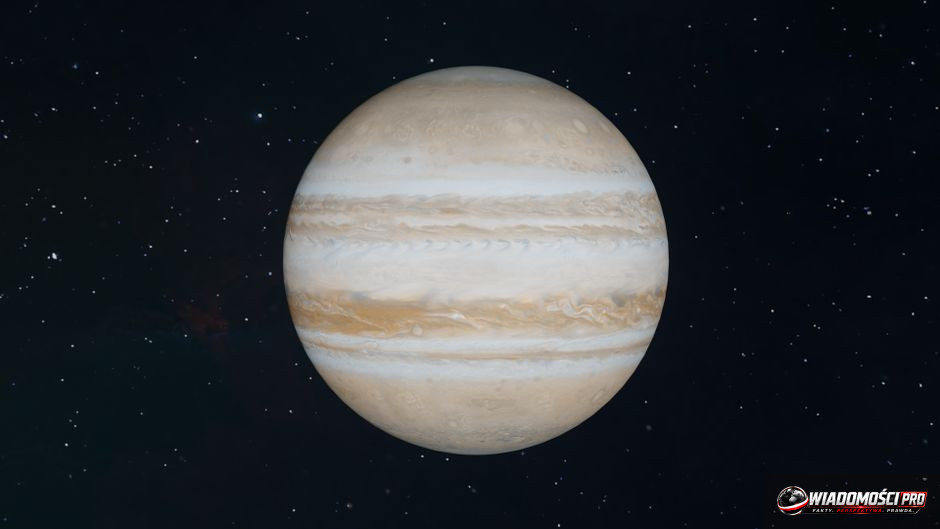
The total cost of the Europa Clipper mission is estimated at approximately 5 billion dollars, and the probe, launched in October 2024, is expected to reach the Jovian system in 2030. This investment represents one of the most ambitious projects carried out by the Jet Propulsion Laboratory in Pasadena. NASA is going all-in, sending the most advanced laboratory in history directly into the zone of intense radiation surrounding the largest planet in the Solar System.
Scientific goals of the Europa Clipper mission
Europa, the fourth-largest moon of Jupiter, has fascinated astrobiologists for years due to theories about the existence of a global ocean beneath a thick layer of ice. The probe does not have a lander because the surface environment is too hostile for electronics. Instead, the vehicle will perform a series of close flybys – 49 such encounters are planned. The main goal is to characterize the icy shell, the thickness of which is estimated to be between 15 and 25 kilometers.
Scientists want to understand the dynamics of the interaction between the ocean and the surface. A significant question is whether water from the depths breaks through the ice, creating water vapor plumes similar to those observed on Enceladus, a moon of Saturn. The probe's instruments will study the chemical composition of these potential ejections. The probe carries a camera that will perform high-resolution surface mapping to identify areas of increased geological activity.
In the search for biological traces, Europa Clipper will focus on identifying organic compounds, salts, and other chemical materials. Magnetometer measurements will allow for an accurate determination of the ocean's electrical conductivity, which will indicate the salinity level of the water. The higher the salinity, the greater the probability of stable conditions for chemical processes that we consider the foundations of life. This analysis will not provide photos of organisms, but it will provide hard data on the availability of chemical energy in this isolated environment.
The constant tidal interactions of Jupiter stretch and compress Europa. This friction generates heat inside the moon. Without this mechanism, the ocean would have frozen long ago, becoming a dead block of ice. The probe will assess how this heat is distributed and whether hydrothermal vents exist there. Such objects on the floors of Earth's oceans are oases of life, independent of photosynthesis. If Europa Clipper confirms the presence of similar structures, the significance of this discovery for astrobiology will be fundamental.
Schedule: From launch to entering Jupiter's orbit
The mission's logistics involve a complex journey through the interior of the Solar System. The launch, which took place in October 2024, was only the beginning of the cruise phase. The probe does not travel in a straight line. To gain sufficient speed within fuel constraints, engineers planned gravity assists.
In February 2025, Europa Clipper will perform a flyby maneuver of Mars. Then, in December 2026, it will return near Earth to use a gravity assist to "slingshot" toward the outer planets. These maneuvers are necessary to enter Jupiter's orbit in 2030. Any delay in trajectory synchronization could jeopardize years of preparation.
Upon reaching the Jovian system in 2030, the probe will not enter Europa's orbit directly, but rather an orbit around Jupiter itself. This is dictated by the need to protect systems from destructive radiation. Europa is located deep within the planet's magnetosphere, which accelerates charged particles to enormous energies. The probe will regularly "dive" near the moon, performing close approaches at altitudes ranging from 25 to 2,700 kilometers above the surface.
Between flybys, Europa Clipper will spend most of its time at a safer distance from Jupiter, transmitting collected data to Earth. Each flyby is an intense period of instrument operation. The instruments must collect maximum information within a few hours before the probe moves away from the moon again. This operational cycle will last three years. After the primary mission ends, if the technical condition allows, NASA may decide to extend the research period.
Technologies on board: What is the probe studying?
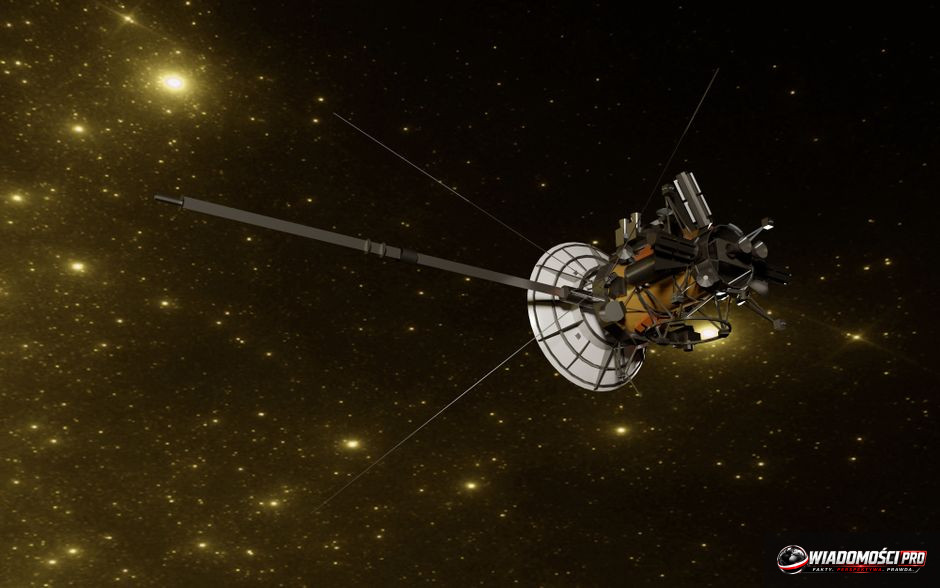
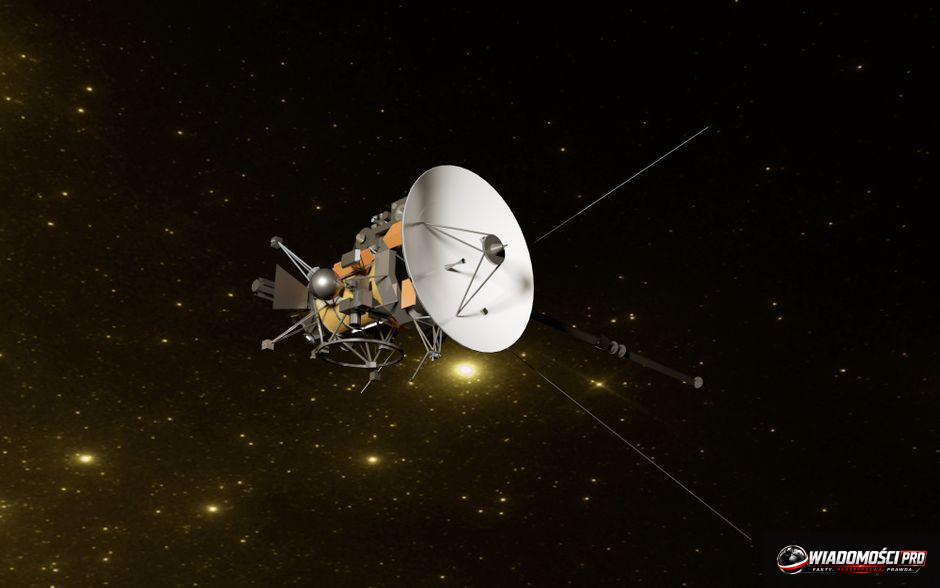
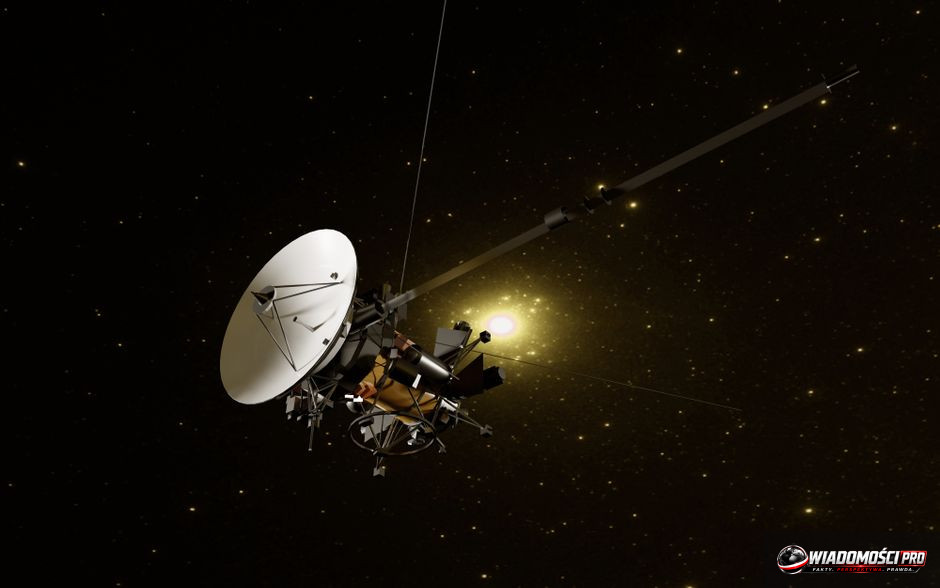
Europa Clipper is a machine of unprecedented dimensions. The solar array span is over 30 meters, making it the largest planetary probe ever built by NASA. Such a large surface area is necessary because at Jupiter's distance from the Sun, the intensity of solar radiation is over 25 times lower than in the vicinity of Earth. Without such an efficient power system, operating high-power-consumption equipment would be impossible.
The heart of the electronics protection is a special vault with walls made of titanium and aluminum. Its task is to physically block radiation that would otherwise quickly lead to the degradation of processors and sensors. Most of the key computer components are placed inside the vault. This solution is the result of experience from previous missions, such as Galileo, which suffered due to constant bombardment by charged particles.
The scientific instrumentation is extremely diverse. The REASON radar (Radar for Europa Assessment and Sounding: Ocean to Near-surface) will allow for scanning the interior of the icy shell. This device uses radio waves to detect pockets of liquid water hidden inside the ice. Meanwhile, the MISE (Mapping Imaging Spectrometer for Europa) will map the distribution of ice, salts, and organic compounds on the surface.
Another key element is MASPEX (Mass Spectrometer for Planetary Exploration). This instrument will analyze the chemical composition of Europa's atmosphere by capturing particles ejected from the surface. This will allow for remote analysis of the ocean's chemistry without the need for direct contact with the water. The ECM (Europa Clipper Magnetometer) will measure the moon's magnetic field, which will allow for an assessment of the ocean's thickness and depth. Each of these instruments has been designed to minimize the risk of failure in such a high-radiation environment.
Message in a bottle: The human element in space
NASA decided on a symbolic gesture by placing a microchip on board the probe with the names of volunteers from all over the world. This action, although it does not affect scientific results, was intended to emphasize the universal dimension of space exploration. The titanium plate, in addition to names, also contains engraved poems and graphics referring to the relationship between Jupiter and its moons.
This is a tradition dating back to the Voyager probes, which carried the famous golden records. In the case of Europa Clipper, the physical presence of human names on board a probe costing billions of dollars provides a contrast to the cold technical data. For the engineers at JPL, it is a reminder that the mission is not just about gaining knowledge, but also represents the aspirations of the species. When the probe begins its research in 2030, every person whose name is on the chip will be, in a sense, "present" at one of the most fascinating discoveries in the history of astronomy.
The race to discover life in the Solar System
The American mission is part of a broad race to understand icy moons. The European Space Agency (ESA) launched the JUICE (JUpiter ICy moons Explorer) probe in 2023, which is also heading toward Jupiter. Although the goals of both missions overlap to some extent, their approaches are different. JUICE will focus on studying Ganymede, Callisto, and Europa, while Europa Clipper is dedicated exclusively to the latter.
This cooperation and competition simultaneously allow for the optimization of scientific costs. Data from both probes will complement each other, creating a fuller picture of the Jovian system. NASA, however, has a larger budget, which has translated into the dedicated, heavy construction of Europa Clipper. The Americans opted for specialization – the probe does not study everything, but maximizes the chances of discovering biosignatures on one specific object.
NASA's strategy assumes that Europa is the most likely place outside of Earth where life could have survived to this day. The European approach is more holistic, studying the evolution of all the large moons of the gas giant. Both agencies cooperate in terms of data exchange, which will allow for avoiding duplication of efforts. After 2030, when both probes are already in the system, data from their instruments will create the most accurate atlas of icy worlds in history.
Costs and project financing
The mission's budget of 5 billion dollars is a subject of debate in the US Congress. This amount includes not only the construction of the probe itself but also the development of new radiation shielding technologies, tests in chambers simulating space conditions, and years of maintenance for the operations team. The project's funding is spread over more than a decade, which allows for stable work planning but also makes the mission susceptible to changes in NASA's budget priorities.
Expenditures are divided into several main categories. The largest portion was consumed by the construction and integration of scientific instruments. Each sensor had to undergo rigorous testing in extremely low temperatures and high radiation intensity. Another element of the costs is the maintenance of the Deep Space Network, which will ensure communication with the probe throughout the duration of the mission. Sending data from hundreds of millions of kilometers away requires enormous transmission power and precise ground antennas.
It is worth noting that the operational cost calculations also include the costs of the launch vehicle itself. The mission's launch required a powerful unit capable of lifting a heavy payload onto an interplanetary trajectory. The choice of the rocket contractor was preceded by years of tenders. Every aspect of this mission, from the smallest processor to the solar panels, was subject to rigorous quality control, which directly influenced the final valuation of the project.
Critics point out that such high financial outlays could have been allocated to smaller missions, e.g., to Mars or Venus. NASA argues, however, that Europa is a unique target that cannot be studied using standard, "off-the-shelf" technological solutions. The cost of 5 billion dollars reflects the price for entering a level of technology that will allow for safe survival in the most difficult natural environment that space engineers have ever faced.
What this means for you
Europa Clipper pushes the boundaries of what we understand by the concept of "possible." For the average observer, this mission means that in the coming years, science will provide hard evidence as to whether Europa's ocean is merely a chemical curiosity or a vibrant ecosystem. The success of this mission will change our understanding of humanity's place in the cosmos.
However, it should be remembered that science does not always provide the expected answers. There is a possibility that the probe will send data that does not confirm the existence of life, but merely rules out some of our hypotheses. Even in such a scenario, this mission will not be a failure. Understanding why life did not arise in such favorable conditions will be just as valuable as its discovery. It is a lesson in humility regarding the scale of the universe, for which we are paying the price of five billion dollars.
Questions and answers
Why did NASA choose Europa and not another moon?
Europa is considered one of the most promising places in the Solar System due to the presence of a liquid ocean beneath a thick layer of ice. These conditions, combined with energy from Jupiter's tidal interactions, create an environment conducive to the chemical processes necessary for life.
Will the probe land on the moon's surface?
No, Europa Clipper is not a lander. The probe will conduct research during a series of flybys over the surface to avoid the destructive influence of Jupiter's radiation and to limit the risk of failure associated with the moon's difficult terrain.
How long will the trip to Jupiter take?
The probe needs about 6 years to reach the Jovian system, using gravity assist maneuvers at Mars and Earth, which allows for saving a significant amount of fuel.
What is the biggest threat to the probe?
The main threat is the radiation in Jupiter's environment. Charged particles accelerated by the planet's magnetic field can permanently damage electronics, which is why the probe has been equipped with a special titanium-aluminum protective vault.
Can the mission be extended?
Yes, if after the completion of the planned three-year research phase the probe retains technical efficiency and fuel resources, NASA may decide to extend the mission to collect more data from subsequent flybys.
Sources
- Start of the Europa Clipper mission to Europa - astronet.pl
- Europa Clipper probe to search for life on Europa - Urania - Polish Astronomical Portal
- Start of the Europa Clipper mission [BROADCAST]. Americans will overtake Europeans in the search for life on Europa - Wyborcza.pl
- Beginning of the Europa Clipper mission - Kosmonauta.net
- Searching for life in the Solar System outside Earth. NASA sends a mission - Geekweek Interia
- NASA sends a probe to Europa. The Europa Clipper mission has launched - WP Tech
- Flying to search for life. NASA mission launch in just three weeks - Antyweb
- NASA sends a "message in a bottle" into space. You can sign it! - Radio ESKA
Article prepared by the Wiadomości PRO editorial team with the support of artificial intelligence. Facts are derived from the sources listed above.
Komentarze (0)
Ładowanie komentarzy...