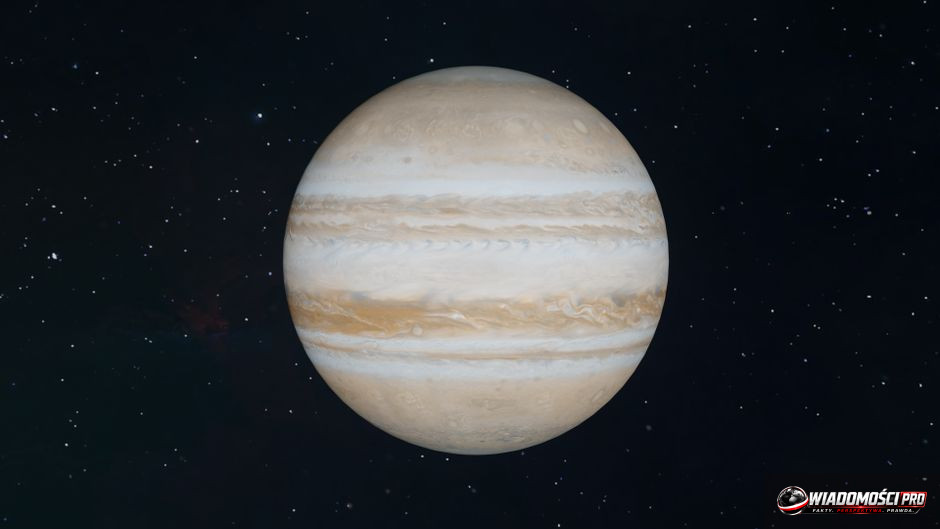
The Europa Clipper probe launched on October 14, 2024, and its main goal is to investigate the potential for life on Jupiter's icy moon – Europa. NASA is carrying out this project to check if a liquid water ocean, which could provide an environment conducive to biological processes, is hidden beneath a thick layer of ice. The entire operation represents one of the greatest engineering challenges in the agency's history, requiring precision at every stage – from the launch in Florida to the multi-year journey toward the outer regions of the Solar System.
Scientific goals and the search for life
Europa has been a focal point of astrobiological debate for decades. Scientists hypothesize that a global ocean exists beneath the moon's icy shell, containing more water than all of Earth's seas and oceans combined. The Europa Clipper probe was not designed to land on the surface, but to conduct a series of flybys in close proximity to the globe. During each of the planned research sessions, onboard instruments will analyze the chemical composition of the surface, searching for organic molecules and signals indicating geological activity.
The key question the mission team wants to answer concerns habitability. Is the water under the ice merely a chemical mixture, or is it an environment where the energy processes necessary for life occur? To verify this, the probe carries equipment capable of mapping the thickness of the icy shell and studying magnetic fields, which will allow for the determination of the depth and salinity of the hidden ocean. This approach differs from traditional lander missions. Instead of risking the placement of equipment on an uncertain, shifting surface, NASA is opting for multiple, precise "skims" of the moon, which allows for data collection from various areas of Europa while maintaining the safety of the unit.
The results of the research are intended to provide concrete evidence of whether the chemical ingredients necessary for life – carbon, hydrogen, nitrogen, oxygen, phosphorus, and sulfur – are present in the right proportions. If the probe confirms their presence in combination with appropriate temperatures and energy availability, Europa will become a priority for future missions, perhaps those that will attempt to drill through the ice. Currently, however, scientists are focusing on first understanding exactly what lies beneath our feet – or rather, beneath our telescopes.
Logistics and launch progress
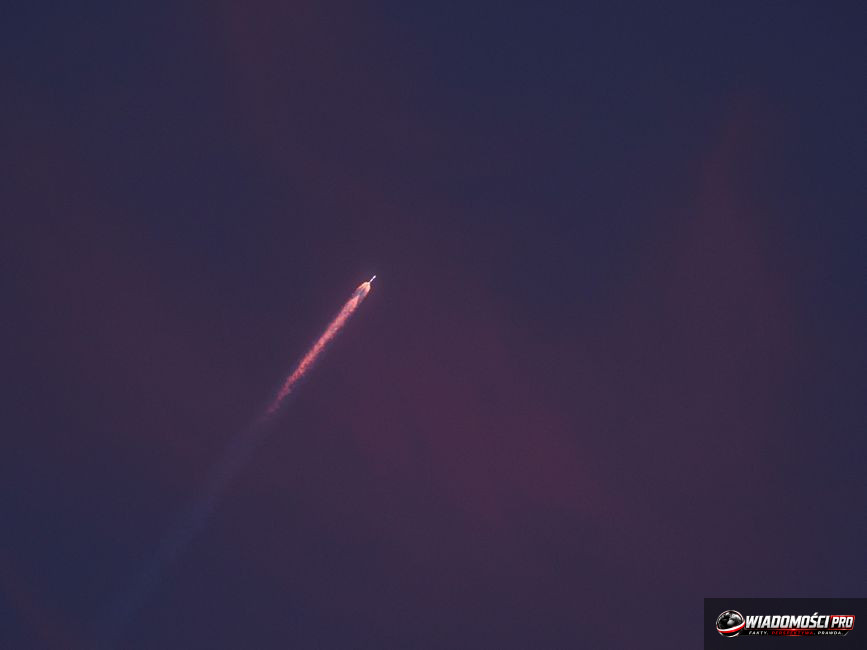
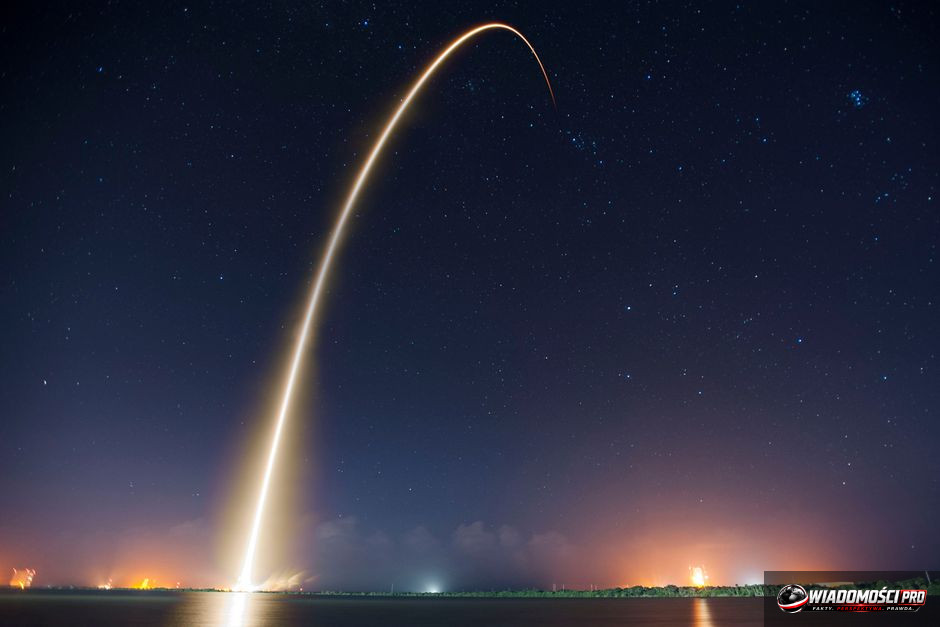
The execution of this mission required perfect coordination of logistical operations at the Kennedy Space Center. The probe was launched using a Falcon Heavy carrier rocket, which placed the payload on an interplanetary trajectory. This process was fraught with enormous risk, not only due to the technological complexity of the probe itself but also because of the unstable weather conditions in Florida. Hurricane Milton forced the NASA team to halt operations and secure the entire launch complex, which was necessary to protect infrastructure worth billions of dollars.
The cost of the mission is estimated at approximately $5 billion, making it one of the most expensive scientific endeavors by NASA in recent years. This funding covers the construction of the probe, the development of research instruments, launch support, and multi-year mission management after entering Jupiter's orbit. It is worth noting that these expenses are not limited to the construction itself, but also include the development of an extensive deep space communication network that will receive signals from hundreds of millions of kilometers away.
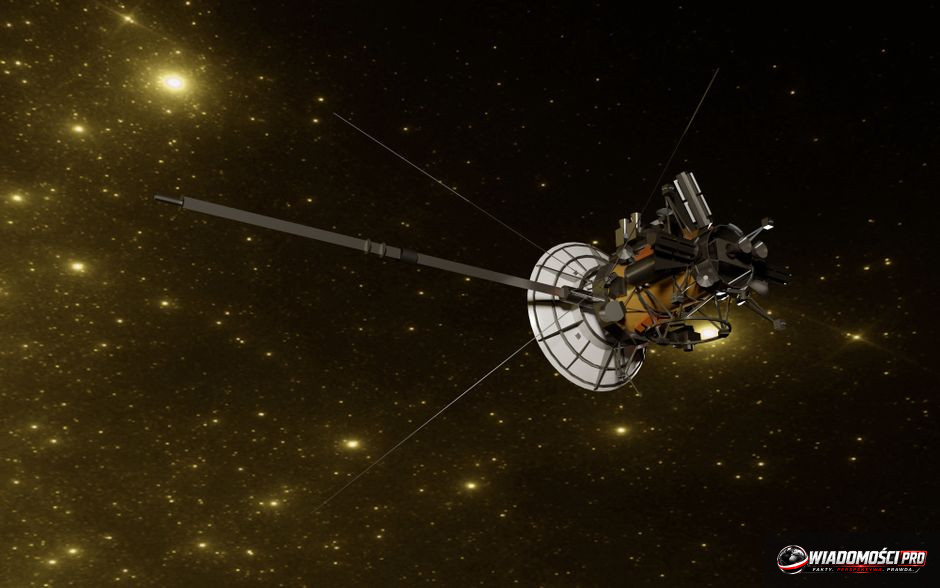
During preparations, engineers had to face a series of technical problems, including the need to protect electronics from radiation. Jupiter possesses one of the deadliest radiation environments in the Solar System. Every component of the probe was tested for resistance to bombardment by charged particles, which in the immediate vicinity of the planet could quickly destroy standard electronic systems. It is precisely these challenges that make Europa Clipper not so much a satellite as an armored laboratory capable of surviving in an extremely hostile environment.
Competition for space and power ambitions
Exploration of the Jovian system has become an arena for a kind of race in recent years, in which the United States strives to maintain its position as a leader. The decision to send Europa Clipper was dictated by a desire to secure American primacy in the study of extraterrestrial life. Although space missions are often presented as purely scientific endeavors, their implementation is inextricably linked to political and prestige issues. Washington, by investing such significant resources in a single project, clearly signals that it is American technology that is to be the first to provide answers to fundamental questions about the nature of the universe.
Relations with European partners, who were also planning their own research missions in the vicinity of Jupiter, are complex. NASA, thanks to its budget and vast engineering resources, has outpaced international consortia, which places American laboratories in the role of exclusive managers of upcoming data streams. For the scientific community, this means quick access to information, but for foreign partners, it may be a signal that in the "great game" for space, the strength of the national budget is what counts most.
Such a concentration of resources has its drawbacks. Focusing such large capital on a single project means that a potential failure of the mission would be a blow not only to science but also to NASA's image. Skeptics point out that the huge sums transferred to space research could be used in other ways, but supporters of the program argue that the knowledge gained about Europa's habitability potential is priceless. In public discourse, the question often arises whether it is worth risking billions of dollars to obtain an answer that may turn out to be disappointing. NASA's answer is clear: without taking the risk, we will remain in the realm of conjecture.
Technology in the service of science
Europa Clipper is equipped with a set of advanced instruments designed to "X-ray" the moon. Among them are high-resolution imaging systems, magnetometers, and ice-penetrating radars. Thanks to these tools, scientists will be able to create three-dimensional geological maps of the surface, which will allow them to understand the tectonic processes occurring beneath the ice. The probe is not only looking for life but also studying the geological history of Europa, which may be the key to understanding why this moon is so active despite its enormous distance from the Sun.
The design of the probe, with its powerful solar panels with a total area of over 90 square meters, has been optimized for operation in the low light conditions prevailing in the vicinity of Jupiter. The distance from the Sun means that the amount of incoming energy is many times less than on Earth, which forced engineers to develop extremely efficient energy management systems. Every watt of power is calculated to ensure the continuity of the measuring equipment.
It is worth noting the data transmission system. Due to the enormous distance, the speed of information transmission to Earth will be limited. The probe must therefore have advanced data storage and compression systems to effectively manage what it manages to record during flybys. This is not only a hardware challenge but also a software one – algorithms must independently decide which data are most valuable and should be sent first when the communication window is opened.
Challenges on the way to Jupiter
The probe's journey to the Jovian system is a long-term process that will take several years. The route is not a simple flight – Europa Clipper must perform a series of gravity assist maneuvers, using the gravitational pull of other planets to gain the speed necessary to reach its destination. Each of these maneuvers is a critical operation. A calculation error or a failure of the maneuvering engines at this moment could lead to a total failure of the mission.
Orbital mechanics are unforgiving in this case. If the probe misses the designated points in space at the wrong speed or at the wrong angle, it will not be able to correct its trajectory using available fuel reserves. NASA must therefore constantly monitor the technical condition of the unit, even during long months of "sleep" on the way between planets. This is a period of particular testing of patience for scientists, who will watch for years as their project traverses the void, waiting for the first, key signal from the vicinity of Jupiter.
During the journey, the mission team will perform calibrations of all instruments. This is necessary to ensure that readings are accurate upon arrival. Each sensor must be synchronized, and communication systems tested in deep space conditions. What is "silence" in the ether for the general public is an intense period of work for NASA engineers to ensure the highest operational efficiency of the device, on which the success of the entire project depends.
Perspectives for the future
Currently, the Europa Clipper probe is on its way, and its mission is just beginning. Will we discover life? That question remains open. Even the most advanced equipment does not guarantee success in the sense of finding direct evidence of the existence of living organisms. The mission is aimed at studying the environment, not discovering "aliens." However, if the probe shows that an ocean with the right chemical composition exists under Europa's ice, it will mean that life may be much more common throughout the universe than previously thought.
For humanity, the success of this mission would mean a paradigm shift. For centuries, we have wondered if Earth is the only place where life has arisen. Confirming Europa's habitability would be the strongest argument for the thesis that biology is a universal phenomenon, not an earthly event. This is an optimistic scenario, however. It is equally likely that we will learn that Europa is a fascinating but dead globe, which will also provide us with enormous knowledge about the processes of formation of celestial bodies in our system.
Regardless of the result, Europa Clipper is already proof of the extraordinary capabilities of human engineering. The ability to send such a complex device to such a distance, while maintaining precision of operation in a deadly environment, is an achievement that will be analyzed for decades. Regardless of whether life is teeming under the ice or eternal, sterile silence reigns, the very attempt to uncover this mystery is one of the most significant steps we have taken in space exploration.
What does this mean for the reader?
The Europa Clipper mission is not just another step in the conquest of space. It is a test of our determination and ability to manage vast resources to satisfy a pure need for knowledge. On one hand, this project places the USA in the position of a technological leader, which is significant in the context of global competition for influence. On the other – each of us, by supporting such initiatives, becomes part of humanity's joint effort to understand what lies beyond the borders of our immediate reach. Regardless of whether the research results bring breakthrough discoveries or merely expand our catalogs of data on dead worlds, this mission will remain a milestone in the history of science.
Questions and answers
When exactly did the probe launch?
The Europa Clipper probe launched on October 14, 2024, after a previous delay caused by Hurricane Milton.
What are the main scientific goals of the mission?
The main goal is to investigate the potential for life on Jupiter's moon, Europa. The probe is to check if there is an ocean of liquid water beneath the icy shell that is conducive to biological processes.
Will the probe land on the surface of Europa?
No, Europa Clipper is not a lander. It was designed to conduct a series of precise flybys near the moon to study its structure and chemical composition.
Why is the mission so expensive?
The estimated cost of about $5 billion results from the need to build highly advanced, radiation-resistant equipment and the logistics associated with a multi-year journey into deep space and handling communication over vast distances.
Is this the largest NASA probe in history?
Yes, Europa Clipper is the largest object built by NASA for planetary exploration, which results from the size of the structure and the span of the solar panels necessary to power the devices in the vicinity of Jupiter.
Will the mission answer the question of whether life exists in Europa's ocean?
The mission is to assess the habitability of the environment, i.e., to check if conditions exist there that enable the existence of life. However, it is not directly aimed at detecting living organisms themselves.
What is the biggest threat facing the probe?
One of the biggest challenges is the deadly radiation environment near Jupiter, which required the use of specialized electronic protections to avoid damage.
What happens if the probe does not find traces of life?
Even in such a case, the mission will provide invaluable data on the geology and chemical composition of Europa, which will significantly expand our knowledge of the processes of the formation of the Solar System.
Is the mission a joint international project?
Although scientists from different parts of the world are involved in the project, the mission is entirely managed and funded by NASA, which makes it primarily an American research project.
When can we expect the first results?
The probe must first reach the Jovian system, which will take several years. The first significant data will flow to Earth only after the unit enters orbit and begins the proper research phase.
Are there more missions to Europa planned?
Currently, Europa Clipper is the only such advanced project aimed directly at this moon, however, the success of the mission may become the basis for future, more direct studies of the surface or the interior of the ocean.
Why was Europa chosen and not another moon of Jupiter?
Europa is considered the most promising place due to strong indications of the existence of a global ocean under the ice and geological activity, which may provide the energy necessary to sustain life.
Sources
- Start of the Europa Clipper mission to Europa - AstroNET – Polish Astronomical Portal
- Europa Clipper probe to search for life on Europa - Urania - Polish Astronomical Portal
- Start of the Europa Clipper mission [BROADCAST]. Americans to outpace Europeans in the search for life on Europa - Wyborcza.pl
- Beginning of the Europa Clipper mission - Kosmonauta.net
- Searching for life in the Solar System beyond Earth. NASA sends a mission - Geekweek Interia
- Hurricane Milton delays the launch of NASA's largest space probe, Europa Clipper, until October 14 - Notebookcheck.pl
- NASA sends a probe to Europa. The Europa Clipper mission has launched - WP Tech
- Flying to search for life. Start of the NASA mission in just three weeks - antyweb.pl
Article prepared by the Wiadomości PRO editorial team with the support of artificial intelligence. Facts come from the sources provided above.
Komentarze (0)
Ładowanie komentarzy...