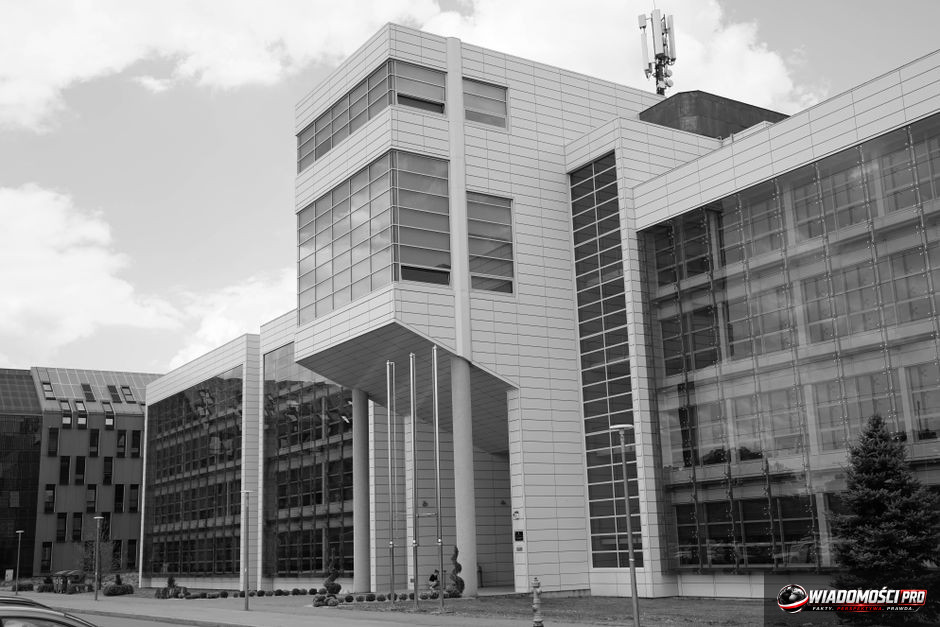
TVP has officially confirmed Poland's participation in Eurovision 2027, which will take place in Burgas, Bulgaria; however, the name of the representative remains the subject of ongoing disputes within the station. The board of Telewizja Polska and the entertainment editorial team have not reached an agreement on the choice of performer, which is effectively paralyzing the preparation process for next year's show. This decision, published on August 27, 2026, definitively ends the period of uncertainty regarding the presence of the white-and-reds in the contest, but opens a new stage of behind-the-scenes tensions at Woronicza.
Logistics and challenges of Burgas, Bulgaria
The choice of Burgas as the host of Eurovision 2027, announced by the organizers on August 13, 2026, was a surprise to many observers. The city located on the Black Sea faces a task that goes beyond the framework of a typical international show organization. The tourist infrastructure of Burgas, although developed, must be adapted to the rigorous technical requirements of the European Broadcasting Union. Telewizja Polska, having already confirmed its participation, must now prepare the delegation's logistics based on the specific conditions of the Bulgarian location.
For Polish decision-makers, the choice of Burgas means the necessity of meticulous planning for transport and accommodation, which, in the face of an internal impasse, becomes an additional burden. Experiences from previous years show that poor technical preparation often translated into the quality of the performance on stage. In Burgas, the Polish team will have to face not only the competition but also new logistical challenges, which are a test of professionalism for the public broadcaster. The lack of a clear action plan in this regard raises concerns among fans who follow every announcement coming from Woronicza.
It is worth noting that for Bulgaria itself, organizing the contest is a prestigious infrastructure project. The Polish delegation will have to cooperate with the local operator, which requires precise arrangements on the Warsaw–Burgas line. The current decision-making paralysis within TVP means that these talks may be delayed, which in practice means losing valuable months for substantive preparations. While confirming participation was a formal image success, the lack of a representative's name still casts a shadow over the professionalism of TVP's actions.
Globalization of the format: Canada on the European stage
The inclusion of Canada among the participants of Eurovision 2027 is an unprecedented move in the history of the format, which completely changes the perception of the contest's reach. The decision to invite Canada is not just a cosmetic change to the list of countries, but a signal that the organizers are striving to make Eurovision a global project. For Poland, the presence of a Canadian performer in Burgas means the necessity of competing with an artist originating from a market that has so far been out of reach for European pre-selections.
Expanding the field with a country from across the ocean poses new challenges for TVP in the context of repertoire selection. The Polish proposal must now face competition that will likely focus on modern sounds and high production quality, typical of the Canadian music industry. Within TVP, Canada's debut has become one of the arguments in the dispute over the shape of the Polish performance. Factions within the station clash in their opinions: some decision-makers believe that they should bet on proven, folk notes, while the second group advocates a complete break with tradition in favor of modern pop that could match international competition.
This dispute is not just an artistic issue. It is a fight for the station's vision in the eyes of foreign viewers. Canada, by entering the game, raises the bar for all participants. For the Polish delegation, this means there is no longer room for half-measures or poorly prepared performances. If TVP does not resolve its internal personnel problems, it risks the Polish representative being overshadowed by a debutant who has brought new energy and a fresh approach to television presentation to the contest.
Mechanisms of internal disputes at TVP
The board of Telewizja Polska and the entertainment department are at a stalemate, the causes of which go deeper than just differences in musical tastes. Information flowing from behind the scenes suggests that personal wars between directors and external producers are effectively blocking the announcement of the representative's name. The lack of consensus on the choice of artist does not surprise those who know the specifics of project management at TVP. There is always tension between artistic vision and the requirements of the station's corporate policy.
The current structure of TVP favors the formation of factions, each of which tries to push through its own candidate. One group opts for open pre-selections, arguing that this is the only way to gain social acceptance and avoid accusations of nepotism. The second faction prefers an internal selection, pointing to the need for control over the quality and image of the artist from the very beginning. The lack of a decision is the result of this clash of attitudes. Every postponement of the announcement date is further proof that there is no strong leader within the station who would be able to cut through these speculations with one binding decision.
For the viewer watching from the sidelines, the situation looks like an endless soap opera. TVP, instead of building tension around talent, builds it around its own divisions. This is frustrating for fans who have been waiting for years for a transparent process of selecting a representative, based on merit rather than cabinet games. The lack of clear selection criteria means that every rumor about a potential performer is treated as a leak from one of the warring parties, which only deepens the informational chaos.
Brand strategy: Eurovision Asia and Junior Eurovision
Telewizja Polska is not limiting its plans only to the May performance in Bulgaria. The station's board is following the development of formats such as Eurovision Asia and Junior Eurovision with great interest. It is precisely Poland's successes in the children's contests that have become an argument for TVP that they possess the know-how necessary to manage international entertainment projects. In practice, however, these ambitions often outpace the station's real logistical capabilities.
Interest in Eurovision Asia is treated as part of a broader strategy of expanding the television brand into new markets. For TVP producers, this is an opportunity to gain experience in working with Asian partners, which in the future may result in greater recognition of Polish productions. However, as industry experts point out, balancing the operation of several formats simultaneously is burdensome for the budget. In the current state, when the main contest in Burgas arouses so much emotion and uncertainty, engaging in further projects may be perceived as an attempt to divert attention from the problems with the Polish representative.
Planned TVP activities in this area include, among others:
- Continuing involvement in Junior Eurovision, which is a stable point in the station's schedule.
- Talks with European and Asian broadcasters regarding co-productions, aimed at cost optimization.
- Attempts to develop a uniform pre-selection standard that could be applied in all Eurovision formats managed by TVP.
Despite these ambitious assumptions, the most important test for TVP remains Eurovision 2027. No successes in side projects will compensate for a potential failure in Burgas, resulting from a lack of preparation and internal disputes. Viewers expect quality in the main format above all, not just a wide portfolio of projects that, in the face of personnel chaos, may become just another burden for the public broadcaster.
A schedule that does not exist
The official confirmation of Poland's participation in Eurovision 2027 is a fact, but beyond this announcement, TVP has not provided any preparation schedule. The lack of a pre-selection calendar is the most sensitive point, which raises questions about the station's real commitment to success in Burgas. Every day of delay is lost time for promoting the song and building the artist's brand, which, at the current pace of other countries' preparations, puts us on the defensive.
In the professional Eurovision environment, it is standard to announce selection procedures months in advance. TVP, by keeping this information secret, may be hoping for a surprise effect, but in practice, it only causes irritation. If the board does not make a decision within the next few weeks, we risk the vocalist being selected in emergency mode. Such an approach rarely ends in success, as Poland has experienced many times. The lack of a concrete plan is a signal that decisions are made under the influence of temporary pressures, not a long-term strategy.
Unofficial reports indicate that attempts to reach a compromise between various interest groups are still ongoing within the station. However, this will not replace a professional staff that should be working on the Polish performance. Time is working against TVP, and the competition with countries that are already intensively preparing their representatives will be extremely demanding. If we do not know the name of the performer by the end of the year, the preparation process for the performance in Burgas will have to be drastically shortened, which by definition limits the chances for high scores.
What this means for you
For the Polish viewer, the current situation at TVP means prolonged uncertainty and a lack of transparency. Fans of international formats gain, as they can follow Canada's debut, but viewers expecting clear rules for selecting a representative lose. Telewizja Polska is in a difficult image situation: on one hand, it declares full commitment to Eurovision 2027, and on the other, it cannot control the chaos within its own structures. This calls into question the quality of the Polish delegation and the efficiency of spending public funds on participation in this prestigious international show.
Questions and answers
Where will Eurovision 2027 take place?
The contest will take place in the Bulgarian city of Burgas. Information about the choice of this location was announced on August 13, 2026.
Will Canada perform at Eurovision?
Yes, Canada has been officially included in the field of Eurovision 2027 participants, which is the biggest change in the history of the contest.
Who will represent Poland?
At this moment, the name of the representative remains a mystery. This is due to ongoing disputes within Telewizja Polska regarding the composition of the Polish team and the mode of selecting the performer.
Why hasn't TVP announced the details yet?
The lack of details is a consequence of deep divisions in the station's structures, where individual factions cannot reach a consensus on the choice of artist. The lack of a clear pre-selection schedule is the result of these behind-the-scenes tensions.
What other projects is TVP planning as part of Eurovision?
The station continues its interest in the Eurovision Asia and Junior Eurovision formats, treating them as elements of a brand expansion strategy into international markets, even though their implementation is demanding in terms of logistics and finance.
Is Polish participation in Burgas at risk?
Despite the official confirmation of participation by TVP on August 27, 2026, the lack of a concrete strategy and a representative's name calls into question the professionalism of the preparations, which may affect Poland's final result in the contest.
What challenges await Poland in Burgas?
The Polish delegation will have to face the logistical challenges of organizing the event in coastal Burgas and very strong competition, strengthened by the debuting Canada, which will require precise planning from the broadcaster, which is currently lacking in the station's structures.
Are there any specific disputes going on at TVP?
Yes, according to unofficial reports, a dispute is ongoing within the station between various factions over how to select the artist – supporters of open pre-selections clash with those preferring an internal selection, which blocks the decision-making process.
Why is Canada's debut important for Poland?
Canada's presence raises the level of competition and forces participants to present songs at a higher production level, which, combined with TVP's internal personnel problems, puts the Polish delegation in a difficult starting position.
What do the latest reports from August 27, 2026, mean?
On this day, TVP officially confirmed its start in the contest, which was a necessary image move intended to cut off speculation about Poland's possible withdrawal from the competition, but this move did not solve the personnel problems within the station.
Is there a chance for a quick end to the disputes?
The lack of a schedule and concrete actions suggests that the dispute may last for many more weeks, which significantly limits the time for the representative's artistic preparations.
What are the consequences of the lack of a decision for the Polish artist?
The lack of a name means no time for promotion, photo shoots, choreography preparation, and refining the performance, which in previous years was a factor determining Poland's lack of success on the Eurovision stage.
Has TVP learned from previous years?
The current progress of preparations indicates the repetition of the same mistakes, consisting of a lack of transparency and informational chaos, which suggests that the lesson from previous editions has not been fully learned.
Who makes the final decisions regarding Eurovision at TVP?
Decisions are made by the station's board in close cooperation with the entertainment division, but due to internal divisions, this process has become opaque and susceptible to the influence of various factions within the public broadcaster.
What is the role of fans in the current situation?
Fans act as observers who, through social media, exert pressure on TVP, demanding clear selection rules, but their voice has not yet influenced a change in the station's decision-making strategy.
Sources
- Eurovision 2027: Decision made regarding Poland's participation. TVP provided a name - Interia Muzyka
- TVP has made a decision regarding Poland's participation in Eurovision - cgm.pl
- Decision made regarding Eurovision 2027. We know what Telewizja Polska is planning - Super Express
- Eurovision 2027: Poland confirms participation! - Eurowizja.org
- Eurovision 2027 – we know the host. We know where the song contest will take place! - Telewizja Polska S.A.
- Eurovision 2027: Telewizja Polska confirms participation in the contest. Storm behind the scenes about the composition of the Polish team • Junior Eurovision and Eurovision Asia – when are the next pre-selections? - DZIENNIK-EUROWIZYJNY.pl
- Debut of a new country at Eurovision! A vocalist from this country already achieved victory in 1988 - Interia Muzyka
- What about Israel's participation in Eurovision? They officially announced - Kultura Onet
Article prepared by the Wiadomości PRO editorial team with the support of artificial intelligence. Facts come from the sources listed above.


Komentarze (0)
Ładowanie komentarzy...