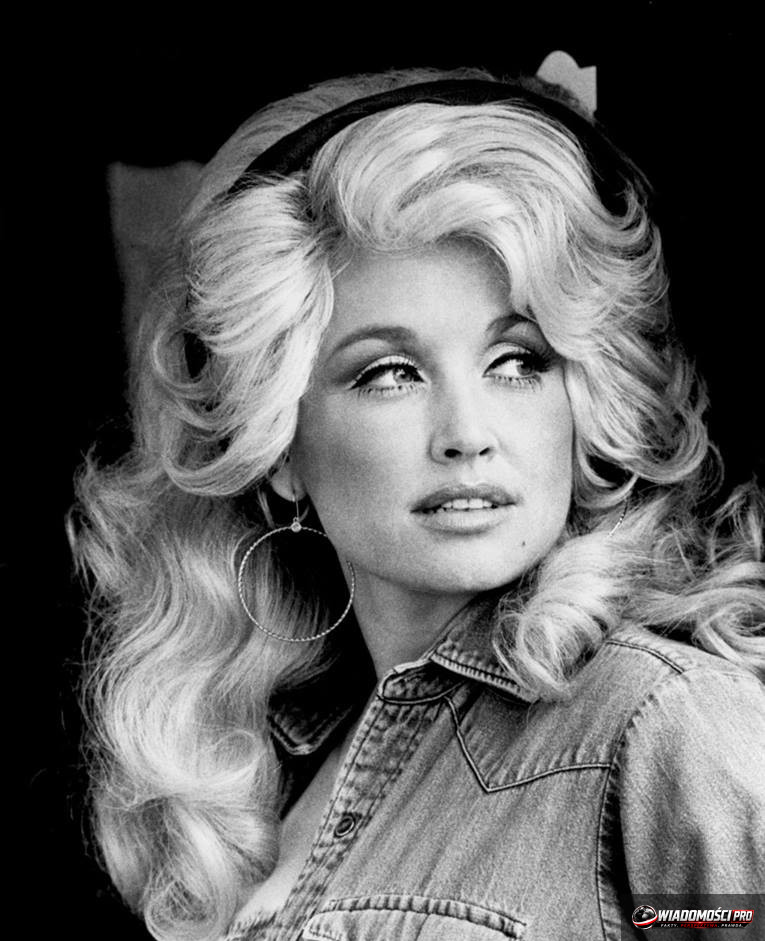
The fortune, valued at $650 million, will go into a private trust fund which, in accordance with the artist's wishes, will provide for her family and the Imagination Library foundation. This decision definitively puts an end to speculation regarding a potential sale of copyrights or shares in theme parks. Trustees are assuming full control over the empire that Dolly Parton built over more than five decades, prioritizing institutional longevity over rapid capital liquidation.
Artistic legacy: Over 3,000 songs and legendary status
Dolly Parton passed away on August 25, 2026, at the age of 80. She left behind a body of work comprising over 3,000 songs. In the world of country and pop music, it is rare to find artists who have so consistently maintained full control over their publishing catalog. Unlike many stars who have sold the rights to their songs to investment funds like Hipgnosis or Concord in recent years, Parton retained full copyrights to her compositions. The portfolio includes such significant tracks as "Jolene," "9 to 5," and "I Will Always Love You."
The latter song, thanks to Whitney Houston's interpretation, became a global standard generating royalties for decades to come. The valuation of the music catalog is one of the main pillars of a fortune estimated at $650 million. From a wealth management perspective, keeping the rights within a private trust fund instead of selling them means that the artist's family and the Imagination Library foundation will receive regular royalty income. This is a low-risk business model that ensures financial stability long after the creator's passing.
The question of how the fund will manage these songs remains open. In the music industry, catalog managers often face a dilemma: whether to promote music in a traditional way or aggressively license it for films, series, and commercials to maximize profit. The documents regarding the establishment of the fund do not contain detailed guidelines on this issue. It is only known that the decision to withdraw the catalog from potential sale is final. The music market has lost the opportunity to acquire these rights, which, from the perspective of Parton's investment strategy, was a move aimed at protecting her image from excessive commercialization.
Asset structure: What makes up the $650 million?
The $650 million valuation is the result of several distinct revenue streams. The main asset, aside from the music catalog, is the stake in Dollywood Parks & Resorts. The theme park in Pigeon Forge, Tennessee, was created as a joint venture between the singer and the company Herschend Family Entertainment. This partnership proved to be one of the most successful business decisions in the history of American show business. The park is not just a tourist attraction, but an operational hub generating constant, multi-million dollar profits annually, regardless of trends on the music charts.
In addition to the stake in Dollywood, image licensing accounts for a significant portion of the assets. The Dolly Parton brand covers a range of products – from clothing and cosmetics to dedicated lines of gadgets. This business sector is characterized by high margins and relatively low operating costs. Unlike touring, which requires physical and logistical commitment, image licensing allows for the generation of passive income.
The exact breakdown of these assets has not been publicly disclosed. No audit of shares in individual companies or valuations of private properties included in the estate has been provided. Financial analysts point out that the high amount reached by Parton is the result of years of avoiding debt and reinvesting profits into tangible assets rather than speculative ones. Unlike artists who base their wealth on volatile endorsement contracts, Parton's fortune is based on the ownership of physical infrastructure and intellectual property rights. All these components have been transferred to the trust fund, meaning that none of these elements will hit the open market as a separate transaction.
Inheritance issues: What will happen to the Dollywood empire?
The private trust fund that took over the assets on August 25, 2026, acts as the central manager. From an operational standpoint, no changes have been confirmed in the management of the companies running the Dollywood parks. For market observers, this means that the fund intends to maintain the status quo. The lack of information regarding the sale of shares is a clear signal that the empire is to remain in the hands of the family and trustees, rather than being taken over by corporate theme park chains.
Managing such complex assets within a trust fund changes the rules of transparency. While Parton's actions were previously of interest to the media, financial operations will now be conducted within a private structure that is not subject to the same reporting requirements as public companies. The identities of the individuals serving on the fund's board have not been made public. It is only known that they are trusted legal advisors and designated family members.
For the local economy in Tennessee, where Dollywood is one of the largest employers, maintaining management continuity is crucial. Potential changes in the park's strategy could affect thousands of jobs. The trust fund, aiming to protect the assets, will most likely choose a conservative management model—maintaining current service standards and steady investment in infrastructure rather than drastic cost-cutting. The silence regarding management details is telling—it suggests that the transition of power took place in a planned manner and without the internal conflicts that often paralyze similar fortunes at the moment of their creator's death.
Philanthropy: The future of the Imagination Library foundation
The Imagination Library is the foundation of Parton's philanthropic work. The foundation, established in 1995, distributes free books to children around the world. The $650 million fortune is intended to ensure its financial stability for decades. The legal mechanism used in the will guarantees that the trust fund will pay out funds for the foundation's statutory activities on an ongoing basis, regardless of potential economic fluctuations.
This approach is rare in the world of major philanthropy, where projects often expire with the passing of the founder. Parton ensured that the Imagination Library would not be dependent on one-off donations. By transferring the assets to the fund, the foundation becomes a beneficiary of passive income from royalties and profits from the theme parks. The operational scale of the foundation, which sends millions of books annually, requires immense logistical efficiency. The provisions of the will give the trustees significant freedom in determining the amount of these payments. This means that the actual level of support for literacy will depend on decisions made by the trustees.
Doubts arise from the lack of clear guidelines regarding the proportion of funds divided between the private family and charitable activities. For observers of the philanthropic market, control over the foundation shifts from the level of Parton's artistic vision to a legal-administrative level. Will the trustees be able to maintain the organization's growth rate, or will they focus on cost optimization at the expense of educational reach? This question remains unanswered in official documents. It is only known that the Imagination Library is written into the asset structure as a key beneficiary, which legally protects it from attempts to remove it from the list of fund recipients.
Copyrights: Who manages the catalog of hits?
Dolly Parton's music catalog is currently managed by a dedicated legal team appointed by the trust fund. Instead of selling the rights to the songs, which is currently the industry standard (so-called asset stripping), a strategy of long-term rights management has been adopted. From the perspective of investors who were hoping to purchase the rights to hits like "Jolene" or "I Will Always Love You," this is a signal that the estate will not be broken up.
The task of the trustees will be to oversee licensing, media synchronization, and combat copyright infringement in the digital space. Managing such a vast catalog requires not only legal proficiency but also artistic vision. The copyrights to Parton's songs are an asset whose value grows over time, provided its presence in popular culture is maintained. If the trustees decide on passive preservation, the value of the catalog may begin to decline over time due to a loss of contact with younger generations of listeners.
The lack of plans to sell the catalog after the artist's death is a clear declaration of intent. The family and the Imagination Library foundation are to benefit from royalties, not from a one-time capital payout. This solution eliminates the risk that Parton's hits will be used in campaigns or productions contrary to the ethics the artist followed throughout her life. The music market has lost the chance at one of the most coveted prizes of recent years, which confirms that for Parton, her artistic legacy was more important than maximizing short-term profit.
Comparison: Parton's fortune against other country stars
The $650 million figure places Dolly Parton in the absolute financial elite of country music. Comparing her to other great figures of the genre, a clear difference in the capital creation model is visible. While Garth Brooks (net worth approx. $400 million) bases his status mainly on concert tours and album sales, Parton's wealth is much more diversified. George Strait ($300 million) also relies on residency concerts, which makes his wealth closely tied to stage activity.
Parton created an empire where music is just a part of a stable foundation. Her wealth stems from a combination of business instinct and consistency in building brands independent of her own stage performances. Transferring $650 million to a private trust fund is a predictable move for such a designed business model. It allows for the avoidance of inheritance taxes, which in the case of such large estates could force the sale of assets, and ensures financial liquidity without the need to liquidate Dollywood or sell the catalog.
In the world of show business, where financial liquidity often disappears with the end of a concert tour, Parton's strategy is a rare example of long-term security. Other country artists, even those with high incomes, rarely possess such extensive business infrastructure. This makes Parton's case unique. Her successors are not just inheriting cash, but an operating enterprise that generates income in an automated way. The lack of a need for heirs to sell assets is the ultimate proof of the effectiveness of the financial strategy chosen years ago.
What this means for you
Dolly Parton's death closes a chapter in music history, but from a business perspective, it opens a new stage in managing her legacy. The key takeaway for observers is the fact that the "hold and protect" model wins over the temptation of quick profit. For investors and fans, this means that the Parton brand remains intact.
The catch lies in the control over copyrights, which are a "gold mine" generating passive income. Since they have gone into a trust fund, decision-making passes into the hands of a small group of people. We do not know if they will be as meticulous in protecting the artist's image as she was herself. We do know, however, that this structure is airtight. If you are looking for an answer to what will happen to Dolly's music in the future, the answer is: it will be managed by a team of lawyers, not by the free market. It is a safe but sterile solution that cuts fans off from direct influence on what happens to their idol's work.
Questions and answers
Who will take direct control of the assets?
Management of the assets is being taken over by a private trust fund. It includes designated trustees, including trusted legal advisors and members of Parton's immediate family. Their names have not been made public.
Will the Dollywood theme parks be closed?
No, Dollywood is operating according to plan. Ownership structures, including the partnership with Herschend Family Entertainment, ensure the park's operational continuity. The trust fund has not put shares in the park up for sale.
What was the value of Parton's estate at the time of her death?
Dolly Parton's net worth at the time of her death on August 25, 2026, was valued at $650 million. This amount includes the music catalog, the stake in Dollywood, and image licenses.
Will the Imagination Library foundation receive all the funds?
No, the foundation is one of the beneficiaries. The assets provide for both the family and the foundation. The exact mechanism for distributing funds within the trust fund is not public and depends on the decisions of the trustees.
Why didn't Parton sell the music catalog before she died?
Parton's strategy was to maintain control over her artistic body of work, which allowed her to protect the image of her songs. Selling the catalog to investment funds would have involved losing influence over how the music is used in the future.
Is the family's financial situation at risk after the artist's death?
The structure of the trust fund was designed specifically to eliminate this risk. It ensures a steady stream of royalties and business profits, which protects the family from the need to sell assets quickly to cover inheritance costs.
Will new products featuring her image appear after Parton's death?
Management of image licenses has been taken over by the trust fund. This means that any new commercial initiative will have to obtain the approval of the trustees, which will likely lead to a more selective approach to new products to protect the brand from devaluation.
Can fans expect the release of unknown songs from the archives?
The assets include a catalog of songs, including likely unreleased recordings. The decision on their potential release now rests solely with the trust fund managers. At this moment, no release plans regarding the archives have been confirmed.
What are the main threats to Parton's legacy in the new model?
The main threat is the potential loss of "artistic soul" in managing the catalog and image in favor of purely corporate profit optimization, should the trustees adopt an overly aggressive commercialization strategy.
Will the change in asset ownership affect Dollywood ticket prices?
No plans regarding a change in pricing policy have been confirmed. Operationally, the park is running as usual, and its pricing strategy depends on maintenance costs and market demand, not directly on inheritance issues.
Throughout her professional life, Dolly Parton consistently built an image of someone who understands the value of money but does not let it manage her. Her decision to create a trust fund instead of simple inheritance is the final act of this strategy. In a world where the fortunes of stars often disappear within a single generation, Parton opted for institutional longevity. Whether this will succeed in the long term will only be shown by time, once the fund begins to actively manage the capital. For now, however, everything indicates that her empire will remain untouched. The family is provided for, the foundation is funded, and the music catalog is protected from market sell-offs. For fans, this is the best possible scenario, even if it means that from now on, all decisions regarding Dolly Parton will be made behind closed office doors, not in the spotlight. Her business empire has survived the first test of time—the death of its founder—which is a rare achievement in the entertainment industry. Ultimately, $650 million is an amount that allows for very calm management of a legacy, provided the trustees stay the course set by the artist. If they do, the Parton name will be just as strong a brand in twenty years as it is today. If, however, the desire for profit outweighs the vision, the empire may begin to slowly lose its unique character. At this moment, however, there is no indication of that. All the pieces of the puzzle are in place, creating one of the most coherent inheritance strategies we have ever seen in the world of country music. It is a lesson for future generations of stars—building an empire is not just about writing hits; it is also about the ability to secure what you have created against the chaos that often follows the passing of the greatest icons. Dolly Parton, even after death, shows that she knew exactly what she was doing. Her estate is safe, and her family and foundation have guaranteed funds to carry out the goals she set while she was still alive. It is a triumph of pragmatism over emotion, which has always been a hallmark of her career. Will this be a model for others? Certainly, many artists will analyze this move, looking for a way to ensure similar security for themselves. Parton simply did it first and, most importantly, she did it effectively. Her legacy is now safe in the hands of the trustees, and the world can only watch as this complex financial mechanism works for her vision for decades to come. It is the end of an era, but the beginning of a new form of her legend in a business edition. There is no room for coincidence here; there is only cold calculation and respect for what has been achieved. That is what makes Dolly Parton such a unique figure in the history of pop culture.
Article prepared by the Wiadomości PRO editorial team with the support of artificial intelligence. Facts are derived from the sources provided above.


Komentarze (0)
Ładowanie komentarzy...