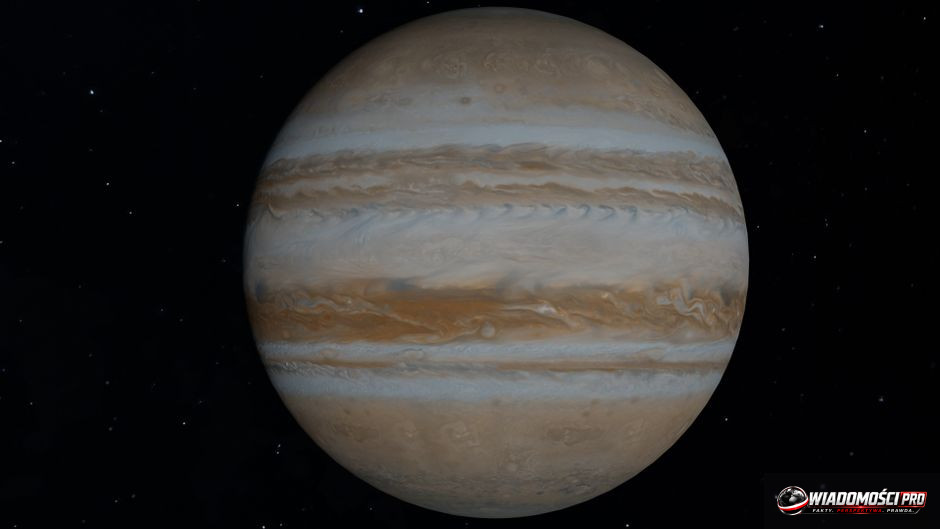
The Europa Clipper mission has consumed 5 billion dollars, which NASA allocated for the construction of the probe and its transport toward Jupiter's icy moon. This amount is the culmination of over a decade of financial and technical planning, encompassing both advanced engineering work and the logistics of launching the device into orbit. This investment is divided into three main pillars: the development of research equipment, the construction of the probe's body with radiation protection systems, and the payment for transport services provided by SpaceX using a Falcon Heavy rocket.
Budget structure of the search for life
Taxpayer money in the space sector rarely goes to a single, easily definable item. In the case of the Europa Clipper project, the 5-billion-dollar budget was divided with the goal of maximizing the device's durability in the extreme environmental conditions of Jupiter. A significant portion of this sum represents operational costs, which include decades of work by engineers, programmers, and scientists specializing in astrobiology. The construction of the probe is a unique process, where every component had to undergo rigorous testing for resistance to ionizing radiation, which is lethal to standard electronics near Jupiter.
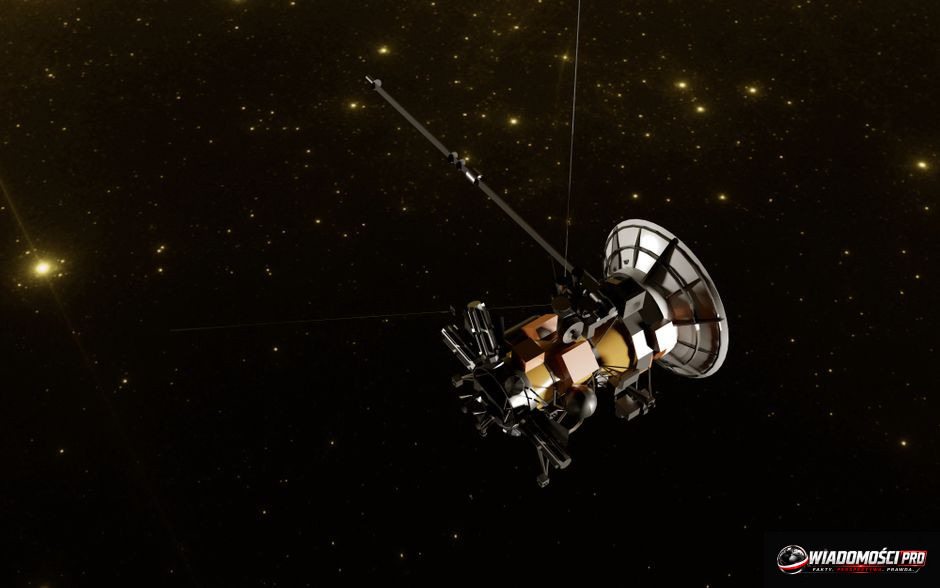
An analysis of expenditures indicates that the costs can be attributed to several specific blocks. The first is the development of scientific instrumentation. Nine main instruments were installed on board the probe, including an ice-penetrating radar (REASON), a spectrometer for mapping surface composition (MISE), and a high-resolution camera (EIS). The cost of developing these systems accounts for nearly one-third of the total budget. Another element is the hull and power systems themselves. Given the distance from the Sun, Europa Clipper has solar panels with an area exceeding 90 square meters. This is the largest structure of its kind ever built for an interplanetary mission, and its design and integration with the hull required innovative material solutions.
Transport is the final, yet crucial, element of the financial balance sheet. The choice of SpaceX's Falcon Heavy rocket was dictated by the mass of the probe, which, including fuel, is approximately 6 tons. The launch cost is the result of a commercial contract, which has become a new standard for NASA's cooperation with the private sector. The agency has stopped building its own launch vehicles for missions of this type, instead purchasing the service of delivering cargo to an interplanetary trajectory. This approach allows for the transfer of risks associated with the launch itself to a commercial operator, which, from a budgetary perspective, is a more predictable solution than maintaining one's own aging fleet of heavy-lift vehicles.
Technological response to the Jovian environment
Jupiter is a powerful radiation trap. The probe must survive dozens of flybys near Europa, which exposes it to constant bombardment by high-energy particles. Engineers decided to place the most sensitive components in a thick-walled titanium-aluminum vault, which acts as armor. The cost of this solution goes beyond the price of the materials themselves. It represents hundreds of thousands of hours of computer simulations and physical tests in radiation chambers. Each flyby of the moon is a test of endurance for the systems, which must survive in temperatures nearing absolute zero while simultaneously operating flawlessly in conditions that could cause processor failure at any moment.
The probe does not have its own lander, which significantly lowered the project's costs compared to concepts involving landing on the surface. This decision was the result of a risk analysis. Landing on Europa, given the current state of knowledge about its surface and geological activity, would carry a huge probability of losing the device. Instead, the probe was designed to perform 49 close flybys. Each of them involves collecting data from an altitude of 25 to 2,700 kilometers above the surface. Such a strategy allows for the systematic mapping of the ice's chemical composition, searching for water vapor plumes, and studying the thickness of the ice shell without the need for a risky landing.
Travel schedule and time logistics
The probe launched in October 2024, beginning a multi-year journey that will end with entering Jupiter's orbit in 2030. The mission schedule is precisely calculated, taking into account so-called gravity assists. To reach the Jovian system, Europa Clipper must first perform maneuvers around Mars and Earth. Each of these stages is monitored by a team at the Jet Propulsion Laboratory (JPL) in Pasadena. The logistics of this operation involve not only fuel but, above all, the operation of the Deep Space Network, which allows for communication with the probe over distances measured in hundreds of millions of kilometers.
This journey is a time of intensive testing of onboard systems. Engineers perform periodic calibrations of the instruments, preparing the probe for the moment it enters the range of Jupiter's gravitational field. Operational costs at this stage include maintaining ground infrastructure, analytical teams, and IT systems that process telemetry. Space exploration on such a large scale requires continuity of funding, which is a political challenge for NASA. The United States Congress must confirm the allocation of funds for maintaining the mission every year, which means that this project is constantly subjected to effectiveness audits.
Competition for the title of astrobiology leader
The Americans are not alone in their interest in Europa, but the scale of NASA's financial commitment puts them in a leadership position. The European Space Agency (ESA) is carrying out the JUICE mission, which is also studying the Jovian system, but the goals of the two probes differ in detail. Europa Clipper is focused exclusively on the moon from which it takes its name. This approach allows for the optimization of the mass and power of research instruments for a specific object, while other missions have a broader, more general research profile.
This competition has not only a scientific but also a prestige dimension. Discovering traces of life or confirming the existence of conditions conducive to its emergence is a goal that pushes the boundaries of modern science. By investing 5 billion dollars, NASA has secured exclusivity on data from the most advanced equipment ever sent toward this moon. For many industry observers, this is a signal that the United States treats astrobiology as a key element of its foreign and technological policy. Independence in building the probe and relying on proven commercial partners allows for maintaining a pace that often proves impossible for international European consortia to keep up with due to complicated decision-making procedures.
Table of technical and operational parameters
The following summary reflects the state of knowledge regarding the mission parameters, according to data published by NASA and centers monitoring space launches.
- Total project cost: 5 billion dollars.
- Mass of the probe at launch: approximately 6000 kg.
- Launch vehicle: Falcon Heavy (SpaceX).
- Launch date: October 14, 2024.
- Expected arrival at the Jovian system: April 2030.
- Number of planned flybys of Europa: 49.
- Main instruments: REASON (radar), MISE (spectrometer), EIS (camera).
- Power supply: solar panels (the largest in the history of planetary missions).
These numbers define the framework in which scientists operate. Each flyby is an opportunity to collect data that may answer the question about the biological potential of Europa's ocean. This environment, beneath a layer of ice several kilometers thick, likely contains more liquid water than all of Earth's oceans combined. Understanding the dynamics of this ocean – its salinity, temperature, and the processes of mixing chemical components with the surface – is the main task for which the aforementioned amount was paid.
Astrobiological prospects after 2030
After reaching Jupiter, the main scientific phase will last several years. The data that flows back to Earth will be analyzed for decades. This is an investment in knowledge of fundamental importance for our understanding of the universe. If Europa Clipper demonstrates that there is not only water and heat beneath the moon's surface, but also the right organic compounds, it will change the paradigm of the search for life. Then, subsequent missions, perhaps with landers, will become a logical consequence of today's expenditures.
The probe was designed so that its mission ends with a controlled impact into one of the lunar surfaces (likely Ganymede) to avoid the risk of contaminating Europa with Earth microorganisms. This approach, called planetary protection, is also part of the costs. Maintaining sterility during the assembly of the probe in cleanrooms is an extremely expensive process, requiring specific infrastructure and procedures. NASA places great importance on this, realizing that any potential discovery of life would have to be absolutely certain, and not the result of contamination brought from Earth.
Financial responsibility and social expectations
Is 5 billion dollars an amount adequate to the results obtained? From a financial perspective, it is an expenditure spread over many years, which makes it less noticeable on the scale of the annual US federal budget, which amounts to trillions of dollars. However, within the agency, every mission with such a high budget must compete with other projects, such as space telescopes or Mars sample return missions. Europa Clipper won this race because scientists concluded that Europa is the most likely place in the Solar System where life could have survived to this day.
It is worth noting that these costs also include the development of new technologies. The solutions used in Europa Clipper, regarding solar energy management or radiation protection, will find application in future missions, perhaps in crewed missions to Mars or in the study of Saturn's moons. In this sense, 5 billion dollars is not just the cost of a single probe, but also the cost of maintaining a technological edge in deep space exploration. The agency does not treat this as a one-time transaction, but as part of a long-term strategy for developing engineering competencies.
What this means for the future of exploration
This mission changes the way we perceive the funding of science. Instead of building dozens of cheap and risky probes, NASA is betting on so-called "flagship missions" – projects that are gigantic and expensive, but offer the greatest chance of success in the most difficult conditions. It is a high-risk, high-reward strategy. If Europa Clipper provides evidence of environments conducive to life, the mission's budget will be considered one of the best-spent amounts in the agency's history. If, however, the data proves inconclusive, it may lead to a deep revision of the funding policy for future projects.
Currently, the probe is speeding through the vacuum, and engineers in Pasadena are monitoring every pulse. Every day of the equipment's operation is confirmation that the money spent is serving science. The probe is not just a machine; it is an extension of human curiosity that reaches hundreds of millions of kilometers from Earth. Regardless of the final result, Europa Clipper has already set new standards in the construction of spacecraft capable of surviving in such a hostile environment.
Questions and answers
Will the probe land on the surface of Europa?
No. The Europa Clipper probe was designed exclusively to perform multiple close flybys of the moon. Landing on Europa is currently too risky and falls outside the technical framework of this mission, which allowed for avoiding even higher costs associated with landing systems.
How many years will the probe's journey to its destination take?
The probe launched in October 2024, and its arrival at the Jovian system is scheduled for April 2030. The journey will therefore take about five and a half years, during which the probe will use gravity assists to gain the appropriate speed.
Why did NASA choose Europa as the main target?
Europa is considered one of the most promising places in the Solar System for astrobiology. It has a global ocean of liquid water hidden beneath a thick shell of ice, and this water has direct contact with the moon's core, which may lead to the occurrence of chemical processes necessary for the emergence of life.
Is SpaceX the only partner in this mission?
SpaceX provided the Falcon Heavy launch vehicle, which was necessary to launch the probe onto an interplanetary trajectory. Although this is a key logistical element, the entire project, the construction of the probe, and its research instruments remain under the full engineering and scientific supervision of NASA and its research centers, such as JPL.
What will happen to the probe after the mission ends?
After completing all planned flybys, the probe will be directed into a controlled collision with one of Jupiter's moons, most likely Ganymede. Such a procedure is forced by strict regulations regarding planetary protection, which are intended to prevent the accidental crashing of the probe onto Europa and the potential contamination of its surface with Earth microorganisms.
Was the 5 billion dollar budget exceeded?
The mission budget was revised many times during the design work. The amount of 5 billion dollars reflects the total life-cycle costs of the project, including inflation, the extension of construction time, and the rising costs of transport services. NASA treats this amount as the final closing of the construction and launch costs.
Sources
- Start of the Europa Clipper mission to Europa - AstroNET – Polish Astronomical Portal
- Europa Clipper probe to search for life on Europa - Urania - Polish Astronomical Portal
- Europa Clipper mission launch [BROADCAST]. Americans to outpace Europeans in the search for life on Europa - Wyborcza.pl
- NASA sends probe to Europa. Europa Clipper mission has launched - WP Tech
- Beginning of the Europa Clipper mission - Kosmonauta.net
- Europa Clipper probe to search for life on Jupiter's moon, Europa - wszystkoconajwazniejsze.pl
- Flight to Jupiter for 5 billion dollars. Europa Clipper launch on board Falcon Heavy - Benchmark.pl
- Searching for life in the Solar System beyond Earth. NASA sends mission - Geekweek Interia
Article prepared by the Wiadomości PRO editorial team with the support of artificial intelligence. Facts come from the sources provided above.
Komentarze (0)
Ładowanie komentarzy...