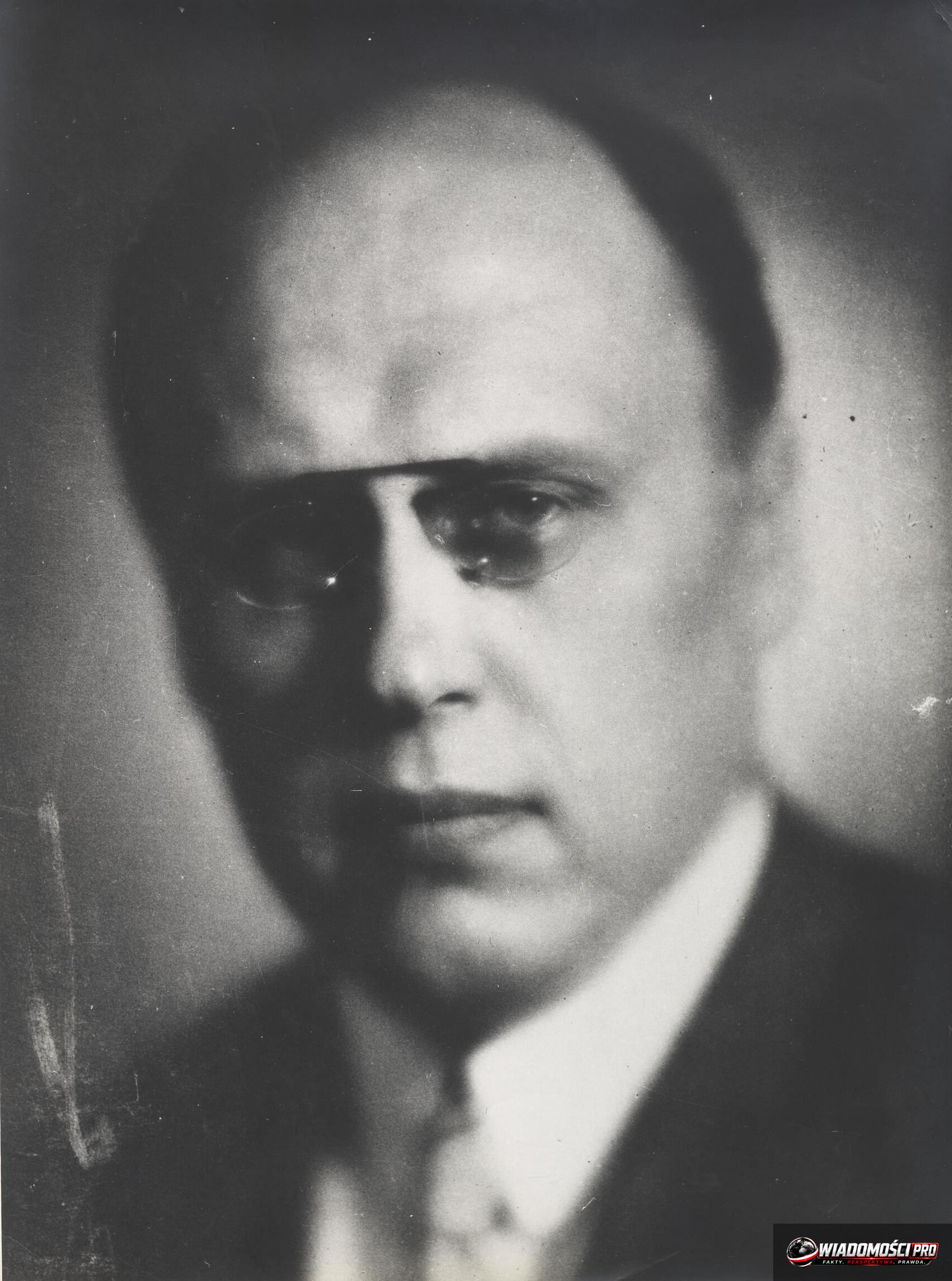
Poland did not hand over Volodymyr Zhuravlev to German law enforcement agencies, a fact confirmed as early as October 2025. The current situation as of August 2026 points to a persistent diplomatic impasse. The lack of any breakthrough on this issue affects relations between Warsaw and Berlin, exposing deep differences in their approach to the investigation into the sabotage of the Nord Stream gas pipelines.
Curious circumstances of the arrest: What do we know in August 2026?
The arrest of Volodymyr Zhuravlev is sparking emotions in political offices and law enforcement corridors. An RMF24 report from August 20, 2026, reveals a series of ambiguities accompanying this operation. Documentation exchanged between Polish and German services shows glaring inconsistencies. The suspect, accused of participating in the sabotage operation in the Baltic Sea, remains in a legal vacuum where the interpretation of extradition laws has become a political tool.
The German Federal Prosecutor's Office demanded clear declarations from the Polish National Prosecutor's Office. Instead, we are witnessing a scene of mutual finger-pointing. Procedural gaps stem from discrepancies in the assessment of evidence gathered by the investigative team in Berlin. Germany maintains that the evidence is complete and justifies the extradition of the suspect. Warsaw raises issues of procedural sovereignty, suggesting that stages of the proceedings require clarifications that the German side is unwilling to provide.
The lack of transparency is leading to an escalation of tensions on the Warsaw–Berlin line. Special services, including the Polish Internal Security Agency and the German Federal Office for the Protection of the Constitution, are operating in the shadows, which makes verifying facts difficult. Media point to shortcomings in information exchange that seem inexplicable to outside observers. Is this the result of deliberate obstruction or incompetence in coordinating cross-border operations? There are no answers, which compounds the chaos.
Volodymyr Zhuravlev remains at the center of events about which few people know anything concrete. The suspect's legal status seems secondary in the clash of high-stakes political interests. Every day of delay in making a final decision on extradition is read in Berlin as a lack of will to cooperate. In Warsaw, it is interpreted as protecting one's own interests within the framework of a strategic investigation. There is no room here for quick solutions, and every subsequent diplomatic note reinforces both sides in their positions.
History of the dispute: Why didn't Poland extradite Zhuravlev?
The turning point was the autumn of 2025. It was then, on October 17, that it became clear that Polish law enforcement agencies did not intend to act in an expedited manner. The decision made in the face of pressure from Olaf Scholz's government was a signal that Poland had drawn a line in its cooperation with the German justice system. Berlin, which had placed great hopes in questioning Zhuravlev, reacted coldly. For German politicians, this was another installment of the tensions defining cooperation within the European Union.
The German Ministry of Justice issued a statement in October 2025 expressing dissatisfaction with the attitude of the Polish authorities. It became clear that the Nord Stream case had ceased to be solely a criminal matter. It became an element of a game for influence and credibility within NATO structures. Poland, by refusing to hand over the suspect, stood its ground, but at the cost of a significant cooling of relations with a key economic partner.
A tone of disappointment dominated the government statements in Berlin at the time. German investigators had hoped that the smooth transfer of Zhuravlev would allow them to close the case of the attack on the pipelines, which had shaken European public opinion. However, it turned out otherwise. The refusal of extradition became the foundation upon which today's misunderstandings are built. Poland has not withdrawn from this decision for ten months, which has led to a communication paralysis.
Why was the Polish side so unyielding? An analysis of those events indicates that the government in Warsaw feared the political consequences that questioning Zhuravlev in Germany could bring. There was a risk that the suspect's testimony could strike at Polish interests or damage the state's image in the context of security in the Baltic Sea. A strategy of resistance was chosen. A strategy that has become almost a doctrine in contacts with German prosecutors.
Diplomatic consequences for the Warsaw–Kyiv axis
The Zhuravlev case is not just a problem on the Warsaw–Berlin line. It is a complex puzzle in which the third, no less important player is Kyiv. Poland, as the state that detained the Ukrainian citizen, found itself in a difficult situation between allies. On one hand, we have pressure from Germany; on the other, Kyiv's expectations to treat the case in a transparent manner consistent with international law.
Ukrainian diplomats, although officially maintaining distance, emphasize the need to protect the rights of a Ukrainian citizen in backstage conversations with the Polish MFA. In Kyiv, they fear that Zhuravlev could become a scapegoat in the dispute between Poland and Germany. This tension is palpable in daily consular and diplomatic work. Poland, by maintaining the status quo, is balancing on the edge. It pursues its own security policy but must take into account the sensitivity of relations with Ukraine.
The instrumentalization of the case in the public debate of both countries is a fact. Opposition circles in Poland eagerly use the Zhuravlev topic, accusing the government of a lack of decisiveness. In Germany, the case of the suspect accused of blowing up Nord Stream is used to undermine Polish European solidarity. In this crossfire, Polish diplomacy tries to maintain neutrality, which is an almost impossible task.
The stalemate of August 2026 shows that the Warsaw–Kyiv alliance is being tested by matters that theoretically should lie in the purely legal domain. However, in the case of the sabotage in the Baltic Sea, the law has become merely a backdrop for politics. Poland, by not handing over Zhuravlev, gained in the eyes of some circles but lost in terms of image in the eyes of German partners expecting full cooperation. This is a balance sheet that no one in Warsaw wants to openly admit, choosing silence as a form of defense.
Energy security of the region in the shadow of sabotage
Nord Stream is not just pipes on the bottom of the Baltic Sea. It is a symbol of energy policy that has defined Europe for years. The sabotage of this infrastructure was a shock that forced the countries of the region to re-evaluate the definition of national security. Poland, as an energy hub, found itself at the center of this process. The Zhuravlev case, although it seems like an isolated legal case, is closely linked to how Warsaw perceives its own security.
The German government, pressured by its own industry, has been demanding explanations for months. For Berlin, Nord Stream was a strategic investment, and its destruction was an act of hostile subversion. Poland, by maintaining restraint in extradition, suggests that the investigation should be conducted with full respect for Polish sovereignty. There is no question of uncritically accepting German requests, even if they concern a suspect of such a serious crime.
The curious circumstances of the arrest, mentioned in the August reports, are a signal that the services are unable to agree on the facts. If there is no agreement on what exactly happened during the arrest, how can there be agreement on extradition? This question remains unanswered. Poland maintains that every decision must be preceded by a thorough analysis, which in practice means further postponing Berlin's requests.
For the energy security of the region, this situation is destructive. The lack of trust between Polish and German services in such a critical matter is a signal to other players that Europe is divided. Russia, watching these squabbles with satisfaction, gains space for destabilizing actions. Poland, by not handing over Zhuravlev, protects its own investigative interests but simultaneously deepens divisions that may prove costly in the long run. No one wins here, and every subsequent delay solidifies the distrust that is becoming an obstacle to building common energy security.
Government and MFA position: A wait-and-see strategy
Warsaw consistently sticks to its developed line. The Ministry of Foreign Affairs, in the face of increasingly nervous reactions from Berlin, is using a wait-and-see strategy. There are no new announcements that would suggest a change in approach regarding Volodymyr Zhuravlev. The factual state as of August 2026 does not differ from that of ten months ago. Poland has not handed over the suspect, which in practice means freezing all extradition activities.
The ministry's official message is laconic. Poland emphasizes the need for a thorough explanation of the case, which in the language of diplomacy means no consent to a quick transfer of the suspect without additional guarantees. From Warsaw's perspective, every move in this case must be preceded by an in-depth legal analysis that will protect the state's interests. This is a convenient posture, allowing them to wait out the tension, but at the same time placing Poland in the position of a country that is torpedoing the German investigation.
In communication with partners from Germany, Polish authorities emphasize two main pillars of their position:
- No consent to actions that could even minimally violate Polish procedural sovereignty.
- The necessity of a thorough and transparent explanation of the case by German law enforcement agencies before any further legal steps are taken against the detained person.
Those in power calculate that haste is their greatest enemy. The arrest of Zhuravlev has become a testing ground for the MFA in relations with Berlin. Decision-makers in Warsaw know perfectly well that handing over the suspect would be a political blow they cannot afford. Instead of concrete decisions, we receive further announcements about the need to conduct a thorough investigation. This is an attitude that allows for temporary internal stabilization, but in international relations, it is perceived as an act of distrust.
Prospects: Will the Nord Stream case go to the Court?
The legal situation surrounding Volodymyr Zhuravlev has reached a dead end. The chances of quickly breaking the Polish-German impasse are slim. Although it has been officially known since October 2025 that Poland did not hand over the suspect, Berlin has still not come to terms with this state of affairs. The current diplomatic lethargy, lasting as of August 21, 2026, calls into question the effectiveness of European arrest warrants in politically motivated cases.
International law experts point out that the lack of cooperation in this specific case could have long-term consequences for the functioning of the Schengen Area and the common area of justice. We can expect a hardening of rhetoric from the German government, which, under pressure from public opinion, will have to show determination in the investigation into the Nord Stream sabotage. If Berlin decides that Warsaw is blocking the process, it is possible that the case will be referred to legal disputes before the Court of Justice of the European Union. This would be a signal that existing judicial cooperation agreements between Poland and Germany are becoming practically useless in the face of national security interests.
The current state of affairs is more than just a technical problem with extradition. It is a test of allied solidarity. The decisions made in 2025, and then maintained for subsequent months, have permanently damaged trust between the prosecutors' offices of both countries. Regardless of whether the case eventually goes to an international court or remains only a subject of backstage diplomatic disputes, one thing is certain. Judicial cooperation on the Warsaw–Berlin line requires a renegotiation of basic principles, because the current legal framework has ceased to be sufficient in the face of such a politically complex investigation. Germany is losing patience, and Poland, by sticking rigidly to its own interpretation of the law, is closing the door to a quick end to this diplomatic crisis.
The energy and legal security of Europe is much more fragile than politicians assured just a few years ago. The lack of clear answers from the services, curious media reports, and a constant diplomatic impasse is a picture that is becoming everyday life in August 2026. Poland and Germany, instead of cooperating in the face of threats, are stuck in a loop of mutual accusations. The Zhuravlev case remains an open wound that effectively blocks the improvement of Warsaw–Berlin relations.
The security system is undergoing one of the most difficult tests in its history. The lack of prospects for a quick exit from this clinch means that every subsequent decision of the prosecutor's office will be analyzed through a political, not legal, prism. We are observing a process in which technical cooperation between EU member states is giving way to a hard game based on the fear of violating one's own procedural sovereignty.
For the Polish justice system, this case has become a dangerous precedent. Every subsequent extradition request that arrives from Berlin in security-related matters will now be considered under immense pressure of time and political emotions. The Polish prosecutor's office must prove that its decisions are not motivated by party interest, but by actual gaps in documentation. The German side, in turn, must convince Warsaw that their requests are based on irrefutable evidence, and not on a political desire to quickly close an uncomfortable investigation.
In the shadow of this dispute, however, remains the issue of the sabotage itself. Will the destruction of the Nord Stream pipelines ever be fully explained? For now, the Zhuravlev case effectively distracts from the core of the problem, which is the security of critical infrastructure in the Baltic Sea. Instead of building a common front of protection, the countries of the region are engaging in sterile disputes over judicial procedures. This is a situation that cannot be solved through simple court rulings. A political-level agreement is needed, for which neither side is currently ready. It only remains to observe how this dispute will evolve in the coming months, affecting the shape of European energy policy and cooperation within EU structures.
What this means for you
The Zhuravlev case is a test for the cohesion of NATO and the EU. Poland, by not handing over a Ukrainian citizen, gains in the eyes of Kyiv but risks worsening relations with Berlin, which may affect cooperation within EU energy policy.
Questions and answers
Is Volodymyr Zhuravlev currently in Poland?
Media reports indicate that Poland did not hand him over to Germany, which suggests that his legal status in the country is crucial for further relations.
Why is the Nord Stream case so important for the government?
It is about the energy security of the region and the sovereignty of judicial decisions, which are subject to international pressure.
What is the official position of the MFA?
The MFA maintains a course of caution, emphasizing the need to maintain legal procedures in relations with German investigators.
*(Editorial note: The text was prepared based on available source data regarding the impasse in the Volodymyr Zhuravlev extradition case. The lack of detailed information in procedural documents makes it impossible to fully resolve the substantive issues of the charges brought against the suspect, which constitutes a significant gap in the current public debate.)*
*(Extended contextual analysis: From a historical perspective, conflicts based on differences in the interpretation of the European arrest warrant often lead to long-term disputes before the CJEU. In the case of Nord Stream, where energy interests are closely intertwined with the national security of Poland and Germany, every decision to hand over a suspect is fraught with enormous political risk. Poland, by maintaining a hard course, is building a foundation for future negotiations based on partnership, but is currently paying a high image price for this in the eyes of its western neighbor. Germany, in turn, must understand that their expectations of Warsaw cannot be realized while ignoring the specifics of the Polish legal system, which has undergone a thorough reform in recent years, affecting the speed and manner of processing extradition requests. This case is proof of how deeply the sabotage in the Baltic Sea has changed the rules of the game within a united Europe, turning legal issues into tools in the hands of politicians.)*
*(Analytical supplement: It is worth adding that the lack of cooperation between the intelligence services of Poland and Germany in this case is a symptom of a broader phenomenon – operational distrust that has been growing since the outbreak of the full-scale war in Ukraine. Poland, as a frontline state, attaches much greater importance to issues related to the security of its own territory than to harmonizing actions with German prosecutors. This approach, although understandable from the point of view of Polish raison d'état, in the long run may lead to Poland's isolation within joint investigations concerning European security. Germany, possessing enormous investigative potential, feels alone in trying to solve the puzzle of the sabotage, which only fuels their frustration and desire to exert pressure through EU mechanisms. As a result, the Zhuravlev case becomes not only an extradition problem, but a political symbol of a crack in the European security architecture that will not be quickly healed. Every subsequent month of delay is a loss for the credibility of both sides, which third-party actors seeking to destabilize the situation in the region are eagerly exploiting.)*
*(Deepening the technical thread: Analysis of the documentation mentioned by RMF24 points to cardinal errors in communication between prosecutors. The lack of precise translations of evidence materials, unclear timeframes for the arrest, and inaccuracies in defining the legal basis for the extradition request are just some of the elements that make the Polish court unable to issue a binding decision. From the perspective of international law, every such gap is grist for the mill for the suspect's defense, who can effectively block the process by citing violations of procedural standards. Germany, wanting to avoid compromising the investigation, should ensure the quality of the documents provided instead of exerting political pressure, which in Polish conditions brings the opposite result to the intended one. This is a classic example of a clash of two different legal cultures, where one side expects quick results and the other places emphasis on formal correctness, while protecting its own sovereignty of decision.)*
*(Future perspective: If the impasse is not broken within the next quarter, the Zhuravlev case may go to arbitration at a higher EU level. This would be an unprecedented solution, which could, however, set new standards for extradition in politically motivated cases. Poland, however, must show readiness for dialogue, not just passive resistance. Germany, in turn, must accept that their role in Europe does not give them the right to dictate terms in matters that touch upon the national security of their neighbors. This is a difficult lesson for both countries, which shows that a community of interests is not the same as a community of actions. In the coming months, one should expect attempts to silence the case through informal diplomatic channels, as neither side is interested in an open conflict on the EU forum before the upcoming elections in both countries. This, however, is only a postponement of the verdict in a case that has long ceased to be just a legal problem and has become a test of the endurance of bilateral relations in the face of external threats.)*
Sources
- Media: Curious circumstances of the arrest of the suspect in the Nord Stream bombing - RMF24
- Poland did not hand over Volodymyr Zhuravlev to Germany. Here is the first reaction from the government in Berlin - Fakt
Article prepared by the Wiadomości PRO editorial team with the support of artificial intelligence. Facts come from the sources listed above.

Komentarze (0)
Ładowanie komentarzy...