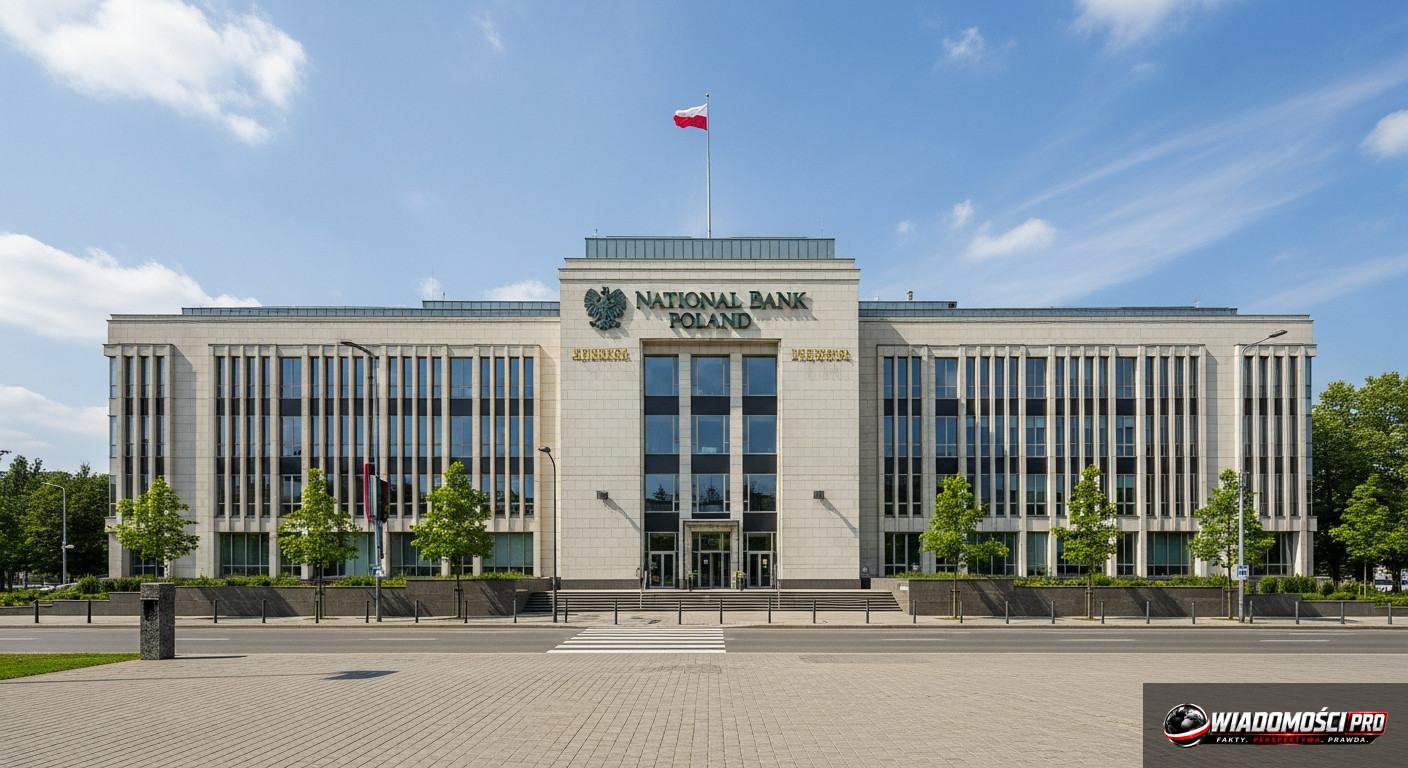
In July 2026, the MPC decided to maintain interest rates at 5.75%, a move dictated by geopolitical uncertainty in US-Iran relations and pressure on the zloty exchange rate. This decision means that the cost of money in the Polish economy remains at its current level, definitively dashing borrowers' hopes for a reduction in installments before the end of the summer holidays. The Monetary Policy Council, fearing for currency stability in the face of global tensions, chose a safe haven rather than loosening monetary policy.
July MPC decision: Stabilization instead of loosening
The meeting of the Monetary Policy Council, which took place on July 8, 2026, brought the outcome the market had feared for weeks. Maintaining interest rates at 5.75% became a fact. Members of the Council, analyzing data flowing from global markets, concluded that any loosening of monetary parameters at this moment would be too risky a move. Even before the meeting, many analysts suggested that after a series of downward moves at the turn of 2025, now was the time for another step. Reality, however, proved more prosaic and brutal for those with mortgage loans.
The main factor that tipped the scales in the discussion was the zloty exchange rate. The national currency, subject to constant fluctuations against the dollar and the euro, currently shows hypersensitivity to any change in the central bank's rhetoric. MPC members know perfectly well that cutting rates at a time when foreign investors are withdrawing capital toward safer assets could lead to an uncontrolled weakening of the zloty. This, in turn, would drive up the prices of imported raw materials, fueling inflation, the fight against which has become the NBP's main goal.
The decision of July 8, 2026, is not just a technical move. It is a clear message: the central bank is playing defense. In the face of external supply shocks resulting directly from the escalation of tensions between the US and Iran, the Council prefers to wait out the period of greatest instability. Every percentage point of the reference rate maintained at 5.75% is a kind of insurance policy for the Polish currency for policymakers. Entrepreneurs and borrowers must therefore revise their financial plans for the coming months. A summer with high installments has become a foregone conclusion.
Economists point out that the strategy adopted by the Council is dictated by cold risk calculation. In conditions of uncertainty in the Middle East, where every move by the US or Iran can affect oil and gas prices, the Polish economy cannot afford mistakes in monetary policy. Stabilization has become a priority, even if the price is a slowdown in economic growth dynamics. The credit market has frozen in anticipation of better signals, which were simply missing from the MPC's July statement.
Geopolitics and loan costs: Why do Iran and the US matter?
The relationship between events in Tehran and the amount of a loan installment in a Polish bank is direct and increasingly visible. The conflict between the US and Iran is translating into commodity markets, causing sharp spikes in energy prices. In an economy still struggling with price pressure, every such impulse is a warning signal for the central bank. MPC members, taking these factors into account, cannot ignore the fact that international instability is becoming the main factor determining monetary policy in Warsaw.
The INNPoland.pl portal already emphasized on July 8, 2026, that the tense situation in the Middle East limits the room for maneuver for Polish policymakers. Investors, reacting to geopolitical risk, are fleeing from emerging market currencies. The zloty, as a higher-risk currency, is losing value. If the MPC had decided to cut rates, the difference in the profitability of zloty and dollar assets would have become even less attractive to foreign capital. This would trigger a mechanism of further depreciation of the zloty, which would directly increase the cost of living for Poles through more expensive imports.
This mechanism is simple: a weaker zloty means more expensive oil and gas. More expensive energy means higher production costs for Polish companies, which ultimately translates into higher prices on store shelves. In such an environment, cutting interest rates would be contrary to the National Bank of Poland's basic mandate, which is to care for the value of money. The Monetary Policy Council, aware of these dependencies, chooses the lesser evil. Instead of stimulating consumption with cheaper credit, it chooses to protect the purchasing power of the currency.
For mortgage holders, this means their wallets are directly dependent on dispatches from the Middle East. If there is no breakthrough in relations between Washington and Tehran, the MPC will have no arguments to change course. This is a sad realization for everyone who counted on a quick return to the times of low installments from the pre-crisis period. The current situation, in which monetary policy is a hostage to high politics, will last as long as the external environment does not show signs of lasting stabilization.

Evolution of monetary policy: From cuts in 2025 to stagnation in 2026
November 2025 was a time of hope for borrowers. It was then that the Monetary Policy Council decided to cut interest rates, which gave a signal for optimism. Bankier.pl reported at the time on a change in trend that was supposed to bring relief to millions of Poles. Unfortunately, the perspective of 2026 verified these assumptions. Instead of a continuation of declines, we are observing a lethargy that in July 2026 took the form of an official decision to keep rates at 5.75%.
The change in narrative within the Council is clear and stems from a broader macroeconomic context. The autumn cuts of 2025 were possible under conditions of relative commodity stabilization and a predictable geopolitical environment. The current reality is radically different. The US-Iran conflict, which escalated in the first half of 2026, turned the forecasts of most financial institutions upside down. The Council has stopped being optimistic and has become extremely cautious.
Key turning points of recent months show how much priorities have changed:
- November 2025: MPC decides to cut rates, the market reacts with optimism.
- April 2026: Direct Money forecasts indicate high uncertainty and external risks.
- July 2026: Maintaining rates at 5.75% in the face of the escalation of the US-Iran conflict.
For borrowers, this cycle shows that monetary policy in Poland does not operate in a vacuum. It is closely correlated with global capital flows. When the world becomes dangerous, Poland must pay a higher price for capital to maintain confidence in its own currency. What seemed like the beginning of a long easing cycle in the autumn of 2025 is a memory today. The Council has no room for maneuver when every move toward cuts threatens to lose control over the zloty exchange rate.
Stabilization at 5.75% is a message that the fight for price stability is more important than the short-term satisfaction of the banking sector or individual debtors. This approach, while painful for household budgets, is the only path available in conditions where global commodity inflation is knocking at our doors. The question remains how long this defensive stance will have to last before external risks are at least partially extinguished.
What do experts forecast for the second half of 2026?
The July MPC meeting finally closed the discussion on quick cuts in the third quarter of 2026. Analysts who, as late as April, according to Direct Money reports, were outlining various scenarios, have today unified their forecasts in one direction: waiting. The Council will not send a signal for cuts until it sees a lasting reduction in core inflation and a calming of the situation in the Middle East.
Experts emphasize that forecasting interest rates in 2026 is like putting together a puzzle in which half of the elements are variable. The main factor of uncertainty remains the exchange rate. Any attempt to loosen policy by the MPC in current conditions is treated by investors as a signal to sell off the zloty. That is why the Council prefers to be perceived as "hawkish" and uncompromising rather than as a bank that risks destabilizing the national currency.
The conclusions from market analyses for the second half of the year are unambiguous:
- The zloty exchange rate will remain under pressure until the US-Iran conflict finds a diplomatic path.
- Core inflation, despite attempts to tame it, is still higher than the NBP target, which makes discussion of cheaper money impossible.
- The market is no longer pricing in any significant cuts before the end of the year, which can be seen in interest rate futures quotes.
For the wallets of Poles, this means the necessity of adapting to high debt service costs. Spring simulations that assumed gradual declines in installments can be put into the realm of fairy tales. The credit market does not see room for cheap money until the external environment shows signs of lasting stabilization. Every subsequent decision of the Council will now be a hostage not only to domestic indicators, but above all to what happens in relations between Washington and Tehran. It is there, thousands of kilometers from Warsaw, that the fate of the installments of Polish borrowers is being weighed.
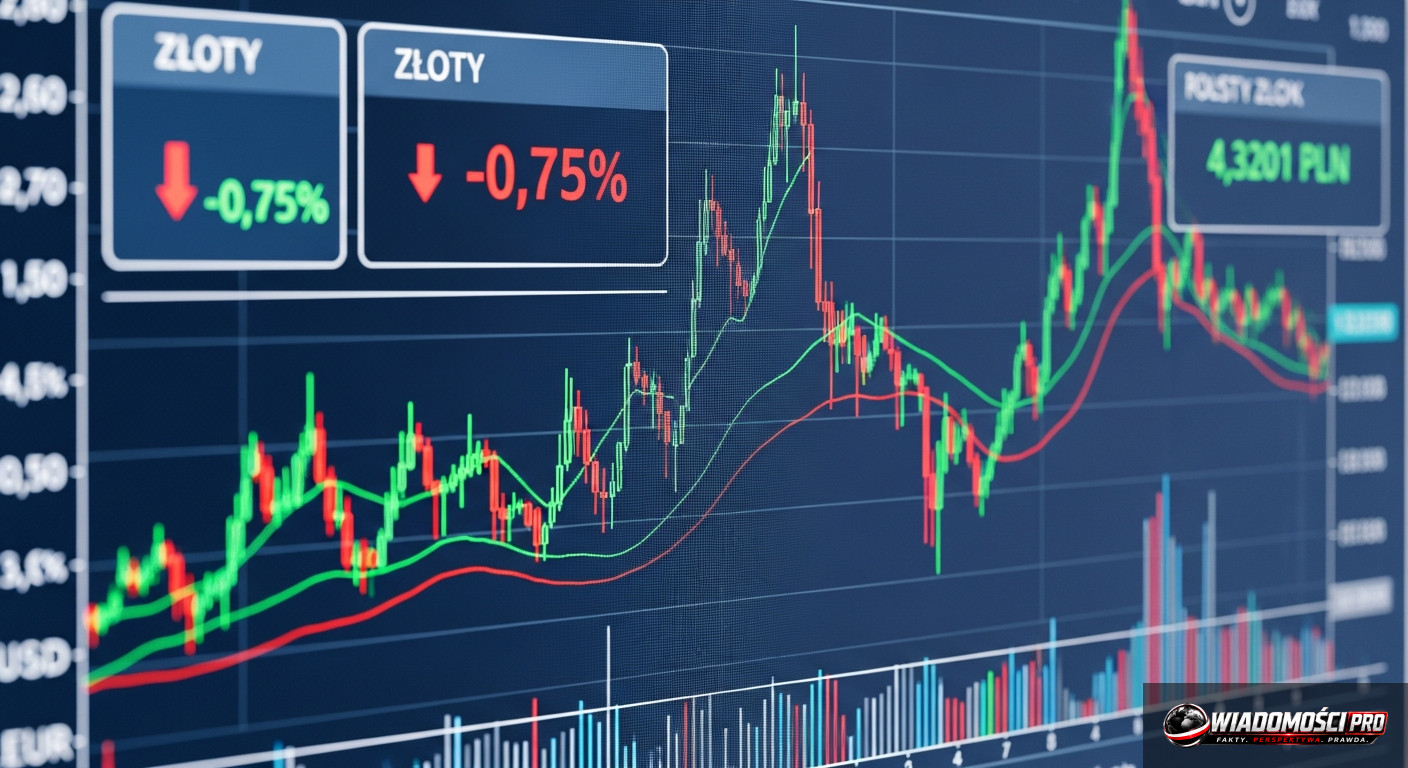
Impact of the MPC decision on the wallets of Poles
The decision of July 2026 makes the matter clear: one has to wait for noticeable relief in the household budget. The Monetary Policy Council decided to maintain interest rates at the current level of 5.75% – which directly translates into no drop in mortgage installments based on WIBOR. Poles who, in the face of rising costs of living, were counting on cheaper money, must come to terms with the fact that debt service costs will remain at their current high level for the coming months.
The reasons for this state of affairs go far beyond the domestic backyard. Geopolitical uncertainty, fueled by the intensifying conflict in US-Iran relations, effectively ties the hands of the Council members. The zloty exchange rate is under pressure, and this limits the room for maneuver regarding monetary policy easing. Any sudden move could further weaken our currency, which is why the MPC chooses a defensive strategy of stabilization instead of risky cuts.
The lack of changes in the Council's decisions is a clear signal for the banking sector. Financial institutions have no basis to revise credit margins downward. The situation is similar with deposit interest rates, which, in the face of frozen rates, will remain without major changes. For borrowers, this means the necessity of continuing to plan expenses while taking into account current, often painful burdens. The credit market has frozen in anticipation of better times.
Stabilization of debt service costs is the new reality that Polish households must get used to. There is no talk of cheaper credit when macroeconomic conditions force extreme caution. At least until the situation in the Middle East calms down, the wallets of Poles will not feel a change in course in monetary policy. Borrowers must prepare for a long-term maintenance of installment expenses at the current high level.
NBP position: Fighting inflation is the priority
The Monetary Policy Council left no illusions during its July meeting. Interest rates remained at an unchanged level of 5.75%, which, in the face of growing expectations of borrowers, is a clear and uncompromising signal. The central bank's strategy remains rigid: the priority remains the fight for price stability, even if it comes at the cost of quickly stimulating economic growth. The National Bank of Poland clearly distances itself from the "cheap money" policy, considering it currently too risky a tool.
The main brake on any loosening is the unstable external situation. Tensions between the US and Iran, which escalated in July, effectively knocked arguments for cuts out of the hands of policymakers. The country's monetary policy is currently a hostage to the condition of the zloty. The Polish currency is under enormous pressure, and any loosening of monetary parameters could lead to its sharp depreciation, which would directly translate into an increase in energy and raw material import costs. This is a vicious circle from which the MPC cannot currently escape.
Communication from the Council indicates careful monitoring of external threats, which for MPC members are more important than local consumer sentiment. Although the market experienced episodes with cuts in the autumn of 2025, the current geopolitical reality has completely changed the perspective. The MPC will not risk weakening the zloty at a time when the global commodity market resembles a powder keg. For borrowers, this means one thing: dreams of cheaper installments must be put on the shelf until the dust in the Middle East settles and the national currency's exchange rate regains at least a semblance of stabilization.

What this means for you
For borrowers, the MPC decision means no relief in monthly installments, which remains a challenge given the high cost of living. Savers, on the other hand, gain, as deposit interest rates will not fall as quickly as assumed in the optimistic scenarios from the end of 2025. The catch lies in geopolitical risks – if the conflict in the Middle East intensifies, energy costs may rise, which in turn may force the MPC to maintain a restrictive policy for longer.
In practice, this means that household budgets must be planned taking into account current high debt service costs. It is worth verifying your expenses, because there is no indication that there will be a breather in the form of lower mortgage installments in the near future.
Questions and answers
Can we expect interest rate cuts in 2026?
MPC decisions are currently strictly dependent on the geopolitical situation and the zloty exchange rate, which means that every subsequent cut is dependent on the stabilization of raw material prices and the calming of moods in international markets.
Why did the MPC not cut rates in July 2026?
The main reason is the pressure on the zloty caused by tensions between the US and Iran and the desire to maintain control over inflation in conditions of market uncertainty, which forces a defensive strategy on the Council.
How do the decisions of 2025 affect the current situation?
The cuts of November 2025 were the last significant downward move; the current year (2026) is characterized by a much more wait-and-see attitude of the Council, which, in the face of new geopolitical threats, has frozen the monetary policy easing cycle.
Ultimately, the situation of borrowers remains difficult. The Monetary Policy Council clearly shows that in its hierarchy of goals, protecting the value of the currency and the stability of the financial system stand much higher than ad-hoc help for indebted people. In the face of growing global tensions, this is a defensive stance, but for policymakers, it is the only responsible one. Anyone who is paying off a loan must be prepared for the fact that high interest rates will stay with us until the global geopolitical chessboard becomes more predictable. There are no simple solutions when the world around us changes so quickly, and every decision in Warsaw is an echo of events from other continents. This is a lesson in humility for the market, which believed too early in the quick end of the era of expensive money. Will the situation improve in the fourth quarter? Everything depends on whether tensions in the Middle East will fade or escalate to a level that will force central banks around the world to take even more restrictive actions. For now, we are left with observing zloty quotes and reports from flashpoint regions, because they shape our monthly expenses more than ever before. The MPC does not intend to take risks, and borrowers must show patience, which is not lacking in the current situation, although it does not result from choice, but from necessity. Every month with the same installment is a signal that the central bank will not succumb to pressure until it receives guarantees of security for the economy. This is the hard reality that we must face when planning our expenses for the rest of 2026. Exchange rate stability is currently the price we pay for avoiding larger shocks.
Sources
- See what happens with your loan! MPC has made a decision - wGospodarce
- Monetary Policy Council cut interest rates. This is already the second autumn quarter - Bankier.pl
- MPC keeps rates unchanged – will the escalation in Iran bring hikes? (ANALYSIS) - Parkiet
- Interest rate forecasts in 2026 - Direct Money
- Interest rate value August 2026. Forecasts and current information about interest rates in Poland - TotalMoney.pl
- USA and Iran are at each other's throats, and the MPC is not cutting rates. Zloty under pressure - INNPoland.pl
- There is an MPC decision on interest rates. It is already known what happens next with loan installments - Business Insider Polska
- Interest rates down again. But too early to rejoice. When is the next MPC decision? - Forbes
Article prepared by the Wiadomości PRO editorial team with the support of artificial intelligence. Facts come from the sources listed above.


Komentarze (0)
Ładowanie komentarzy...