In brief
- Return of the jury to the semi-finals: the end of the dominance of public voting (televoting) alone.
- New barrier for hosts: winning the contest is no longer a guarantee of hosting the next edition.
- Tightened security procedures: implementation of new control systems (metal detectors) and specific technical requirements for artists.
Return of the jury to the semi-finals – the end of the pure televoting era
Return of the jury to the semi-finals – the end of the pure televoting era
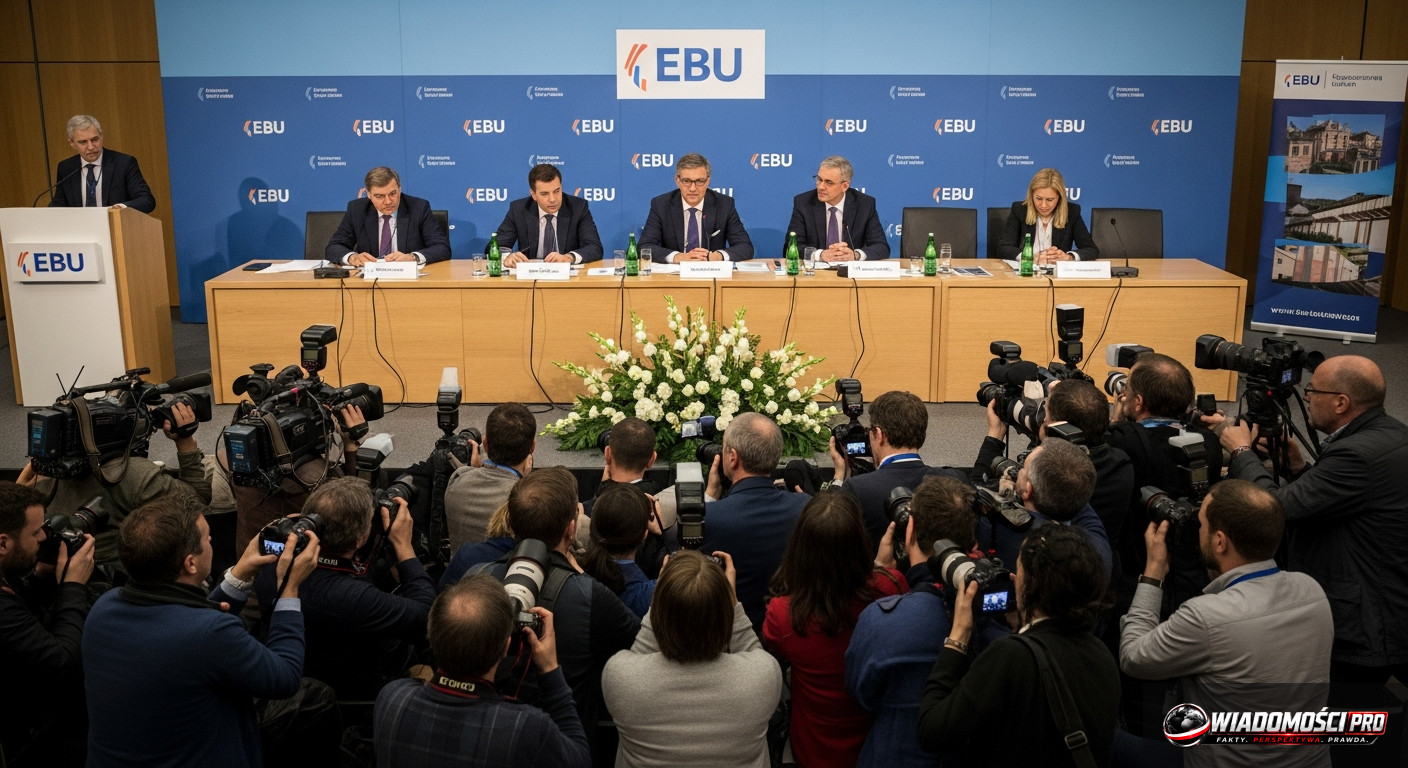
On November 21, 2025, the EBU made a decision that definitively ends the era of exclusive dominance of viewer voting in the semi-finals. The jurors are back in the game. This is no coincidence. The organizers wanted to cut off the avalanche of accusations of political interference in the results, which have regularly cast a shadow over the event in recent years. After a series of controversies, including those highly publicized by the media related to Israeli voting, the pressure on European broadcasters became too strong to ignore. Public voting in the semi-finals, which was supposed to be a democratic celebration, became a testing ground for organized groups and campaigns. Now, experts will once again have an influence on who even makes it to the final.
However, changing the voting system itself is only half the picture. At the same time, a new organizational barrier has been introduced, which means that winning the contest no longer guarantees the automatic right to be the host. The European Broadcasting Union is simply protecting itself against a scenario where the winner is unable to ensure security or adequate infrastructure.
For loyal fans, this is a bitter pill. On one hand, we have the return of the expert eye, which is intended to stabilize the results; on the other, a bureaucratic loophole allowing the organization to be taken away from a country that won on stage but lost in the EBU offices. Who will benefit from this? Certainly stability, though at the cost of the emotions that were unpredictable in pure televoting. It is an open admission that the organizers cannot handle external pressure and prefer manual control over risk. Whether these steps will restore the contest's reputation as an apolitical spectacle or merely shift tensions to the level of administrative decisions, we will find out in the coming months.
New organizational barrier – winning isn't everything
New organizational barrier – winning isn't everything
According to reports from August 12, 2026, a triumph in the Eurovision final has ceased to be an automatic pass to the role of host for the next edition of the contest. The European Broadcasting Union (EBU) has introduced rigorous verification criteria that radically change current practice. From now on, the performer's victory alone does not guarantee that the broadcaster's country will gain the right to organize the event. This is a structural change that earlier press headlines had already pointed out, including publications by "Rzeczpospolita" or Radio ESKA, indicating a direct strike at countries with a complicated political situation, such as Ukraine or Israel.
The EBU's decision is essentially a safeguard mechanism, although for many fans it remains a controversial interference in the spirit of competition. In practice, this means that after the results are announced, the winning broadcaster must go through an organizational and security verification process. If the EBU determines that a given country does not meet specific requirements, the right to organize will be transferred to another state or moved in an emergency mode. A detailed list of parameters that will be taken into account during this assessment has not yet been provided, which creates huge room for interpretation and political pressure.
For the organizers, this is a powerful tool of control, but for the participants – huge uncertainty. Victory, which until now was an end in itself, becomes only the first stage of a long, administrative path. Such a construction of the regulations suggests that the EBU prefers to prevent logistical and image crises rather than deal with them during preparations. Will this solution actually stabilize the contest, or will it merely shift the center of gravity from music to bureaucratic negotiations? We will probably know the answer at the next opportunity, when a favorite from a "difficult" region stands on the podium.

Impact of the new rules on the situation of Israel and Ukraine
Impact of the new rules on the situation of Israel and Ukraine
The European Broadcasting Union (EBU) is radically tightening the regulations, which in practice calls into question the future of two key countries on the contest map. The latest guidelines, published just before the 2026 season, strike at the position of Ukraine and Israel, complicating not only the competition itself but also logistical preparations. While the return of the jury to voting in the semi-finals, announced back in November 2025, was widely discussed as an attempt to eliminate political pressure, the new organizational barrier is an unprecedented move in the history of the event.
Experts point out that the EBU is reacting directly to international tensions. Here is how this specifically translates into the situation of the countries concerned:
- According to Radio ESKA reports from August 13, 2026, the decisions of the EBU headquarters strike directly at the position of Ukraine and Israel, forcing public broadcasters to renegotiate participation terms.
- As early as May 15, 2026, the BBC reported on special warnings issued to Israel regarding its continued participation in the contest in the face of controversy surrounding the voting.
- A rule has been introduced according to which even a potential victory does not guarantee the automatic right to organize the next edition, which is a direct response to the unstable political situation.
This is not just a matter of technical amendments to the regulations. The EBU is absolving itself of responsibility for potential image crises, shifting the burden of proof to the participating countries. Israel, which had previously struggled with accusations of "government interference" in the voting process, is under particularly strong pressure. In turn, Ukraine, due to the ongoing conflict, is facing a wall: even if their representatives repeat their success, the organization of the show may be moved to another country. This is political hedging that turns the spirit of competition into a complicated diplomatic game. Will such drastic changes not discourage other broadcasters from funding participation in the contest? We will only know the answer during next year's eliminations.
Technology and security on the 2026 stage
Technology and security on the 2026 stage
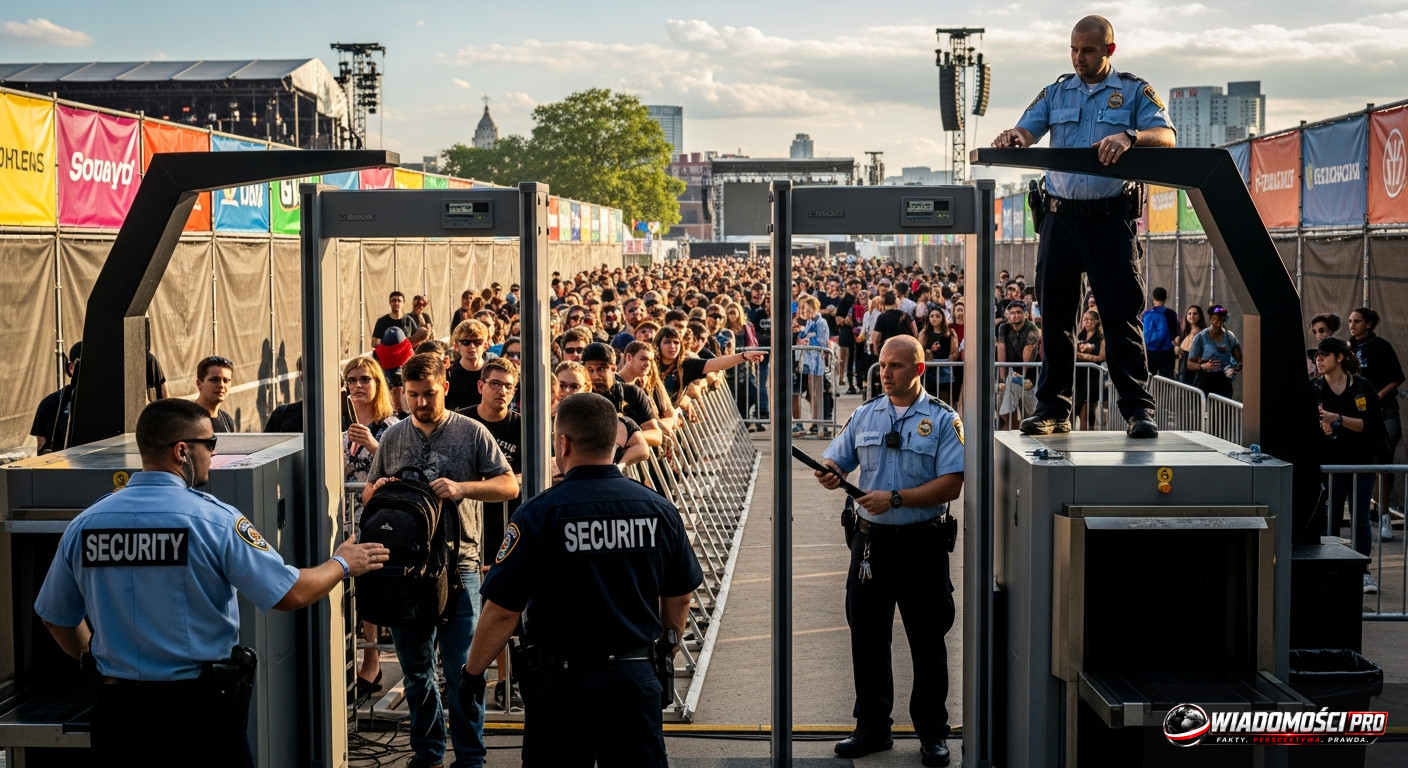
The Eurovision 2026 final went down in history not only because of the results, but above all because of the level of restrictions that had not been applied on this scale before. Viewers and delegations had to face tightened security measures, including the mandatory use of metal detectors at venue entrances. This was no longer just a concert, but a logistical operation resembling the security of diplomatic summits. The organizers opted for full control, which in practice meant the end of the relaxed atmosphere that the Eurovision audience had become accustomed to.
However, the changes affected not only physical security issues but also the technical dimension of the performances. As early as May 7, 2026, the portal Eurowizja.org pointed out controversies surrounding technical requirements, drawing attention to the unequal treatment of participants, including in the context of live playing for selected delegations. This raised questions about the transparency of the competition. Is an orchestra or live instrumental support a standard or a privilege for the chosen few? The answers to these doubts remain vague, and the EBU has limited itself to laconic statements about "technical considerations."
All this is happening in the shadow of deep regulatory adjustments. Jury voting is returning to the semi-finals, which is intended to curb the dominance of public votes, which were sometimes susceptible to political influence. Even more important is the organizational barrier: winning the final no longer guarantees the automatic right to be the host of the next edition. This is a blow to countries that treated victory as a ticket to promote the state. The EBU is effectively shedding the logistical burden, shifting the responsibility for organization onto shoulders that can bear not only the costs but also the restrictive security requirements. The winner thus becomes a candidate, not an automatic organizer.
Why did the EBU decide on such radical steps?
Why did the EBU decide on such radical steps?
The European Broadcasting Union's decision to revise the regulations is a direct reaction to growing accusations of politicizing the contest. As the Euronews portal pointed out in a publication on November 25, 2025, the main catalyst for the changes was suspicion of unacceptable interference by the Israeli government in the voting process. The EBU was cornered. The organizers had to react to save the tarnished reputation of a show that had tried to maintain an apolitical character for decades.
The return of professional judging panels to the semi-finals is intended to be a kind of fuse. The goal is to protect the integrity of the contest from external influences, which – according to critics – have dominated the artistic message in recent years. The EBU has clearly decided that the voice of the public, although democratic, is too susceptible to massive, politically driven campaigns. This is a technocratic solution intended to restore control to experts, rather than to mass, often manipulated actions on social media.
However, tightening the criteria for future hosts, as reported by Rzeczpospolita on August 12, 2026, is a completely different caliber of pressure. This is not just a technical correction. It is a warning signal for capitals that treat the Eurovision stage as a propaganda mouthpiece. From now on, winning is only half the success. The winner must prove that they can provide organizational and security standards that go beyond existing requirements. The EBU has simply stopped taking it for granted that the status of a winner automatically makes a given state a safe and neutral place to organize the final. For many delegations, this is an unambiguous message: politics must stay behind the scenes, or Eurovision will cease to be a welcoming home for you.
The future of Eurovision in the face of dynamic changes
The European Broadcasting Union (EBU) is definitively ending the previous automation of privileges. From 2026, winning the contest no longer guarantees the right to organize the next edition. This is a fundamental change that calls into question the existing model of organizing the event. An artist's victory is now only a vocal success, not a blank check for the host country.
At the same time, a correction of assessment mechanisms is coming into force. After months of pressure, professional jury panels are returning from the 2026 semi-finals. This is a decision made in the shadow of accusations of political interference in the voting, which were most loudly voiced in the context of Israel and Ukraine. Introducing these changes is an attempt to stifle the controversies that have covered the musical layer of the show in recent years.
The EBU is striving for the absolute unification of standards, regardless of the political climate in the participating countries. The organizers are clearly communicating that security and logistics are now placed before the traditional right of the winner to host Europe. This is a warning signal for public broadcasters.
For the average viewer, this means less chaos, but also more uncertainty. From an editorial perspective, the new regulations are an attempt to save the image of a brand that was balancing on the edge of a political scandal in May 2026. Will these regulations actually depoliticize the contest? History shows that fans and broadcasters will always find a way to circumvent rigid frameworks, even with the support of a professional jury. The EBU is buying itself time, but it is not solving the main problem: Eurovision remains a hostage to geopolitics, even if several important points have been changed in the regulations. We have an edition ahead of us that will show whether these organizational barriers will survive the first serious test involving a controversial winner.
What this means for you
The editorial team assesses that these changes are an attempt to save Eurovision's image as an apolitical event. Countries with a stable political situation will benefit, while conflicted states may be excluded from the role of hosts, which is a significant step towards 'technocratic' management of the contest.
Questions and answers
Does the jury vote in the semi-finals again?
Yes, after the decision of November 21, 2025, the jury returned to evaluating performances in the semi-finals, which is intended to limit the influence of organized televoting campaigns.
If I win Eurovision, will my country definitely be the host?
No, according to the regulation update from August 2026, winning is no longer sufficient – the EBU has introduced additional barriers and requirements for host countries.
What security measures were implemented in 2026?
During the 2026 final, among other things, increased checks using metal detectors were introduced, which was a response to growing security risks.
Sources
- Eurovision introduces a new barrier for Israel. Winning will not be enough to organize - Rzeczpospolita
- Important change in Eurovision regulations. EBU decision hits Ukraine and Israel - Radio ESKA
- Eurovision 2026: warning for Israel and changes in voting - BBC
- Eurovision 2026: Finland will play live! Are some more equal than others at Eurovision? [OPINION] - Eurowizja.org
- Eurovision final: German Shepherds, metal detectors, change of voting rules - Rzeczpospolita
- Eurovision changes voting rules. Jury returns to semi-finals - Onet
- What are the new Eurovision voting rules after accusations of "interference" by the Israeli government? - Euronews.com
- Eurovision changes rules after controversy over Israel's voting - BBC
Article prepared by the Wiadomości PRO editorial team with the support of artificial intelligence. Facts come from the sources provided above.



Komentarze (0)
Ładowanie komentarzy...