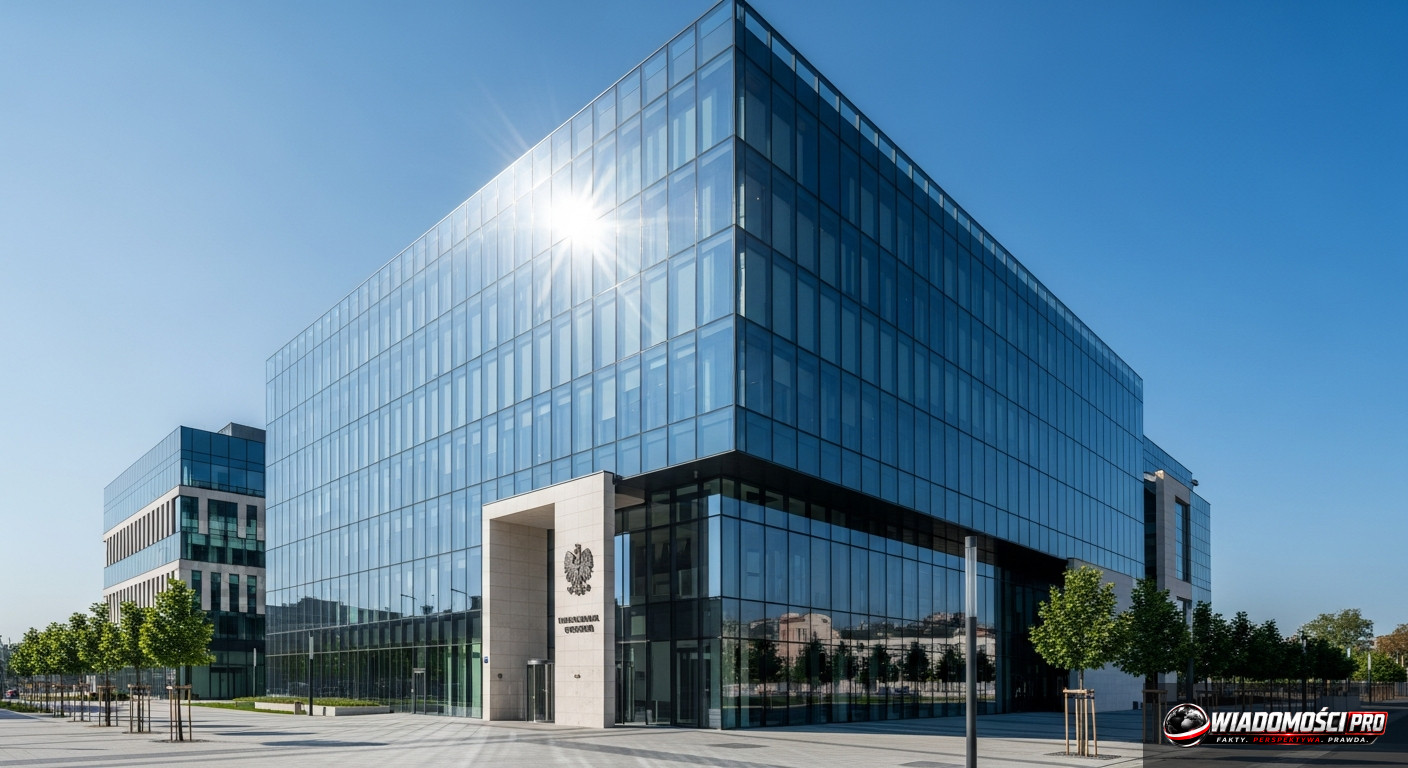
Maintaining interest rates at 5.75 percent means that the costs of servicing loans remain at their current high level, and the interest on savings accounts will not change. The lack of cuts is a signal of monetary policy stabilization in the face of market uncertainty. This decision directly hits the wallets of borrowers, freezing their debt repayment expenses at the current high level, which in practice means no relief in household budgets for the coming months.
MPC decision: why are rates standing still?
The NBP reference rate remains at 5.75 percent. This is a defensive decision, dictated by a cool assessment of macroeconomic risk. Members of the Monetary Policy Council, analyzing incoming data, concluded that current external conditions do not allow for monetary easing. The key factor that dominated the discussion in July 2026 is the escalation of tensions between the USA and Iran. This conflict is destabilizing financial markets, putting pressure on emerging market currencies, including the Polish zloty.
The central bank fears that any rate cuts could lead to a sudden weakening of the national currency's exchange rate. A weak zloty means more expensive imported goods, which automatically translates into higher inflation. The MPC therefore prefers to pay the price of maintaining high money costs rather than risk losing control over the pace of price growth. For the market, this is a message that the fight against inflation remains a priority, and any hopes for cheap loans are premature.
In practice, this means a lack of stimulus to improve the financial situation of households. Commercial banks have no need to increase interest on deposits when the cost of money in the economy is frozen. Customers who were counting on higher profits from deposits must settle for offers that are actually losing value in the face of inflation. The entire financial system has entered a wait-and-see phase, where every move is analyzed through the prism of the zloty's stability and global political tensions.
Borrowers in limbo: what next for installments?
Maintaining interest rates at 5.75 percent translates into specific numbers that are an insurmountable barrier for many borrowers. Let's consider a mortgage loan of 300,000 zlotys, taken out for 25 years, with a bank margin of 2 percent. At the current level of rates and the WIBOR 3M index, which hovers around 5.8 percent, the total interest rate on the loan is about 7.8 percent. In such a scenario, the principal-interest installment remains at around 2300–2350 zlotys per month.
If there were a rate cut of even 25 basis points, the installment would fall by several dozen zlotys. It may seem like a small amount, but on an annual scale, it means savings of several hundred zlotys that could bolster a household budget. The lack of this decision means that the borrower continues to spend a significant portion of their earnings on debt service. Banks have no basis for renegotiating margins, and WIBOR remains anchored in the reality of high money costs.
For a loan holder, every subsequent decision not to cut rates is information that the status quo is permanent. There is no room for quick relief for the wallet. This situation applies not only to people with mortgages but also to entrepreneurs who finance their activities with variable debt. High loan servicing costs reduce the profitability of investments and inhibit the development potential of many companies. In July 2026, it is clear that the central bank prioritizes the stability of the system over immediate aid for the indebted sector. Every installment that hit the bank account in July will remain unchanged in August and September.

Geopolitical impact: why do Iran and the USA affect the Polish zloty?
The MPC's decision to maintain rates at 5.75 percent is a direct response to instability in the Middle East region. The currency market in July 2026 reacted nervously to every piece of information coming from the USA-Iran line. Investors, fearing risk, flee from currencies considered less safe, directing their capital toward the dollar or the Swiss franc. The Polish zloty, as an emerging market currency, is particularly sensitive in this process.
When the zloty loses value, the risk of so-called imported inflation increases. The Polish economy, being strongly linked to the global market, feels this through rising prices of fuel, energy, and production components. MPC members know perfectly well that lowering rates at a time when the zloty is under pressure would be like adding fuel to the fire. Such a decision could lead to an even deeper depreciation of the currency, which would consequently force the central bank to take much more drastic steps in the future.
This is a defensive mechanism that everyone pays for. Borrowers pay with high installments, savers lose on deposits, and the economy must deal with the limitations resulting from the high cost of money. Stabilization has its price, and in current geopolitical conditions, it is the freezing of money costs at the current level. Foreign investors observing the situation in Poland do not expect changes until the USA-Iran conflict expires or enters a more predictable phase.
2026 Balance Sheet: inflation vs. monetary policy
Comparing the situation from July 2026 to November 2025, a clear paradigm shift is visible. In the autumn of last year, the market lived with the hope of a cycle of cuts. At that time, the MPC actually decided on certain moves, which sparked a wave of optimism among borrowers. Today, this optimism has faded. The market has understood that the road to low rates is not linear, and external factors can thwart the central bank's plans at any moment.
Forecasts published in April 2026 suggested that the second half of the year might bring relief. Reality, however, turned out to be more complicated. Inflation, although it has slowed down, has not yet reached a level allowing for the comfortable lowering of money costs. Added to this are geopolitical tensions, which have completely changed the Council's perspective. Currently, the priority is to maintain the stability of the zloty exchange rate, which in practice means that inflation has ceased to be the only determinant of interest rate decisions.
The balance of current policy for the average Pole is unambiguous. The lack of cuts is a signal that the NBP does not intend to stimulate demand through cheaper money. The economy must cope in an environment where capital is expensive and financing investments requires a high safety margin. Borrowers who, as late as the autumn of 2025, were planning early debt repayment or investments based on cheap loans, have had to verify their assumptions. The situation remains a stalemate, and every subsequent month without a rate change is a signal that external factors are effectively blocking any changes in favor of household budgets.
Expert forecasts: are cuts awaiting us in 2026?
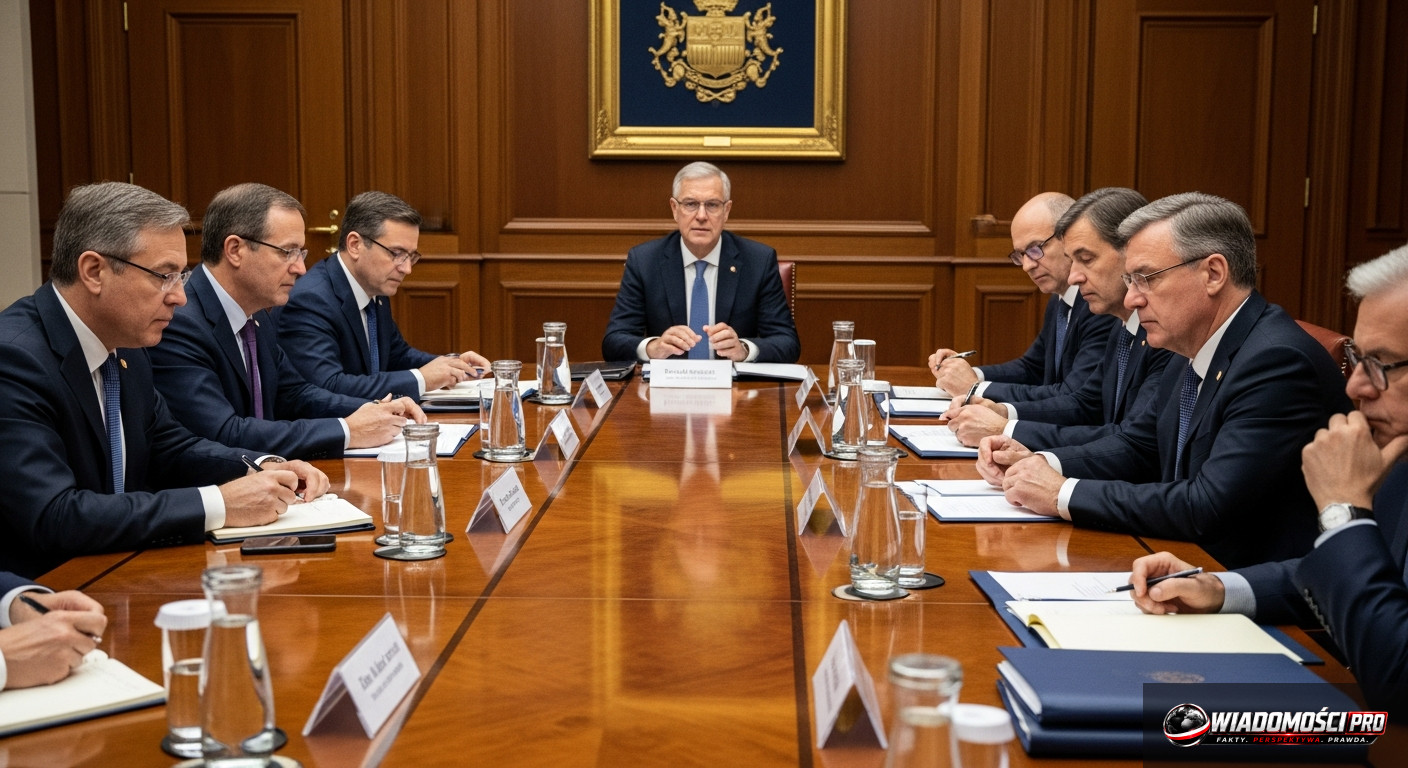
Market experts, who just a few months ago argued about the pace of cuts, are currently toning down the mood. Analyses published in July 2026 point to the need to monitor inflation data before taking any moves. According to forecasts, the MPC will not make any gesture until price dynamics show a clear, lasting downward trend and geopolitical tensions weaken.
For a market observer, the situation is clear: the central bank has become a hostage to data. Every CPI inflation reading is analyzed through the prism of its impact on the zloty. Analysts note that this is not a time for political declarations, but for cold calculation. As long as market uncertainty remains as high as it was in July, any speculation about cuts in 2026 is fraught with a huge risk of error.
What does this mean for your wallet? First of all, the need to come to terms with current costs. Savers must look for alternatives to deposits, which at a 5.75 percent reference rate do not provide real returns above inflation. Borrowers, on the other hand, must assume that their installments will not fall in the near future. Stabilization has become the new norm to which markets have had to get used to. In this puzzle, caution wins, and the price of this peace is passed on to consumers and entrepreneurs.
NBP Strategy: between stability and growth
The Monetary Policy Council conducts a policy intended to ensure the country's macroeconomic security. Maintaining rates at 5.75 percent is an expression of the conviction that the economy is able to survive a period of high money costs without falling into recession. NBP policymakers must balance the fight against inflation with supporting economic growth, which is currently showing signs of fatigue.
In stock market corridors in July 2026, questions multiplied about whether the MPC should raise rates to stifle inflation. The Council, however, chose the safe variant, i.e., a ceasefire. The lack of hikes is a signal that the state of the economy is not bad enough to require radical moves, but also not good enough to allow for easing. This is a wait-and-see strategy, where the only certain thing remains the cost of money.
Whoever was counting on quick changes must arm themselves with patience. The NBP does not intend to rush as long as the external information noise, generated by the USA-Iran conflict, does not subside. For the average citizen, this means the continuation of a belt-tightening policy in the area of personal finance. The lack of an impulse in the form of lower rates means that the credit market will remain dormant, and banks will not compete for customers with deposit offers.
What this means for you
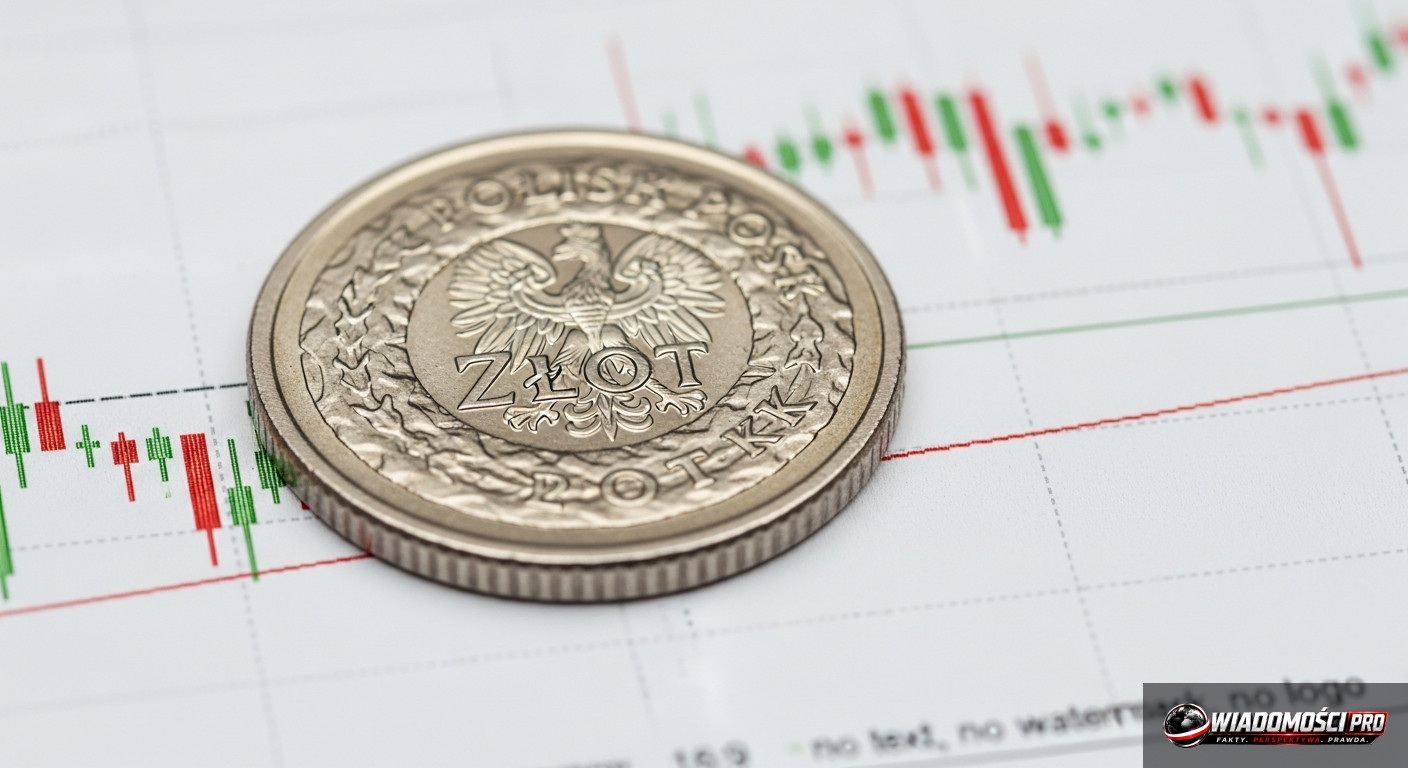
For borrowers, the decision means maintaining high installments, which directly limits household budgets. Only those with savings in deposits gain, although even in their case, interest is often eaten up by inflation. The catch is external pressure – the situation in Iran may force the MPC to continue refraining from cuts, even if domestic inflation begins to slow down. This means that your finances are dependent on events over which you have no influence, and which are happening thousands of kilometers from Poland.
Questions and answers
Will my loan installments increase after the MPC decision?
No, maintaining rates at 5.75 percent means no changes in the interest rate resulting directly from the NBP decision. Installments remain at their current level unless the WIBOR index changes, which is independent of the Council's direct decisions, although it is influenced by them.
When can the next decision on rates be expected?
Subsequent MPC meetings take place regularly, according to the central bank's calendar. However, forecasts from July 2026 clearly indicate the council's great caution before any cuts in the short term.
Does the situation in Iran have a real impact on my finances?
Yes, geopolitical tensions weaken the zloty, which affects the prices of imported goods and raw materials, and thus inflation. This, in turn, limits the space for the MPC to lower interest rates, which directly translates into the amount of your loan installments.
Can banks increase interest on deposits despite no change in rates?
Theoretically yes, banks can compete for customers, however, at the current NBP rate level, they do not have a strong incentive to fight for deposits with higher interest. The situation in the deposit market is currently stable, which means no significant movements up or down.
What increase in debt servicing costs should I prepare for?
If you have a variable-rate loan, your main threat is not the current decision, but possible changes in the WIBOR index. At current rates, installments are high but predictable. Any change in monetary policy in the future will affect the amount of your debt.
Is it worth overpaying a mortgage now?
At the current level of interest rates and the high cost of credit, overpaying debt is one of the few available methods of real reduction in debt servicing costs. It is worth considering such a strategy if you have free funds, because it reduces the base for calculating interest, which brings measurable benefits in the long term.
How long can the period of high rates last?
Market forecasts from 2026 do not give a clear answer. Everything depends on the dynamics of inflation and the development of the international situation. As long as external factors destabilize markets, the MPC will maintain a defensive stance, which may mean many more months with the current level of interest rates.
Does the NBP take into account the situation of families with loans when making decisions?
The MPC is guided primarily by the inflation target and the stability of the financial system. Although the situation of households is analyzed in a broader macroeconomic context, it is not the main factor determining interest rate decisions. The priority remains maintaining the value of money.
What if inflation starts to fall rapidly?
If macroeconomic data confirm a lasting decline in inflation, the MPC will certainly look into the topic of cuts. However, in July 2026, such scenarios were treated by analysts with a high degree of reserve. The market needs hard evidence, not just temporary readings, to change the direction of monetary policy.
Is the zloty safe in this situation?
The zloty remains under the influence of external factors. The stability of our currency depends on the global investment climate. Investors treat the zloty as an asset sensitive to geopolitical risks, which is why any escalation of conflicts in the world will put pressure on its quotations.
Sources
- See what happens with your loan! MPC has made a decision - wGospodarce
- MPC maintains rates unchanged – will the escalation in Iran bring hikes? (ANALYSIS) - Parkiet
- Interest rate forecasts in 2026 - Direct Money
- Interest rate value August 2026. Forecasts and current information about interest rates in Poland - TotalMoney.pl
- There is an MPC decision on interest rates. It is already known what happens next with loan installments - businessinsider.com.pl
- USA and Iran are at daggers drawn, and the MPC is not cutting rates. Zloty under pressure - INNPoland.pl
- Monetary Policy Council lowered interest rates. This is already the second autumn quarter - bankier.pl
- Interest rates down again. But it's too early for joy. When is the next MPC decision? - Forbes
Article prepared by the Wiadomości PRO editorial team with the support of artificial intelligence. Facts come from the sources listed above.


Komentarze (0)
Ładowanie komentarzy...