
In brief
- For over 40 years, he was associated with the Aleksander Węgierko Dramatic Theatre in Białystok.
- He gained widespread recognition for his role as Father Antoni in Jacek Bromski's "U Pana Boga" film series.
- He played a memorable role as a police officer in Marek Koterski's award-winning 2002 film "Dzień świra" (Day of the Wacko).
The road to the theater: The actor's Białystok roots
Andrzej Bej-Zaborski was born in 1951 and remained faithful to one stage throughout his entire artistic life. For four decades, he was a pillar of the Aleksander Węgierko Dramatic Theatre in Białystok. This is rare loyalty in a profession where frequent changes of playbills are the norm, not the exception. To the Białystok audience, he was not just a face from television screens, but a neighbor and an artist whose development they had followed for decades.
His artistic biography spans over 40 years of work, in which the balance between theater and cinema was clearly tilted toward the dramatic stage. Viewers from outside the region, however, associate him mainly through the prism of two roles. The first is the parish priest in the "U Pana Boga" series, where he brought an authentic sense of calm and perspective to the character, far removed from caricatured depictions of clergy. The second is his iconic, albeit episodic, appearance in Marek Koterski's "Dzień świra". This is proof that even a short moment on screen can permanently stay in a viewer's memory if the actor possesses the right charisma.
However, there is a lack of widely available materials documenting the early period of his studies and the specific inspirations that led him to the Białystok stage. Source materials do not specify what his first steps were before his theater debut, which leaves a certain gap in the narrative regarding the formation of his style. It is worth remembering that in 1951, when he was born, the Polish provincial theater scene looked completely different than it does today. Bej-Zaborski was a bridge between the old school of craft and the contemporary popularity brought to him by film. His passing marks the end of an era in the local environment, where the actor was an institution, not just a contract worker.
Father Antoni: Symbol of the "U Pana Boga" series
For viewers raised on Polish cinema at the turn of the century, Andrzej Bej-Zaborski was not just a supporting actor. He was the face of calm. His Father Antoni from the "U Pana Boga" series became an almost monumental character, though built from completely different materials than the film protagonists from the front pages of newspapers. There was no rush in him, no grand gestures. There was the Podlasie aura that director Jacek Bromski was able to exploit so precisely.
Bej-Zaborski appeared in the key installments of the cycle: "U Pana Boga za piecem" in 1998, "U Pana Boga w ogródku" in 2007, and "U Pana Boga za miedzą" in 2009. Throughout these years, his priest kept the cinematic community of Królowy Most in check. He became the embodiment of kindness, which is hard to find in today's often exaggerated portrayals of clergy in mainstream media. The actor didn't have to shout to be noticed. It was enough that he was there.
It is a rare skill to turn a supporting role into the foundation of an entire series. Viewers returned to these films precisely for that specific chemistry he created on screen. He left behind over 40 years of artistic work, which in itself is an impressive result, but it is this performance – along with the iconic, albeit short, episode in Marek Koterski's "Dzień świra" – that defines him in the public consciousness.
It is difficult today to point to another example of an actor so permanently rooted in collective memory through a character that was intended to be just a background for the adventures of other protagonists. It was never confirmed whether this type of role was the pinnacle of his professional ambitions or perhaps just a safe haven in the uncertain world of acting. We do know one thing, however. In his modesty, Bej-Zaborski created a character that stood the test of time better than many leading performances from that period.

Collaboration with Koterski: The episode in "Dzień świra"
In 2002, in the film "Dzień świra" directed by Marek Koterski, Andrzej Bej-Zaborski appeared on screen as a police officer. Although his presence lasted only a brief moment, this scene still functions in collective memory today as one of the most expressive supporting episodes in Polish cinema of the 21st century. Koterski, a master of capturing acting personalities, bet on Bej-Zaborski to complete the tragicomic image of Polish reality with a few telling gestures.
For many viewers, it is this moment, alongside the iconic role of the priest in the "U Pana Boga" series, that defines the actor's craft. Bej-Zaborski was able to convey more truth about his character in a few seconds than others could in full-length performances. He did not need elaborate monologues. A specific intonation and sparing facial expressions were enough to create a character that is impossible to forget. This is a rare skill, especially in Polish cinema, where supporting characters often get lost in the shadow of the main protagonists.
Leaving behind over 40 years of artistic work is an impressive and rare result in today's acting realities. Bej-Zaborski was not a celebrity from the front pages of newspapers, which in his case turned out to be his greatest advantage. He avoided exaggeration. Instead of building an image on scandals, he focused on ensuring that every character – even an episodic one – had a moral backbone or at least a credible motivation.
Critics often point out the lack of authenticity in small roles in contemporary productions. Bej-Zaborski was the antithesis of this thesis. Looking at his achievements, it is hard to shake the impression that the Polish acting school is losing one of its most solid foundations. The films remain. The memory of a man who knew that in acting, less is more, remains.
Theatrical passion: Work on the stage in Białystok
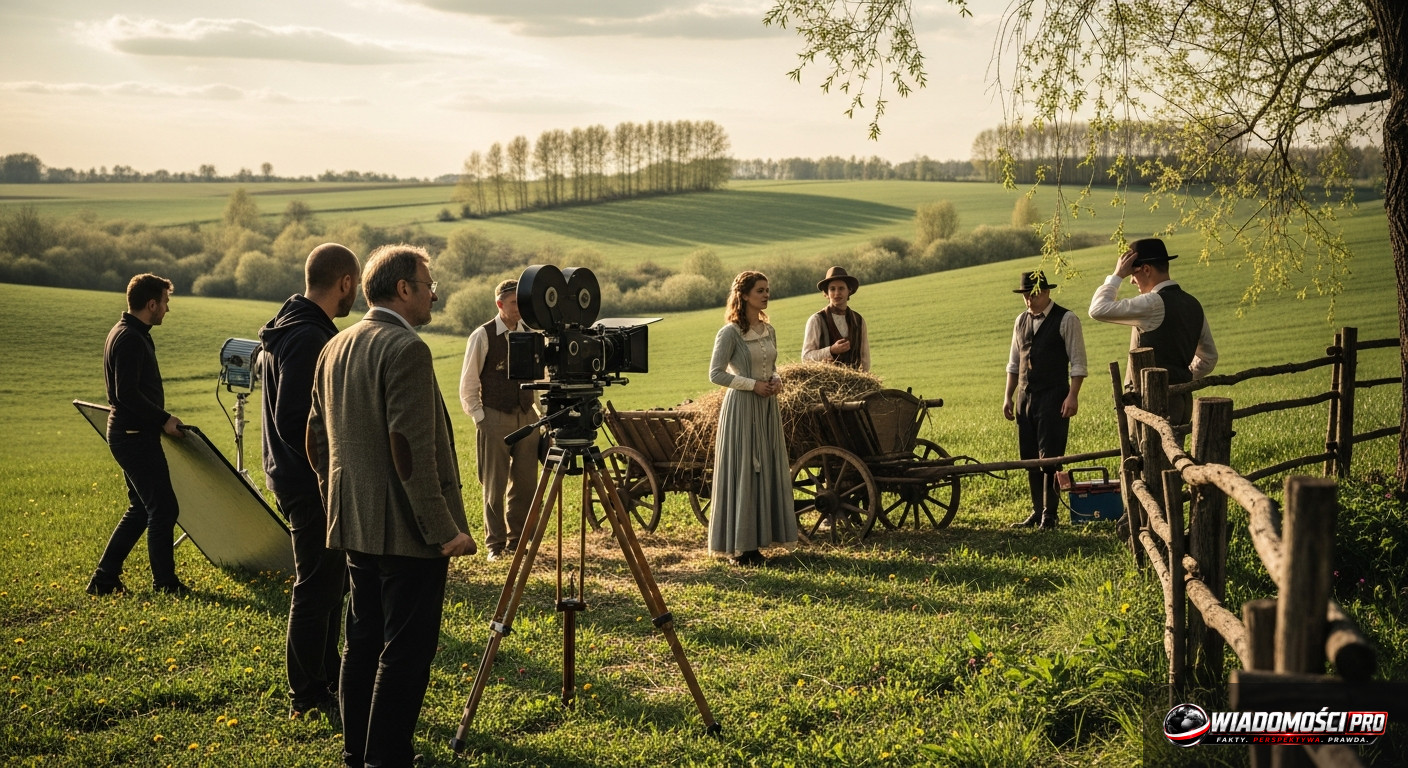
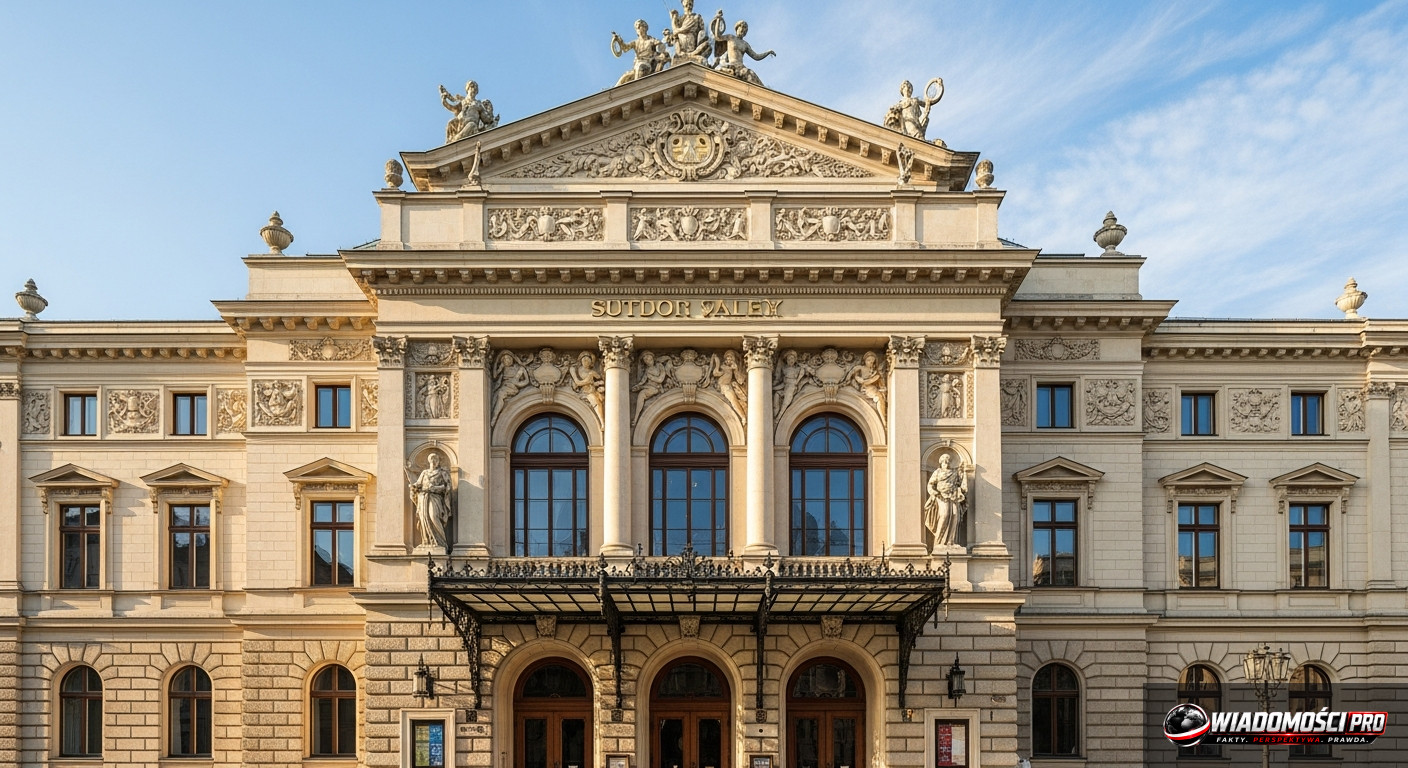
Andrzej Bej-Zaborski was, first and foremost, a theater actor. Although the general public associates him with film frames, it was the stage of the Aleksander Węgierko Dramatic Theatre in Białystok that formed the foundation of his professional life. He spent over four decades there, building his reputation not in the spotlight, but through daily craft, which for many of today's celebrities is too demanding.
In his career, he never took shortcuts. He did not seek applause through cheap tricks or easy recognition, which in the age of social media seems almost an archaic approach. He focused on the text, on his partner on stage, and on what he wanted to convey to the viewer sitting in the row at that given moment.
Here is what makes up this legacy:
- He played dozens of roles on stage, including in classical and contemporary plays, which made him one of the most versatile artists in the region.
- In 2010, he was honored with the Silver Medal for Merit to Culture "Gloria Artis", which was an official confirmation of his contribution to Polish culture, although the authenticity of his acting was more important to the audience itself.
- He left behind over 40 years of artistic work, including the memorable role of the priest in the "U Pana Boga" series and the iconic episode in "Dzień świra".
Watching him in these productions, it is easy to forget that behind each of them were thousands of hours spent in rehearsals that no one saw except the theater troupe. There is a lack of detailed data on the number of all the plays he performed in – archives in this regard are not complete, which is typical for many artists associated with regional theaters. Nevertheless, his influence on the Białystok stage remains undeniable. It was there, in the shadow of big-city productions, that he forged his craft, which he later translated so naturally into the language of film.
Acting style: Why did the audience love him?
Andrzej Bej-Zaborski did not have to strive for the audience's sympathy because his craft was based on a foundation that was becoming increasingly rare in Polish cinema: absolute naturalness. Viewers, looking at him on screen, often had the impression that they were meeting someone they knew, a neighbor from across the street, and not an actor playing a role. This ability to build an almost intimate bond with the recipient was not a random gift, but the result of over 40 years of artistic work. Over four decades, he developed a language of communication in which there was no room for falsehood or overacting.
The key to his phenomenon was a rare proficiency in balancing seriousness with subtle humor. Bej-Zaborski was able to convey deep reflection in one scene, with one look, and a moment later release the tension with an ironic smile. It was this versatility that made his performances stand the test of time.
An example of this unique technique is his priest in the "U Pana Boga" series. In the hands of a less skilled actor, the character of a clergyman could have become either a caricature or a monument. Bej-Zaborski made him a man of flesh and blood, full of empathy, but also his own small weaknesses. In turn, his episode in "Dzień świra" is a textbook example of how, with just a few minutes on screen, one can permanently etch oneself into the viewers' consciousness. He did not need hours of screen time to create an iconic character.
It is worth noting, however, that this acting restraint is sometimes underestimated by critics. In a world where expressive, often exaggerated gestures are valued, Bej-Zaborski's style could have seemed too modest. It has not been confirmed that the actor ever sought big, leading roles in box-office productions, which suggests that craft and authenticity were more important to him than celebrity glitz. This made his death a loss not only for the stage, but for the viewer who looks for truth in cinema, not just entertainment.
Legacy: How do we remember Andrzej Bej-Zaborski?
Andrzej Bej-Zaborski passed away on October 27, 2022, leaving behind over 40 years of artistic work. It is half a century that has been etched into Polish culture not so much by monumental roles in national dramas, but by an extraordinary ability to build flesh-and-blood characters in whom viewers could easily find themselves. His body of work includes the memorable role of the priest in the "U Pana Boga" series and the iconic episode in "Dzień świra".
These performances, although on different scales, show the range of his talent. In "U Pana Boga", he became the face of Podlasie, an actor with whom this region was inextricably linked. This was not a folk-art image, however. Bej-Zaborski was able to give the character of the priest a human, warm dimension, full of perspective, which for many residents of eastern Poland made him an almost familiar figure. In turn, the episode in "Dzień świra" is proof that he could shine in a short form, perfectly fitting into Marek Koterski's bitter social diagnosis.
He remains in memory as one of the most important actors associated with Podlasie. This is important, because in Polish cinema, regional color is often caricatured. Bej-Zaborski managed to avoid this trap. We do not have a detailed list of all his theatrical roles, as a complete archive of his stage activity has not been fully systematized in publicly available databases, which is a certain oversight in the context of documenting Polish culture.
Today, looking at his achievements, we see an actor who did not have to shine in the tabloids to be recognizable. His legacy is proof that Polish cinema stands not only on big names from the front pages of newspapers, but on craftsmen of the class of Bej-Zaborski. There is less glitz in this, and more truth about everyday life. And it is this truth that makes his face still bring a smile when we accidentally come across reruns of his films.
What this means for you
The death of Andrzej Bej-Zaborski is a loss for Polish regional culture and proof of the great role that outstanding supporting actors play in the success of films, giving productions authenticity.
Questions and answers
When did Andrzej Bej-Zaborski die?
The actor died on October 27, 2022, at the age of 71.
What role was he most known for?
He gained the greatest popularity for his role as Father Antoni in the "U Pana Boga" film series directed by Jacek Bromski.
Did the actor only perform in films?
No, for over 40 years he was primarily a respected theater actor, associated with the Dramatic Theatre in Białystok.
Article prepared by the Wiadomości PRO editorial team with the support of artificial intelligence. Facts come from the sources provided above.

Komentarze (0)
Ładowanie komentarzy...