In brief
- A fossil of a member of the Hupehsuchidae family from 244 million years ago has been discovered.
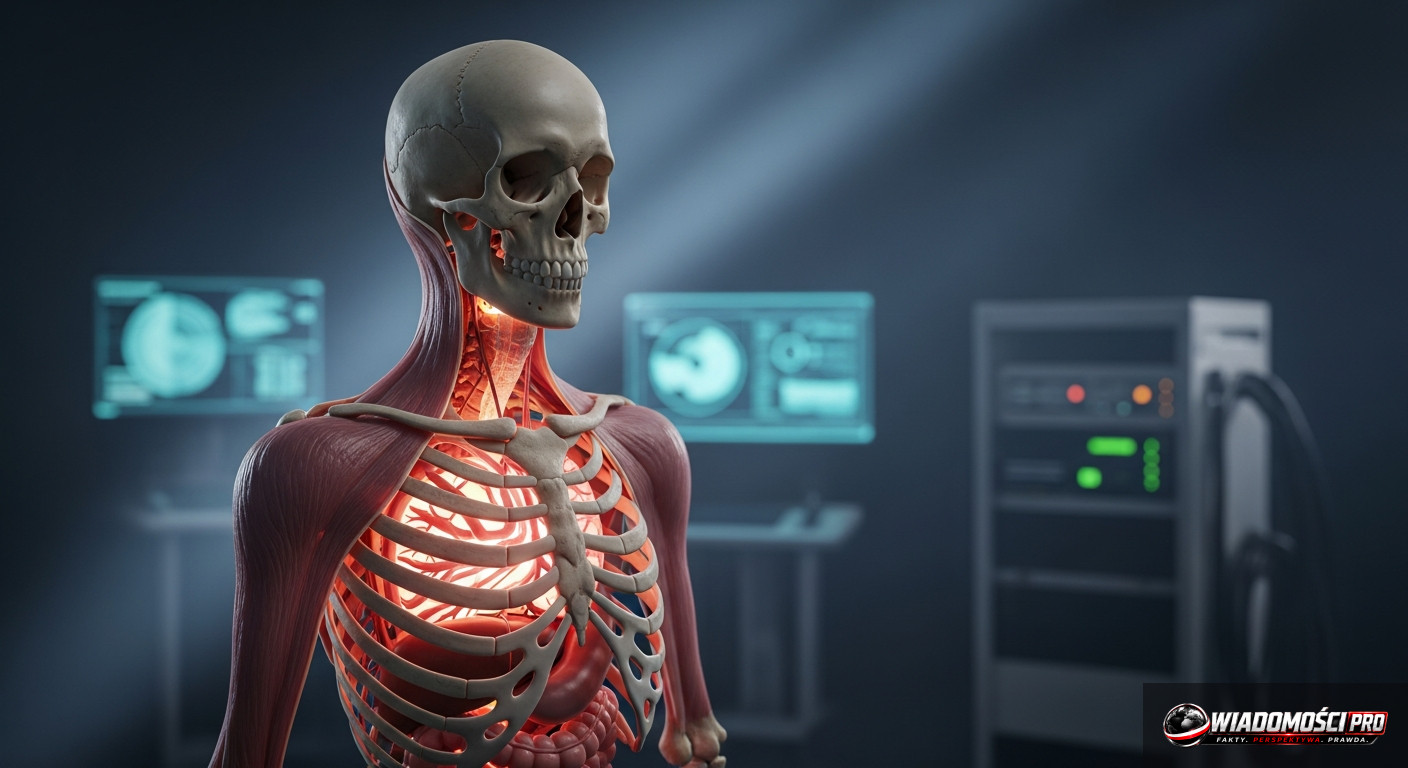
- Preserved organs include the liver, stomach, and structures resembling the heart and lungs.
- Analysis has shown that the evolution of complex internal anatomy in marine reptiles occurred faster than previously thought.
Sensational find in Chinese Triassic beds
Sensational find in Chinese Triassic beds
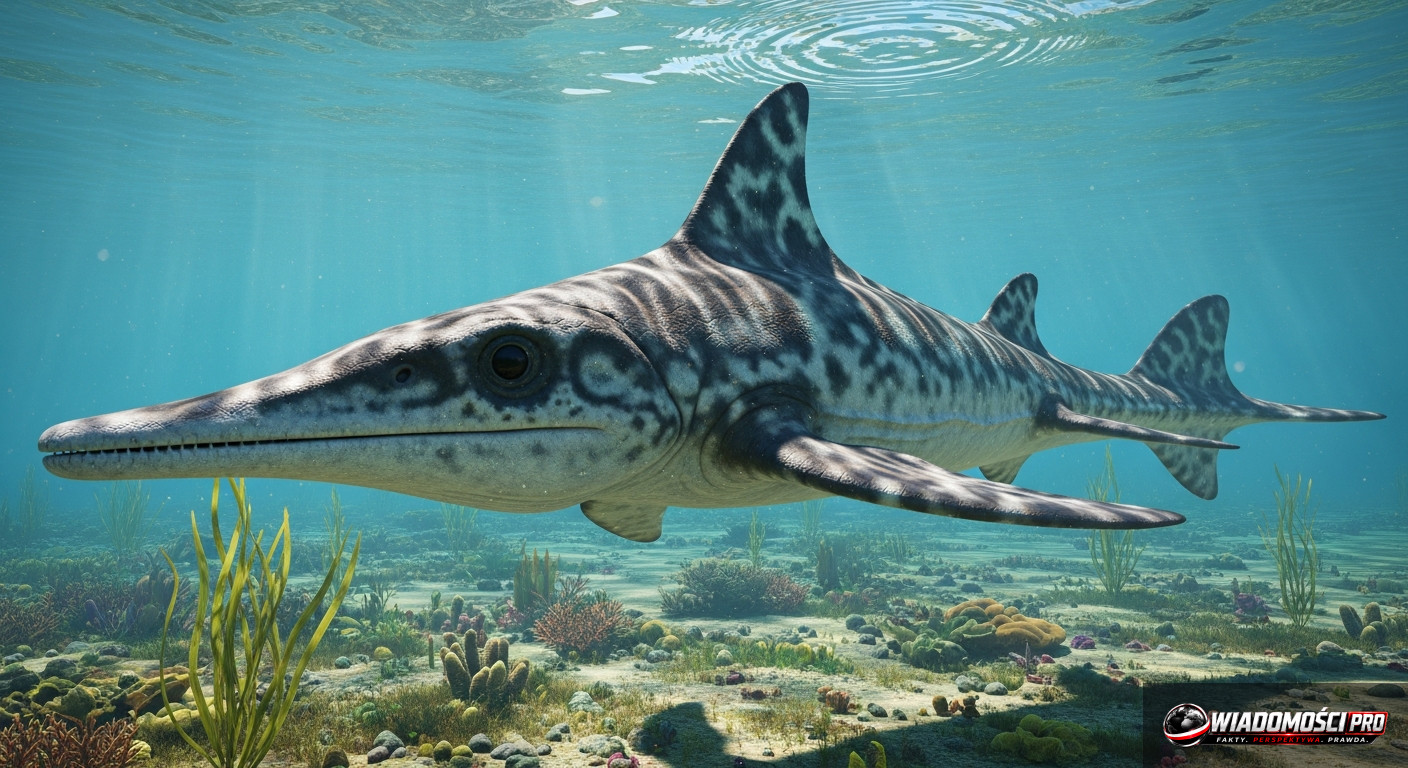
A team of Chinese scientists has identified preserved internal organs, including the liver and a probable heart, in a marine reptile from 244 million years ago. We are talking about a member of the Hupehsuchidae family, a creature that swam in the waters of the Middle Triassic long before the appearance of many of the dinosaurs we know today. The fossil was found in China's Hubei province, a region long known to paleontologists for its rich fossil deposits, but this specific find is a game-changer in the study of early marine reptile anatomy.
Hupehsuchidae are an exceptionally mysterious group. Their specific body structure, often characterized by an elongated torso and an unusual skeletal system, has for years been a puzzle for researchers trying to reconstruct the lifestyle of these animals. Until now, our knowledge was based almost exclusively on the analysis of skeletons. Now, thanks to the preservation of soft tissues, scientists have gained insight into what was inside the armor, which happens extremely rarely in the fossil record.
The fact that after nearly a quarter of a billion years we can point to the location of the liver or heart is a phenomenon. However, it requires caution. The materials provided by the researchers do not specify the exact state of preservation of these structures or what specific imaging techniques allowed for their unambiguous identification. Are we dealing with a full tissue structure, or merely a mineral cast that replicated the shape of the organ? This key detail has not yet been confirmed, which leaves room for discussion for skeptics.
The Hubei find sets a new standard in paleontology. If verification confirms the team's initial assumptions, we will receive the most complete picture of Hupehsuchidae physiology ever obtained. However, there is no information on whether traces of the digestive or respiratory systems were also discovered, which would allow for a more complete reconstruction of this predator's metabolism. We are waiting for further technical publications.
Anatomy under the microscope: what was preserved in the rock?
Chinese scientists have identified internal organs that survived in the body of a 244-million-year-old reptile from the Hupehsuchidae family. This is a paleontological rarity, even an anomaly. Usually, after such an unimaginably long time, only bones and teeth remain in fossils. Here, geochemical processes allowed for something more.
Soft tissues underwent mineralization, which enabled their precise reproduction in the rock. This is a phenomenon, as usually in such old specimens, soft tissues decompose completely before the sediment can fix them. Researchers had to face the challenge of interpreting structures that had been subjected to geological pressure for hundreds of millions of years.
- Liver: preserved as a dense, clearly demarcated area in the abdominal cavity, suggesting its significant role in the reptile's metabolism.
- Stomach: its outlines shed new light on the diet and digestion rate of these predators in the Triassic.
- Heart: this is the most controversial element of the discovery, the identification of which is based on the specific arrangement of mineralized tissues in the chest.
- Lungs: visible thanks to chemical processes, indicating gas exchange mechanisms in these marine creatures.
Although the visualizations are impressive, we must keep a cool head. Identifying organs in 244-million-year-old specimens always carries the risk of interpretative error. It has not been unambiguously confirmed whether all identified structures correspond 100% to functional organs at the time of the animal's death, or whether we are dealing with accidental artifacts of the fossilization process. We also lack data on the state of the nervous system, which likely decomposed irreversibly before mineralization began. This is a rare glimpse into the biology of animals we previously knew mainly from hard remains, but it is far from a complete picture of their anatomy.

CT technology as the key to the interior of prehistory
CT technology as the key to the interior of prehistory
A team of Chinese researchers approached the 244-million-year-old fossil in a way that seemed impossible a decade ago without destroying the precious specimen. Instead of using chisels or acids, the scientists used high-resolution computed tomography. This was not a standard medical procedure. The device was adapted specifically for the needs of paleontology to penetrate the layers of sediment and rock in which the Hupehsuchidae reptile was trapped.
The main goal of the operation was to create a three-dimensional model of the internal organs. The success of this endeavor was based on physics – specifically on the ability to distinguish tissues based on mineral density. Although the soft tissues underwent fossilization long ago, their mineral "imprint" was preserved in the fossil's structure. Thanks to this, researchers identified shapes resembling a liver and a probable heart, which under normal conditions would be indistinguishable from the surrounding rock.
The question of how accurately these models reflect the actual state remains open. Science in this case balances on the edge of digital data interpretation and real biological evidence. No official data regarding the margin of error in this analysis has been provided, which forces caution in passing judgment. Is it really a heart, or just a specific arrangement of minerals mimicking an organ? The scientists are confident in their findings, but skeptics may argue that software often "fills in" missing fragments, creating visualizations that are pleasing to the eye but not necessarily accurate to every micron. Nevertheless, this method opens a new chapter in the study of the anatomy of extinct species, allowing us to look inside prehistoric creatures without the risk of losing even a millimeter of a priceless fossil.
Hupehsuchidae: an evolutionary puzzle
Hupehsuchidae: an evolutionary puzzle
Thanks to the discovery by Chinese scientists, preserved internal organs, including the liver and a probable heart, have been identified in a 244-million-year-old marine reptile from the Hupehsuchidae family. This find is not just an anatomical curiosity. It provides hard evidence of how early marine reptiles coped with a drastic change in environment.
This group shows advanced features of adaptation to life in water as early as the Triassic period. We are talking about a time when terrestrial tetrapods were just relearning existence in the ocean depths. Unlike the organisms we know today, Hupehsuchidae have bipartite ribs. This is a unique feature that practically does not occur in other reptile groups. An anatomical peculiarity that still keeps paleontologists awake at night.
The conclusions drawn from the analysis of these remains indicate an exceptionally fast rate of evolution in response to rapid changes in the ocean ecosystem of that time. These animals did not waste time on slow adaptations. They had to transform their circulatory and digestive systems at a rate that remains a mystery to evolutionists.
Does this mean we have to revise the family tree of all marine reptiles? Not necessarily. Although the find is impressive, it still lacks the intermediate links that would connect Hupehsuchidae to their terrestrial ancestors. It has also not been confirmed whether the identical rate of change applied to other concurrently living groups. We have a piece of the puzzle in front of us, but we still do not see the full picture. We know that these reptiles were masters of rapid adaptation. However, we do not know what physiological costs they had to pay for it. Researchers are silent on the issue of potential diseases or metabolic limitations that could have resulted from such rapid evolution. This remains only in the realm of conjecture.
Significance for modern paleontology
Significance for modern paleontology
Thanks to the discovery by Chinese scientists, preserved internal organs, including the liver and a probable heart, have been identified in a 244-million-year-old marine reptile from the Hupehsuchidae family. This find pushes the boundaries of what we previously considered possible in the study of fossil remains. For decades, paleontology relied almost exclusively on the analysis of skeletons, which rarely revealed anything about soft tissues or the way an organism functioned. Now we are getting an insight into physiology that we could previously only speculate about.
Direct access to internal structures allows scientists to ask completely new questions. We no longer have to guess how these creatures worked. We have hard data.
- Breaking the pattern: previous studies of Triassic reptiles focused on bone structure, which imposed limitations on the interpretation of their lifestyle. The current insight into internal anatomy allows us to move from a description of external form to an understanding of a biological machine.
- New data: access to preserved organs provides a basis for estimating the metabolic rate of early marine reptiles. This is important because it allows for the verification of theories about how quickly these animals adapted to life in water.
- Next steps: the research team now plans to compare the identified structures with other Triassic species, which is intended to help determine whether the discovered morphology was the norm for this group or merely a local anomaly.
However, one should remain moderate in their enthusiasm. Although the find is unique, a single specimen does not turn the entire evolutionary tree upside down. Comparative data from other sites are still missing, which would confirm that the heart and liver of Hupehsuchidae actually functioned in the way we assume today. It has also not been confirmed whether the preservation of these organs is the result of specific geochemical conditions of the burial site or an anatomical feature conducive to fossilization. Without these answers, the interpretation remains a hypothesis, albeit an extremely promising one.
What else do we not know about this specimen?
The success of Chinese researchers in identifying internal organs in a 244-million-year-old reptile from the Hupehsuchidae family is indisputable, but science rarely gives us ready-made answers to all questions. Although they managed to point out the liver and structures resembling a heart, the team faces the challenge of verifying these discoveries. Enthusiasm is dampened by the lack of full confirmation of the chemical composition of the tissues. Research in this area is ongoing, and only this will allow us to definitively separate organic matter from possible geological artifacts that may have formed inside the fossil over millions of years.
The state of preservation of the heart also remains a key issue. Currently, there is no certainty whether the identified structures are 100% complete or require much more careful interpretation. Paleontologists still do not have enough evidence to state whether we are dealing with a full organ or only its outline, which survived the fossilization processes. Drawing conclusions about the physiology of this marine predator too quickly could lead to erroneous theories about its circulatory system.
Further research work will focus on the microscopic analysis of the texture of the organs. It is this stage that is to decide whether the structures we take for a liver or heart today possess features characteristic of the soft tissues of these specific animals. The lack of confirmation of this fact means that the current classification remains a working hypothesis. Scientists must rule out the influence of mineralization processes, which often imitate the structure of organs. For outside observers, this means one thing: for the final confirmation of this reptile's anatomy, we must wait until technology allows us to look deeper into the structure of the fossil.
What this means for you
For science, this is a technological leap that forces an update to evolutionary biology textbooks. The catch lies in the interpretation of soft tissues – paleontologists must be careful not to attribute functionality to organs that have undergone strong mineralization.
Questions and answers
Why didn't the internal organs rot?
Thanks to rapid burial in bottom sediments with low oxygen content and unique mineralization processes, the tissues were replaced by minerals before they decomposed.
Was this reptile an ancestor of today's turtles?
Although Hupehsuchidae show some common features with early turtle ancestors, they are currently considered a separate evolutionary line that went extinct at the end of the Triassic.
Is the discovery available to visitors?
The fossil is currently in a Chinese scientific institute, where it is undergoing further research; a public exhibition is planned after the full scientific publication is completed.
Article prepared by the Wiadomości PRO editorial team with the support of artificial intelligence. Facts come from the sources provided above.

Komentarze (0)
Ładowanie komentarzy...