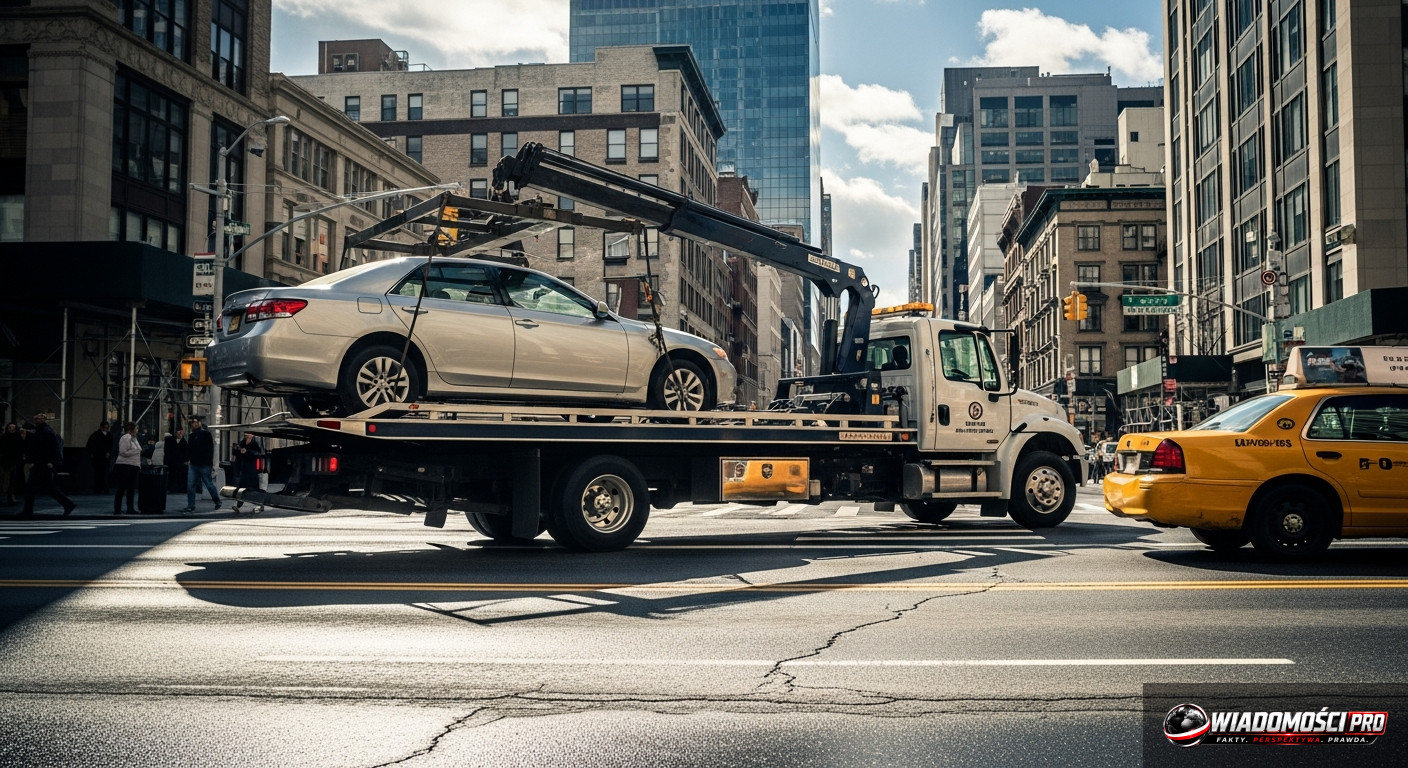
From January 1, 2027, the maximum rate for removing a vehicle from the road will be 837 PLN, according to the latest announcement from the Ministry of Finance. This decision constitutes an official update to the limits provided for in the Road Traffic Law. The Ministry of Finance, in accordance with statutory requirements, has revalued the rates based on the consumer price index, which directly translates into an increase in the costs incurred by drivers for the intervention towing of a car.
The announcement by the Minister of Finance, which sets new upper limits for fees, is an executive act aimed at making the costs incurred by municipalities in connection with vehicle removal more realistic. This process is not voluntary. It stems from Article 130a of the Road Traffic Law, which obliges the ministry to announce maximum rates by way of a notice published in the Monitor Polski. For local governments, the amount of 837 PLN represents a ceiling above which they cannot set fees in their local resolutions.
Drivers who commit violations resulting in the removal of their vehicle will face a new cost regime from the beginning of 2027. This change ends the period of validity for rates set in previous years. The legal structure of these fees assumes that the municipality is obligated to cover the towing costs and then seek reimbursement from the vehicle owner. Shifting these costs to the owner is legally sanctioned, and any increase in the ministerial limit gives municipal councils the green light to raise local fees.
Rate revaluation mechanism
The increase to the level of 837 PLN is the result of a mathematical calculation of the costs of handling infrastructure and services provided by tow truck operators. The Ministry of Finance does not act arbitrarily. The basis for the calculations is the dynamics of changes in consumer prices and services, published by the President of the Central Statistical Office. If the costs of fleet maintenance, fuel, and technical service rise, this index automatically pulls the upper limit of fees for vehicle removal along with it.
From a legal point of view, this rate is the maximum. This means that a municipality may decide on a lower amount by way of a municipal council resolution. However, municipal practice indicates that in the face of rising budget expenditures, municipalities rarely decide to keep rates below the maximum allowable ceiling. For many local governments, the towing fee is a tool that allows them to fully compensate for expenses incurred on behalf of external companies performing these tasks.
The effect of this legislative path is the shifting of the economic burden onto road users. The change is systemic in nature and covers all owners of motor vehicles, regardless of the type of violation that led to the intervention of the services. From January 2027, the definition of the cost of "vehicle removal" takes on a new financial dimension.
Towing procedure and storage costs
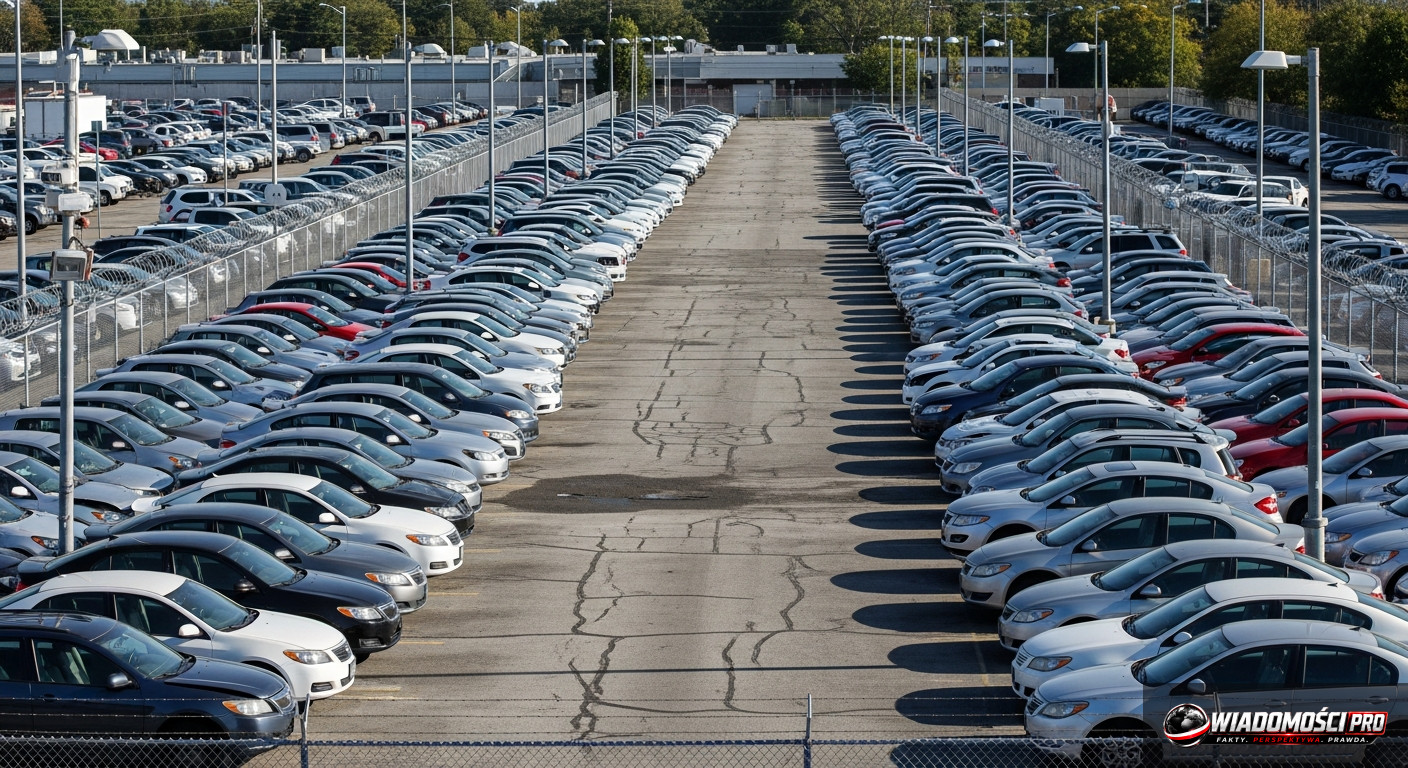
Towing itself is only the beginning of the bill. The provisions of the Road Traffic Law precisely define the moment when a vehicle becomes the subject of an administrative procedure. The moment the car arrives at a designated guarded parking lot, storage costs are calculated. The Ministry of Finance's announcement concerns two separate price elements: the cost of vehicle removal and the daily rate for its stay in the impound lot.
When picking up the car, the driver pays a total amount covering both of these items. It should be emphasized that the time the vehicle spends in the parking lot is crucial for the final amount of the bill. Each started day generates an additional financial burden. Parking lot owners, operating on the basis of contracts with municipalities, are required to comply with the maximum rates, although in practice they rarely offer rates lower than those indicated in the announcement as the upper limit.

In a situation where a vehicle is towed, the owner has no room for price negotiation. The fee is administrative in nature and is a necessary condition for recovering property. It is worth analyzing how these costs affect the household budget. For a car owner who spends several days in the parking lot, the final cost can exceed one thousand zlotys, which for many households constitutes a significant financial burden.
Economic perspective of towing companies
An analysis of the reasons for the rate increase must take into account the condition of the towing service sector. Operators point to a drastic increase in operating costs. The prices of fuel, spare parts, and the labor costs of qualified heavy equipment operators are not stagnating. Modern tow trucks, equipped with systems to prevent damage to vehicle chassis, are expensive to operate.
For companies providing services on behalf of municipalities, the previous rates were becoming unprofitable. Maintaining readiness 24 hours a day, 7 days a week, requires the involvement of large human and technical resources. The Ministry of Finance, by updating the limit to 837 PLN, is responding to these market signals. A lack of such an update could lead to a situation where municipalities would have trouble finding contractors ready to remove poorly parked cars.
From an analytical perspective, this increase stabilizes the towing service market, but at the same time creates a financial barrier for drivers. This is a classic example of a situation where the public interest – understood as maintaining road throughput and safety – conflicts with the interest of the individual.
Municipalities as beneficiaries and organizers
The role of local governments in the entire process is twofold. On the one hand, they act as organizers, selecting companies to operate parking lots and tow trucks through tenders. On the other hand, they are the decision-making body setting the final amount of fees within the limits set by the ministry.
An analysis of the budget resolutions of Polish municipalities shows that revenue from towing fees constitutes a significant item in the own income of some local governments. However, this is not net income. Municipalities must bear the costs of legal services, maintaining parking management systems, and monitoring. Introducing the 837 PLN rate from 2027 will allow municipalities to bridge the gap between the costs incurred for external companies and the revenue from cost reimbursement from drivers.
For local authorities, it is important that the towing process takes place in accordance with the procedure resulting from the law. Errors in the procedure often lead to car owners challenging decisions, which generates additional legal costs for the municipality. The new rates are therefore also intended to secure the financial liquidity of local governments in this area.
Comparison of rates: cost evolution
Comparing current rates with the new limits that will come into effect on January 1, 2027, allows one to understand the scale of inflationary pressure on public finances. The following summary is based on data from the Ministry of Finance's announcements.
| Fee category | Current limit (until end of 2026) | Limit from Jan 1, 2027 |
| :--- | :--- | :--- |
| Removal of a passenger vehicle | 697 PLN | 837 PLN |
| Storage (per day) | 50 PLN | 60 PLN |
The table above illustrates the growth dynamics. While the towing service itself is becoming 140 PLN more expensive, storage costs are increasing by 20%. For vehicles that, for procedural reasons, must remain in the parking lot for longer than a day, the difference in the final bill will be clearly noticeable.
Practical consequences for drivers
From a driver's point of view, the most important information is the fact that the margin of error regarding parking is becoming increasingly expensive. Until now, motorists could calculate the risk, assuming that the penalty in the form of towing was severe but within certain limits. From 2027, these limits are being shifted upwards.
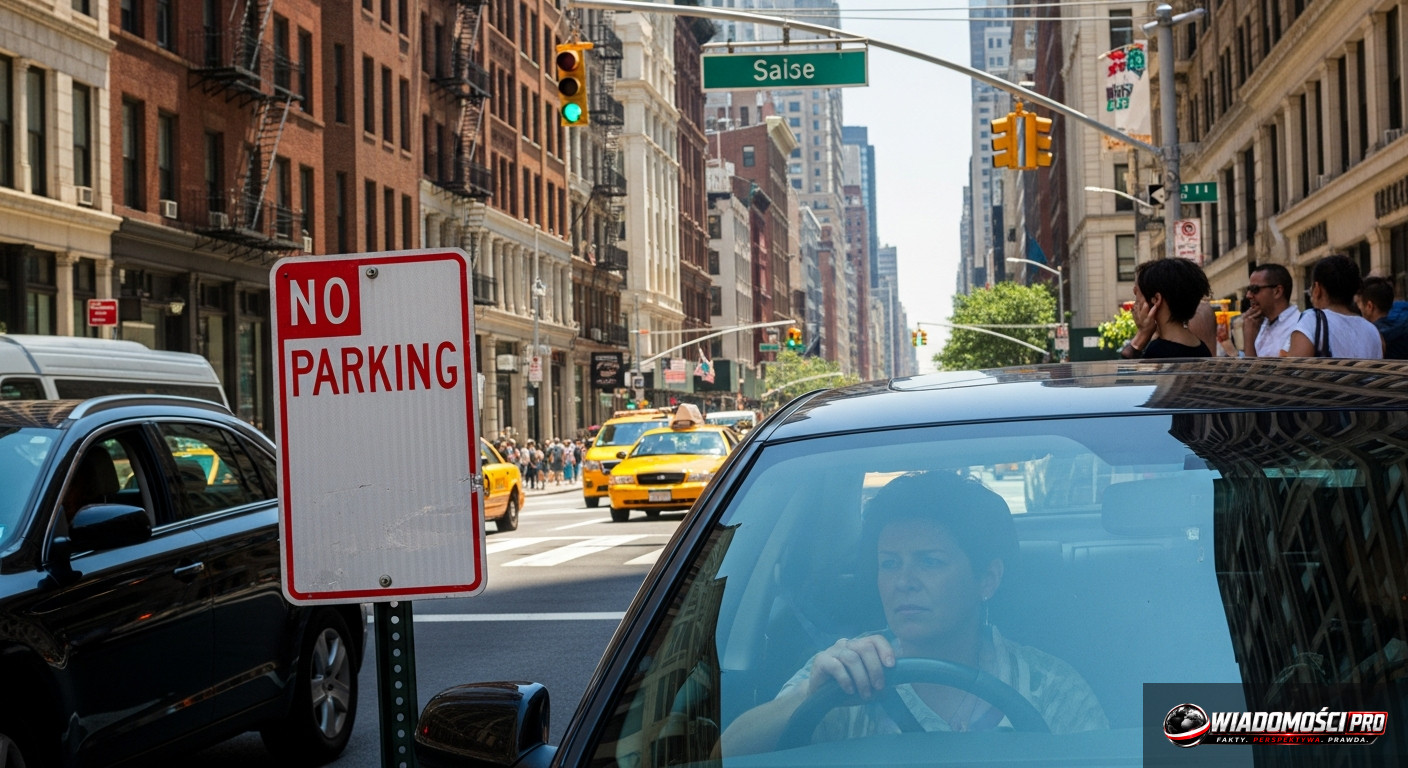
A driver who decides to park in a prohibited place, in practice, accepts the risk of incurring operating costs. This is not a financial penalty in the sense of the Code of Petty Offenses (a fine), but the cost of removing the consequences of an offense. This distinction is legally significant. A fine feeds the state budget, whereas the towing fee serves to cover the costs of performing an administrative action.
It is worth paying attention to the vehicle pickup procedure. It requires the settlement of all dues before the car is released. In practice, this means that in the absence of funds, the vehicle remains in the parking lot, generating further costs for each day of storage. This is a spiral from which the only way out is to settle the dues quickly.
Infrastructure and road safety
The problem of towing vehicles is closely linked to urban infrastructure. In cities where the deficit of parking spaces is a permanent phenomenon, the right to remove cars is a traffic management tool. Law enforcement services, using the right to tow, not only punish the perpetrator but, above all, restore traffic flow in critical places – at pedestrian crossings, intersections, or fire lanes.
In the context of the upcoming changes in 2027, a more rigorous approach by the services should be expected. If the operating cost of towing increases, the pressure for its effective use also increases. Municipalities, by investing in monitoring and traffic management systems, will strive to eliminate communication "bottlenecks."
Questions and answers
Is 837 PLN the amount that every driver will pay without exception?
837 PLN is the maximum rate provided by the Ministry of Finance. A municipality may set a lower fee by way of a resolution, but in practice, local governments usually adopt the maximum allowable rates.
From when does the new 837 PLN rate apply?
The new rates come into effect on January 1, 2027, and apply to all events resulting in the towing of a vehicle after that date.
What makes up the full cost of recovering a car?
The full cost is the sum of the fee for towing itself (maximum 837 PLN) and the fee for each day of storing the vehicle in a guarded parking lot (maximum 60 PLN per day).
Can one appeal against the charged fee?
The fee for vehicle removal is an administrative fee. In the event of an incorrect application of the regulations regarding towing, the owner may challenge the legitimacy of the action, which is a separate path from the financial issue itself.
Does the increase apply to all vehicles?
The above data concerns passenger vehicles. The Road Traffic Law provides for separate limits for other categories of vehicles, e.g., motorcycles or trucks, for which the rates are correspondingly higher.
Analytical summary
The change in towing rates that will come into effect in 2027 is a derivative of inflationary processes and the rising costs of maintaining technical services in Poland. For drivers, this means the need to verify their parking habits, as the cost of a mistake will rise to the level of 837 PLN. Local governments, through the implementation of these rates, aim for full reimbursement of operating costs, which is a justified move from the point of view of municipal financial management, but one that hits citizens' wallets directly.
The Ministry of Finance's decision to raise the limits is not just a technical issue. It is a signal that maintaining order in urban space is becoming an increasingly expensive service. In an era of rising energy, labor, and fuel costs, it is difficult to expect that fees for intervention activities would remain at an unchanged level. Drivers must prepare for the fact that from 2027, every illegal stop will involve a financial risk of an unprecedented scale.
Analyzing this situation, it is worth noting that the only effective method of avoiding these costs is strict adherence to traffic regulations. In the face of rising rates, every mistake becomes an expense that can affect the liquidity of the household budget. Public administration, by updating the rates, implements the principle of user responsibility for occupying shared space, which in the long term is intended to improve the comfort of moving around Polish roads.
However, it is worth asking whether such a high rate will be a sufficient incentive to change driver behavior. Experience from previous years shows that the level of fees is of secondary importance compared to the effectiveness of the services. As long as the probability of a car being towed is perceived as low, drivers will continue to risk parking in prohibited places. The change of rates to 837 PLN is therefore only a cost adjustment, and not a solution to the problem of a lack of parking spaces or the low technical culture of drivers.
Ultimately, the year 2027 will bring a new financial reality for all road users. This change is inevitable and results from objective economic indicators. Vehicle owners must accept the fact that the towing service, as a professional activity, is subject to market valuation, which will increasingly reflect the real outlays incurred by operators and local governments. Preparing for these changes should start with changing one's approach to daily parking habits, as the margin for financial error will be exceptionally narrow from January 2027.
Sources
- 837 PLN for towing a car. New rates from 2027 - Interia Motoryzacja
- Towing a car from 2027 will be more expensive - otomoto.pl
- New trams on GZM tracks. 50 low-floor vehicles will be on the road by mid-2027 - Kurier Kolejowy
- New vehicles in the Podlaski Border Guard Unit - Podlaski Border Guard Unit
Article prepared by the Wiadomości PRO editorial team with the support of artificial intelligence. Facts come from the sources listed above.


Komentarze (0)
Ładowanie komentarzy...