In brief
- Minister Antonio Tajani confirms Italy's commitment to reaching 2% of GDP for defense in accordance with NATO guidelines.
- Estimated expenditures for 2026 are expected to hover around 40-42 billion euros, representing a significant increase compared to previous years.
- The main motivations are stability in the Mediterranean basin, the situation in Ukraine, and the need to build an integrated European defense.
The road to 2% of GDP: Italy's strategic commitment
The road to 2% of GDP: Italy's strategic commitment
Italy enters 2026 with a clear, albeit costly, goal: approaching the 2% of GDP threshold for defense spending. This is the standard set by NATO, which has become a political imperative for Rome. Budget estimates for the current year indicate an amount exceeding 40 billion euros. In practice, this means a range between 40 and 42 billion euros, which is a significant increase compared to previous years.
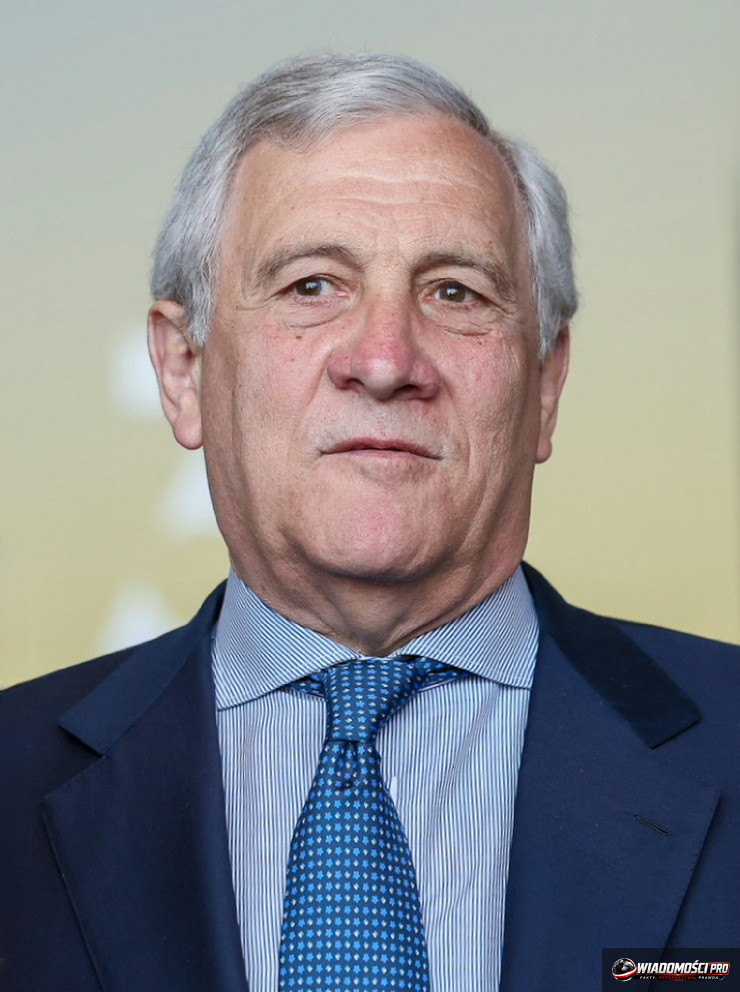
Foreign Minister Antonio Tajani leaves no doubt in his speeches. He has repeatedly emphasized that national and allied security requires hard investments, not just political declarations. For Tajani, these billions are not just numbers in spreadsheets, but the foundation of Italy's credibility within the North Atlantic Treaty structures.
The question is how these funds will actually be distributed. Although the government points to the need to modernize the military, specific procurement plans or delivery schedules remain largely a matter of internal coalition negotiations. It has not yet been confirmed whether the full 42 billion euros can be spent in this fiscal year, given the bureaucratic delays that the Italian Ministry of Defense has been struggling with for years.
For the Italian taxpayer, however, this is a clear signal. Financing a modern military in an unstable geopolitical environment is no longer optional. Giorgia Meloni's government is betting on military assertiveness, hoping that such a significant jump in spending will allow Rome to regain agency in discussions about European security architecture. However, there remains a risk that in the face of a tight state budget, these ambitious plans could become a source of conflict within the cabinet when it comes time for cuts in other ministries.
Antonio Tajani: Architect of Italian defense policy
Antonio Tajani is consistently pushing a vision in which Italian rearmament ceases to be just a budgetary issue and becomes the foundation of Rome's new foreign policy. According to his calculations, the pursuit of the 2% of GDP target for defense is irreversible. In 2026, this means expenditures of approximately 40–42 billion euros for Italy. This is a massive financial leap intended to realistically strengthen the country's military capabilities.
The head of the Italian Foreign Ministry argues this briefly: a strong Italy is a strong Europe. Tajani does not hide his belief that the technical modernization of the military is the only way to maintain Italy's agency on the international stage. It is not just about replacing equipment, but about a political project. The minister is a proponent of creating a European defense union that would function as a complement to NATO structures. This is a declaration that, in the context of tensions on the Alliance's eastern flank, forces a revision of the current approach to Italian military procurement.
There is a catch in this strategy, however. Although Tajani outlines an ambitious plan, the specific schedule for spending these billions in 2026 remains vague. Official government documents do not yet confirm a full breakdown of the 40–42 billion euro amount into specific armaments programs. The diplomatic department focuses on political priorities, but the Ministry of Defense will have to face the logistical challenge of spending these funds in such a short time. The question remains whether the Italian defense industry is ready for such a sudden injection of cash without causing contract cost inflation. Tajani has a vision, but without hard data on tenders, this plan remains an ambitious postulate for now, rather than a ready-to-implement shopping list.
Geopolitical challenges: Why must Rome rearm?
Italian diplomacy under the leadership of Antonio Tajani has stopped mincing words. Rome is openly communicating that the era of peace in Europe has definitively ended and that security costs must reflect the new, harsh reality. If the government in Rome is truly aiming to reach the 2% of GDP target for defense, this means expenditures of approximately 40-42 billion euros in 2026. This is a huge financial leap, but politicians around Palazzo Chigi point to three specific triggers that leave them no choice.
The first is the situation in the Sahel region. For Italy, this is not distant exoticism, but a matter of direct energy and migration security. Destabilization in North Africa translates into a real threat to raw material supply routes and increased pressure on Europe's southern borders. Rome must possess the ability to project power to secure these routes.
Simultaneously, the war in Ukraine continues. Although Italy is far from the front line, Rome understands that maintaining deterrence on NATO's eastern flank is a condition for the survival of the entire security system. The lack of specific declarations regarding the deployment of Italian units as part of reinforcements for eastern allies remains an unknown, but financial commitments must be firm.
The most difficult point to resolve remains the third one: competition in the Mediterranean basin. Italian decision-making circles refer to this body of water as Mare Nostrum, but it is currently a field of clashing influences from various powers. The increase in the presence of foreign fleets forces the Italian Navy to modernize its fleet, which is costly and time-consuming.
The catch? The government in Rome has not yet presented a detailed expenditure schedule that would confirm exactly how these 40-42 billion euros will be divided among the individual branches of the armed forces. Tajani's enthusiasm clashes with the hard budgetary reality, and the final shape of the 2026 budget act remains an unknown. Without a clear plan, these billions may remain merely a declaration on paper.
Expenditure structure: Where will the billions of euros go?
Expenditure structure: Where will the billions of euros go?
The Italian Ministry of Defense has not yet presented a full, public list of all contracts for 2026, but the investment directions set by Antonio Tajani focus on specific technologies and strengthening the presence in the Mediterranean. Rome cannot afford to drift while tensions in the region are rising, which is why a budget of 40–42 billion euros is intended to fill gaps in existing resources. However, there is a lack of detailed payment schedules for individual armament packages, which makes it difficult for analysts to assess how much of this amount will be spent in the current fiscal year and how much will be spread over subsequent years.
The government's procurement priorities focus on three main pillars:
- Investments in digital technologies and cybersecurity, which is intended to protect state infrastructure against hacker attacks that increasingly accompany kinetic conflicts.
- Modernization of the Navy (Marina Militare), which remains an absolute priority in the context of controlling sea routes and protecting maritime communication lines crucial to the economy.
- Development of the domestic defense industry, including closer cooperation with the giant Leonardo S.p.A., which is intended to guarantee the retention of technology in the country and shorten supply chains.
Betting on Leonardo S.p.A. is a clear signal that Rome wants to stimulate its own economy rather than just funnel capital to foreign suppliers. This is a politically safe strategy, but financially risky if domestic production capacities cannot handle the pace imposed by the ministry. It remains an open question whether, in the face of such large expenditures, the government will manage to avoid cuts in other budgetary sectors, which has been the subject of disputes in the ruling coalition for months. At the moment, the specific amounts assigned to individual technology lines remain unknown.
Impact on the state budget: Costs and controversies
Impact on the state budget: Costs and controversies
Rome's pursuit of the 2 percent of GDP threshold for defense in 2026 presents the government with an arithmetic challenge. Estimates point to the need to secure an amount of 40–42 billion euros in the state treasury. These are not just numbers. This is real money that Foreign Minister Antonio Tajani treats as a necessary investment in national security, leaving no illusions about the direction of the government's policy.
The Italian parliament is at a turning point where military ambitions clash with the hard requirements of EU fiscal discipline. Every euro spent on modernizing the military is a euro taken from other sectors. The debate between the ruling coalition and the opposition focuses on the question of priorities: whether, in the face of geopolitical tensions, cuts in social spending are a price that Italian society is willing to pay. Opposition benches in parliament argue that prioritizing rearmament is being done at the expense of protecting the poorest.
Despite a clear political declaration, the final shape of the 2026 budget remains an unknown. Legislative work is still ongoing, and the draft budget act has not yet received official confirmation in its full wording. Giorgia Meloni's government is walking a tightrope. On one hand, there is pressure from NATO allies to finalize defense funding; on the other, the need to keep the deficit within the limits monitored by Brussels. The lack of specific provisions in the final version of the act means that analysts are holding off on definitive forecasts regarding the stability of Italian public finances in the coming year. The situation remains tense, and the final financial decisions may prove to be a political endurance test for the current coalition.
The future of European defense in the eyes of Rome
The future of European defense in the eyes of Rome
Italy is consistently moving toward the 2 percent of GDP defense spending threshold set by NATO. In the budgetary realities for 2026, this means an amount of 40-42 billion euros. Foreign Minister Antonio Tajani does not hide the fact that these funds are intended not only to supply the national arsenal but, above all, to permanently strengthen Rome's position within the Alliance's structures. Tajani's strategy is based on a simple premise: a stronger European pillar within NATO is the only way to maintain the bloc's credibility.
Rome is trying to balance on a fine line between striving for the European Union's strategic autonomy and maintaining inviolable ties with Washington. This is not a declaration of isolationism, but an attempt to increase Italy's political weight in the transatlantic dialogue. The Italians are counting on the fact that if they invest in their own defense industry, they will gain greater agency in negotiations on the continent's security.
The main tool of this policy is to be industrial cooperation. An example is the GCAP project, i.e., the next-generation fighter jet, which for Rome represents a testing ground for European technological integration. Participation in such ventures is an opportunity for Italian corporations to become independent of external suppliers. However, the question remains whether the European industrial base will be able to handle such ambitious plans without constant support from American technologies. Official communications from the government in Rome have not yet specified how Italy intends to resolve this conflict of interest in practice, focusing mainly on rising spending figures. Financing is one thing, but the real combat capabilities that are supposed to result from these billions remain in the realm of long-term promises for now.
What this means for you
Increasing Italy's defense budget means that the Italian defense industry (e.g., Leonardo) can count on large contracts, which will stimulate the economy. The catch, however, remains the pressure on the Italian budget deficit – the government must balance security with the stability of public finances, which may cause disputes within the ruling coalition.
Questions and answers
Will Italy actually spend 2% of GDP in 2026?
Striving for this goal is the government's official strategy, however, the final amount depends on current budget negotiations and the country's macroeconomic situation.
Why is the Italian Foreign Ministry so heavily involved in military issues?
Antonio Tajani believes that in the current world, diplomacy must be supported by military capabilities in order to effectively protect Italy's interests in the Mediterranean basin.
What are the main threats to Italy according to the Foreign Minister?
Tajani points to instability in North Africa and the impact of the war in Ukraine on the energy and geopolitical security of Europe.
Article prepared by the Wiadomości PRO editorial team with the support of artificial intelligence. Facts are derived from the sources provided above.

Komentarze (0)
Ładowanie komentarzy...