In brief
- Postmenopausal ovaries exhibit proteomic activity, secreting proteins that affect the entire body.
- Prof. Francesca Duncan's team identified unique protein signatures that change with age.
- This discovery could change the approach to treating age-related diseases, going beyond simple hormonal supplementation.
The end of the myth of total passivity: New life for ovaries
For decades, medical textbooks treated postmenopausal ovaries as biological ballast. It was believed that since egg production ceases and sex hormone levels drop drastically, the organ loses its functions, becoming an inactive element of the reproductive system. This approach dominated endocrinology, shaping how doctors viewed the health of women over fifty. It was considered a fact that almost no one questioned.
A team of scientists from Northwestern University, including Prof. Francesca Duncan, decided to check if this thesis was true. The researchers made it clear: the existing belief about the "uselessness" of ovaries is wrong. Instead of metabolic shutdown, the organ continues to exhibit biological activity. It turns out that postmenopausal ovaries do not become dead tissue, but actively secrete specific proteins. These compounds have an impact on the rest of the body.
The conclusions from Northwestern shed new light on the aging processes of the entire organism. Proteins produced by "retired" ovaries likely influence metabolism and the general condition of tissues. This changes the perspective: instead of treating ovaries as an organ to be removed or ignored, medicine must begin to study their influence on a woman's systemic health.
However, it is worth maintaining restraint in optimism. Although these findings challenge old dogmas, the team from Northwestern has not yet presented a full map of how these proteins work in the human body. It has also not been confirmed whether or how this activity can be stimulated or inhibited for therapeutic purposes. For now, this is a foundation for new knowledge, not a ready-made method for treating or slowing down aging. The question remains whether the rest of the medical community will accept this redefinition of the role of the ovaries without the resistance to which conservative science has accustomed us.
Methodology: What does the ovarian proteome hide?
Methodology: What does the ovarian proteome hide?
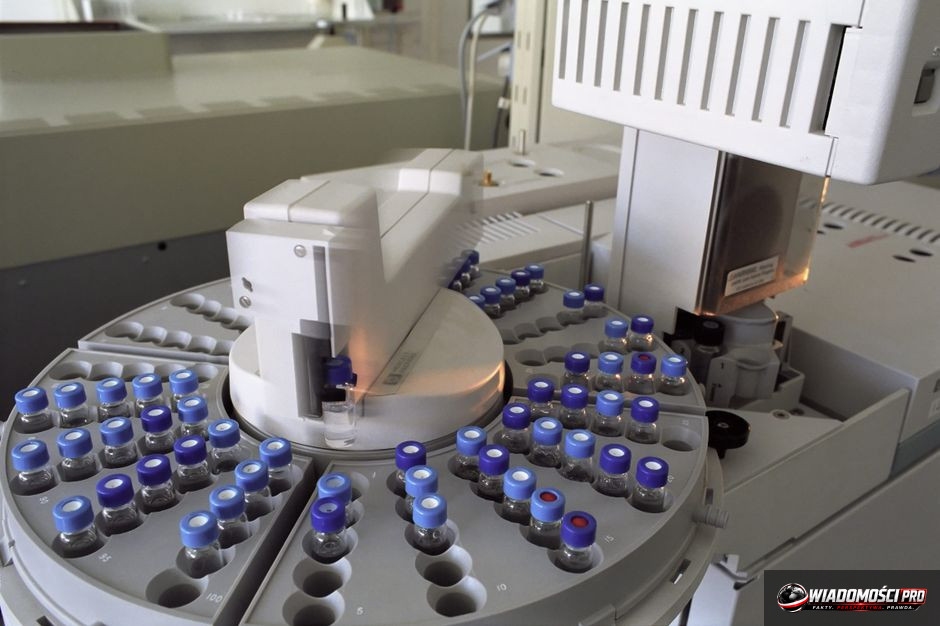
The team of scientists from Northwestern University abandoned the traditional approach, focusing exclusively on sex hormones, in favor of analyzing the ovarian proteome. This technical approach involves studying all proteins produced by the organ, which allows for a complete picture of the tissue's biological activity, not just its endocrine function. The researchers precisely compared changes in the protein profile of ovaries at different stages of a woman's life. They compared data from premenopausal patients and those who had already gone through the process.
This approach changes the perception of menopause, which until now was treated as a moment of ovarian function shutdown. Instead of talking about biological silence, the research team points to the continuity of protein production. Proteomic analysis revealed that the ovary does not become a "useless" organ, but actively secretes specific compounds. These compounds, as the results suggest, interact with the aging processes of the entire body. This is an important distinction – the postmenopausal ovary is not in a state of inactivity, but in a state of changed activity.
However, one should remain skeptical of overly optimistic interpretations. Although proteome analysis provides hard data on the presence of proteins, the study authors have not yet precisely defined the mechanism by which these specific proteins affect organs distant from the ovaries. It was also not stated whether the change in the protein profile is the cause of aging or merely its marker. The publication lacked data on the sample size and the exact duration of the observation. Without this information, it is difficult to assess to what extent these findings will translate into real anti-aging therapies. It remains to wait for the next stages of research, which will answer the question of whether these proteins are merely "biological noise" or the key to slowing down the aging process.
Ovaries as a regulator of whole-body aging
Postmenopausal ovaries do not become a useless organ that disconnects from the body's functioning. Research by the team from Northwestern University sheds new light on this process, showing that these organs act as an active regulator. The key discovery concerns communication: ovaries constantly send protein signals to the rest of the body, which changes our understanding of female endocrinology in the postmenopausal period.
This is not just a matter of sex hormone production. Scientists from Chicago have proven that the rate of ovarian aging is closely linked to the rate of aging of other tissues in the body. This mechanism suggests that the condition of the ovaries after the cessation of the menstrual cycle directly translates into biological processes occurring in the circulatory, skeletal, or metabolic systems. In practice, this means that the ovary acts as a systemic controller, not as a blown biological fuse.
However, there is a lack of detailed data on the exact nature of these proteins that are responsible for communication between tissues. The report from Northwestern also does not specify whether there is a possibility of pharmaceutical influence on this process to slow down systemic aging. The study authors refrain from indicating specific therapeutic methods, which is a signal for the medical market not to draw hasty conclusions about the possibilities of "rejuvenating" the body through the manipulation of ovarian function.
Current findings change the paradigm of geriatric and gynecological care. If ovaries actually control the aging of the rest of the body, the current approach to menopause as a moment when ovaries cease to be important for systemic health becomes obsolete. It remains to wait for the publication of the full sequences of proteins involved in this mechanism, which will be a verifier for the bold theses put forward by the researchers from Illinois. For now, we are dealing with a strong hypothesis that disrupts the existing medical order, but still requires refinement.
Why does this discovery change medicine?
Research conducted by the team from Northwestern University definitively ends the myth that postmenopausal ovaries become useless organs. Scientists have proven that they still actively secrete specific proteins. These substances do not remain without influence on the rest of the body – they actively affect the aging processes of the entire organism.
For decades, medicine looked at female physiology solely through the prism of hormones, with particular emphasis on the drop in estrogen levels. This approach now proves to be insufficient. The Northwestern discovery shifts the center of gravity toward proteomic regulation. Instead of focusing only on what the ovaries are missing, science is beginning to analyze what they are still producing.
This opens the door to the creation of entirely new anti-aging therapies. If the influence of these proteins on individual tissues can be accurately mapped, medicine will gain tools it did not have before. We are not talking about simple supplementation here, but about precise management of the signals that the body sends to itself after the cycle ends.
However, enthusiasm should be tempered. Although the mechanism has been described, it has not yet been confirmed how to translate these findings into specific drugs or ready-made clinical therapies for patients. The study authors also did not indicate whether and how this protein production can be safely modulated without risking unforeseen side effects in other systems. This is currently a theoretical foundation, not a ready-made medical protocol. Patients must arm themselves with patience. The road from publishing data to introducing solutions to the market is long, and in the case of such a complex protein economy of the body – extremely risky. At this moment, we do not know when any solutions based on this knowledge will reach doctors' offices.
Challenges in ovarian tissue research
Challenges in ovarian tissue research
Despite the promising signals coming from Northwestern University laboratories, the road to the practical use of these discoveries in medicine is long. Scientists are currently operating only at the laboratory research stage, which means that patients in gynecological offices should not expect any ready-made hormonal or pharmacological therapies in the near future. There is a lack of any clinical evidence that would confirm the effectiveness or safety of modulating the activity of postmenopausal ovaries in humans.
The main problem that researchers face is the extraordinary complexity of the human body as a system of connected vessels. Ovaries do not work in a vacuum. This is the essence of the skepticism of many experts. It is difficult to clearly isolate specific protein signals coming solely from ovarian tissue and distinguish them from metabolic processes occurring in the liver, muscles, or adipose tissue. What looks like a clear relationship in a Petri dish becomes chaotic biological noise inside a living organism.
Here are the barriers that scientists must overcome before these discoveries leave the zone of academic publications:
- Lack of clinical evidence that stimulating or inhibiting the secretion of these specific proteins will bring measurable health benefits and not cause side effects.
- Lack of precise tools allowing for the separation of ovarian protein signals from other organs, which makes it impossible to assess their real impact on the aging processes of the entire system.
- Uncertainty as to whether these proteins actually perform a regulatory function or are merely byproducts of the organ's fading hormonal activity.
The enthusiasm that these reports arouse must be cooled by scientific discipline. For now, we do not know whether the "activity" of postmenopausal ovaries is a repair mechanism or perhaps a useless relic. Any attempt to translate these results into the treatment of women is currently pure speculation, not evidence-based medicine.
What does this mean for patients in 2026?
Packs of medicine in pharmacies will not change tomorrow or the day after. Despite sensational reports from Northwestern University, at this moment there are no medications available based on the discovery that postmenopausal ovaries actively secrete specific proteins affecting the body's aging. This is a key distinction for patients who, after reading the publication, may feel premature optimism.
Currently, we are dealing with a laboratory stage. These results constitute a foundation for future clinical trials, not a ready-made procedure that a doctor could implement during a visit to the office. The path from understanding biological processes to drug registration is long, expensive, and littered with failures. Science does not take shortcuts.
What does this mean in practice for women in 2026? First of all, the need to keep a cool head. If a patient hears a suggestion about supplementation or therapy intended to "rejuvenate the ovaries" based on these specific studies, she should exercise extreme caution. No gynecological society has issued guidelines regarding the manipulation of these proteins, because there is simply nothing to base them on yet.
Skepticism is indicated here. Medicine knows many promising discoveries that got stuck in the preclinical phase because their translation into human physiology proved impossible or too risky. The team from Northwestern has pushed the boundaries of our knowledge of endocrinology, but they have not created a tool to fight aging. We are waiting for data from clinical trials that have yet to be designed and conducted. For today, we only have knowledge that postmenopausal ovaries do not become a useless organ, which in itself is a fascinating paradigm shift, but it is not a recipe for eternal youth.
What this means for you
Editorial angle: The Northwestern University discovery is a paradigm shift – from "shutting down" an organ to "changing function." Patients benefit, as science stops treating menopause as the end of the biological utility of the ovaries. The catch: We are in the basic research phase, and the road to available therapies is still long.
Questions and answers
Does this mean that ovaries produce hormones after menopause?
The studies focus on the secretion of specific proteins, not on the production of sex hormones in the traditional sense.
Are there already drugs available based on this discovery?
No, the research is in the laboratory phase and there are no approved therapies for patients yet.
How will this discovery help in treating menopause?
Understanding protein mechanisms may in the future allow for the creation of methods to alleviate the effects of the body's aging.
Article prepared by the Wiadomości PRO editorial team with the support of artificial intelligence. Facts come from the sources provided above.

Komentarze (0)
Ładowanie komentarzy...