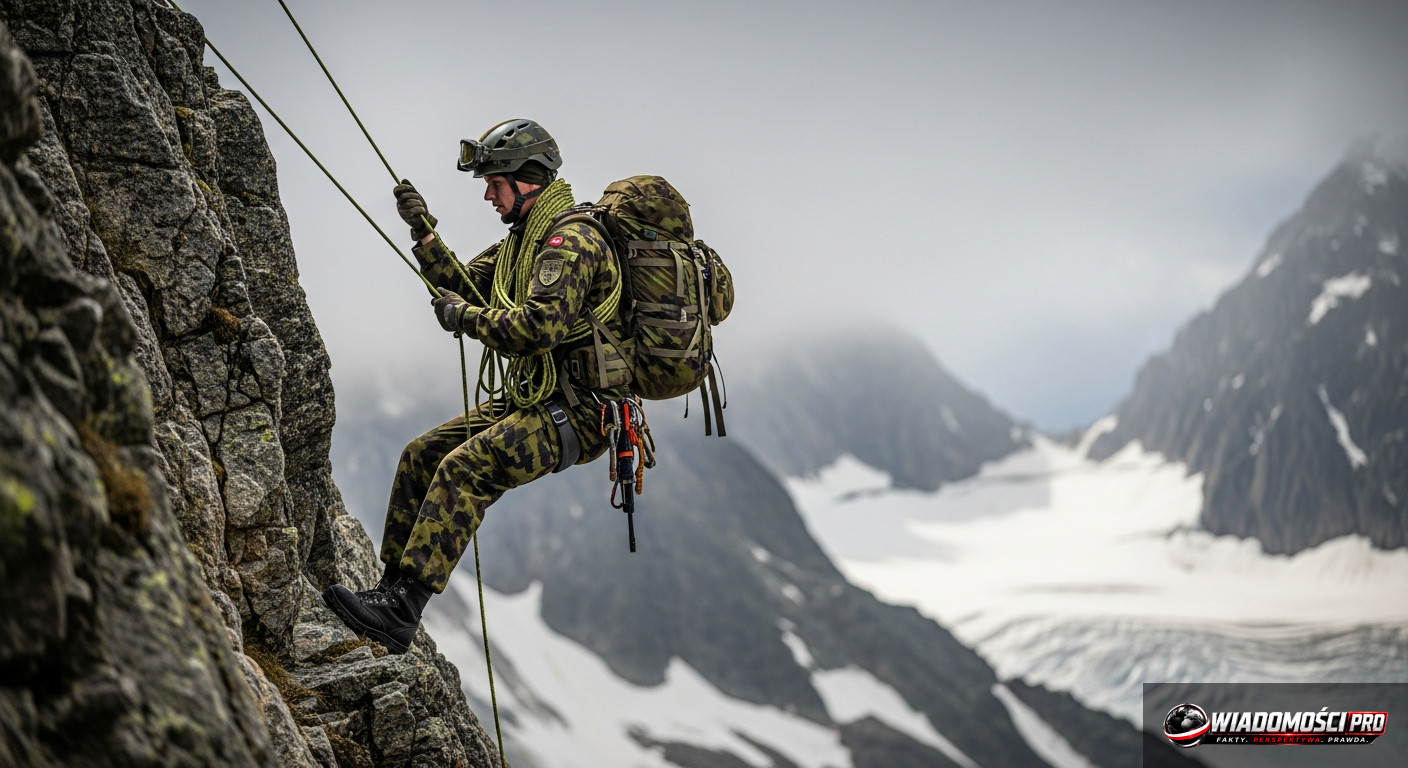
Switzerland is not formally abandoning neutrality, but since 2025 it has been actively tightening its cooperation with NATO, which represents the greatest test of this doctrine in decades. Bern is currently at a turning point where the traditional policy of avoiding military alliances clashes with the requirements of modern security architecture. The lack of an official abandonment of its neutral state status does not mask the fact that the Swiss army is becoming increasingly integrated with the operational systems of the North Atlantic Alliance.
Seismic shift: Neutrality under pressure
The modern definition of Swiss national security is falling apart under the weight of new European realities. Since May 2022, the political discourse in Switzerland has ceased to revolve around the question of whether to cooperate with the West, focusing instead on how far this integration can go without triggering a constitutional crisis. In 2022, it became clear that the European neutrality we once knew had exhausted its functionality.
Swiss federal authorities have maintained for years that neutrality is a tool for maintaining peace. Currently, however, this doctrine has become a political burden. A state that functioned for decades as a safe haven must now face the fact that remaining outside NATO structures in Central and Western Europe means, in practice, being alone on the battlefield. This is not a sudden legal revolution. It is a process of gradual withdrawal from isolationism in favor of pragmatic cooperation, which reached critical mass in 2025.
Observers of armament processes in Bern point to a paradox. Switzerland wants to have a modern army capable of operating in a network-centric environment, but it lacks the budgetary mandate to finance this process. Any attempt to increase defense spending meets with parliamentary resistance, leading to a stalemate. In 2025, it became obvious that without external technological and logistical support, the Swiss army would remain merely a shadow of modern armed forces.
Army of the future: Financial and operational challenges
The modernization of the Swiss armed forces is a project full of financial gaps. The government in Bern announced ambitious plans to purchase new weaponry, but July 2025 brought a brutal sobering: the federal budget lacks the specific billions of francs needed to carry out the announced purchases. The Swiss defense ministry is operating on estimates that are not backed by real tax revenues.
The financial problem has a structural dimension. For years, Switzerland kept defense spending at a low level, based on the belief in the inviolability of its borders. Current needs, resulting from the necessity to purchase air defense systems and modernize the air fleet, require a leap in the defense budget. In 2025, the discussion in parliament is focusing on whether the country can afford an army that meets NATO standards. The lack of a clear financing strategy makes the Swiss army a hostage to its own fiscal policy.
The operational side of this crisis is equally severe. Purchasing modern equipment that is not fully compatible with NATO systems would be a strategic mistake. On the other hand, full compatibility requires investments that Switzerland currently does not want to or cannot afford. It is a vicious circle. The military needs hard equipment, and politicians offer only debates about the "values of neutrality." Without solid funding, the Swiss army of the future will remain just a set of PowerPoint presentations.

The Swiss model and collective security
For decades, the Swiss model of neutrality was a template for countries seeking their own path in foreign policy. Even Poland, during discussions on the shape of its security in the 1990s, considered variants similar to the Swiss territorial defense system. Today, however, from the perspective of Poland's 25 years of NATO membership, those concepts seem anachronistic.
Modern Switzerland has understood that being outside NATO is a cost that cannot be balanced by diplomacy alone. Hybrid neutrality—a model in which a country theoretically remains outside alliance structures but technically integrates its systems with NATO—is an attempt to deceive reality. A concrete example of this integration is the implementation of communication systems compliant with the Link 16 standard. This is a technical data exchange protocol that allows Swiss fighter jets and command systems to exchange tactical information directly with NATO allies in real time. Thanks to this, Switzerland enters the data loop that is the foundation of NATO's air combat doctrine, while maintaining the appearances of political neutrality.
This tightrope walk is becoming increasingly difficult. NATO does not expect a declaration of membership from Switzerland, but it does expect operational utility. The Swiss army is thus becoming a "technical member" of the alliance without having the guarantees resulting from Article 5 of the North Atlantic Treaty. If a conflict escalates, Bern may be forced to take a position over which it will have no real influence, having already been deeply drawn into the logistical and IT structures of NATO.
Practical effects of tightening cooperation with NATO
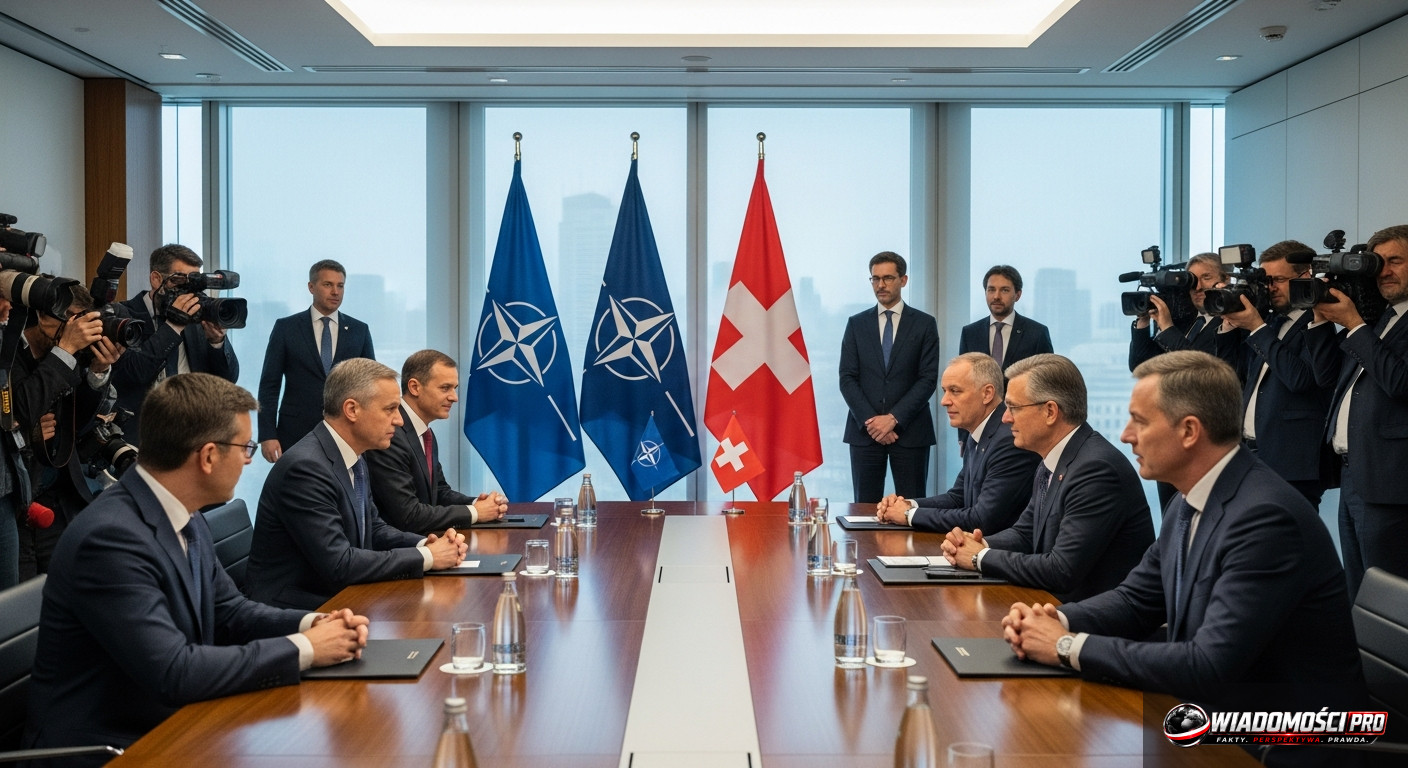
The Swiss command in Bern has stopped treating the partnership with NATO as an optional extra. It has become the foundation of operational planning. Although no defense pact has been signed, the general staffs of both sides are conducting an intensive exchange of information. This change is visible in two areas that directly affect Swiss line units.
The first area is interoperability. Swiss command procedures are currently being rewritten to mirror the procedures in force at NATO operational centers. This means that a Swiss operations officer on the staff must know NATO jargon and decision-making algorithms to be able to cooperate at all with units of neighboring countries—France, Germany, or Italy. This is no longer just a matter of goodwill; it is a technical requirement.
The second area is joint exercises. Maneuvers that once had a courtesy character are today testing grounds. Swiss soldiers practice scenarios in which their units are an element of a larger NATO puzzle. Logistical systems, the flow of fuel, ammunition, and spare parts, which must be fully interchangeable with those used by the Alliance, are being tested. Each such exercise cements Switzerland's dependence on NATO standards.
The cost of these changes, however, remains the biggest unknown. Modernizing the army requires gigantic outlays, which the federal government is still debating without having a clear financing plan. Skeptics in parliament note that technical compliance with NATO is only a step away from being a de facto part of the alliance, without having the security guarantees resulting from Article 5. This is a dangerous intermediate zone where Bern is trying to balance between tradition and the requirements of a new, harsh reality.
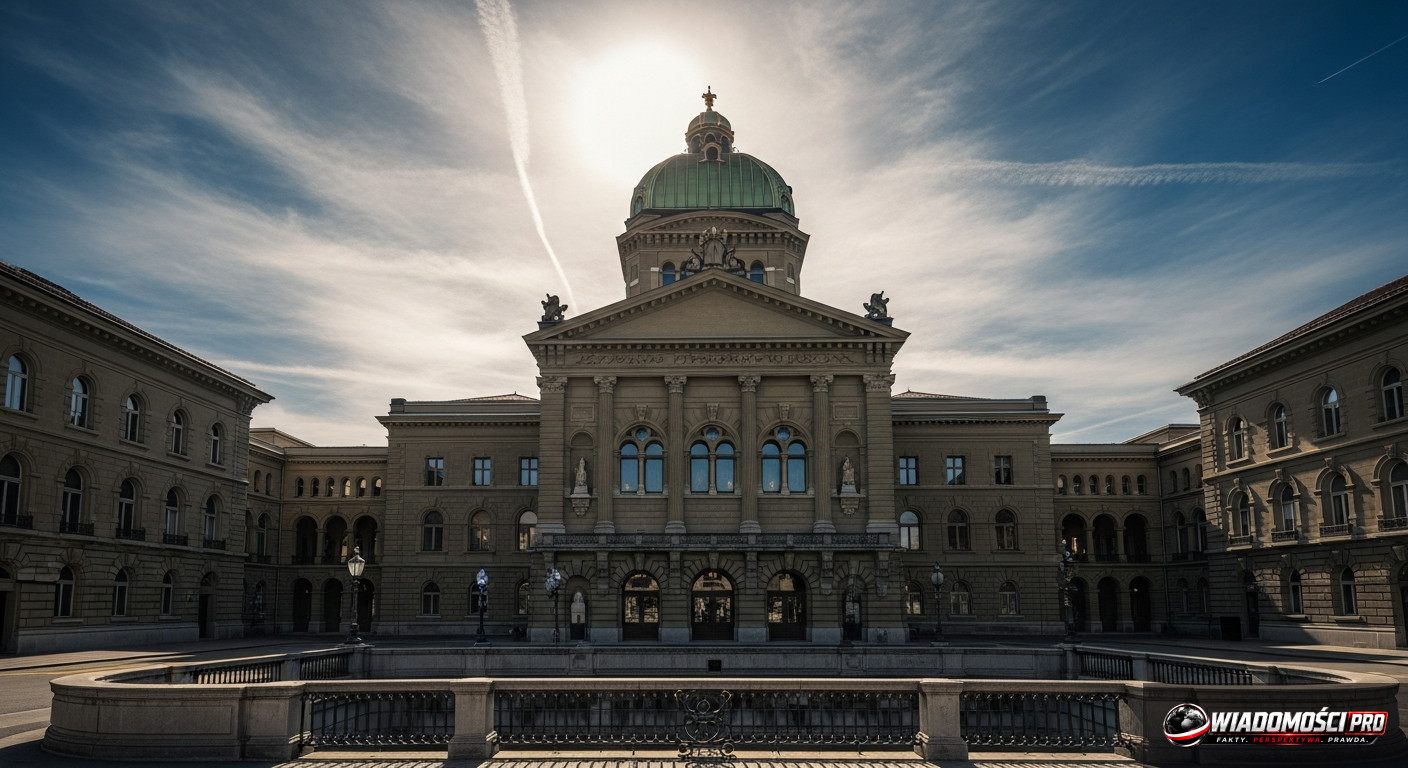
Reactions of the alliance and European partners
Brussels looks at the Swiss maneuvers with a mixture of satisfaction and cool distance. For NATO, tightening cooperation with a neutral country is a pure operational gain. Switzerland has an advanced defense industry and high-quality personnel that can strengthen the defensive potential of the European flank. From the point of view of the alliance command, every country that integrates its systems with NATO's is a stabilizing element, even if it is not a formal member.
Diplomats in Brussels point out that Switzerland is entering a role that will be difficult to maintain in the long term. The integration of defense systems is an irreversible process. Once the Swiss army begins to rely fully on NATO reconnaissance data and command systems, any attempt to withdraw from this cooperation will mean the paralysis of Swiss defense capabilities. Bern has become a prisoner of its own choice—it wants the security offered by NATO but fears the political consequences of full accession.
In European capitals, the decision to tighten cooperation with Bern is perceived as a pragmatic step. No one in Brussels has any illusions about the motivations of the Swiss. This is not an expression of a deep ideological change, but a reaction to the fear of isolation in a world where neutrality is ceasing to be a protective armor and is becoming a target for a potential aggressor. Brussels is waiting for the next steps, hoping that over time the dynamics of cooperation itself will force a full declaration from Bern.
For the Swiss, this is a tightrope walk. On one hand, they need the security offered by the Alliance; on the other, they do not want to completely abandon the image of a state that chooses the role of mediator, not participant, in conflicts. The catch is that in the current geopolitical situation, the room for such ambiguity is shrinking drastically. Every subsequent agreement on the exchange of military technology brings Switzerland closer to NATO than any political declaration.
The future: Will neutrality survive?
Switzerland has not announced a formal abandonment of neutrality, but since 2025 its defense policy has been undergoing its biggest test in decades. Bern is not laying down its arms, but it is increasingly looking into the NATO arsenal. This is not a sudden revolution, but rather a slow adaptation to a reality in which traditional security has ceased to be enough. The country is straddling the line between historical doctrine and the practical requirement of cooperation with the Alliance.
The debate in the Swiss parliament has become a testing ground for this dispute. Politicians are clashing over how far one can go in tightening ties without crossing the red line that has been the foundation of the state's identity for centuries. On one hand, there are voices about the need to modernize the army to meet the threats of modernity. On the other, there is strong resistance to the loss of sovereignty in military matters. This is not just an academic dispute about definitions, but brutal budget mathematics.
Ministries are facing a wall. On one hand, growing armament needs require gigantic financial outlays; on the other, the Swiss taxpayer is not accustomed to financing an army at the level of NATO standards. Finding a compromise between budget expenditures and the real need to purchase modern military equipment is currently the most difficult test for the local political class. If Switzerland wants to maintain the illusion of being a "self-sufficient fortress," it must start paying a price for it that it has avoided until now.
The question is no longer whether to cooperate, but how deeply one can enter NATO structures while still being able to claim to be neutral. For now, Bern is choosing a third way: tightening ties without signing an act of surrender to old principles. This is a tightrope walk that becomes more dangerous with each passing year. History teaches that in extreme situations, neutrality is a privilege that only the strong can afford. Will Switzerland be strong enough to maintain this status, or will it be absorbed by the NATO security architecture out of pure necessity? The answer to this question will be decided in Swiss headquarters in the coming months.
What this means for you
For Switzerland, this means losing its status as a 'safe island' in favor of being an active player in the Western security system. Relations with the EU and NATO gain from this, while conservative supporters of isolationism lose. The catch lies in the costs—the Swiss taxpayer will have to finance the modernization of the army, which may shake the stability of the budget.
Questions and answers
Is Switzerland joining NATO?
No, Switzerland is not applying for membership, but it is tightening operational cooperation through joint exercises and technical integration of command systems.
Why did Switzerland start arming itself?
Due to the change in the security architecture in Europe and the need to modernize the army, which has been a financial challenge since 2025, in the face of a lack of a clear purchasing plan.
Is neutrality still relevant?
Neutrality is undergoing its biggest test in decades, and its definition is currently being renegotiated in the face of real threats, which is leading to its practical erosion in favor of cooperation with NATO.
Sources
- In search of the army of the future. Neutral Switzerland wants to arm itself, but doesn't know how—or with what money - Wiadomości Onet
- Swiss neutrality "facing its biggest test in decades". "Seismic shift"? - TVN24
- 25 years of Poland in NATO. However, the concepts were different—even neutrality modeled on Switzerland - Kurier Wileński
- The twilight of neutrality in Europe - DW.com
Article prepared by the Wiadomości PRO editorial team with the support of artificial intelligence. Facts are derived from the sources listed above.

Komentarze (0)
Ładowanie komentarzy...