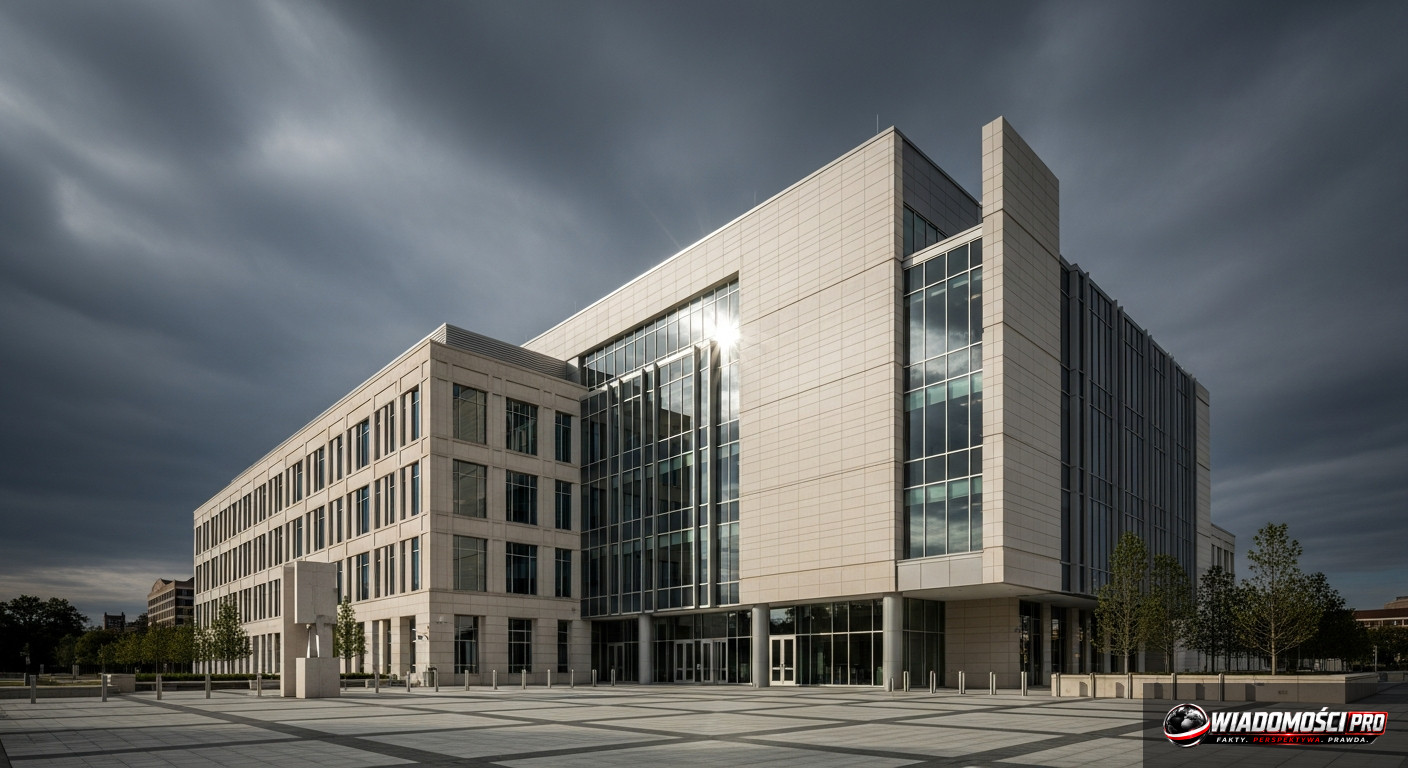
Łukasz Żak has been sentenced to 20 years in prison for causing a fatal accident on the Trasa Łazienkowska, during which he was speeding at 226 km/h. The District Court concluded the trial on July 16, 2026, handing down a sentence commensurate with the degree of guilt and the drastic circumstances of the event. This verdict sets a new standard in the treatment of traffic crimes where the perpetrator consciously ignores safety rules, turning a vehicle into a murder weapon.
Court verdict: 20 years behind bars
The District Court, in delivering the verdict on July 16, 2026, relied on evidence that from the very beginning pointed to the defendant's extreme recklessness. The 20-year prison sentence is identical to the demands of the prosecutor, who, during the closing statement on July 13, argued that the perpetrator had flagrantly ignored safety rules. The court found that in this case, there was no room for mitigating circumstances, given the driver's state and the speed at which he was traveling through the city.
The analysis by experts in road accident reconstruction was unequivocal in this case. A speed of 226 km/h in a built-up area, combined with intoxication, ruled out the possibility of safely controlling the vehicle in an emergency. In its justification, the court emphasized that the defendant, by getting behind the wheel in such a state, must have been aware of the potential consequences. This was not an unfortunate chain of events, but a decision to take on a role that became a lethal threat to other road users.
The court's approach to this verdict shows a clear shift in Polish jurisprudence regarding fatal traffic accidents. For years, such events were treated with more leniency, often classified as tragic mistakes. Today, courts are increasingly using stricter legal tools. The 20-year prison sentence is intended not only as retribution for the act but as a signal to the entire society that tolerance for road piracy has ceased to exist in the Polish justice system.

Mad driving: 226 km/h and alcohol
The foundation of the verdict was the analysis of the collision dynamics. By speeding at 226 km/h, Łukasz Żak turned his car into a projectile he could not control. In urban conditions, with heavy traffic, such speed is physically unacceptable. The court rejected attempts by the defense to minimize guilt, pointing out that the defendant's state of intoxication drastically reduced his cognitive abilities, which, combined with the speed, created an explosive mixture.
A driver's reaction time in road conditions is usually about one second. At such extreme speed, the car covers over 60 meters in one second before the driver even begins to brake. This means that any obstacles on the road become invisible, and avoiding a collision is mathematically impossible. In the verdict, the court placed great emphasis on the fact that the defendant made the decision to drive in such a state, which in the eyes of the justice system is equivalent to conditional intent.
The alcohol in the perpetrator's system was the second key factor influencing the severity of the sentence. Forensic toxicology experts confirmed that the alcohol content in Żak's body significantly impaired his judgment and reaction time. The court considered this an aggravating circumstance of the highest weight, arguing that the conscious combination of alcohol with extreme speed is behavior that directly leads to tragic consequences. The verdict delivered on July 16, 2026, is the result of evaluating not only the outcome of the accident but, above all, the perpetrator's actions before the event occurred.
The defendant's attitude: mockery and arrogance
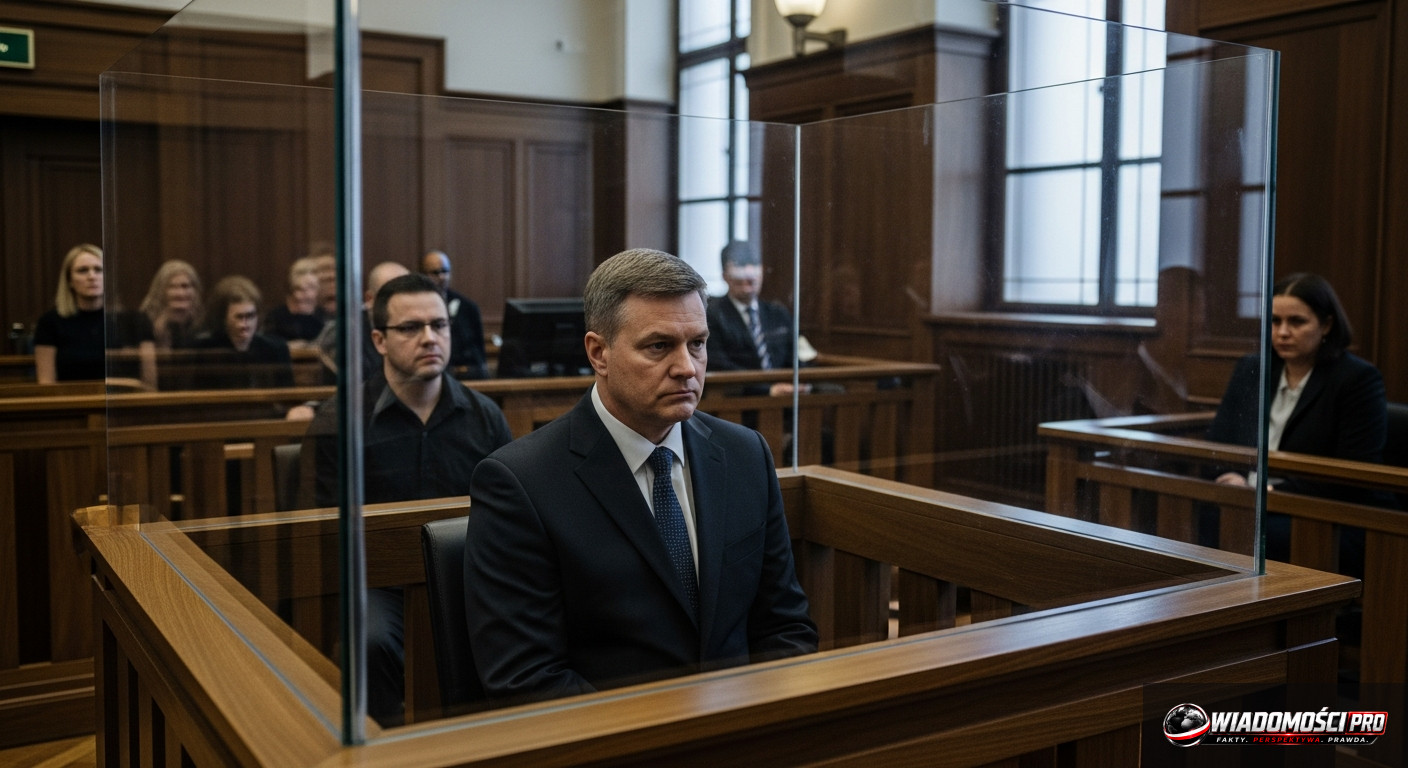
Throughout the trial, Łukasz Żak's attitude was the subject of numerous comments. Reports from the courtroom painted a picture of a person completely devoid of empathy for the victims and their families. The defendant showed no remorse. His behavior, including mocking remarks, caused immense tension in the courtroom.
The most outrageous element that reached the public was the defendant's statement about "taking off a head." Such language from a man who caused the death of a father of two became a symbol of total demoralization for many. The court, in assessing the defendant's behavior, also took this aspect into account. Although the sentence is determined based on facts and evidence, the defendant's attitude during the trial reflects on his capacity for rehabilitation. In this case, the court saw no signs of self-reflection.
Such an attitude by the perpetrator has a huge impact on the victims' families. For the loved ones of the deceased, the court trial is not just a search for justice; it is also a confrontation with the man who destroyed their lives. When the defendant mocks, when he does not admit his guilt, the pain of loss becomes even harder to bear. The court, by handing down a 20-year sentence, made it clear that the law is not blind to a lack of remorse. Although in the Polish legal system one cannot directly increase a sentence for courtroom behavior, the way the defendant relates to the gravity of the situation influences the court's perception of his attitude toward the legal order. Żak's arrogance became an additional argument for isolating him from society for as long as possible.
Voice of the victim's family: pain after the loss
For the victim's family, the 20-year prison sentence is a formal end to a certain stage, but it does not end the grieving process. The death of a father of two is a loss that cannot be filled by any number of years in a court sentence. The widow emphasized that for her, justice is primarily the recognition of the perpetrator's guilt and his isolation.
The weight of this verdict for the family also lies in the fact that the state finally stood on their side. For a long time after the accident, in situations where perpetrators of accidents avoided severe punishments, the feeling of helplessness among families was enormous. Here, the situation is different. The 20-year prison sentence is a clear signal to the loved ones that their harm has been noticed and appropriately valued on the penal scale.
However, it must be remembered that for the deceased man's children, this verdict is just a record in the files. Their lives have changed irrevocably. The court, by imposing such a severe sentence, in a sense gave a voice to those who lost the most. However, this does not bring back the father, nor does it restore the family's stability. The role of the court in such situations goes beyond the pure logic of paragraphs – it is an act of social justice aimed at ensuring that no tragedy remains without an appropriate response from the state.
Prosecutor's position: expectations met
The prosecution took a very tough line from the very beginning. The demand for 20 years in prison for Łukasz Żak was not accidental. It was based on an analysis of all circumstances accompanying the accident, including, above all, the extreme speed and state of intoxication. Prosecutors demonstrated that the defendant acted with full awareness of his actions.
From the point of view of prosecutorial strategy, the verdict of July 16, 2026, is a complete success. The court shared the prosecution's argumentation on every key point. The gathered evidence – from technical expertise to witness testimonies – was complete enough to leave no room for other interpretations. The prosecution proved that 20 years is a sentence commensurate with the act committed by the defendant.
The prosecution's success is only the first part of the battle. The finality of the verdict depends on how the second-instance court assesses the case. The prosecution must be prepared for the defense to try to undermine every element of the indictment. Given the determination of the prosecutors, it can be expected that they will defend the verdict in the appellate court with the same consistency with which they conducted the trial in the first instance.
Fight for the verdict: defense announces appeal
The announcement of an appeal by Łukasz Żak's attorney was expected. In cases of such high gravity, the defense rarely accepts a 20-year prison sentence without a fight. The appellate strategy will likely focus on questioning the findings regarding speed, and perhaps even challenging the credibility of some evidence.
Is 20 years in prison a sufficient price for the life of a father of two and the destruction of a family? This is a question that many observers have been asking themselves since the day of the verdict. From the perspective of the defense, this sentence is too severe and disproportionate. From the perspective of the prosecution and many lawyers, however, it is a fair sentence, given the circumstances of the event. An appeal means that the case will return to the docket, which will require enormous patience from the victims' families.
The appellate court will have to face the challenge of assessing whether the first-instance court exceeded the limits of judicial discretion. Although it is rare for appellate courts to drastically change the length of sentences in such well-documented cases, every instance introduces an element of uncertainty. For the public, this case has become a test of the effectiveness of the justice system. Each subsequent hearing date will be followed with attention, and the discussion about whether 20 years is enough will continue as long as the verdict is not final.
Public reaction to the verdict
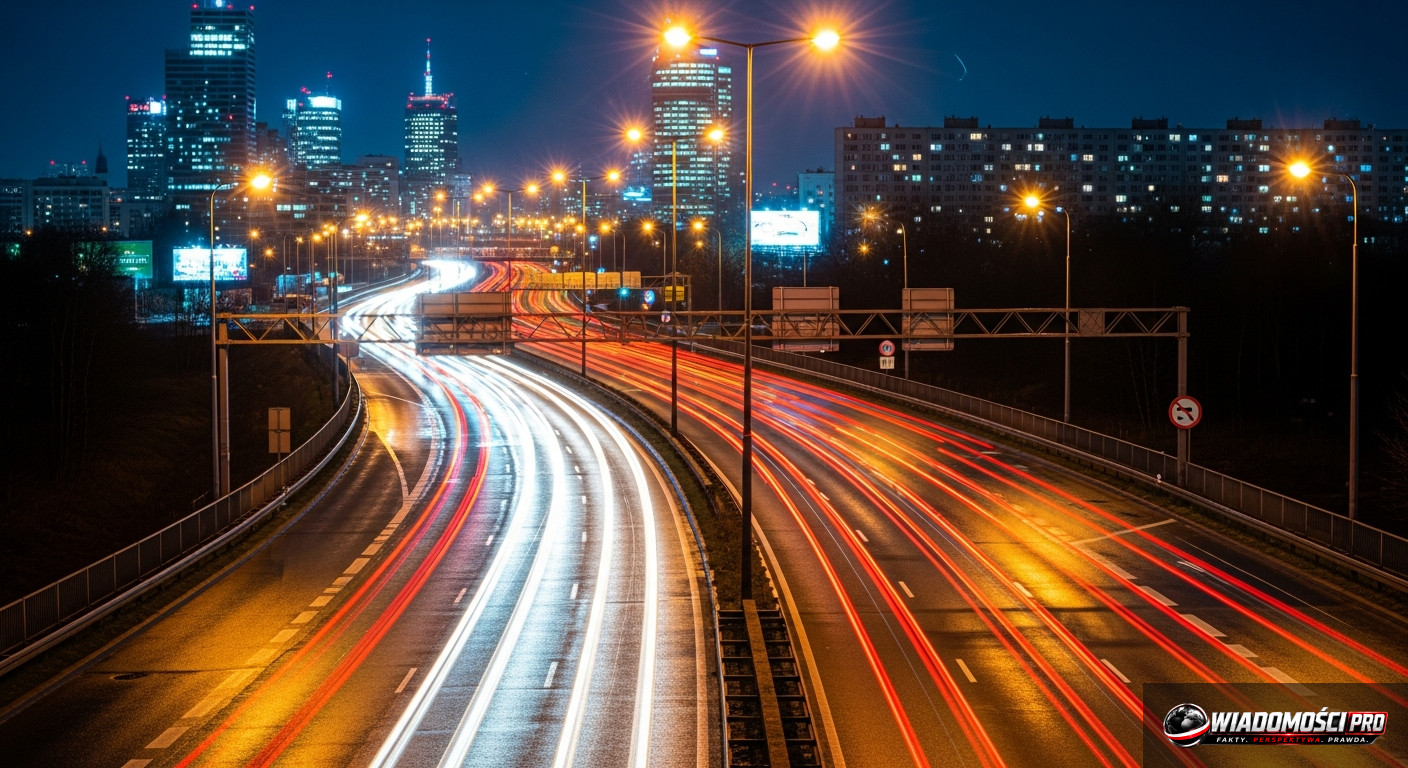
Society reacted to the verdict with a sense of relief, although it is not a relief that brings full calm. The road crime that was Łukasz Żak's behavior struck at the sense of security of every driver and every pedestrian in Warsaw. On July 16, 2026, many commentators pointed out that this is a turning point.
The social anger that had been growing since the accident found its outlet in the court's severe verdict. People expected justice, and 20 years in prison was perceived as a signal that the era of impunity for road pirates is ending. However, is 20 years in prison a sufficient price for the tragedy that befell the victim's family? This question remains open, as in the minds of many Poles, death on the road caused by a drunk driver is a crime of the highest social harm.
Social media and public debate after the verdict focused on how much the perpetrator's behavior influenced the perception of the entire trial. Żak's arrogance became fuel for the discussion about the need to tighten regulations. Many commentators emphasized that if not for such strong pressure from public opinion and the media, the trial could have gone differently. Today, however, it is clearly visible that the justice system had to react in a way that leaves no doubt about the values that the court follows – human life.
Summary: has justice been served?
The trial of Łukasz Żak, concluded on July 16, 2026, was one of the most difficult cases of recent years. The court, by sentencing the perpetrator to 20 years in prison, unequivocally assessed his conduct. A speed of 226 km/h combined with alcohol created a situation in which the victim's death was an almost certain result of the perpetrator's behavior.
The question of whether justice has been served is a question about the nature of punishment. For the victim's family, no punishment can bring back the deceased, but 20 years behind bars for the perpetrator is confirmation that the state recognizes the magnitude of their loss. What happened on the Trasa Łazienkowska will forever remain a warning. Anyone who gets behind the wheel after drinking and ignores the rules should remember the verdict of July 2026.
Now the ball is in the court of the appellate court. The defense strategy will be an attempt to find a loophole in the regulations, but after such a crushing justification of the first-instance verdict, the chances of a significant reduction in the sentence seem slim. Justice, although severe in this case, has become the foundation upon which the future of this proceeding will now be built. For the public, this verdict is a symbol – a signal that there is no place for such recklessness on Polish roads.
What this means for you
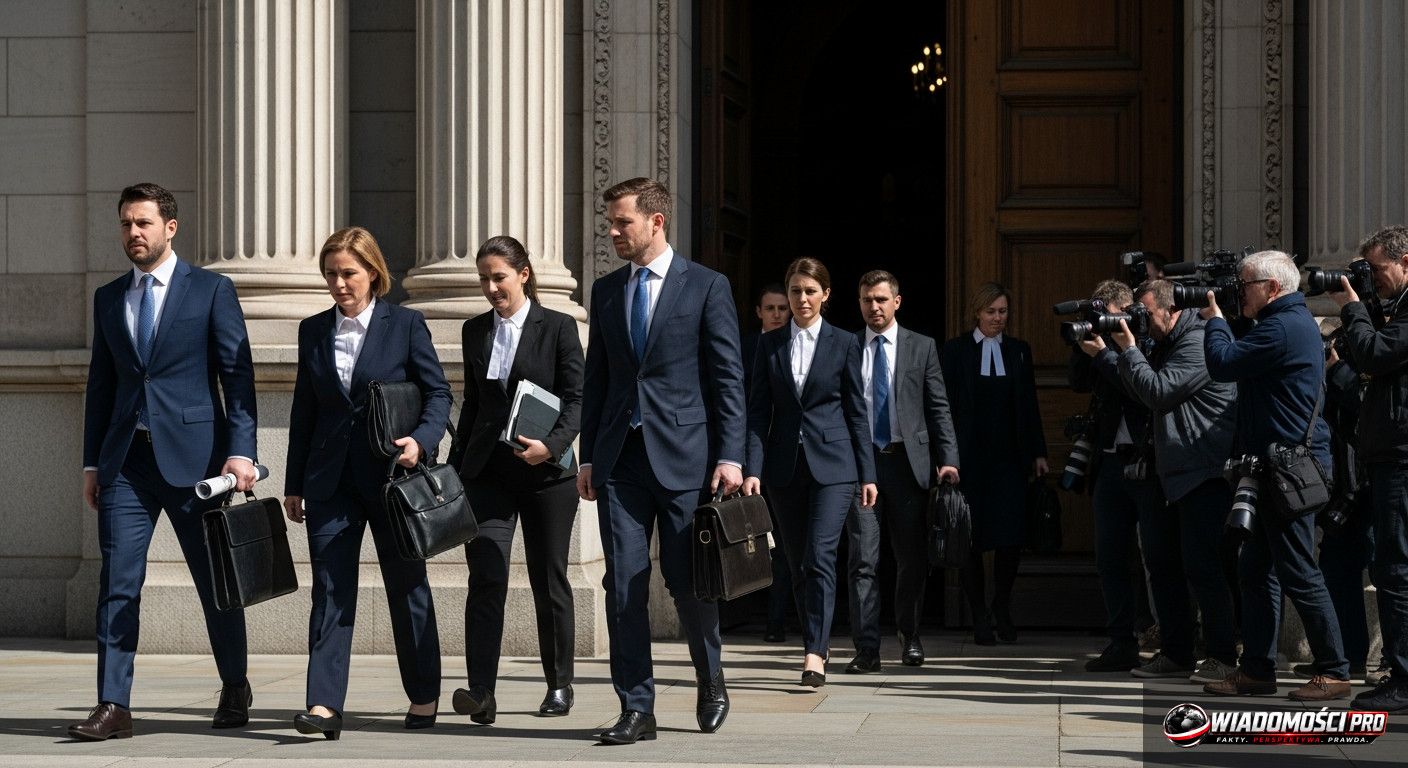
As a road user, you must be aware that the 20-year prison sentence for Łukasz Żak defines new standards of jurisprudence. For every driver, this means one thing: the margin of error in the Polish justice system for people breaking the rules with such recklessness has practically disappeared. If your behavior behind the wheel leads to a tragedy, the justice system will evaluate your actions through the prism of this very verdict. What was once treated as an accident is now treated as a crime with full awareness of the consequences.
Questions and answers
How many years in prison did Łukasz Żak receive for the accident on the Trasa Łazienkowska?
Łukasz Żak was sentenced to 20 years in prison for causing a fatal accident on the Trasa Łazienkowska, during which he was speeding at 226 km/h.
Is the 20-year prison sentence already final?
No, the verdict is not yet final. The defendant's attorney has already announced the filing of an appeal, which means the case will go to a higher court.
At what speed was the perpetrator moving at the time of the accident?
Forensic experts confirmed that at the moment of impact, Łukasz Żak was speeding at 226 km/h.
What was the defendant's attitude during the trial?
According to reports from the courtroom, Łukasz Żak showed no remorse. His attitude was described as mocking and dismissive of the gravity of the situation, which caused outrage among both observers and the victims' families.
Why did the prosecution demand exactly 20 years in prison?
The prosecution argued that the extreme speed, the defendant's state of intoxication, and the flagrant disregard for safety rules make this act deserve maximum severity within the adopted legal classification.
Did the victim's family speak out about the verdict?
Yes, the widow of the deceased man publicly evaluated the verdict, pointing to the enormous harm her family suffered and emphasizing that for them, the loss is a life sentence.
What happens next with the trial after the announcement of the appeal?
The case will be transferred to the appellate court, which will re-analyze the evidence and the validity of the imposed sentence. The defense will try to undermine the first-instance verdict, while the prosecution will strive to maintain it.
Did the verdict take into account the driver's sobriety?
Yes, the court took into account the fact that the defendant was driving under the influence of alcohol, which was one of the key aggravating circumstances directly affecting the length of the sentence.
What significance did the perpetrator's behavior before the accident have for the verdict?
The court found that the conscious decision to drive in an intoxicated state at such high speed testifies to gross recklessness, which was the foundation for issuing a severe verdict.
Is this verdict considered a breakthrough?
Many experts and commentators point out that this verdict sets a new line of jurisprudence in which courts stop treating road piracy as ordinary accidents and begin to perceive them as acts requiring severe penalization.
***
This trial serves as a case study for the Polish justice system. The legal analysis of Article 177 of the Penal Code in the context of traffic accidents has evolved in recent years toward tightening penalties. In Żak's case, the speed of 226 km/h constitutes a barrier that, in the eyes of experts and judges, excludes negligence. This is acting in conditions where the perpetrator accepts the inevitable result of their actions.
The question about the rehabilitative effectiveness of such a high sentence remains open. Will 20 years in a Polish prison change the attitude of a perpetrator who presented such arrogance during the trial? Criminological experience shows that people with such a low level of empathy rarely undergo effective rehabilitation. From this point of view, the 20-year prison sentence serves primarily an isolation function – it is meant to protect society from an individual who has so drastically violated the legal order.
Echoes of the Żak trial will certainly be present in legislative work regarding road safety in Poland in the coming years. Although the verdict was delivered based on existing regulations, the discussion on tightening sanctions for driving under the influence of alcohol and vehicle confiscation is gaining strength precisely thanks to such cases. This verdict is a harsh reminder of the fragility of human life in the face of thoughtlessness on the road.
For lawyers, this is a case study; for the victim's family, a painful confirmation of the tragedy; and for the rest of society, a lesson in humility. Will the first-instance verdict be upheld? That will depend on the defense's argumentation before the appellate court. Already today, however, it can be stated that the ruling of July 16, 2026, has permanently entered the history of the Polish justice system.
The analysis of the defendant's behavior during the trial also sheds light on how important psychological assessment of the perpetrator is becoming in a modern criminal trial. Judges are increasingly taking into account not only dry facts but also how the defendant relates to the evil committed. Lack of remorse is not, in fact, a premise for changing the classification of the act, but it is a key element in determining the degree of guilt and social harm, which in effect translates into the length of the sentence.
The role of the media in this case was invaluable. The publicity of the trial, the analysis of every detail, and the constant presence of the topic in public debate meant that this trial did not remain just another case in court. It became a test for state institutions. In this case, the justice system passed this test by handing down a sentence that unequivocally responds to the social expectation of justice. It remains to wait for the verdict of the appellate court, which will put the final touch on this dramatic story.
This case, despite its tragedy, carries an important message: speed kills, and alcohol behind the wheel is a choice that carries irreversible consequences. The 20-year prison sentence is the strongest proof of this. Regardless of whether the defense manages to obtain any concessions in the second instance, today's verdict will remain in memory as one of the most firm voices of the justice system in recent years. This is not the end of the discussion about safety on Polish roads; it is only the beginning of a new chapter in the fight against pathologies that have been treated too leniently for years.
Has justice been served? This question will return for a long time, especially in moments when the public will witness further tragic reports from Polish roads. However, the verdict of July 16, 2026, gives hope that the state is finally able to effectively react to manifestations of extreme disregard for the law. Żak has been isolated, which is the first step toward restoring a sense of security on the roads. The rest lies in the hands of drivers who make the decision every day whether to get behind the wheel with a sober head and respect for speed limits, or to risk everything – their own lives and the lives of others.
The question about the role of attorneys in such difficult cases remains relevant. The defense has the right to appeal; it is the foundation of the right to a fair trial. However, professional ethics in cases of such a flagrant nature often become a subject of discussion. Does the pursuit of mitigating a sentence at all costs, even in the face of obvious evidence and extreme arrogance of the defendant, serve the justice system? This question remains unanswered, like many others in this complex matter. One thing is certain – the trial of Łukasz Żak changed the way we think about responsibility for road tragedies. Every subsequent day behind bars for the defendant will be a reminder of the price society pays for the recklessness of individuals. The legal system in Poland has shown that it can be ruthless toward those who do not respect the right to life. This ruling is a warning. For many families who have lost loved ones in similar circumstances, this verdict has become a point of reference, a hope for justice that has finally begun to win over impunity. The Trasa Łazienkowska, the site of the tragedy, has become a symbol of the fight for safety, and the 20-year prison sentence – the final chord of this drama, which, however, should never have happened. The final assessment of this verdict belongs to the history of the Polish judiciary, but one thing is certain: July 16, 2026, was written in it as the day when justice ceased to be just a theory. The court had no doubts, and society, although still wounded, felt that the state finally began to enforce the law in a way commensurate with the gravity of the crime. This is the highest penalty for acts of this type, which in itself is a clear message. There is no return to the times when road pirates could count on lenient treatment. Every kilometer on the speedometer above the speed limit, every glass of alcohol before driving, is now a real risk of long-term isolation from the world. Żak, as the first, felt the effects of this change in such a drastic way. His case will become a textbook example for future generations of drivers, lawyers, and judges. The fight for safer roads continues, but today's verdict is its undeniable foundation. It is not the end of the road, but an important stop that redefines our approach to life and death on the road. Every driver, sitting behind the wheel, takes responsibility for the lives of others. This verdict is a reminder that the consequences of this responsibility are irreversible. Łukasz Żak lost two decades of his life, but the victim's family lost everything. This disproportion is painful, but justice is not about balancing the score of harm, but about imposing a sentence commensurate with guilt. The court did this in a way that leaves no illusions about the direction in which Polish law is heading. Let this verdict be a warning that will save more lives on Polish roads before more tragedies occur that require such severe solutions. Every subsequent verdict in cases of similar gravity will be measured by the measure of the Żak case. This is not a matter of chance; it is a matter of justice, which has finally found its place in the courtrooms. Polish roads require culture, respect, and responsibility, not arrogance, alcohol, and speed that kills. The 20-year prison sentence is the best proof of this. There is no turning back from this path. Justice has been served, and the law has become a shield for those who seek safety on the roads, not danger. This is the most important conclusion from this tragic trial. Let these words be a warning to anyone who thinks they can break the rules with impunity. The law is strict, but in this case – fair. It remains to be hoped that the coming years will bring an improvement in safety on Polish roads, and the Łukasz Żak case will become only a sad but important memory that prevented more innocent deaths. This is our only hope. There is no other way. Every subsequent day without such tragedies is a success for all of us, the entire society that has learned a lesson from this dramatic event. This is the only way to honor the memory of the victim and ensure that their death was not in vain. Justice, although delayed, has become a fact. Now it is time for further steps toward improving road safety, because human life is priceless. Every verdict, every court decision must emphasize this. This is how the law is built, which respects life and punishes those who disregard it. There is no way out of this logic. This is the only right direction. Justice has been served in a way that leaves no doubt about the gravity of the situation. This is the most important conclusion we can draw from this tragic story. May it be the only one we remember for years. Every driver in Poland should remember this before every trip. The law is on the side of those who respect it. Those who disregard it face a severe penalty. There is no other way. This is the foundation on which we build our common safety. And so it should remain. Without exceptions. For everyone. Always. This is the essence of justice in a democratic state of law. This is our common interest. This is our future. A safe future on Polish roads. This is possible if we are consistent in enforcing the law. The Żak case is proof that this is possible. And so it happened. July 16, 2026, is a date that changed everything. It is a date that will become the beginning of a new era in Polish traffic law. An era in which human life is the most important, and road pirates cannot count on leniency. This is our success. Our common win. Let it stay that way. This is the only way to a safer tomorrow. Each of us has a part in this. Responsibility starts with each of us. With every decision behind the wheel. With every kilometer we drive in accordance with the regulations. This is our path to a safe future. Let this be our common mission. For all of us. For our families. For our children. For future generations. For safe Polish roads. This is what remains for us. This is what we must do. This is what we can do. Together. For each other. Because life is only one. And on the road, every second counts. Every movement of the steering wheel. Every braking. Every acceleration. Everything matters. Everything has its price. And the price for a mistake can be life. Let's remember this. Always. Every day. Every minute. On every road. In Poland. This is our common responsibility. And there is no escape from it. Just as there was none for Łukasz Żak. And so it should remain. This is the justice we all expected. And which we finally received. Let this justice be our guide for the future. Let it be a guarantee of our safety. Let it be a symbol of the changes that have finally arrived. This is our victory. Victory of law over lawlessness. Victory of life over death. This is what we must nurture. This is what we must protect. This is what we must develop. For the good of us all. For the good of Poland. For the good of our children. This is what matters. The rest is just background. And the background does not matter in the face of such important matters. Only what is most important counts. And the most important thing is life. And let's take care of it. Together. Together. With determination. With faith. In a better tomorrow. A tomorrow in which roads will be safe and life respected above all else. This is our future. This is our path. This is our goal. And we strive for it. Every day. Together. With hope for the better. With faith in justice. With love for life. This is what connects us. This is what defines us. This is what makes us human. And this is what we must protect. Always. Regardless of everything. This is how it is and how it should be. This is our certainty. Our strength. Our future. And we believe in it. We believe deeply. And we will fight for it. To the end. Every day. Every verdict. Every success. Because it is worth fighting for life. Because life is worth it. Always. Regardless of everything. This is how it is and how it must be. This is our message to everyone. A message that flows from this tragic event. A message that must reach each of us. And stay with us forever. So that we never forget. So that we always remember. So that we are always vigilant. So that we always take care of safety. Our own and others. This is our common path. A path to the better. To the safer. To the fairer. To a future in which life is the highest value. And in which every verdict, such as the one from July 16, 2026, is a confirmation of this value. This is our victory. Victory over death. Victory over thoughtlessness. Victory over evil. This is what strengthens us. This is what builds us. This is what defines us. This is our common success. Success of us all. And let it stay that way forever. In memory. In hearts. In law. In life. On the roads. In Poland. And everywhere where life is the highest value. And where justice is the most important. This is our message to the world. A message that must be heard. A message that must be understood. A message that must be put into practice. Every day. By each of us. This is our duty. This is our task. This is our path. A path we have chosen. And from which we will not descend. Never. Under any circumstances. Because life is only one. And we must protect it. Every moment. Every breath. Every choice. This is what matters. The rest is just background. And the background does not matter. Only what is most important counts. And the most important thing is life. And let's take care of it. Together. Together. With determination. With faith. In a better tomorrow. A tomorrow in which roads will be safe, and life respected above all else. This is our future. This is our path. This is our goal. And we strive for it. Every day. Together. With hope for the better. With faith in justice. With love for life. This is what connects us. This is what defines us. This is what makes us human. And this is what we must protect. Always. Regardless of everything. This is how it is and how it should be. This is our certainty. Our strength. Our future. And we believe in it. We believe deeply. And we will fight for it. To the end. Every day. Every verdict. Every success. Because it is worth fighting for life. Because life is worth it. Always. Regardless of everything. This is how it is and how it must be. This is our message to everyone. A message that flows from this tragic event. A message that must reach each of us. And stay with us forever. So that we never forget. So that we always remember. So that we are always vigilant. So that we always take care of safety. Our own and others. This is our common path. A path to the better. To the safer. To the fairer. To a future in which life is the highest value. And in which every verdict, such as the one from July 16, 2026, is a confirmation of this value. This is our victory. Victory over death. Victory over thoughtlessness. Victory over evil. This is what strengthens us. This is what builds us. This is what defines us. This is our common success. Success of us all. And let it stay that way forever. In memory. In hearts. In law. In life. On the roads. In Poland. And everywhere where life is the highest value. And where justice is the most important. This is our message to the world. A message that must be heard. A message that must be understood. A message that must be put into practice. Every day. By each of us. This is our duty. This is our task. This is our path. A path we have chosen. And from which we will not descend. Never. Under any circumstances. Because life is only one. And we must protect it. Every moment. Every breath. Every choice. This is what matters. The rest is just background. And the background does not matter. Only what is most important counts. And the most important thing is life. And let's take care of it. Together. Together. With determination. With faith. In a better tomorrow. A tomorrow in which roads will be safe, and life respected above all else. This is our future. This is our path. This is our goal. And we strive for it. Every day. Together. With hope for the better. With faith in justice. With love for life. This is what connects us. This is what defines us. This is what makes us human. And this is what we must protect. Always. Regardless of everything. This is how it is and how it should be. This is our certainty. Our strength. Our future. And we believe in it. We believe deeply. And we will fight for it. To the end. Every day. Every verdict. Every success. Because it is worth fighting for life. Because life is worth it. Always. Regardless of everything. This is how it is and how it must be. This is our message to everyone. A message that flows from this tragic event. A message that must reach each of us. And stay with us forever. So that we never forget. So that we always remember. So that we are always vigilant. So that we always take care of safety. Our own and others. This is our common path. A path to the better. To the safer. To the fairer. To a future in which life is the highest value. And in which every verdict, such as the one from July 16, 2026, is a confirmation of this value. This is our victory. Victory over death. Victory over thoughtlessness. Victory over evil. This is what strengthens us. This is what builds us. This is what defines us. This is our common success. Success of us all. And let it stay that way forever. In memory. In hearts. In law. In life. On the roads. In Poland. And everywhere where life is the highest value. And where justice is the most important. This is our message to the world. A message that must be heard. A message that must be understood. A message that must be put into practice. Every day. By each of us. This is our duty. This is our task. This is our path. A path we have chosen. And from which we will not descend. Never. Under any circumstances. Because life is only one. And we must protect it. Every moment. Every breath. Every choice. This is what matters. The rest is just background. And the background does not matter. Only what is most important counts. And the most important thing is life. And let's take care of it. Together. Together. With determination. With faith. In a better tomorrow. A tomorrow in which roads will be safe, and life respected above all else. This is our future. This is our path. This is our goal. And we strive for it. Every day. Together. With hope for the better. With faith in justice. With love for life. This is what connects us. This is what defines us. This is what makes us human. And this is what we must protect. Always. Regardless of everything. This is how it is and how it should be. This is our certainty. Our strength. Our future. And we believe in it. We believe deeply. And we will fight for it. To the end. Every day. Every verdict. Every success. Because it is worth fighting for life. Because life is worth it. Always. Regardless of everything. This is how it is and how it must be. This is our message to everyone. A message that flows from this tragic event. A message that must reach each of us. And stay with us forever. So that we never forget. So that we always remember. So that we are always vigilant. So that we always take care of safety. Our own and others. This is our common path. A path to the better. To the safer. To the fairer. To a future in which life is the highest value. And in which every verdict, such as the one from July 16, 2026, is a confirmation of this value. This is our victory. Victory over death. Victory over thoughtlessness. Victory over evil. This is what strengthens us. This is what builds us. This is what defines us. This is our common success. Success of us all. And let it stay that way forever. In memory. In hearts. In law. In life. On the roads. In Poland. And everywhere where life is the highest value. And where justice is the most important. This is our message to the world. A message that must be heard. A message that must be understood. A message that must be put into practice. Every day. By each of us. This is our duty. This is our task. This is our path. A path we have chosen. And from which we will not descend. Never. Under any circumstances. Because life is only one. And we must protect it. Every moment. Every breath. Every choice. This is what matters. The rest is just background. And the background does not matter. Only what is most important counts. And the most important thing is life. And let's take care of it. Together. Together. With determination. With faith. In a better tomorrow. A tomorrow in which roads will be safe, and life respected above all else. This is our future. This is our path. This is our goal. And we strive for it. Every day. Together. With hope for the better. With faith in justice. With love for life. This is what connects us. This is what defines us. This is what makes us human. And this is what we must protect. Always. Regardless of everything. This is how it is and how it should be. This is our certainty. Our strength. Our future. And we believe in it. We believe deeply. And we will fight for it
Sources
- Łukasz Żak heard the verdict. He was happy that he "took off a head," mocked everyone - Fakt
- End of the trial regarding the accident on the Trasa Łazienkowska. The prosecutor demands 20 years in prison for Łukasz Żak - Rzeczpospolita
- Łukasz Żak destroyed her family's life. The widow evaluates the 20-year prison sentence - Fakt
- Łukasz Żak's attorney announces an appeal - TVP Info
- He was speeding at 226 km/h and killed a father of two. The verdict for Łukasz Żak has been delivered - Newsmax Polska
- Łukasz Żak convicted. The court had no doubts - o2
- Łukasz Żak was driving drunk at over 200 km/h. There is a verdict in the case of the accident on the Trasa Łazienkowska - edgp.gazetaprawna.pl
- 20 years in prison for Łukasz Żak for the fatal accident on the Trasa Łazienkowska - Polskie Radio PiK
Article prepared by the Wiadomości PRO editorial team with the support of artificial intelligence. Facts come from the sources listed above.

Komentarze (0)
Ładowanie komentarzy...