In brief
- Financial penalties for dishonest landlords can reach up to 50,000 PLN.
- A central register of accommodation facilities is being created, covering approximately 100,000 units.
- New legal tools will be introduced for neighbors to report disruptive tourist behavior.
End of lawlessness: Central register of accommodation facilities
End of lawlessness: Central register of accommodation facilities
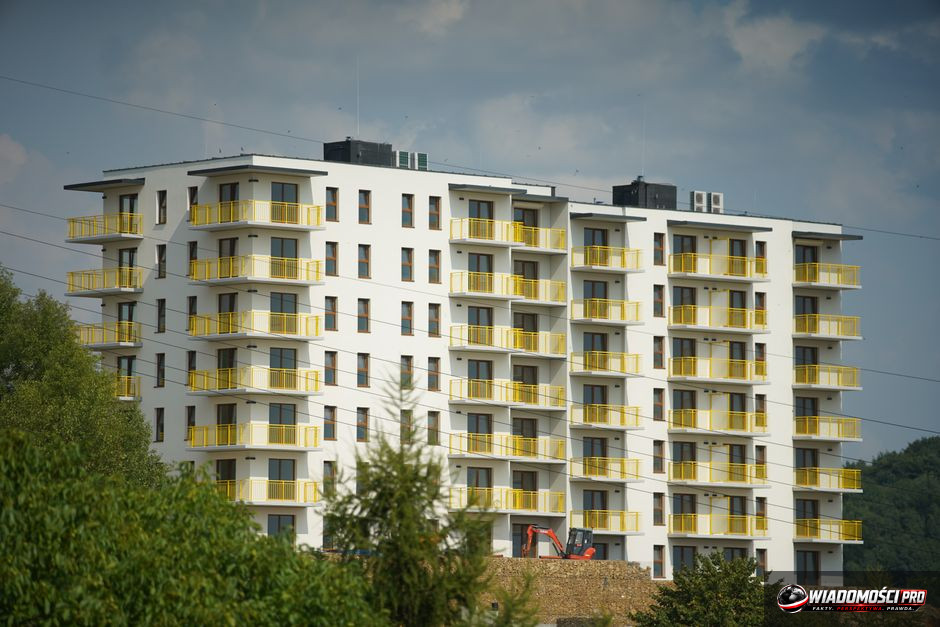
The state is finally putting an end to the "wild west" of the short-term rental market. The goal is clear: the central register of accommodation facilities is intended to cover exactly 100,000 units currently serving tourists. These are not loose estimates, but the actual number of apartments over which officials want to take full control. As announced, the registration is meant to organize a market that has so far often evaded tax authorities and local regulations.
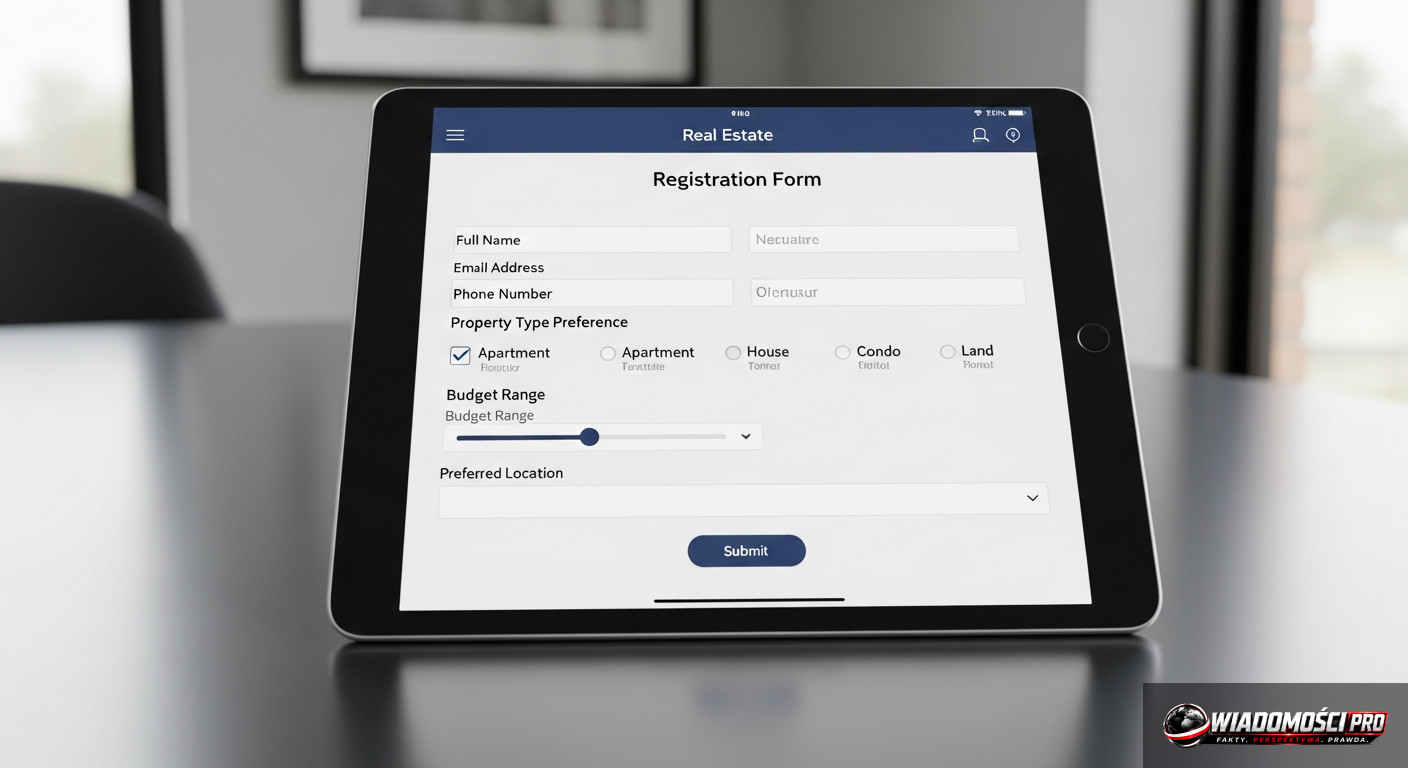
The mechanism is simple and ruthless. Anyone who wants to offer accommodation must be in the central database. Registration is becoming mandatory. Without an entry in the system, the business effectively ceases to exist, or at least becomes illegal. The Ministry assumes this is the only way to control the supply of accommodation in cities where tourism has displaced residents.
Financial penalties are intended to be a severe whip for the resistant. An owner who ignores the new requirements risks a fine of up to 50,000 PLN. This is a clear signal: the time of making extra money on "after-hours" rentals without any formalities is coming to an end. The ministry presents the matter in binary terms: either full transparency or exclusion from the business.
However, implementing such a broad system is only half the battle. The real test for the administration will begin at the moment of actual inspections. Will officials actually verify these 100,000 units, or will the register remain a dead regulation, hitting mainly the most honest ones? Currently, there is still a lack of detailed information about the technical process of verifying applications. Nevertheless, the warning has been sent. Anyone counting on quietly bypassing the system risks losing a year's worth of rental profit in a single day of inspection.
Fines up to 50,000 PLN: Who will be hit the hardest?
Fines up to 50,000 PLN: Who will be hit the hardest?
If you run a short-term rental, 50,000 PLN is an amount that should dominate your thinking about the business. This is the maximum penalty provided for by the draft of the new regulations. There is no talk here of warnings or long transition periods. The legislator makes it clear: if your unit does not make it into the central register, it becomes an illegal facility.
The operation is intended to cover 100,000 units currently offered to tourists. This is a huge scale. Until now, this market functioned largely on the basis of self-regulation and silent consent. Now the state wants to have insight into every address where a tourist leaves money.
Here are the main risks posed by the new regulation:
- The maximum penalty provided for in the draft is 50,000 PLN, which for many small investors means a severe financial sentence.
- Sanctions apply to all landlords who fail to fulfill registration obligations within the required time.
- The project aims to eliminate illegal accommodation points that have so far operated without supervision and often outside the tax system.
This approach is uncompromising. The government hopes that the threat of such a high fine will force owners to reveal themselves faster than any information campaign. The question is whether the administration will be able to handle thousands of applications without paralyzing the system. If registration becomes a bureaucratic nightmare, even those who want to operate honestly will suffer. From an official's point of view, the goal is noble: an end to lawlessness on platforms like Booking or Airbnb. From an owner's perspective, it is simply another costly entry barrier that may eliminate smaller players from the market, without necessarily improving the actual quality of services.
Tourist disturbing the peace? New tools for neighbors
A tourist who throws a loud party all night in the apartment next door is no longer just a troublesome tenant who is difficult to evict. According to the new regulations coming into force in 2026, protecting the peace of residents becomes a statutory priority, which will directly hit careless apartment rental owners. The government is introducing tools to curb lawlessness on platforms like Airbnb or Booking, giving neighbors real power over what happens in the stairwell.
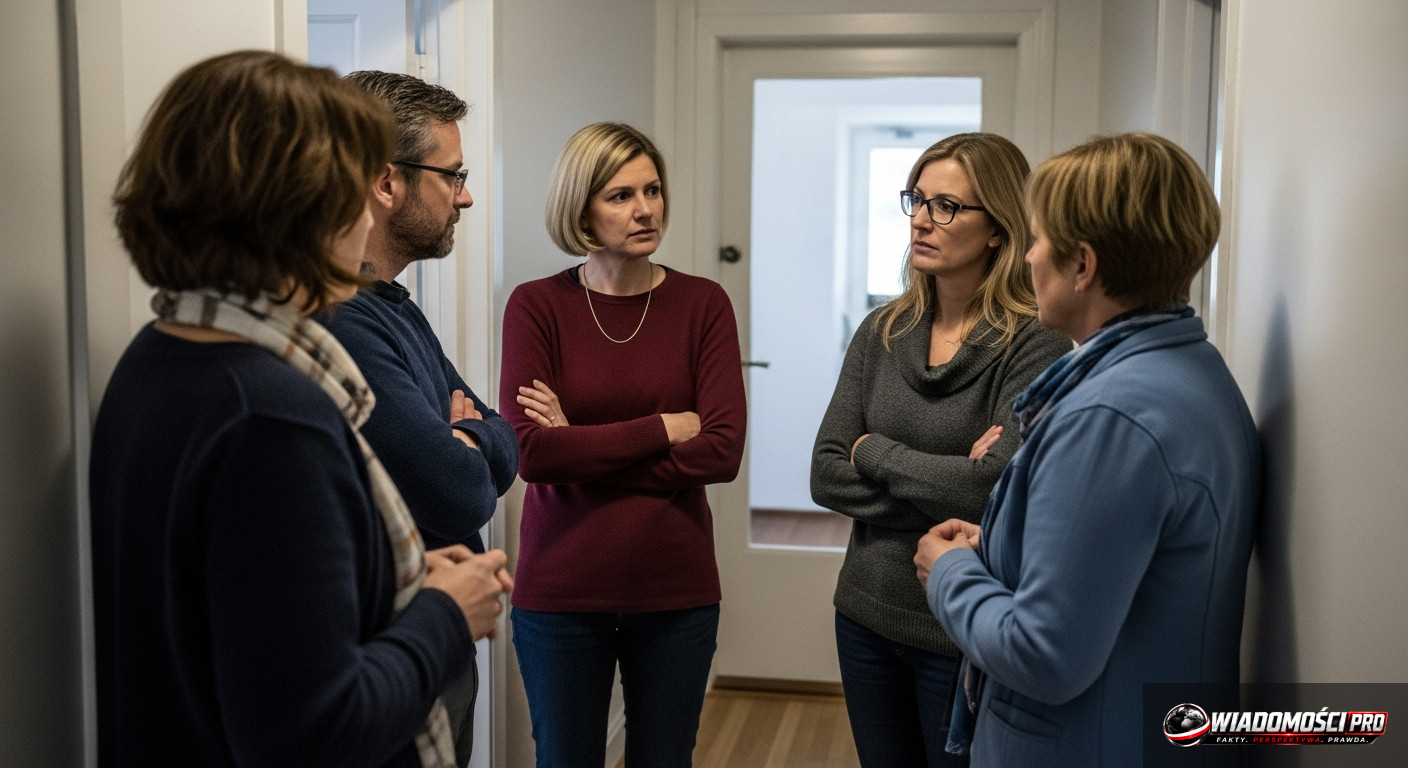
For residents of apartment buildings and tenements, this is a key change. Until now, interventions in short-term rental matters often ended in helpless conversations with the police, who had limited room for maneuver against temporary guests. Now, neighbors gain tools to quickly report troublesome tenants directly to supervisory bodies. This mechanism is intended to be easy to use and firm in its consequences. Every report of a violation of quiet hours or disturbing the peace will be verified in the context of the entry in the central register, which will cover about 100,000 units nationwide.
Apartment owners should prepare for serious financial consequences. If neighbors' complaints prove to be justified and confirmed violations become the basis for intervention, the risk of a fine reaches 50,000 PLN. This is an amount that effectively cools the enthusiasm for treating an apartment like a hotel without any rules. The ministry makes it clear: short-term rental cannot take place at the expense of the comfort of people living in a given building permanently.
In practice, this means that the owner of a rented unit becomes legally responsible for the behavior of every tourist to whom they hand over the keys. While the previous "wild west" allowed for profit-taking without regard for the surroundings, now every report from a neighbor can become direct evidence in a case for imposing a severe fine. This is not just a cosmetic correction of the law, but a real tool of pressure that shifts the focus from the landlord's profits to the tenant's right to rest.
Are we threatened with rental bans in districts?
Apartment owners offering units to tourists are entering a phase of unprecedented uncertainty. The project, which has been talked about since mid-April 2026, leaves no illusions. The introduction of a central register, which will cover as many as 100,000 units, is a prelude to upcoming restrictions. The real problem for investors, however, is the financial threat. For
Impact of new regulations on the market of 100,000 apartments
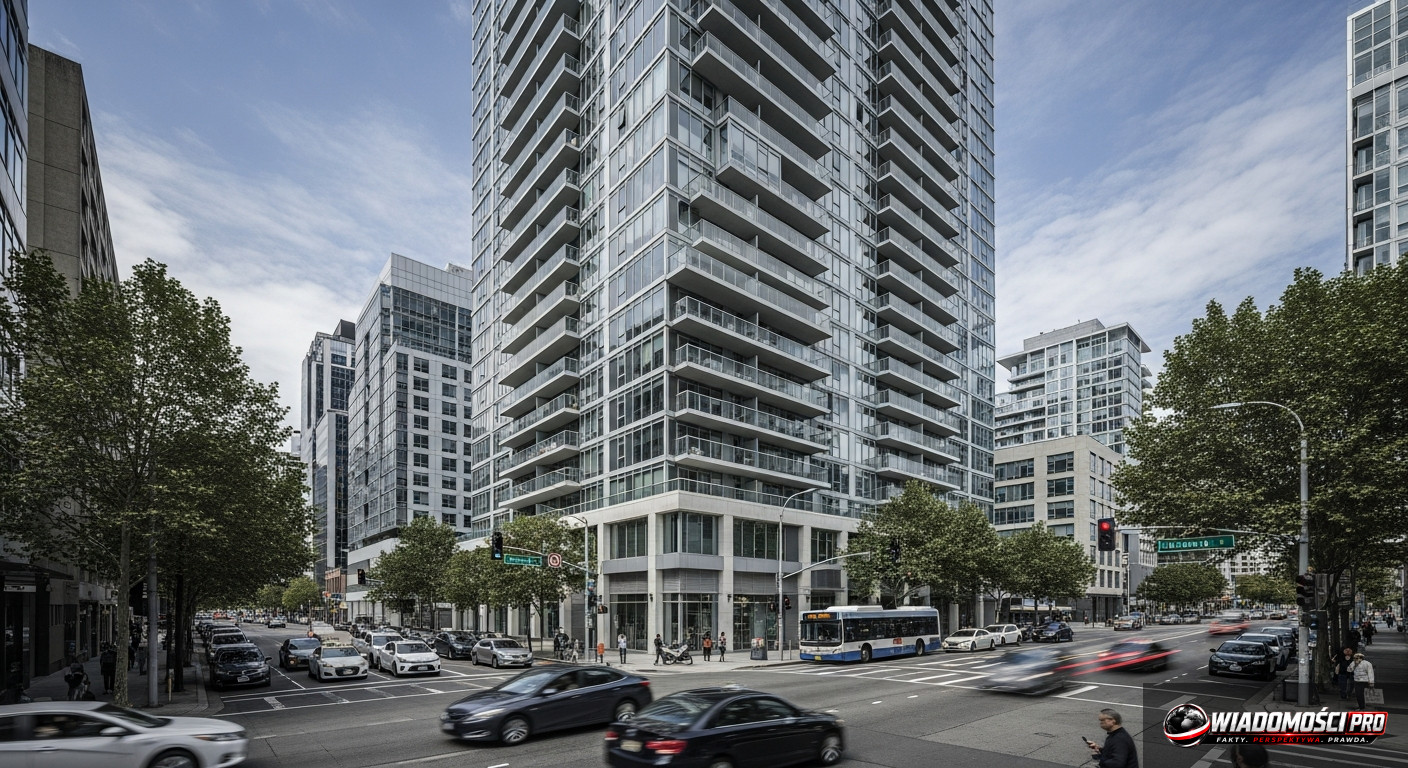
The introduction of a central register of accommodation facilities is the end of the wild west era in the short-term rental sector. The changes are not cosmetic. They strike at the foundations of a business that has so far relied on a lack of transparency and scattered data. Now the state is putting these 100,000 units under the microscope. Owners who have previously treated renting to tourists as a way for quick, untaxed profit are backed into a corner.
The market is heading towards brutal professionalization. It is no longer enough to have an ad on a popular site to legally accept guests. Every unit must meet strict technical and sanitary requirements, and ignoring the regulations will become extremely expensive. Fines reaching 50,000 PLN are not a scare tactic, but a real legal risk that can wipe out the profits of many seasons.
Here are the key numbers that define today's legal landscape for landlords:
- Number of apartments covered by the register — 100,000 (Forsal.pl, 14.04.2026)
- Maximum financial penalty — 50,000 PLN (Business Insider Polska, 15.06.2026 and Gazeta Prawna, 26.05.2026)
For owners, this means the necessity of immediate verification of the unit's status. Many apartments offered to tourists simply will not meet the rigorous standards, which will force some investors to withdraw from the market or return to long-term rentals. Data transparency is also a tool in the hands of neighbors, who gain new powers to control what happens behind the wall. The anonymity of hosts is over. Now every unit in the system will have its history and assigned obligations. Anyone who does not comply with the new requirements risks not only a high fine but also a total ban on operations, which in extreme cases could cover entire districts. The market is becoming predictable for the tax office, but very dangerous for amateurs.
Schedule of changes: From May to July 2026
Apartment owners offering units to tourists are watching with concern the calendar, which in recent months has filled up with official announcements. The changes are not cosmetic. This is a thorough reconstruction of market rules that effectively ends the era of the wild west in rentals. In just one quarter, the legislator has moved from general promises to hard regulations aimed at a full inventory of units.
Here is the chronology of the introduction of new restrictions:
- April 2026: The legislative process rapidly gained momentum. In the middle of the month, the Sejm sent the draft law for further work, which finally cut off speculation about a possible government withdrawal from the regulations.
- May 2026: The first regulations regarding mandatory short-term rental registration came into force, which became a direct warning signal for thousands of owners.
- June 2026: Public debate focused on drastic sanctions. Provisions appeared regarding fines of up to 50,000 PLN for violations, which caused a wave of anxiety among investors.
- July 2026: The discussion on the amendment entered a decisive phase, and the government is refining the rules for the operation of the central register of accommodation facilities.
The system is ultimately intended to cover 100,000 units offered to tourists. This is a massive database that will connect the tax office directly with platforms like Booking or Airbnb. The question of whether the Polish administration will be able to handle such a gigantic machine remains open. Owners who have so far avoided reporting their activities will be backed into a corner. Financial penalties are not just a scare tactic, but a real tool that can instantly eliminate less profitable players from the market. Officials, by imposing such a rigorous pace of change, are clearly betting on quickly sealing the system, while ignoring voices of criticism regarding the risk of freezing investments in the tourism sector.
What this means for you
For apartment owners, this is a signal to exit the gray area and prepare for higher legal requirements. Neighbors win, gaining real tools to fight noise, while those renting out units without registration lose, risking huge financial penalties.
Questions and answers
How much exactly is the maximum fine for violating the new regulations?
According to the government's draft, owners can be fined up to 50,000 PLN.
Will every short-term rental offer be included in the register?
Yes, the goal of the amendment is to include all accommodation facilities in the central register, which concerns about 100,000 apartments in Poland.
What can neighbors do when tourists disturb the peace?
The new regulations introduce dedicated tools allowing neighbors to more effectively report cases of tourists disturbing the peace.
Sources
- Government takes on short-term rentals. There will be a central register of accommodation facilities and fines for disturbing the peace - Bankier.pl
- Government takes on short-term rentals. Owners face high fines and new registers - Super Express
- Fines up to 50,000 PLN for renting to tourists. Government takes on short-term rentals - Business Insider Polska
- Short-term rental registration – what changes from May 2026? - Podatnik.info
- End of lawlessness on Airbnb and Booking. New law, fines up to 50,000 PLN and new tools for neighbors - Gazeta Prawna
- Renting to tourists? The government may severely limit it. Even a ban in districts - Super Biznes
- End of short-term rental: changes for 100,000 apartments. These are the new regulations - Forsal.pl
- New short-term rental rules? Sejm sends the project further - Money.pl
Article prepared by the Wiadomości PRO editorial team with the support of artificial intelligence. Facts come from the sources listed above.


Komentarze (0)
Ładowanie komentarzy...