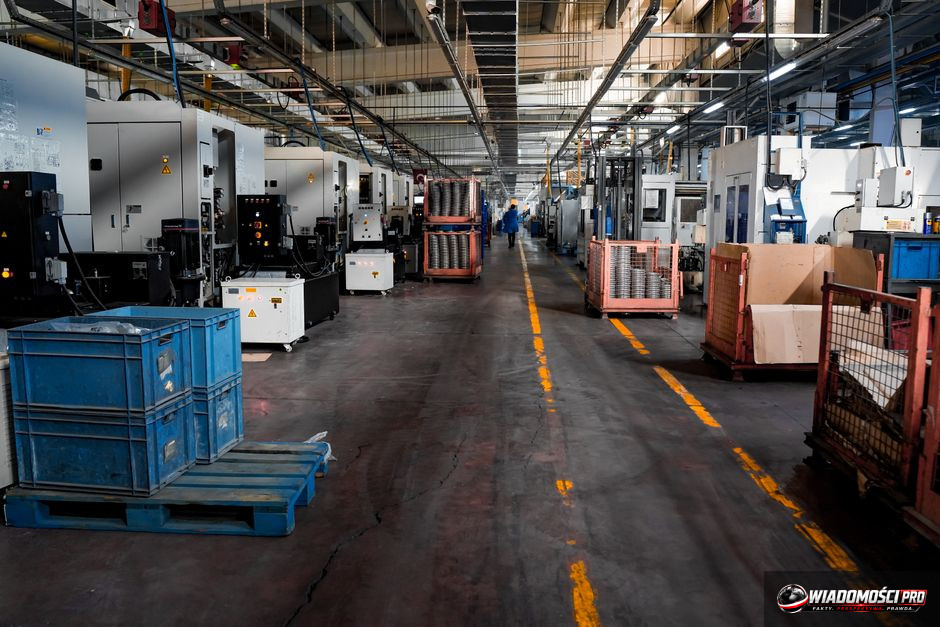
Volkswagen is planning to withdraw up to 50% of its models from its current lineup and eliminate 100,000 jobs, a direct result of the financial crisis and the supervisory board's loss of confidence in CEO Oliver Blume's actions. This decision represents a radical departure from the company's previous strategy, which for decades sought maximum product diversification to meet the needs of every market segment. Currently, however, a business model based on a massive portfolio has become a burden, with maintenance costs exceeding the revenue generated by sales, forcing the management board to take action on an unprecedented scale.
Causes of the company's systemic failure
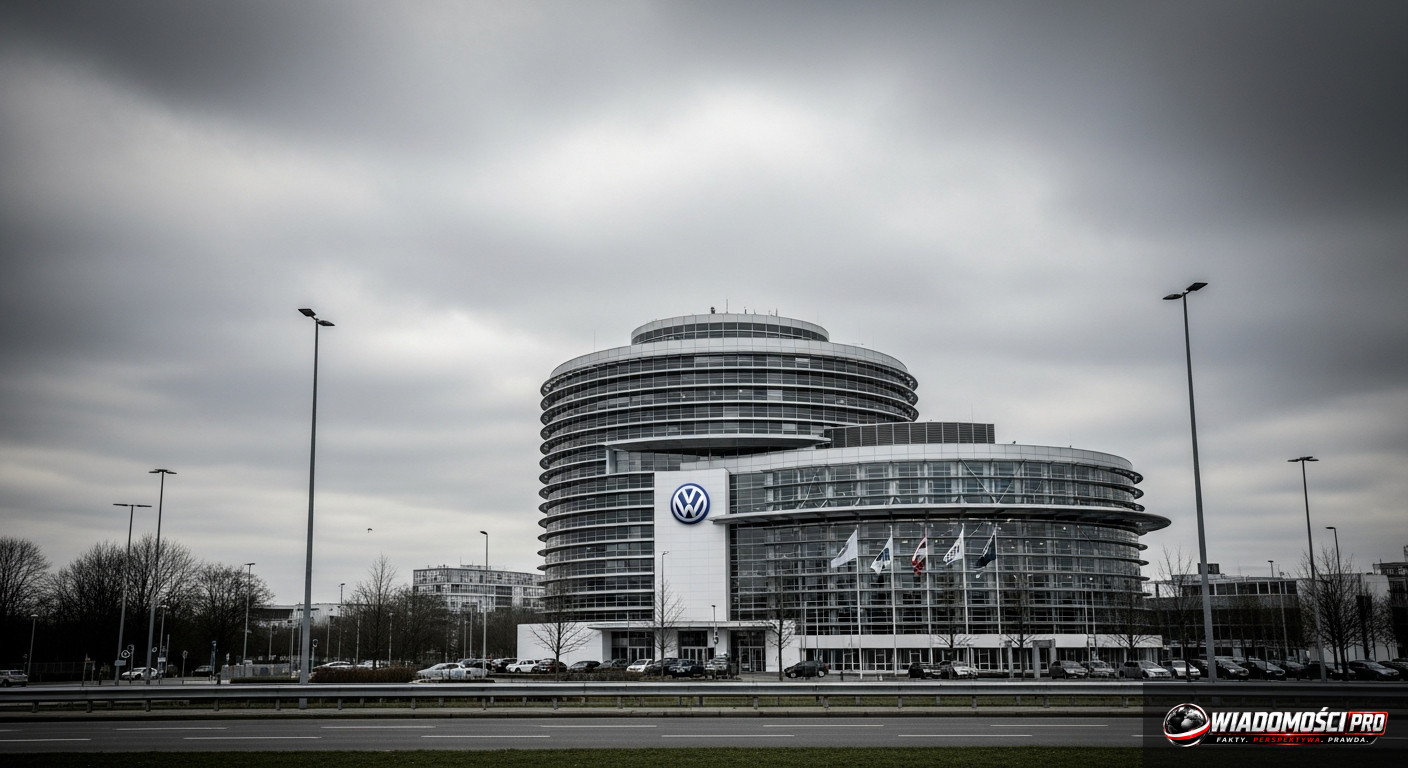
The problems Volkswagen is facing today did not appear suddenly, but resulted from operational inefficiencies that had been mounting for months. As early as April 2026, financial reports showed a drastic drop in profits, signaling to investors that existing cost-optimization methods were insufficient. The company, having spent years building its position through acquisitions and expanding its range of brands, became trapped by its own scale. The complex product architecture that once allowed for the efficient use of parts across different models ceased to provide benefits in the era of electric transformation.
Energy costs, pressure from competitors, and the need to simultaneously develop combustion and electric technologies created conditions where maintaining a full lineup became financially impossible. Experts and market analysts, assessing the situation on July 11, 2026, pointed out directly that the current business model had stopped working. The lack of an effective recovery strategy from Oliver Blume caused the supervisory board to lose faith in the management's ability to lead the company out of the crisis. Investors, looking at the financial results from the first quarter of 2026, began selling off shares, which forced the authorities to take drastic steps.
Analysis of the impact on the supply chain and the Polish market
Withdrawing half of the models from the offer is not just a change in price lists for customers; it is, above all, a powerful blow to the supply chain. Volkswagen has an extensive network of subcontractors, including numerous plants in Poland that specialize in producing components for specific model lines. A 50% reduction in the product range means that hundreds of suppliers in the Central and Eastern European region will face the necessity of immediate re-skilling or ending production.
Polish Volkswagen factories, such as those in Poznań and Września, are deeply integrated with the German headquarters. Any production cut in Wolfsburg directly translates into smaller orders for Polish suppliers of plastic parts, electronics, and engine components. If the company decides to phase out specific technology platforms, Polish plants could be cut off from their revenue stream, which will force them to reduce employment not only within VW structures but also at external business partners.
For the Polish market, which is an important link in the European automotive supply chain, this means a period of immense uncertainty. The management in Wolfsburg has not yet provided detailed information regarding which specific models will be withdrawn, which makes it impossible for subcontractors to plan their operations for the coming quarters. The lack of transparency in communication with business partners deepens the crisis of confidence that has accompanied Oliver Blume's actions since he took over as CEO.
The role of 100,000 jobs in the cost structure
The elimination of 100,000 jobs is an indicator that shifts the problem from a financial level to a social one. In Volkswagen's structure, where employees have enjoyed strong union protection for years, such a massive reduction is a signal of last resort. The management argues that labor costs at current unit productivity levels do not allow for profitability. This decision was announced on June 26, 2026, and despite earlier assurances of striving for an agreement, it met with huge resistance from trade unions.
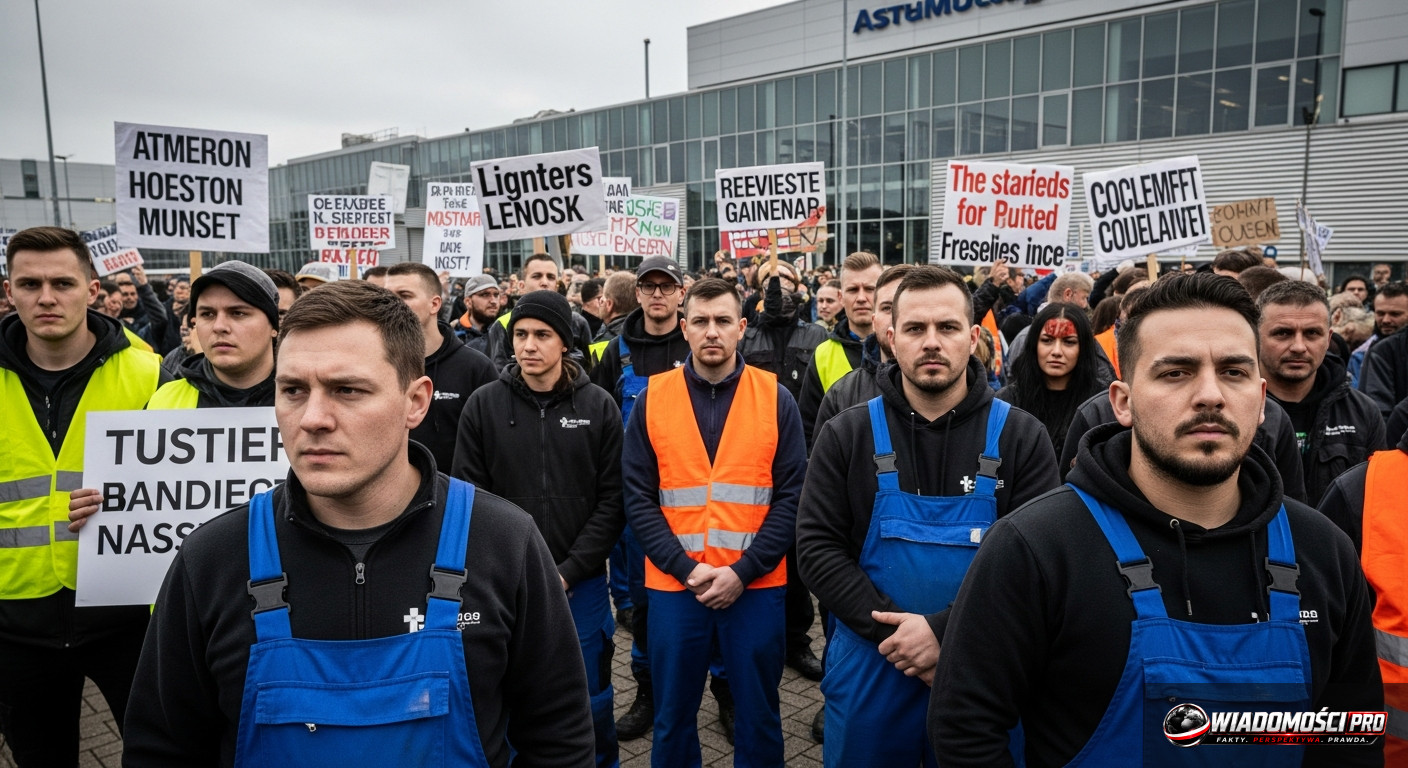
For the workforce in Germany, as well as in foreign plants, this is a blow that changes the perception of the company as a stable employer. Trade unions warn that the scale of the layoffs is disproportionate to the actual recovery needs and could lead to production paralysis in key factories. The atmosphere in the plants is tense, and ongoing protests show that employees do not intend to accept the decision for such a drastic reduction in employment without fighting for severance terms or alternative restructuring plans.
It is worth noting that the reduction of 100,000 jobs concerns not only workers directly on the assembly line but also a huge portion of administration and research and development departments. If the company plans to withdraw half of its models, a natural consequence is a reduced need for engineers working on developing new engine versions or designing new bodies. This means that Volkswagen is losing its intellectual resources, which in the long run may make it difficult to return to innovation, even if the company's finances are stabilized.
Conflict over leadership in Wolfsburg
Oliver Blume's position as CEO has become extremely precarious. The supervisory board, which in recent months has increasingly voiced dissatisfaction with financial results and the lack of a clear strategy, has put him in a difficult situation. Information from June 26, 2026, suggests that the CEO is on thin ice. The lack of unity between the management board and the supervisory board makes it difficult to make any binding decisions, which translates into decision-making chaos within the entire company.
The management under Blume's leadership tried to defend itself with arguments about the necessity of long-term transformation, but for the supervisory board, current financial results were what mattered most. This conflict is not just a dispute over strategy, but over the way power is exercised in the automotive giant. If Blume does not silence the social protests related to the job cuts, his dismissal may be a matter of time. The supervisory board is under pressure from investors who expect concrete actions aimed at improving operating margins.
Behind the scenes, it is said that the current restructuring plan is being treated as the last chance for the current management. If profits do not increase after withdrawing half of the models and laying off 100,000 people, the supervisory board will be forced to make changes at the highest level. This creates a risk that further decisions made by Blume will be dictated by fear of losing his position, rather than a real need to repair the company's condition. The lack of coherent leadership at such a difficult moment for the company only increases uncertainty among shareholders.
An attempt to save financial liquidity
Withdrawing 50% of models from the offer is primarily intended to free up capital frozen in production and research processes. Every model in Volkswagen's offer is not just a finished product, but also thousands of hours of engineering work, logistics costs, and the maintenance of specific production lines. Simplifying the portfolio is intended to allow for a focus on the most profitable products, which in theory should improve the company's financial results in the short term.
Skeptics note, however, that such drastic cuts could lead to a loss of loyalty from customers who have previously chosen Volkswagen due to the wide selection of cars in various segments. If niche models disappear from the offer, customers may turn to competitors who still maintain a more diverse portfolio. The company therefore risks losing market share, which in the future may prove more difficult to recover than current financial losses.
An analysis of data from April 2026, when production declines were first openly discussed, shows that Volkswagen did not react to warning signs early enough. Now that the situation has become critical, decisions must be made in an accelerated mode. This, in turn, leads to errors that could cost the company billions of euros. The management is facing the challenge of how to convince investors of a long-term vision while implementing a plan that, in the eyes of many specialists, looks like a desperate attempt to survive.
Impact on the company's global position
For years, Volkswagen was synonymous with German industrial power. The current crisis undermines this image. If the Wolfsburg giant does not manage its restructuring, the entire automotive sector in Europe will suffer. Other manufacturers are closely watching Volkswagen's moves because its problems are symptomatic of the entire industry struggling with the high costs of the transition to electric drives.
The company's management is facing the necessity of proving that it can manage the crisis in a sustainable way. However, the steps taken so far—such as the announcement of the elimination of 100,000 jobs—indicate that the priority is improving the balance sheet, not social stability or technological development. Such an attitude may in the future result in a lack of qualified staff, who, in the face of layoffs, will look for employment in other industries.
It is worth emphasizing that withdrawing half of the models from the offer is an unprecedented action. No other European car manufacturer of a similar scale has decided on such a deep interference in its product portfolio. If this plan proves successful, Volkswagen will become a smaller, but perhaps more efficient enterprise. If it fails, however, the company may become a shadow of its former power, forced to make further cuts or seek capital externally.
Perspectives for investors and the market
Investors remain in a wait-and-see mode. Stock market reactions to successive information about cuts are nervous and volatile. Every announcement about progress in negotiations with trade unions or changes in the management board triggers a wave of speculation. For the financial market, the most important information is when the company will regain decision-making liquidity and whether the planned cuts will actually bring the expected return on invested capital.
Previous experiences with similar restructuring processes in other industries show that success depends on the pace of implementing changes. Volkswagen, through delays in reacting to the crisis, has lost valuable time. Now it must make up for losses, which is happening at the expense of employees and the stability of the supply chain. Will drastic steps be enough to stop the financial bleeding? Not even the analysts monitoring the company since April 2026 know the answer to this question.
The company is at a turning point. It faces a challenge that no other European car manufacturer of this scale has managed to overcome. The decisions made in Wolfsburg in the coming months will determine the future not only of the Volkswagen brand but also of thousands of subcontractors in Poland and other European countries. What is happening now within the company's structures is a test for the European industrial model in the face of changing market conditions.
Questions and answers
How many models does Volkswagen intend to withdraw?
The management's plans assume withdrawing up to 50% of models from the offer, which is intended to drastically reduce operating costs and simplify production.
Will Oliver Blume remain as CEO?
The CEO's position is currently extremely threatened, as he has received a 'red card' from the supervisory board in connection with the company's historic financial crisis.
What are the plans regarding employment?
The company plans to eliminate 100,000 jobs, which is triggering huge protests from employees, despite earlier assurances of striving for an agreement with the social side.
Why did such a large crisis occur at Volkswagen?
The main reason is the systemic failure of a business model based on a broad portfolio, which, in the face of rising energy costs and challenges related to electrification, has ceased to generate profits.
What impact do these decisions have on the supply chain in Poland?
Reducing the model range by 50% means smaller orders for components for Polish subcontractors, which forces them to restructure or end production for specific vehicle lines.
Does the supervisory board support the current recovery strategy?
No, the supervisory board has lost confidence in the actions taken by CEO Oliver Blume, viewing the current plans as a last resort forced by the catastrophic financial situation.

Sources
- Volkswagen in crisis. Radical recovery plan and major protests - Newsmax Polska
- German giant plans major slimming. Will every second model disappear from the offer? - Money.pl
- One hundred thousand jobs to be cut despite agreement. Volkswagen in trouble - TVN24
- Huge cuts in response to Volkswagen's historic crisis. CEO on thin ice - Rzeczpospolita
- "Business model no longer works": VW prepares radical restructuring - MSN
- Crisis at Volkswagen. Serious profit decline - dw.com
- Volkswagen cuts costs! Production and employment are going down - Punkt.media
- Sharp cut at Volkswagen. CEO announces serious changes - Spider's Web
Article prepared by the Wiadomości PRO editorial team with the support of artificial intelligence. Facts come from the sources listed above.
Komentarze (0)
Ładowanie komentarzy...