Tensions in the Middle East reached a critical point after US armed forces carried out their second consecutive series of strikes on Iranian territory. Washington's decision to use new weaponry has sent shockwaves through global markets and placed armies on high alert.
USA turns to new weaponry
The US Central Command officially confirmed that Sunday's strikes were precisely aimed at key Iranian military installations. Washington emphasizes that this is a response to the growing threat to regional security and acts of aggression by militias supported by Tehran.
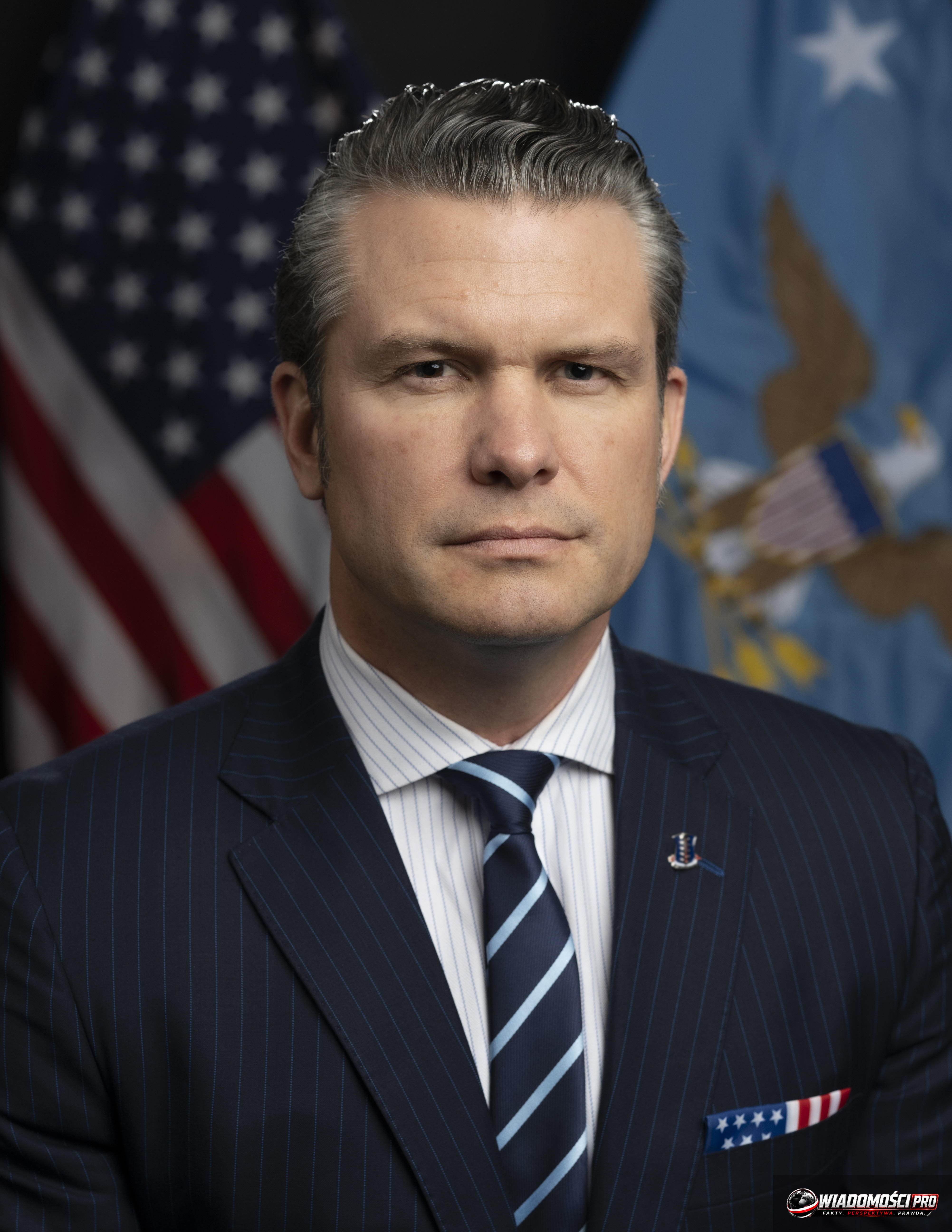
Pentagon chief Pete Hegseth has already announced the creation of a special task force to monitor the effects of the operation and prepare further action scenarios. Military experts point out that the use of new military technology suggests that the US does not intend to limit itself to defensive actions only.
The situation is dynamic, and the airspace over the region has become extremely dangerous. Movements of American units are being closely observed by intelligence agencies around the world, which are trying to assess whether this is the beginning of a long-term war campaign.
Tehran threatens retaliation
Iran's reaction was immediate and extremely firm. Representatives of the Iranian government announced that any aggression would be met with a devastating response that would be felt far beyond the region's borders. Tehran accuses the USA of destabilizing the Middle East.
Messages about the readiness of the armed forces to protect the country's sovereignty are appearing on Iranian state television. Analysts note that Tehran's rhetoric has become significantly sharper than in recent years, suggesting that diplomatic solutions may be insufficient this time.
Many observers fear that the spiral of violence could draw other countries in the region into the conflict. Iran's allies are already declaring their support, which puts the world before the specter of an open war on a scale not seen in decades.
Poland outside the Ukraine support coalition
In the shadow of the escalation in the Middle East, Europe's attention is focused on a new defense initiative. Nine European countries, including France, Germany, and Denmark, have established a new coalition to support Ukraine, but Poland is missing from the list of signatories.
Warsaw's absence from this group has sparked a wave of speculation in political circles. Experts are wondering if this is the result of a change in priorities in Polish foreign policy, or perhaps the result of previous diplomatic tensions between Warsaw and Brussels.
The government has not yet issued an official statement on the matter, but the opposition is already demanding explanations. This situation sheds new light on the unity of the European front in the face of the ongoing war across our eastern border.
Crisis in the Ukrainian government
The situation in Kyiv is becoming increasingly complicated. The Verkhovna Rada of Ukraine has received Yulia Svyrydenko's official resignation from the position of Deputy Prime Minister, which is the next stage of a major restructuring of the Ukrainian government during the ongoing war.
Experts point out that Svyrydenko's departure is a signal of deep personnel changes aimed at improving the efficiency of state management under crisis conditions. Kyiv must face not only the front line but also growing internal problems.
Behind the scenes, there is talk of the need for Ukrainian-Ukrainian reconciliation after the end of hostilities. According to analysts, the reconstruction of the country will require not only funds but, above all, a new political consensus that will allow for the unification of a divided society.
More in today's episode of Wiadomości PRO on YouTube: @wiadomoscipro
Most content is created by the Wiadomości PRO editorial team; artificial intelligence supports the preparation of summaries. This daily review was automatically generated by AI.

Komentarze (0)
Ładowanie komentarzy...