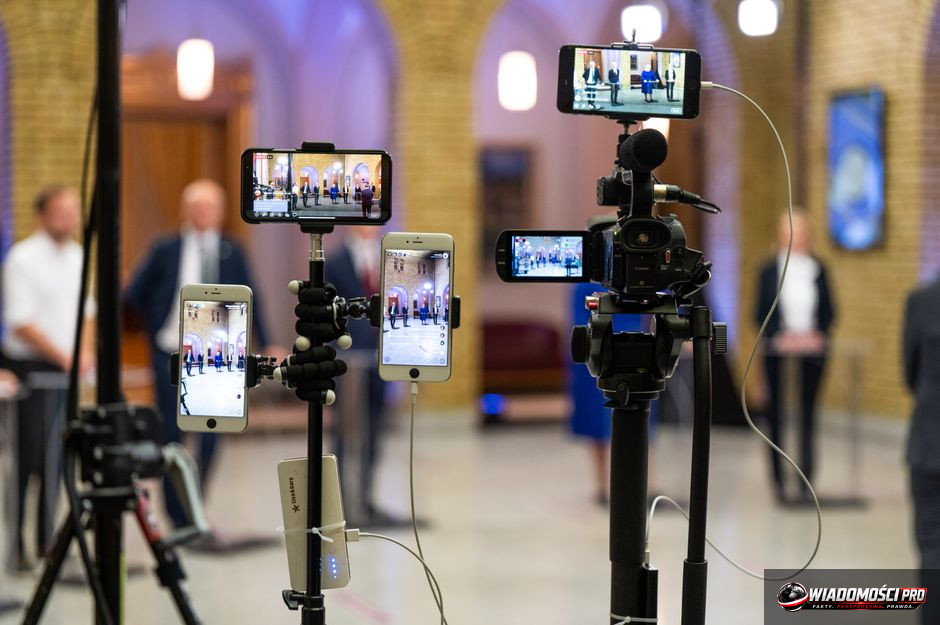
The European Space Agency Center will be built in Warsaw, which was officially announced on July 13, 2026, by Prime Minister Donald Tusk. The choice of the capital ends the competition with Gdańsk, Wrocław, and Łódź, opening a new chapter for the Polish high-tech sector. This decision crowns months of efforts by the government administration and local government lobbying, changing the balance of power in the Polish space industry.
Official decision: Warsaw as the capital of Polish astronautics
The selection of Warsaw as the seat of the ESA Center is a fact that sheds new light on the government's investment priorities in the area of modern technologies. Over the past months, each of the competing cities built its own narrative based on local assets, such as academic facilities, access to engineering staff, or existing technological clusters. The final selection of the capital by Prime Minister Donald Tusk ends these speculations, but at the same time raises a number of questions about the facility's operating model.
This is not just a symbolic administrative gesture. The government's decision means that the most important resources, personnel, and funds dedicated to Poland's participation in ESA programs will be concentrated in Warsaw. The high-tech industry is receiving a clear signal: building business and scientific facilities in close proximity to decision-makers is becoming a necessary condition for successfully winning contracts. From the perspective of Łódź, Wrocław, or Gdańsk, the Prime Minister's announcement poses a challenge that local innovation ecosystems must face by verifying their current development strategies.
Centralization in Warsaw, while operationally convenient for the government administration, raises controversy in the context of balanced distribution of technological potential. Other centers that had long been preparing analyses of personnel potential and lobbying the authorities must now redefine their place in the Polish space puzzle. Prime Minister Tusk, by announcing the location, has opened a new chapter for the Polish high-tech sector; however, whether this capital will be used nationwide or closed within the walls of Warsaw office buildings remains an open question. Now it is time for concrete operational plans and construction schedules, the details of which the government promises to present in the coming weeks.
The race for the ESA Center: Why did the capital beat the competition?
The internal space race, in which the largest Polish metropolises participated, ended with Warsaw's victory. For the losing cities, this means the need to revise local high-tech sector development strategies. Three centers competed for the title of the seat: Gdańsk, focusing on its strong engineering traditions and access to Pomerania's scientific facilities; Wrocław, promoting itself as a technological hub with a strong base of space sector companies; and Łódź, counting on a development impulse that would revitalize the local IT specialist job market.
Why did Warsaw win? Official government announcements focus on ready-made infrastructure and administrative centralization. Critics, however, point to political pragmatism: it is easiest to embed a new agency where all ministries and key institutions financing research are already located. This is a solution that minimizes logistical risks at the implementation stage but may deepen disparities between the capital and the rest of the country.
For Łódź, Wrocław, and Gdańsk, this decision is painful. Over the past months, the mayors of these cities created special offers, prepared analyses of personnel potential, and lobbied the authorities, hoping for the diversification of the Polish space economy outside the center. Today, these plans have been shelved. The question remains whether the government will offer these cities compensation in the form of other projects or leave them with a sense of wasted investment effort. The capital has gained prestige and new jobs; the rest of the country must look for opportunities elsewhere.
Warsaw has a unique advantage in the form of access to a wide network of financial institutions and proximity to key political decision-makers. In the space sector, where investment cycles are long and risks are high, the presence of an agency near decision-making centers is treated as a significant asset. Nevertheless, for technology companies from Wrocław or Gdańsk, it will now be crucial whether the ESA Center in Warsaw becomes a hub open to cooperation or a closed administrative structure.
Impulse for the high-tech sector: What will Poland gain?
The authorities hope that the agency's presence will become an impulse for the domestic high-tech sector. The promise of supporting innovation and accelerating technology transfer sounds good, but the market needs hard data. Technology companies expect not just a vision, but access to grants, laboratories, and cooperation with partners from ESA.
The Polish space industry has for years specialized in specific niches, such as Earth observation systems, satellite telecommunications, and components for launch systems. Utilizing the potential of the Warsaw unit should focus on integrating these dispersed competencies. Earth observation systems are one of the pillars of the European space economy, playing a fundamental role in monitoring climate change, precision agriculture, or crisis management. Poland has companies that already provide software for processing satellite data. The center in Warsaw should be a place where these companies receive support in certifying their solutions, which will allow them to enter the global supply chain.
The choice of Warsaw raises controversy in the context of sustainable development. Focusing such an important institution in the capital may deepen the brain drain from regional centers that have been fighting for this project for the past months. After all, Wrocław or Gdańsk have strong technical facilities. Will Warsaw be able to shoulder the role of the main hub without extinguishing the potential in other cities? That remains an open question.
Currently, this is only a political decision. The real test will come when declarations about technology transfer have to be translated into real profits for Polish enterprises. The high-tech industry needs stable legal frameworks and long-term financing, not just a prestigious address. It remains to be seen whether this symbolic spaceship will actually launch or get stuck in procedures for a long time.
Strategic importance of cooperation with ESA
The role of ESA in the European economy is based on hard industrial parameters. The main task of the Warsaw center is the permanent integration of Polish industry with the European space supply chain. Until now, domestic companies often acted as second- or third-tier subcontractors, operating on the fringes of large projects. Now they are gaining direct access to decision-making processes and the agency's know-how. This is a qualitative leap that, however, requires a change in the business model of many Polish enterprises.
The success of this investment depends on human capital. The presence of ESA in Warsaw is intended to force the improvement of engineering and scientific competencies across the country. Without certified personnel capable of meeting rigorous space standards, access to European contracts will remain merely theoretical. We need engineers who understand the specifics of the market, not just theorists.
The choice of the capital raises questions about the development model. Critics point out that centralization in Warsaw may weaken the potential of regional technology clusters that have been building their experience in satellite technologies for years. The government has opted for the concentration of resources in one point. Now it must prove that this strategy will bring real benefits to the entire country, not just to Warsaw's infrastructure. Will Polish universities and companies be able to scale their capabilities to the requirements imposed by ESA in a short time? We will know the answer to this question with the first tenders issued by the new center. If they do not translate into real orders for Polish enterprises, the decision on the location will remain only a political success, not an economic one.
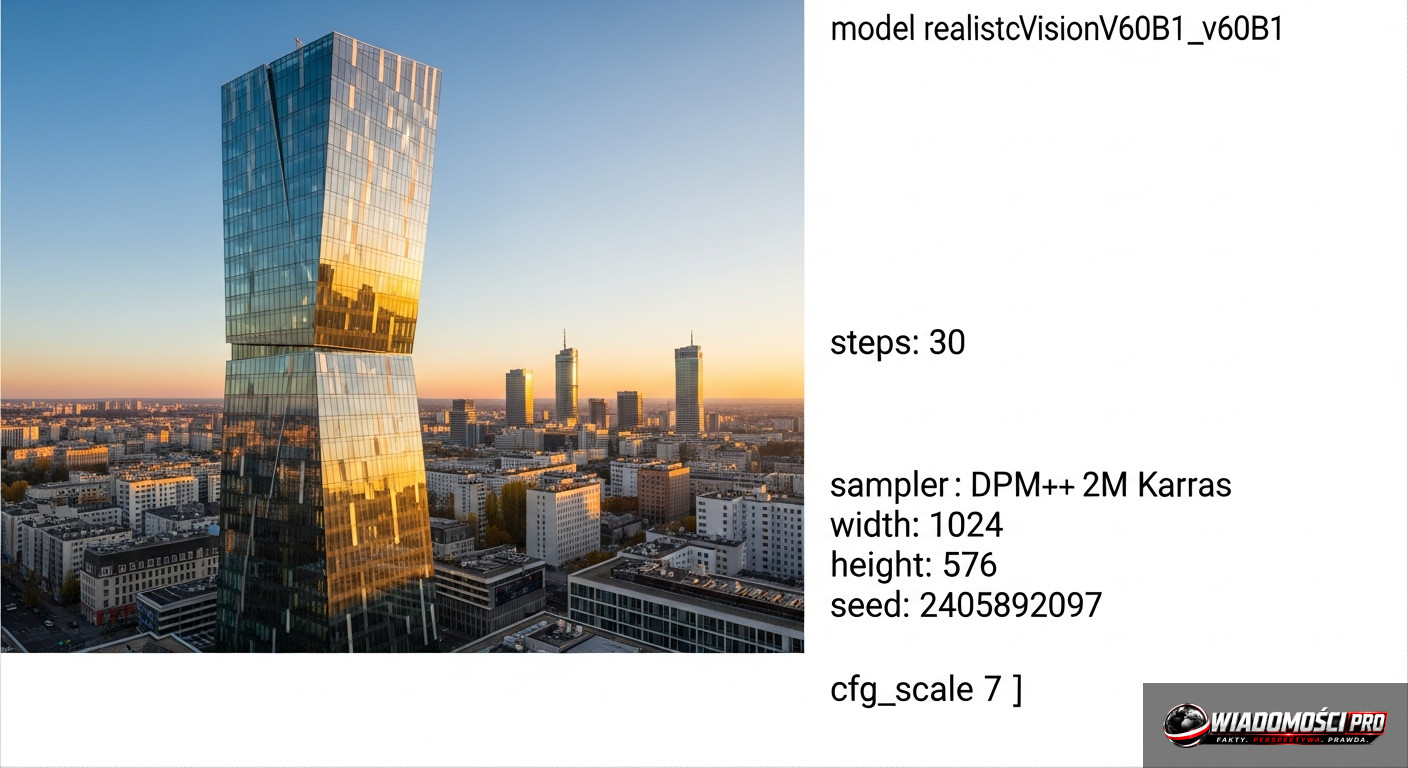
Schedule and infrastructural challenges
Political optimism must be quickly confronted with the brutal logistical reality. The Warsaw City Hall, together with the Ministry of Digital Affairs, has a tight calendar ahead of them. Preparing space for ESA is not just a matter of choosing an office building, but above all, creating a work environment that meets strict European security and technical advancement requirements.
Warsaw faces concrete tasks that must be completed in the coming months so that the project does not get stuck in a dead end:
- The need to adapt infrastructure for the agency's needs. Buildings must undergo modernization in terms of military-grade ICT security systems, which, in the conditions of the Warsaw real estate market, may generate significant delays.
- Building technological facilities. ESA does not need ordinary open-space offices, but certified laboratories and server rooms with increased resistance to power failures.
The biggest risk remains time. Adapting existing buildings often turns out to be more expensive and slower than building new ones, and the pressure for a quick launch of the facility will be enormous. The choice of the capital, despite the obvious advantages in the form of personnel facilities, also poses a challenge for the investor in the form of high maintenance costs for the facility. If the government does not provide precise funding for modernization, this burden will fall on the city budget. For now, there is no detailed information on which specific quarter of 2027 is the deadline for the full operational status of the Warsaw facility. The question remains whether ambitious plans will not collide with bureaucratic impotence in adapting Warsaw's real estate.
It is worth noting that the Polish space sector is not a monolith. Companies specializing in satellite telecommunications have different needs than entities dealing with materials engineering or propulsion systems. Warsaw will have to become not only an administrator but also a moderator of this diverse ecosystem. If the center limits itself to acting as an intermediary in tenders, the chance for real development of Polish technologies will be squandered.
Poland in space: Perspectives until 2030
The government's vision goes beyond the administrative facility itself. Warsaw is to become the center of a technological hub that is to attract capital and personnel from all over Europe by 2030. A key pillar of this strategy is the systematic increase in expenditure on research and development, which has so far remained the Achilles' heel of the Polish space industry. We are talking about real support for engineers and companies that previously had to look for large orders exclusively from foreign ESA partners. Now the order market will become more accessible.
The decision to locate the agency in the capital, however, has a hidden side. Centralization raises legitimate questions about the real dispersion of competencies, which was talked about loudly in the early stages of negotiations. Will renowned academic centers, such as Wrocław or Gdańsk, not now be in the shadow of the Warsaw center? Concentrating resources in one place will accelerate the construction of the hub, but it may also deepen the brain drain from the regions. The government now faces a difficult challenge to ensure that this Warsaw project becomes a locomotive for the entire country, not just a prestigious office on the map.
By 2030, we will see if Polish technological thought has actually gained from this concentration or if it has simply changed its registered address. The numbers will show whether the money flowing into research is actually building an innovative economy or merely fueling Warsaw's structures. Investing in space infrastructure is a non-zero-sum game only if the mechanisms of cooperation with ESA are opened to regional research centers. Otherwise, Poland may build a beautiful facade behind which there will be no real driving force of Polish industry.
It is also worth analyzing the role of foreign capital. Will the presence of ESA in Poland attract space industry giants to open their branches in Poland? That would be a true indicator of success. If Warsaw becomes a magnet for European corporations, the 2026 decision will prove to be correct. If, however, the center remains an island isolated from the global market, the benefits for Polish companies may be limited to a narrow group of beneficiaries of government orders.
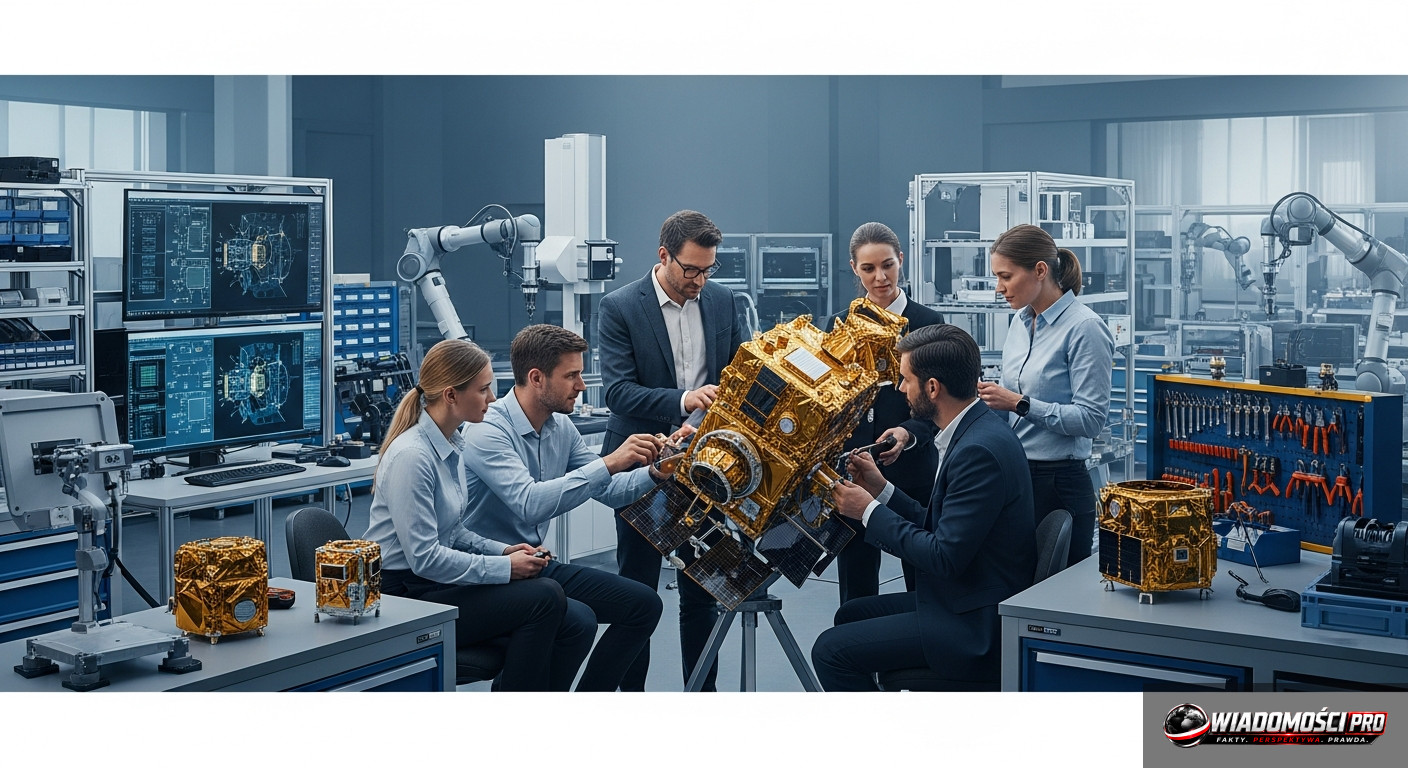
What this means for you
For the average observer, the decision on the location in Warsaw may seem like just an administrative matter. However, for the labor market and technological development, it is a signal about the direction in which the state is heading. Warsaw's universities and technology companies will gain, but cities like Wrocław or Gdańsk are losing the chance to be a "space hub," which may deepen regional inequalities.
Does this mean that young engineers from other cities have to pack their bags? Not necessarily. If the Warsaw center actually becomes an integrating hub, it will need partners across the country. Success depends on whether the government creates mechanisms for the flow of knowledge and orders between the capital and regional centers. Without this, "space Warsaw" will remain an elite club, entry to which will be difficult for local companies from smaller metropolises.
It is worth monitoring which specific ESA programs will be assigned to the Warsaw facility. If these are projects with a high degree of innovation, requiring unique competencies, the competition for participation in them will be fierce. For technology companies, this is the moment to audit their own capabilities and prepare to meet the agency's rigorous requirements. This is not a time to rest after the competition for the location has ended, but a moment to prepare for real work on European space programs.
Questions and answers
Why was Warsaw chosen instead of Wrocław or Gdańsk?
The government indicated Warsaw as the optimal location for the ESA Center, which was confirmed by the Prime Minister, ending the selection process between candidate cities based on infrastructure and logistical analysis.
What benefits will the ESA Center bring to the Polish economy?
The investment is intended to be a strong impulse for the high-tech sector, stimulating innovation in Earth observation systems and satellite telecommunications, and integrating Polish companies with European supply chains.
When will the ESA Center begin full operations?
After the announcement of the decision, work on adapting the infrastructure and organizing the unit's work will begin in the coming months, but the exact date of full operational capability remains dependent on the pace of modernization work.
Is the decision on the location final?
Yes, the decision was made at the government level and closes the process of selecting the host of the facility, shifting the burden of actions to the operational and investment stage.
Who will benefit most from this decision?
The beneficiaries will mainly be entities based in the Warsaw metropolitan area, although the government announces that the benefits of the agency's presence are intended to stimulate the development of the entire space sector in the country, provided there is effective cooperation with regional technology clusters.
Can other cities count on support within the framework of space programs?
The government suggests that the presence of the agency in the country will open new paths of cooperation for all entities in the industry, regardless of location, provided they meet ESA certification requirements.
What challenges does Warsaw face as the seat of the center?
The biggest challenge is the rapid preparation of infrastructure that meets high safety standards and the creation of a stable work environment for high-class specialists, while avoiding the trap of excessive centralization of resources.
Will the decision affect the job market for engineers?
One can expect an increase in demand for qualified personnel in the areas of space engineering, IT, and technological project management, which may lead to further competition for talent between the largest academic centers.
What do technology companies expect from the new center?
Enterprises expect, above all, transparent paths to access grants, support in solution certification processes, and facilitation in establishing contacts with international partners associated in ESA structures.
Are the investment budgets known?
At the current stage, the government has not provided detailed amounts allocated for the launch and maintenance of the facility, limiting itself to general declarations about supporting the innovation sector, which leaves room for further discussion on the transparency of the project's financing.
What specific ESA programs will be implemented in Poland?
It is planned to focus activities on programs related to Earth observation, satellite telecommunications, and the development of specialized software, which fits into the existing Polish specializations within ESA.
Was the competition between cities justified?
Each of the competing cities had strong arguments, and the competition showed how much potential lies in Polish regional centers, which in itself was a valuable strategic exercise for local governments.
What happens next with the cities that lost the race?
These cities must now revise their strategies and look for niches within the broader space ecosystem, cooperating with the Warsaw center or developing their own autonomous technological projects supported by other funds.
Will Warsaw cope with the infrastructural challenges?
The pace of work will depend on the coordination of actions between the City Hall and the Ministry of Digital Affairs; there are concerns that time pressure may affect the costs of the investment, which in Warsaw's realities are already among the highest in the country.
What is the significance of this decision on a European scale?
Poland is strengthening its position in European space structures, becoming a full-fledged partner that not only uses technology but actively shapes the directions of development of the European space economy in the coming years.
Sources
- European Space Agency (ESA) Center in Poland. Government to indicate the city - Portal Samorządowy
- European Space Agency Center to be built in Warsaw - Res Futura
- Announcement of the seat of the European Space Agency Center in Poland | 07.13 - Wiadomości Onet
- It is already known where the ESA Center will be built in Poland. Official decision made - Geekweek Interia
- Space center in Poland. Tusk talks about a spaceship - Do Rzeczy
- End of dreams about the European Space Agency in Gdańsk. Location known - Strefa Biznesu
- Wrocław lost the space race to Warsaw. ESA Center to be built in the capital - Gazeta Wrocławska
- Space not for Łódź. Warsaw chosen as the seat of the European Space Agency Center - Radio Łódź
Article prepared by the Wiadomości PRO editorial team with the support of artificial intelligence. Facts are derived from the sources provided above.

Komentarze (0)
Ładowanie komentarzy...