Beginnings in the laboratory
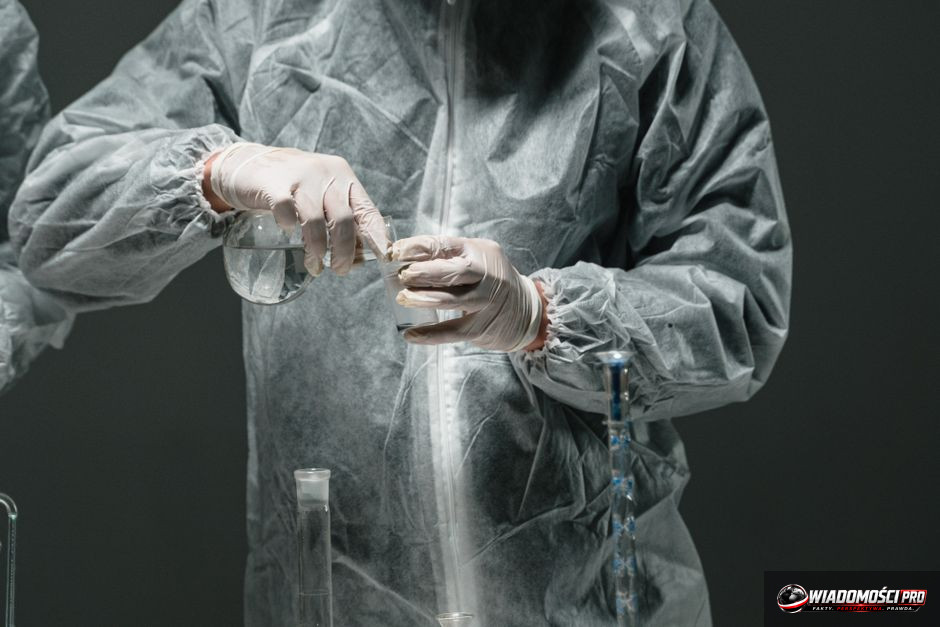
A team of researchers from the Institute for Materials Engineering in Zurich has announced the creation of a composite with extraordinary durability. The foundation is fibroin, a protein obtained from the webs of mason bees, combined with glycoproteins isolated from the slime of hagfish. These invertebrate fish, which have lived in the oceans for millions of years, produce a substance that swells instantly in water, forming a dense network.
Engineers needed three years to stabilize the process of combining the two ingredients. Previous attempts ended in the rapid degradation of the material upon contact with moisture. Now, they have managed to obtain a structure that maintains rigidity during standard use while simultaneously decomposing in soil within just 45 days.
However, the scale of production raises doubts. Currently, obtaining a sufficient amount of hagfish slime is a tedious and expensive process. The laboratory has not yet provided an estimated unit cost for packaging made with this technology, which calls into question its mass implementation in the food industry.
Durability versus ecology
Strength tests have shown that the new material outperforms certain types of low-density polyethylene. It has high tensile strength, making it an ideal candidate for packing films. Crucially, the material does not require the use of toxic hardeners, which are standard in the production of traditional bioplastics.
Skeptics point to the ethical issue. Will breeding bees on an industrial scale solely for the purpose of producing protein for packaging disrupt local ecosystems? Scientists argue that they only use waste from the insects' natural life cycles, but the beekeeping industry has not yet taken an official position on the matter.
Manufacturers are primarily concerned with time. If the synthesis process can be optimized under factory conditions, the first batches of packaging could reach pilot organic food stores as early as the end of 2027. For now, we remain with prototypes that look like a thin, slightly milky film.
What this means for the consumer
For the average shopper, this change may be unnoticeable until they look at the label. The main advantage is the lack of need to sort such packaging into yellow recycling bins. In theory, after using the product, the film can be thrown into a home composter, where after a few weeks, there will be no trace of it left.
The catch lies in durability. A material that decomposes so easily must be stored in appropriate conditions. High humidity in warehouses could accelerate the degradation process of the goods, forcing distributors to invest in new air conditioning and environmental control systems.
Ultimately, the success of this technology depends on the decisions of large retail chains. If corporations decide that the cost of production outweighs the image benefits, the invention will remain a laboratory curiosity. Nevertheless, for the first time in years, we are dealing with a solution that is not just "greenwashing," but an actual attempt to mimic nature.
This article was prepared automatically by the Wiadomości PRO editorial team with the support of artificial intelligence.


Komentarze (0)
Ładowanie komentarzy...