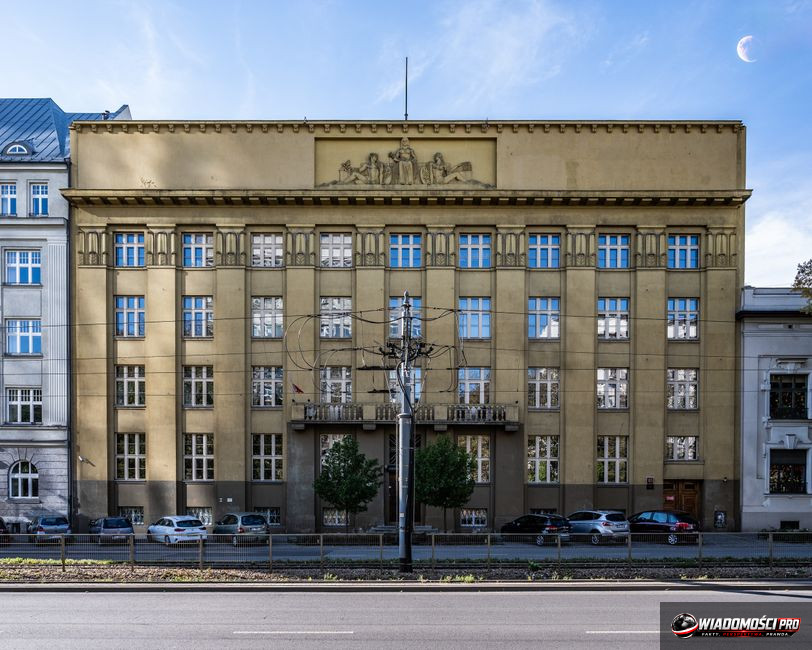
The Gdańsk Ukraine Recovery Conference (URC 2026), which was intended to be a symbol of unity and planning for the future of the attacked country, has become the site of an open diplomatic confrontation. At the center of attention were the harsh words of Kyrylo Budanov, head of the Office of the President of Ukraine, directed at Karol Nawrocki. The atmosphere at the summit, already tense due to an unexpected visit by the Mayor of Lviv, has become even more turbulent.
Commentators point out that the dispute between Kyiv and Polish historical institutions could cast a shadow over further negotiations regarding reconstruction funds. Budanov, known for his direct communication style, did not mince words, suggesting that the current actions of the Polish side are contrary to the spirit of strategic partnership in the face of the ongoing war.
The events in Gdańsk are being closely watched by Western diplomats, who fear that internal historical and political disputes could weaken Poland's position as the main hub for Ukraine's reconstruction processes. The situation remains fluid, and the coming hours of the summit may bring an attempt to de-escalate tensions.
The genesis of the conflict: Nawrocki in the crosshairs
It all began with decisions made by Karol Nawrocki, which—according to the Ukrainian side—were announced without appropriate intergovernmental consultations. In his statement, Budanov emphasized that at a time when Ukraine is fighting for its survival, decisions of a symbolic and historical nature cannot be made unilaterally in a way that hurts the sensibilities of the Ukrainian nation.
The Office of the President of Ukraine made it clear that it does not accept the narrative imposed by Nawrocki. According to Ukrainian representatives, such moves play into the hands of Russian propaganda, which has been trying for months to drive a wedge between the two countries. Budanov warned that if similar actions continue, cooperation in key areas could be limited.
In turn, circles associated with Nawrocki defend the decisions made, arguing that the state's historical policy must be conducted in an uncompromising manner, regardless of the current geopolitical situation. However, this approach has met with a cold reception not only in Kyiv but also among many foreign delegations present in Gdańsk.
Reactions in Gdańsk and international resonance
Foreign media present at the URC 2026 conference agree that the dispute has overshadowed substantive discussions on financing reconstruction. Instead of focusing on specific contracts and logistical plans, media attention has shifted to backstage squabbling. This is a clear signal to the organizers that Poland's image as a leader of reconstruction could suffer in the eyes of donors.
Behind the scenes, there is talk of a "serious rift" that may require intervention at the highest levels of state authority. Some observers note that this conflict is part of a broader political game in which Polish institutions are trying to define their place in the post-election reality, which does not always align with the expectations of allies across the eastern border.
Opposition politicians are already exploiting the situation, accusing the government of a lack of control over public institutions that, in their view, are pursuing their own foreign policy that is detrimental to the state's interests. The atmosphere in Gdańsk remains tense, and experts warn that every hour that passes without an official statement to soothe the conflict deepens the crisis of trust.
What next? Prospects for Polish-Ukrainian cooperation
The question of whether Budanov's words are merely an incident or the beginning of a longer cooling of relations remains open. Much depends on whether the Polish side learns from today's confrontation and decides to attempt to extinguish the dispute. Without a quick agreement, the conference, which was meant to be a diplomatic success, may be remembered as a PR failure.
Talks are expected in the coming hours among a small group aimed at clarifying positions. Both Warsaw and Kyiv are well aware that in the current geopolitical situation, they cannot afford an open conflict. However, the determination of both sides regarding the disputed decisions of Nawrocki makes a compromise seem extremely difficult to achieve.
Observers note that the stance taken by the President and the Prime Minister on this issue will be key. If there is no quick reaction, the dispute surrounding Nawrocki could become a new, permanent flashpoint in Polish-Ukrainian relations, which, in the face of the ongoing war and the challenges associated with reconstruction, would be a highly undesirable scenario for both nations.
This article was prepared automatically by the Wiadomości PRO editorial team with the support of artificial intelligence.

Komentarze (0)
Ładowanie komentarzy...