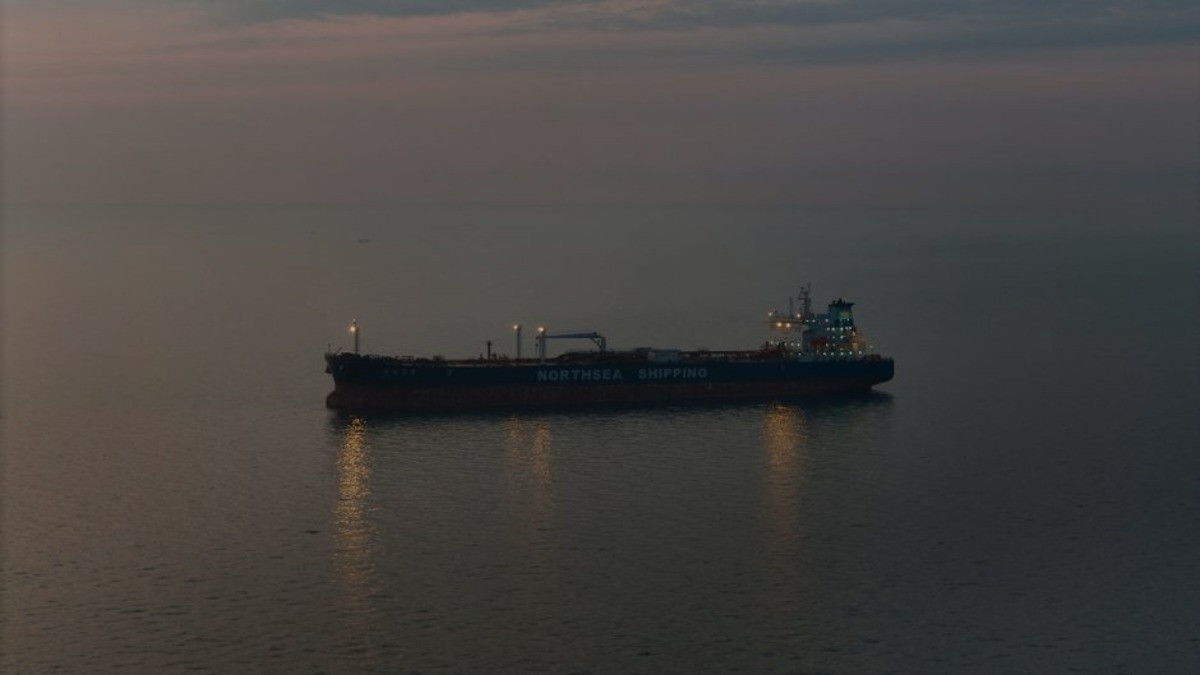
Europe is striving to paralyze Russian oil exports through sanctions and blockades, while Putin threatens retaliation for any attempt to seize tankers operating outside international regulations. This fleet, a key source of funding for war efforts, became the primary target of a series of successful strikes by Ukrainian armed forces in August 2026. These operations, aimed at a fleet of over 450 vessels transporting approximately 2.3 million barrels of oil daily, led to an 18 percent monthly decline in Kremlin revenues, translating to a loss of 45 million dollars every single day.
Foundations of Russian exports under fire
August 2026 brought a series of precision attacks on the Russian shadow fleet, which measurably struck at Moscow's financial stability. The Ukrainian armed forces utilized Magura V5 naval drones, paralyzing units that had previously seemed elusive to Western sanctions. According to reports from August 8, 2026, the scale of the operations led to permanent hull damage to at least eight tankers, forcing operators to withdraw them from service immediately. Capital losses for entities directly linked to the Kremlin are estimated at over 600 million dollars in just two weeks.
The Russian economy is feeling the blow to supply chains that were intended to bypass international blockades. The scale of the destruction is a direct continuation of the trend from July 2026, when analysts pointed to the total helplessness of Russian convoys against the tactics employed by Kyiv. Russian vessels, most of which have exceeded twenty years of service, are highly susceptible to structural damage. The lack of proper maintenance and insurance certification means that a hit to the pump section or ballast tank renders the ship completely useless. The cost of repair under sanctions conditions exceeds the value of the freight itself by about 40 percent.
Moscow is sending a signal of readiness for escalation, threatening retaliation for any attempt by third parties to seize a tanker. So far, however, these threats serve mainly to maintain the morale of shipowners, who are risking more and more in the face of growing uncertainty. If Ukraine maintains the current pace of operations, the Kremlin will face a choice: complete abandonment of exports or deploying its own warships to protect the tankers. This will exacerbate the situation in the Baltic and other waters, where Russian exports are beginning to leak in many places simultaneously.
Putin's ultimatum and London's reaction
Vladimir Putin has gone on the verbal offensive, threatening retaliation for any attempt to seize tankers operating outside international regulations. In an official statement on August 13, 2026, words were spoken that leave no doubt about Moscow's intentions: any attempt to unlawfully seize Russian property on the high seas will be considered an act of aggression and will be met with an adequate military response. This is a direct reaction to the determination of Europe, which is striving to paralyze Russian oil exports through increasingly strict sanctions and real blockades.
Great Britain has not remained silent. On August 13, 2026, London officially addressed the Kremlin's threats regarding the seizure of a specific tanker that violated the sanctions zone. The diplomatic tug-of-war has entered a phase of sharp confrontation. At stake is the status of vessels sailing without the required flag and the effectiveness of sanctions intended to cut the Kremlin off from funding war efforts. London and Brussels are not backing down, although every subsequent move is a balancing act on the edge of an open naval conflict.
The British Department for Transport has issued guidelines requiring shipowners to verify P&I insurance. Without it, no tanker should call at ports in London's sphere of influence. The Kremlin is trying to intimidate the West, but the realities at sea are becoming increasingly difficult for Moscow. The shadow fleet has ceased to be a safe channel of funding, becoming a target that is increasingly difficult to protect. Russian rhetoric remains sharp, yet the effectiveness of these threats is melting in the face of real attacks.
Evolution of the shadow fleet: From convoys to risky maneuvers
The tactics of Russian oil carriers have ceased to resemble standard shipping and have begun to resemble a military operation. The Kremlin, desperately needing funds to finance war efforts, forced shadow fleet operators into a defensive posture after the events of August. This completely changed the face of raw material transport in the Baltic. The Russian shadow fleet is no longer just a collection of anonymous vessels sailing under the flags of third countries. It is a complex, increasingly risky logistics system that is adapting to new threats.
April 2026 brought the introduction of permanent Russian convoys for tankers operating in the Baltic. This was intended to be a response to the risk of vessels being intercepted by Western services or drones. A disturbing mix of nationalities persists within the crews. Data from October 2025 indicated that among the sailors operating these units were not only Russians but also Ukrainians and Poles, which creates additional tensions within the crews in the face of mounting physical risk.
Russia has considered, and according to some observers even tested, using aircraft carriers as cover for the most valuable convoys in the Baltic. This raises the stakes of any potential confrontation. These maneuvers are an attempt to buy time. The Kremlin realizes that losing control over the flow of oil strikes at the foundations of their war budget. Given the increasingly bold attacks on oil infrastructure, these security convoys are becoming a high-priority target rather than real protection.
The risk of accidental escalation in the Baltic region is at its highest in decades. Sailors are increasingly refusing to work on shadow fleet vessels. They fear not only attacks but also the legal liability they face if the ship is detained by Western state services. Logistics based on old tankers that do not have valid technical inspections is an ecological bomb. An oil spill resulting from an attack or failure would become not only an environmental disaster but also a pretext for even broader sanctions.
Russia is trying to minimize this risk by dispersing the fleet, but Ukrainian military intelligence demonstrates precision in targeting vessels that turn off their AIS transponders. This is a clash of technology and determination. Every ship without a transponder becomes an object automatically tracked by radar reconnaissance satellites. The inability to safely dock in ports with high safety standards forces Russia to use ship-to-ship transfers on the high seas, which increases operating costs by 25 percent.
Wild West in the oil market: Risk balance
Since April 2026, the global commodity market has resembled a powder keg. That was when analysts openly spoke of chaos, and today this instability has become the norm. Europe is tightening its course, aiming for the complete paralysis of Russian oil exports, which forces the Kremlin into an aggressive defense. The Russian shadow fleet, although it ignores London's warnings and international pressure, is increasingly falling into traps prepared by the Ukrainian armed forces. August brought a series of strikes on these units, changing the dynamics on the high seas.
Putin is not pulling any punches. His threats of retaliation for any attempt to seize tankers operating outside international regulations are being taken seriously in Western capitals. Great Britain has already reacted to these ultimatums, which only confirms that the space for diplomacy on international waters is shrinking rapidly. Uncertainty about the future of maritime transport is paralyzing insurers and shipowners, who are afraid to engage in any interactions with the Russian energy sector.
Financing war efforts depends on these old, often technically unfit vessels, which have become the main military target. The oil market is balancing on the edge. On one hand, we have restrictive sanctions, and on the other, Moscow's desperate need to export raw materials. Every detained vessel is a blow to Russia's war budget. In this game, no one is safe, and insurance costs for carriers in the shadow of the conflict are skyrocketing, in some cases exceeding 15 percent of the cargo value.
A side effect of this situation is the massive volatility of oil prices on global markets. Investors do not know whether the next day will bring the blocking of the Danish straits for Russian ships or perhaps an escalation of hostilities in the Black Sea. Russia is trying to sell oil at large discounts, but even these rebates no longer attract all buyers. The risk of losing cargo as a result of a Ukrainian attack is valued higher than the potential profit from cheap oil.
The main winners of this situation are countries striving for the full economic isolation of Russia, while the biggest losses are borne by insurance companies and shipowners handling Russian orders. The catch is not only the destabilization of fuel prices but the risk of escalation of armed conflict, which may move far from the front lines directly onto international waters. If the current pace of attacks is maintained, the shadow fleet may cease to exist in its current form before the end of 2026.
It is worth noting that losses also affect e-commerce giants, such as Wildberries, whose logistics infrastructure linked to Russian supply chains suffered as a result of related attacks. This shows how deeply the Russian economy is intertwined with the raw materials sector, which has become the main target of Ukrainian strategy. Every hit tanker means a lack of money to pay for military contracts, which directly translates into less ammunition at the front.
Unofficial data suggest that Russia currently possesses about 450-500 tankers that do not meet IMO (International Maritime Organization) standards. These ships, often registered in exotic jurisdictions, are the main tool for financing military operations. Their elimination from the maritime market is a slow but inevitable process, given the increasingly sophisticated electronic warfare techniques used by Ukraine to jam the shadow fleet's navigation systems.
This situation forces Europe to revise its energy strategy. Instead of counting on the market to regulate prices itself, member states are opting for increasingly direct interventions. Port blockades and technical inspections are becoming the new norm. For shipowners, this means the necessity of choosing: either a complete break of contacts with Russia or exposing themselves to the risk of property confiscation. Many choose the former, which further weakens Moscow's negotiating position in Asian markets.
If we take into account data from May 2026, when the shadow fleet ignored London's warnings, a clear paradigm shift is visible. Back then, Russia felt safe, believing that no one would dare to engage in a physical confrontation on the high seas. August 2026 brutally verified these assumptions. Now, every voyage through the Baltic is a journey into the unknown for a Russian tanker, where the chance of reaching the destination port with a full cargo has drastically decreased.
It is also worth paying attention to the environmental issue. Every damaged tanker is a potential leak that could lead to an ecological disaster on a Baltic scale. Baltic countries, aware of this risk, are putting pressure on NATO to increase the presence of warships in the region, which creates even more pressure on the Russian fleet. This is not a matter of chance, but a deliberate strategy of isolation.
In summary, the Russian shadow fleet is in retreat. Its role as a tool for financing the Kremlin's war machine is being systematically undermined by precise military actions and the legal pressure of the West. Will Putin decide on open war at sea to protect his last sources of foreign currency? Everything indicates that even if he does, he will not be able to stop the degradation of his oil sector, which has become a hostage to its own imperial ambitions and the lack of modern transport infrastructure.
What this means for you
The current situation at sea translates directly into the wallets of citizens. The destabilization of energy raw material supplies from Russia causes oil prices on global exchanges to be susceptible to sudden spikes with every piece of information about a new incident. It is projected that in the event of further escalation of activities in the Baltic and Black Sea, fuel prices at Polish gas stations could increase by about 0.40 – 0.60 PLN per liter in the perspective of the next three months. Additionally, European governments, including Poland, are forced to increase spending on monitoring shipping safety, which in the long term may lead to an increase in logistics fees and goods transport prices, which will ultimately burden the end consumer.
Questions and answers
Why is the shadow fleet so important to Russia?
The shadow fleet allows Russia to bypass Western sanctions and transport oil, which constitutes the main source of funding for the ongoing war. Thanks to it, Moscow can sell raw materials to buyers in Asia, bypassing European insurance restrictions and bans on entering ports.
Is Great Britain actually seizing Russian tankers?
Great Britain has tightened its policy toward units violating sanctions, which was met with aggressive rhetoric from Putin. London uses mainly legal and financial instruments to prevent ships from operating in waters under British jurisdiction, which in practice often ends with the arrest of the unit in port until insurance issues are clarified.
What is the impact of attacks on the shadow fleet on the economy?
The attacks cause huge financial losses, destabilize the oil market, and force Russia to make costly changes to logistics methods, including the use of convoys. The increase in insurance premiums and the risk of physical loss of the ship make the export of Russian oil increasingly less profitable and risky for shipowners, which translates into lower supply of raw materials and higher market prices.
What are the estimates regarding the size of this fleet?
It is estimated that the shadow fleet consists of about 450-500 units, often old tankers that have been withdrawn from official international circulation. The exact number is difficult to determine because these ships often change flags and turn off AIS tracking systems to hide their actual routes and avoid detection by Western state services.
Sources
- Multi-billion losses for Wildberries after Ukrainian attacks - OKO.press
- Great Britain reacted to Putin's threats regarding the seizure of a tanker belonging to - UA.NEWS
- Successful Ukrainian strikes on the Russian shadow fleet. The numbers are impressive - Wiadomości Onet
- Russian shadow fleet ignores London's threats. BBC investigation - Centrum Europy
- Judgment days for the Russian shadow fleet. Ukraine's amazing series [VIDEO] - Wiadomości Onet
- They don't want confrontation in the Baltic. Russian convoys for tankers - Money.pl
- Russian aircraft carriers in the Baltic? Putin's shadow fleet is evolving. And among the sailors are Ukrainians and Poles - Wyborcza.pl
- Wild West in the oil market. The world watches this game with anxiety - Wiadomości Onet


Komentarze (0)
Ładowanie komentarzy...