In accordance with EU regulations and German law, deportation is permissible in the event of criminal offenses; however, its effectiveness is limited by legal procedures and judicial rulings. Federal law does indeed allow for the removal of individuals who threaten security, but in 2023, only a fraction of issued orders were executed, which points to a profound inefficiency in the administrative system. The lack of precise data in official reports regarding the exact percentage of completed deportations in relation to the number of decisions remains one of the main points of criticism against German migration authorities.
Legal framework for deportation in the European Union
The legal basis for actions taken by German offices for foreigners is the Act on the Residence, Economic Activity and Integration of Foreigners in the Federal Territory, known as the Aufenthaltsgesetz. Key provisions regarding the removal of individuals from the country are found in paragraphs 53 and 54, which define the conditions for expulsion due to threats to public order and security. According to paragraph 58 of this act, executive authorities are obliged to carry out a deportation if the person has not left the country voluntarily within the specified time. This mechanism, however, is not automatic. Each case requires an individual analysis in which the official must consider the principle of proportionality and obligations resulting from EU law, including the Return Directive 2008/115/EC.
In practice, German administrative bodies operate within a complex hierarchy of legal acts. Berlin, as the capital and decision-making center, must reconcile national requirements with Brussels' guidelines. EU directives impose an obligation on member states to ensure foreigners have an effective path for appeal. It is precisely this requirement that forms the foundation for the actions of lawyers representing individuals with an order to leave the country. Every deportation decision goes to an administrative court if the foreigner's legal representative files a motion to stay the execution of the judgment.
It is worth noting the role of documentation. Many foreigners subject to a departure order do not possess passports or other identity documents, which, in light of the Aufenthaltsgesetz regulations, makes it impossible for the consulates of third countries to issue consent to accept the returnee. As a result, the German state is unable to finalize the logistical process. Border services, despite having formal decisions, do not have the ability to physically place such a person on a plane without full documentation. The process of obtaining so-called substitute passports (Passersatzpapiere) is long-term and often ends in failure due to a lack of cooperation from countries of origin.
Impact on the German social system
The issue of the costs of maintaining families benefiting from the social welfare system is one of the most frequently raised topics in the German public debate. According to budget data, federal expenditures on supporting foreigners constitute a significant burden on the state treasury. The average cost of maintaining a four-person family fully utilizing the benefit system (including Bürgergeld, housing allowances, and child benefits) ranges from 2,500 to 3,500 euros per month. This amount includes not only direct cash transfers but also payments for rent, heating, and health insurance premiums, which are paid by the employment office (Jobcenter).
On an annual scale, this means an expenditure of 30,000 to 42,000 euros for one family. With thousands of people who have formally received a deportation decision but remain in the country due to ongoing appeal procedures or a lack of documents, this sum accumulates. Critics note that this system is becoming a fiscal trap. Individuals subject to a departure order who, while awaiting a court ruling, remain in Germany on the basis of so-called Duldung (tolerated stay), do not have full access to the labor market, which forces the state to fully finance their existence.
This money cannot be recovered, even if a deportation finally takes place. The budget burden is therefore permanent, and the situation is becoming more tense in the face of the need for savings in other ministries. The Ministry of Finance in Berlin points out that funds allocated for benefits for people with irregular status limit the room for maneuver in financing infrastructure or education. The inability to quickly enforce the law thus results not only in a legal problem but, above all, in a real drain on the resources of taxpayers, who are demanding greater discipline in public spending.
The role of judicial rulings in blocking decisions
The frequently cited problem of deportations being blocked by courts stems from the discrepancy between the political will to enforce the law and jurisprudence protecting fundamental rights. German administrative courts, interpreting the provisions of the Aufenthaltsgesetz and the European Convention on Human Rights, regularly stay deportation procedures when they demonstrate that there is a risk of violation of the migrant's personal rights in their country of origin. Judges take into account health issues, family situations, or even the risk of inhumane treatment, which in practice means that any attempt at expulsion can be frozen for years. This judicial oversight, while consistent with the democratic legal order, creates a situation in which the state possesses only an illusory tool of enforcement. When a case reaches the docket, the appeal process can last for years, during which the foreigner remains in Germany, and the costs of their maintenance rest entirely on the federal budget.
Public safety and family-based crime
Crime in immigrant environments, especially that organized into clan-like groups, poses a challenge for security services. In metropolises such as Berlin, Essen, or Duisburg, the police record cases in which members of families with irregular status remain active in the so-called gray economy. The problem is exacerbated by the fact that these individuals often use multiple identities, which makes their identification in law enforcement databases difficult. According to police reports, this crime is not limited to petty theft but also includes the trade in illegal substances and extortion, which directly affects the residents' sense of security.
Police services point to a wall of silence they encounter during interventions in neighborhoods with high concentrations of immigrants. Group solidarity, often reinforced by family ties, effectively paralyzes attempts at deeper integration or rehabilitation. When the law is broken and a deportation decision is made, the state apparatus encounters the aforementioned judicial barriers. As a result, perpetrators, even after convictions, often remain at large, exercising their right to appeal. This leads to frustration among police officers, who feel that their efforts in fighting crime are being nullified by the ineffectiveness of the deportation system.
The future of Germany's migration policy
The federal government, under growing social pressure, has announced an amendment to regulations aimed at accelerating return procedures. Proposals include, among other things, limiting benefits for people whose asylum application has been rejected and tightening the criteria for granting the right to Duldung. Berlin also wants to increase the emphasis on migration diplomacy, i.e., negotiations with countries of origin regarding the mass acceptance of deported citizens. Experts note, however, that without Brussels' consent for a deeper reform of EU procedures, German law will remain only a "soft" tool.
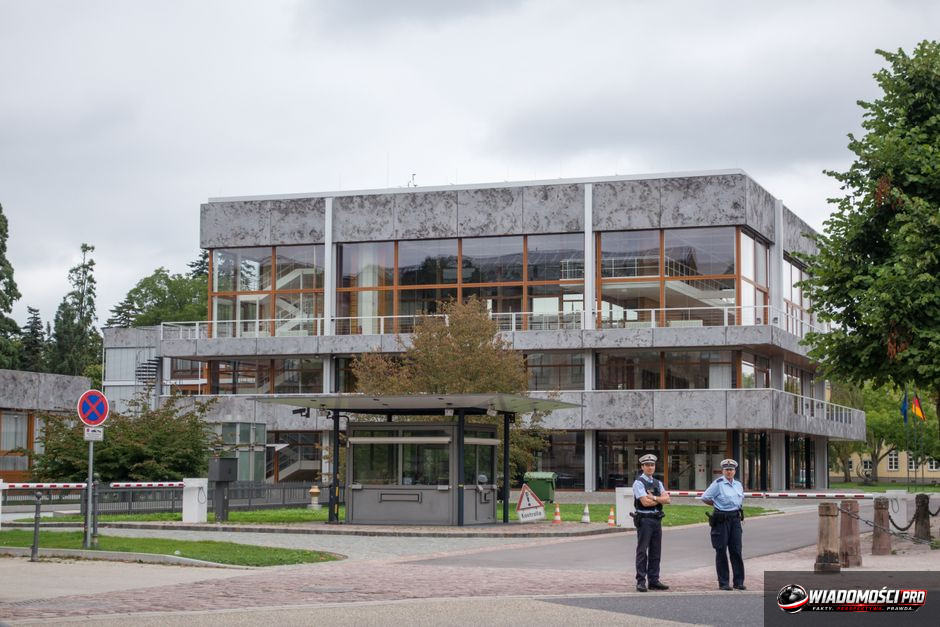
Lawyers warn that any attempt at a radical hardening of the course will be tested before the Constitutional Court in Karlsruhe. If the reforms are too restrictive, there is a high probability that they will be overturned as contrary to the constitutional protection of human dignity. For the citizen, this means that the debate about deportations in Germany will remain a permanent element of the political landscape for years to come, regardless of which option holds power in parliament.
What does this mean in practice for the average resident of Germany? A change in migration policy is becoming inevitable due to the state of public finances. Taxpayers, who finance the current system, can count on real benefits only if the state manages to seal the borders and shorten legal procedures. Otherwise, the costs of maintaining people who formally should not be in the country will continue to burden the budgets of municipalities and states. The most affected in this process are citizens who expect efficiency from the state but receive only further announcements of reforms that break down against formal complexities.
Questions and answers
Will every person who commits a crime be deported?
No. Each case is analyzed individually based on national and EU law. There are many premises, such as the protection of human rights or the situation in the country of origin, that can halt the deportation process even in the case of a person convicted of a crime.
Why are large families a burden on the economy?
High costs of accommodation, healthcare, education, and monthly benefits (Bürgergeld) combined with a lack of professional activation create a permanent burden on the federal budget, which is particularly noticeable in an era of budget savings.
What are the main obstacles to deportation?
The main obstacles are the lack of identity documents, long-term appeal procedures before administrative courts, jurisprudence protecting fundamental rights, and a lack of cooperation from countries accepting returnees.
How much does it cost to maintain a family in the German social system?
The cost of maintaining a four-person family receiving full support is estimated to be in the range of 2,500 to 3,500 euros per month, which on an annual scale constitutes an expenditure exceeding 30,000 euros per household.



Komentarze (0)
Ładowanie komentarzy...