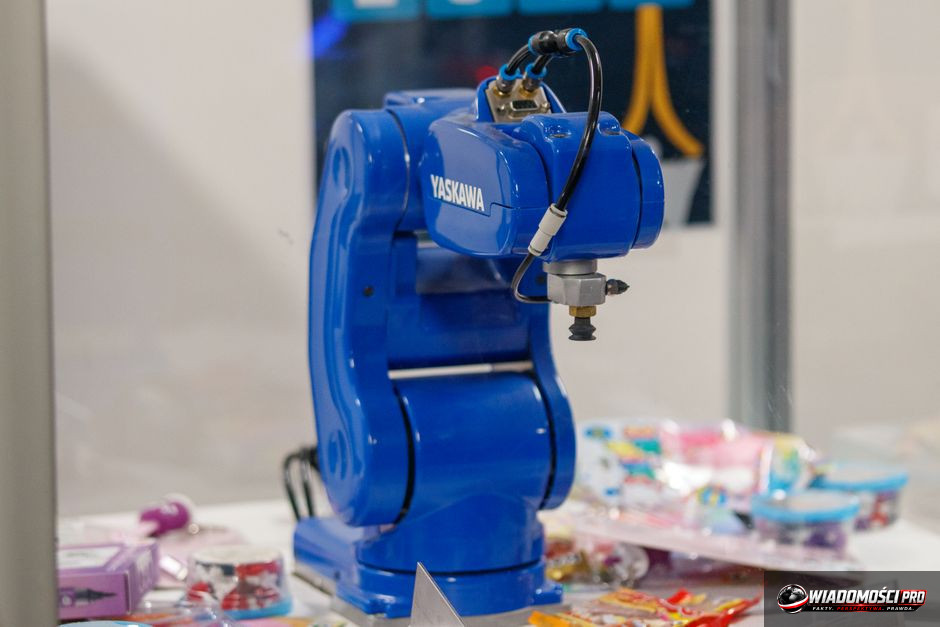
The Robot Olympics in China is a breakthrough technological event, featuring the world's first robot MMA gala, defined as a brutal yet fully bloodless sport. Spectator safety is ensured by a system of multi-layered, 50-millimeter-thick polycarbonate barriers separating the arena from the stands, as well as a 15-meter buffer zone that eliminates the risk of direct contact with machine debris. The organizers have implemented certified remote power-off systems, which technical referees activate in the event of unforeseen anomalies in the machines' software, guaranteeing full control over the course of the match.
A new dimension of sport: The machine MMA gala
The competition between mechanical units goes beyond known engineering showcases or simple robot sumo contests. The main event, scheduled for May 28, 2025, is a full-blooded MMA tournament where the structural durability parameters are tested under extreme load conditions. Engineers participating in the project had to construct units capable of surviving a clash where there is no room for mercy for circuits or armor. Since blood will not flow, we will see flying sparks, bent metal, and shattered modules in the arena. It is a test of material resistance under simulated close-quarters combat conditions.
Audiences accustomed to the emotions accompanying human MMA fighters must adjust their expectations. In this sport, suffering is merely a simulation of system errors, and every failure is the result of code imperfections or material fatigue. For engineers, this is a prestigious clash. For investors, it is a test of component reliability under combat conditions. The Chinese Olympics are attempting to prove that the sport of the future does not need human injuries to provide viewers with an adequate dose of adrenaline.
Currently, the budget for the entire event has not been made public, but the scale of involvement from Chinese technology clusters suggests investments in the billions of yuan. The number of participating teams remains unofficial, as do the exact technical parameters of the machines, which are protected by trade secrets. It is only known that each unit must pass rigorous durability tests before being allowed into the ring. The absence of this data in press releases is a deliberate move intended to build an aura of exclusivity around technology that is intended to dominate the industrial robotics market.
Technology behind the scenes of the competition
Preparations for the Olympics resemble the process of creating advanced defense systems. Machine designers have moved away from standard hobbyist solutions. Instead, they have focused on advanced automation that allows machines to react instantaneously during direct clashes. These are not remote-controlled toys, but autonomous combat units. The key to an advantage in the ring is not just material durability, but software. The integration of artificial intelligence into combat control systems allows robots to analyze opponent movements in real-time. Algorithms predict the trajectory of strikes, correcting the machine's posture in fractions of a second. This computational speed eliminates the need for human intervention during the exchange of blows.
From a programmer's perspective, this is a constant battle for code optimization, which is meant to decide the survival of the metal structure. There is a lack of official data on how these systems handle unforeseen errors in AI logic during a clash. If an algorithm makes a mistake, the consequences for the expensive equipment are irreversible. Each unit possesses advanced pressure sensors and accelerometers that send data to the arena's central management system. In the event of exceeding permissible structural vibrations, the system automatically stops the fight. This safeguard is intended to prevent uncontrolled machine self-destruction, which would be a loss not only financially but also in terms of reputation for the manufacturers.
Impact on the global robotics market
Beijing is using the Robot Olympics as a testing ground for advanced AI systems. While Western corporations refine prototypes in controlled laboratory conditions, China is entering the phase of extreme testing. Releasing robots into an MMA ring, where they must react to an opponent's unpredictable attacks in real-time, is the fastest way for engineers to gather data on algorithm durability in critical situations. This is a preemptive move that places Beijing in the position of an innovation leader in the consumer robotics sector.
The scale of the undertaking is realistically shifting the center of gravity of global capital. Investors are no longer looking only at the theoretical efficiency of machines, but at their ability to survive in a clash. The world's first robot MMA gala is changing the way technology companies are valued. The market is no longer asking about aesthetics or fluid movement. Now, what counts is resistance to mechanical damage and the speed of decision-making processors in the chaos of battle.
The impact on the global economy is visible in three main areas:
- Concentration of supply chains for shock-resistant components in Chinese industrial clusters.
- A shift in R&D spending toward autonomous self-repair systems, forced by the requirements of the competition.
- Intensification of exports of Chinese AI units that have gained a combat-readiness certificate, which is becoming a new marketing standard for industrial machines.
Analysts point to an important detail. The success of this gala will trigger an arms race in the civilian robotics segment, where the line between a service machine and a combat system is blurring ever faster. For companies outside of China, this is a difficult moment. They will either accept the new rules of the game or be left behind, offering equipment that, in a clash with Chinese competition, will prove to be nothing more than an expensive exhibit.
Ethics and safety in the sport of the future
The Robot Olympics in China are redefining the concept of a spectacle. The organizers insist on the concept of a brutal, yet fully bloodless sport. The fight between mechanical competitors is not about inflicting pain, but about destroying propulsion systems, overheating processors, and precisely disabling the opponent's functions. However, the question of the boundaries of the aesthetics of violence arises. Viewers expect destruction, and engineers must ensure spectacle without allowing uncontrolled structural disintegration that could threaten the public. This is a technical balance on the edge. Every element of the machine, from armor to actuators, must withstand extreme loads that were not anticipated when designing standard industrial robots.
Skeptics note that promoting brutality, even in a bloodless form, desensitizes the public to the destructive nature of clashes. Since machines do not bleed, it is easier to accept their spectacular annihilation. Is watching crushed metal limbs and sparking circuit boards still a sport, or just high-budget games for the masses? For now, there are no official guidelines regarding the ethics of such clashes, which leaves creators full freedom in their pursuit of maximum destruction. Assurances of safety are backed by technical certificates, but the real verification of these safeguards will only occur during the first full-scale clashes in the arena.
What this means for you
The Robot Olympics are a signal that China is dominating the technological arms race. Component and AI manufacturers stand to gain, while traditional sports lose out, having to compete with increasingly spectacular digital entertainment. The catch is whether a bloodless sport will remain safe for spectators in the event of control system failures. For the average consumer, this means a transition into an era of entertainment where the line between reality and simulation is becoming increasingly fluid, and the fascination with destroying expensive equipment is becoming a new, global export product.
Questions and answers
Are robot fights at the Olympics dangerous to humans?
The organizers emphasize that this is a bloodless sport, which means that despite the brutality of the clashes, multi-layered safety systems and buffer zones are a priority.
Why is this event called the first robot MMA gala?
It is a pioneering project on a global scale that brings the rules of classic MMA into a robotic environment, using autonomous combat units instead of remote-controlled toys.
Where exactly is the Robot Olympics taking place?
The event is taking place in China, which thereby becomes a global center of innovation in the field of automation, although the exact location of the sports facility remains in the realm of confidential logistical arrangements.
What are the technical parameters of the machines participating in the fights?
Official machine specifications are covered by trade secrets and have not been made available to the media, which is intended to protect the technological advantage of individual manufacturers.
Can AI systems in robots fail?
The risk of errors in AI logic exists, which is why every device is equipped with an independent, remote safety kill-switch, operated by technical referees in crisis situations.


Komentarze (0)
Ładowanie komentarzy...