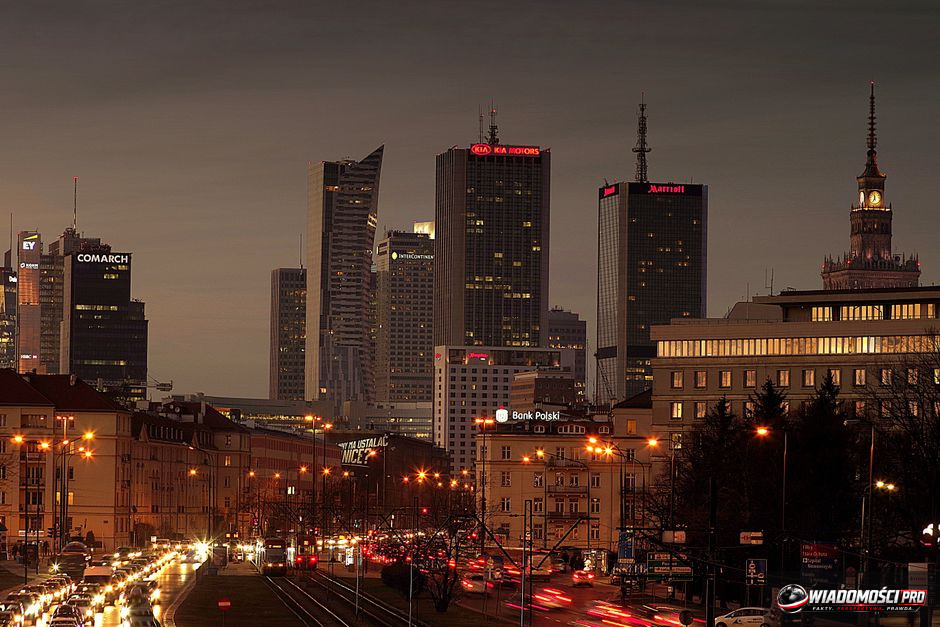
Rafał Trzaskowski is facing a real threat of recall, as in just four days since the start of the campaign, the initiators have already collected 15,000 signatures for the referendum petition. However, the success of this collection does not mean the automatic end of his mayoralty, as the legislature has set a high legal bar for the organizers. For the matter to be put to a vote by residents, the committee must gather the support of 10 percent of eligible Warsaw voters, which in practice means collecting over 130,000 valid signatures.
Legal mechanism: what must happen for a referendum to take place?
The Polish Law on Local Referendums does not provide shortcuts. The initiators must go through a verification process, which for many grassroots groups proves to be an insurmountable barrier. Every signed form is subject to rigorous inspection regarding the correctness of personal data and confirmation of the right to vote in Warsaw. As early as June 25, 2026, the Polish Press Agency (PAP) pointed out that a social initiative must meet formal requirements, which are verified by the appropriate electoral bodies.
Onet News, analyzing the topic on June 26, 2026, explained that merely collecting the required number of people for the petition is only the beginning of the road to the ballot box. After submitting the complete set of documents, the electoral commissioner checks their authenticity. If the verification reveals errors in data or signatures of ineligible persons, the total number of votes may fall below the statutory threshold. Organizers must therefore ensure the quality of the collected data, not just the quantity.
Any mistake in a PESEL number or an illegible residential address poses a real risk of the entire package being rejected. This procedure is designed to prevent the hasty removal of authorities elected in democratic elections. For Mayor Trzaskowski's staff, this is a time of calm, while for the referendum committee, it is a period of intense office and logistical work. Success requires not only voter anger but, above all, iron discipline in documentation.
Collection dynamics: 15,000 signatures in four days
The speed with which the referendum committee obtained the first 15,000 declarations of support surprised analysts following the Warsaw political scene. The RMF24 service, which confirmed this result on August 3, 2026, noted that the mobilization occurred during the holiday season, when interest in politics usually drops. Interia Wydarzenia reported as early as July 30 that the launch of the official collection triggered a wave of activity on social media, which translated into the physical presence of residents at collection points.
The logistics of the venture are based on decentralization. Warszawa Nasze Miasto, in a publication on July 30, indicated that the success of the initiative depends on the availability of points where one can sign. The organizers understood that waiting for citizens in one office was not enough. They began appearing where Warsaw residents spend their time, which allowed for such a dynamic start to the campaign.
If the pace from the first 96 hours is maintained, it is theoretically possible to collect the required number of signatures within a few months. However, electoral mathematics is brutal: after the initial enthusiasm of the mayor's most active opponents, the pace of collection usually slows down. The challenge for the committee will be maintaining volunteer motivation throughout the duration of the campaign. If they manage to maintain such dynamics, they will cross the statutory threshold faster than skeptics assumed.
Inspiration from Krakow and the initiators' arguments
The Warsaw committee openly admits that it draws from the experiences of other cities. Polskie Radio 24, in a dispatch from July 30, indicated that the initiators want to repeat the successes of urban movements from Krakow, where social pressure led to real changes in local government management. The Krakow model showed that local problems, such as transport policy or spatial planning, can become fuel for city-wide mobilization.
The slogan "Changes are needed," reported by Polsat News on July 30, is an attempt to unite various interest groups. In Warsaw, under this banner, both those dissatisfied with specific investments in districts and those who criticize the overall direction of city hall policy are meeting. The strategy relies on direct contact. The wiadomosci.radiozet.pl service described on July 27 that the collection of signatures is taking place "in the field," which is a warning signal for Trzaskowski's staff. This method allows for talking to residents, convincing them of the arguments, and obtaining a signature immediately.
For the mayor, this means that the opposition is not limited to just publishing posts on the internet. Each signature is a concrete citizen who dedicated time to support the initiative. This is a phenomenon that city hall cannot ignore, especially in the context of upcoming budget challenges. If dissatisfaction with specific city hall decisions meets with effective management of the collection, Rafał Trzaskowski may find himself in a situation unprecedented in his political career to date.
Timeline of actions: from June to August 2026
The process of recalling the mayor of Warsaw is not an overnight burst. It is a long-term process whose foundations were laid back in June. Although the initial weeks seemed slow, in retrospect, it is clear that this was a stage of legal and organizational preparations, without which the current mobilization would have been impossible.
- June 25, 2026: Official announcement of the initiative by the social committee, which was noted by the Polish Press Agency.
- June 26, 2026: Experts and media, including Onet, explain the complex legal procedure for recalling a local government body.
- July 27, 2026: Radio Zet reports on the formal start of the intensive phase of collecting signatures on Warsaw streets.
- July 30, 2026: A wide wave of publications in services such as Interia, Polsat News, Polskie Radio 24, and Warszawa Nasze Miasto, documenting the massive involvement of residents.
- August 3, 2026: RMF24 confirms the threshold of 15,000 collected declarations has been exceeded.
This timeline shows that the initiative has traveled the path from a legal construct to a real political force. City hall is currently maintaining a wait-and-see attitude, analyzing whether the pace of collection will be maintained in the coming weeks. The key question remains the endurance of the committee's structures and the ability to mobilize residents during the holiday period. If the campaign gains even more momentum after the holidays, the situation in the Warsaw local government will become extremely tense.
What this means for you
From an editorial perspective, the campaign to recall Rafał Trzaskowski currently represents the most serious test for opposition structures in the capital. The committee leaders, who are building a contact database and recognition regardless of the final referendum result, are the ones gaining the most. The mayor is losing in terms of image, as he is forced onto the defensive and must explain the administration's actions in the face of growing pressure. The catch lies in turnout – even if 130,000 signatures are collected, the referendum will only be valid if a sufficiently large number of Warsaw residents go to the polls. In the history of Polish local governments, many referendum initiatives have failed at this very last stage, when turnout did not reach the required threshold. The residents of Warsaw face a choice: do they want to force changes through a referendum, or do they believe that the current model of governance, despite controversies, is more predictable than the chaos associated with early elections?
Questions and answers
How many signatures are needed for a referendum to take place?
The required number of signatures must constitute 10% of eligible Warsaw voters, which, when converted to the actual number of voters in the capital, means the necessity of collecting over 130,000 verified signatures.
Where can one sign the petition?
Collection points are organized by the referendum committee in various parts of the city. Detailed locations and schedules are published by the organizers on an ongoing basis on social media and local news services, such as Warszawa Nasze Miasto.
Is recalling the mayor legally possible?
Yes, Polish law allows for the recall of local government bodies through a referendum. However, this process is bound by strict procedural requirements, including the verification of signatures by an electoral commissioner and the necessity of meeting turnout requirements for the voting result to be binding.
Sources
- 15,000 signatures in four days. Will Varsovians recall Trzaskowski? - RMF24
- Rafał Trzaskowski threatened. Signature collection has started in Warsaw - Interia Wydarzenia
- "Changes are needed." Signature collection campaign for the Trzaskowski recall referendum has started - polsatnews.pl
- They want Warsaw to follow Krakow's example. Collecting signatures on the streets - Polskie Radio 24
- Rafał Trzaskowski recall campaign begins. Collecting signatures for the referendum - wiadomosci.radiozet.pl
- Trzaskowski to be recalled? A major campaign has started in Warsaw. We know where you can sign - Warszawa Nasze Miasto
- A social initiative to recall the city mayor begins in Warsaw - Polish Press Agency SA
- Will Rafał Trzaskowski lose power in Warsaw? We explain what must happen - Wiadomości Onet


Komentarze (0)
Ładowanie komentarzy...