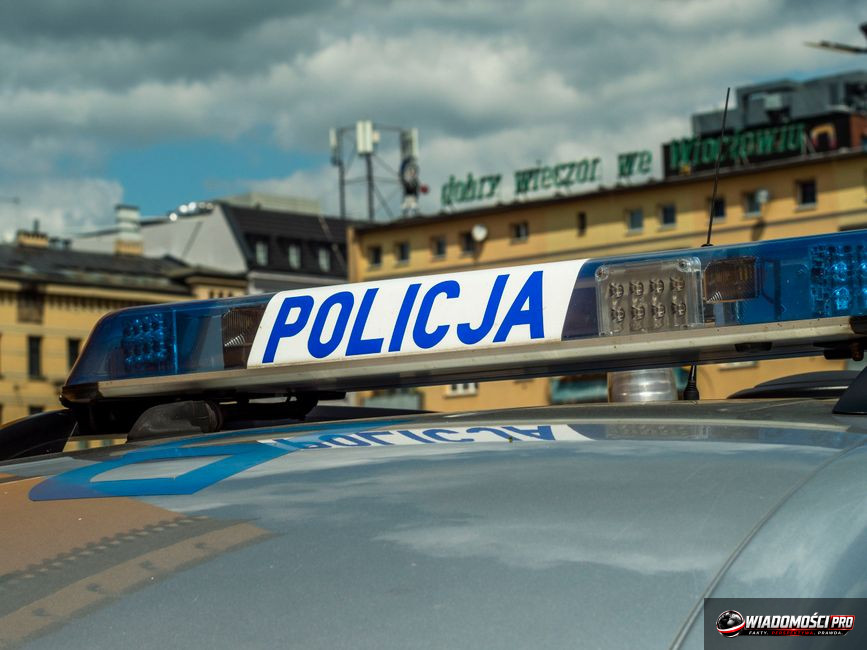
Increased road checks across Poland have been ongoing since August 7, 2026, involving rigorous checks of speed, sobriety, and the technical condition of vehicles throughout the long weekend. Police officers have deployed almost all available traffic units to national and provincial roads to reduce the number of traffic incidents during the peak holiday travel period. This operation is continuous and will last until the return traffic from the long August weekend concludes.
Schedule and scope of police operations
The police, according to information from Auto Świat, have engaged all traffic enforcement forces in these operations. There is no such thing as random patrols or limited service presence. Officers have been present on transit routes, in cities, and on access roads to holiday destinations continuously for over a week. The service strategy is based on maximum patrol density during times of highest traffic intensity. This year's uniformed offensive has been planned to cover the entire week, including the key August weekend.
The scale of involvement suggests that for the police, this time frame is a period of increased risk. From a driver's perspective, this means the need to maintain special vigilance throughout the entire journey, regardless of whether you are traveling on a highway or a local road. Although official announcements emphasize the preventive nature of the actions, the intensity of the checks leaves no illusions. Officers are verifying every detail that could affect safety. Accident statistics during this period force the services to take an uncompromising stance, and every irregularity is caught with full severity.
Key areas of inspection: what are officers paying attention to?
The police are not letting up, and today is the peak of their activities. The presence of police cars on main routes and exit roads is no coincidence. It is a planned operation aimed at catching the most dangerous behaviors behind the wheel. During stops, officers do not apply any leniency. Their attention is focused on three aspects that directly translate to road safety.
Speed remains the absolute priority, as it is the main cause of accidents. According to the current fine schedule for 2026, for exceeding the speed limit by 31-40 km/h, a driver must expect a fine of 800 PLN, and in the case of recidivism, this amount doubles to 1600 PLN. Exceeding the speed limit by more than 70 km/h is an expense of 2500 PLN. Another element is sobriety. The police are using modern screening breathalyzers. They allow for the rapid checking of a large number of drivers without the need for a long stop, which makes the chance of avoiding an alcohol check drop drastically.
The final pillar of the inspection is the technical condition of vehicles and required licenses. Officers verify not only documents but also the technical condition of cars. A bald tire, faulty lighting, or fluid leaks can end a trip prematurely, even if the driver is sober. In extreme cases, the police seize the vehicle registration certificate, which involves the necessity of towing the vehicle at the owner's expense. Such actions are not intended to make life difficult, but to eliminate technical "ticking time bombs" from traffic that threaten other road users.
Where to expect the biggest traffic disruptions?
Drivers planning trips must prepare for limited freedom of movement. The main police forces have been concentrated on exit routes from large metropolitan areas, where congestion is inevitable during peak hours, and the presence of police cars will further extend waiting times in traffic jams. Special supervision by officers applies to roads with a high accident rate, often referred to as roads of death, such as the DK10 in the Kuyavian-Pomeranian Voivodeship, where statistics of tragic events force a constant presence of patrols.
Equally sensitive points are arteries with the highest intensity of transit and tourist traffic. The A4 motorway, connecting the south of the country, and the S7 expressway, which is the main communication axis between the north and south of Poland, are under constant supervision. On these routes, drivers must count on a very active presence of unmarked patrols equipped with video recorders. Officers monitor not only speed but also behaviors such as overtaking where prohibited, dangerous lane changes, or failing to yield the right of way.
It is not worth fooling yourself that local roads offer a guarantee of a quick passage. The police often use a rotational strategy, moving patrols to alternative roads when main arteries become blocked. If you are planning a route through main regional connecting paths, allow for a safe time margin for potential checks. Officers will not make exceptions for anyone who ignores safety rules this August weekend. The strategy of catching risky behaviors where they are statistically most frequent is being fully implemented in every voivodeship.
Your rights and obligations during a road check
A vehicle stop is not an opportunity for discussion, but a procedure requiring calm and predictability. Officers are sensitive to every sudden movement. To avoid unnecessary tension during an intervention, one must follow strictly defined rules. The driver has an absolute obligation to stop the vehicle in a safe place immediately after receiving a signal from a police officer. During the check, you should keep your hands on the steering wheel and wait for the officer's instructions, which eliminates suspicions of reaching for dangerous objects.
A police officer has the full right to check sobriety, verify all required documents, and assess the technical condition of the car's equipment, including lights, braking system, and tires. Every deviation from the regulations is treated strictly, especially at a time when accident statistics are a priority for the services. Ignoring signals or attempting to flee is a straight path to serious legal consequences, which this year are exceptionally severe. In the case of refusing to accept a fine, the case goes to court, which generates additional costs and the necessity of appearing before the adjudicating body.
It is worth remembering that a police officer during a check has the obligation to provide their rank, first name, and surname, as well as the reason for the stop. The driver has the right to information, but must remember that questioning the legitimacy of the check while it is in progress rarely brings the expected result. Uniformed services have tools allowing for quick verification of data in the central register of drivers, which makes attempts to hide a lack of qualifications or unpaid third-party liability insurance doomed to failure.
What this means for you
The increased police presence means less tolerance for traffic offenses. All road users who care about safety will benefit, while drivers who ignore the rules will lose out, for whom a holiday trip may end with a high fine, penalty points, or the loss of a driving license. It is worth being aware that the penalty point system in 2026 remains restrictive, and exceeding the 24-point limit results in a mandatory referral to a re-education course and a retake of the state exam. For many drivers, this means a real threat to their future ability to drive vehicles.
The current situation on the roads is the result of a systemic drive to improve safety. The number of officers on exit routes is the highest in the year, which makes the chance of encountering a patrol almost certain. Every maneuver that goes beyond the framework of the traffic code will be monitored by video recording systems or directly by patrols in police cars. Responsibility for safety rests with the driver, and a lack of imagination on the road ends in consequences that cannot be avoided through arguments about haste or distraction.
Questions and answers
How long will the increased checks last in August 2026?
The campaign began on August 7 and covers the entire period of increased traffic related to the long August weekend, until the return traffic completely dies down.
Does the police check the technical condition of the vehicle?
Yes, technical condition is one of the priority elements of the check, alongside speed and sobriety, including the verification of lighting, tires, and fluid leaks.
Where is the police most active?
Officers are present primarily on main exit routes from metropolitan areas, expressways such as the S7, motorways like the A4, and roads with a high accident rate.
What are the penalties for the most common offenses?
Fines in 2026 for speeding range from 50 PLN for minor offenses to 2500 PLN for the most egregious cases, with these amounts doubling in the case of recidivism according to the fine schedule.
Does the police use unmarked police cars?
Yes, on national and express roads, officers use unmarked vehicles equipped with video recorders, which document traffic offenses in a discreet manner.
Sources
- It's today. Traffic police across Poland will throw all their forces into this action - Auto Świat
- Major road checks are starting. Police will check drivers across Poland - Radio Łódź
- A major police operation starts today. It will last all week. What will they be checking? - Trybunalski.pl
- Road summary of the weekend - Warmia-Masuria Police
- Gigantic police operation. Mass road checks from August 4 - Radio Zet
- It starts on Monday. The police will be looking for them all over Europe - Interia Motoryzacja
- Long August weekend 2024 - what to expect on Polish roads? - Yanosik
- DK10 in Kuyavian-Pomeranian: The road of death that continues to take a tragic toll - TVP Bydgoszcz
Komentarze (0)
Ładowanie komentarzy...