The mechanism of the debate
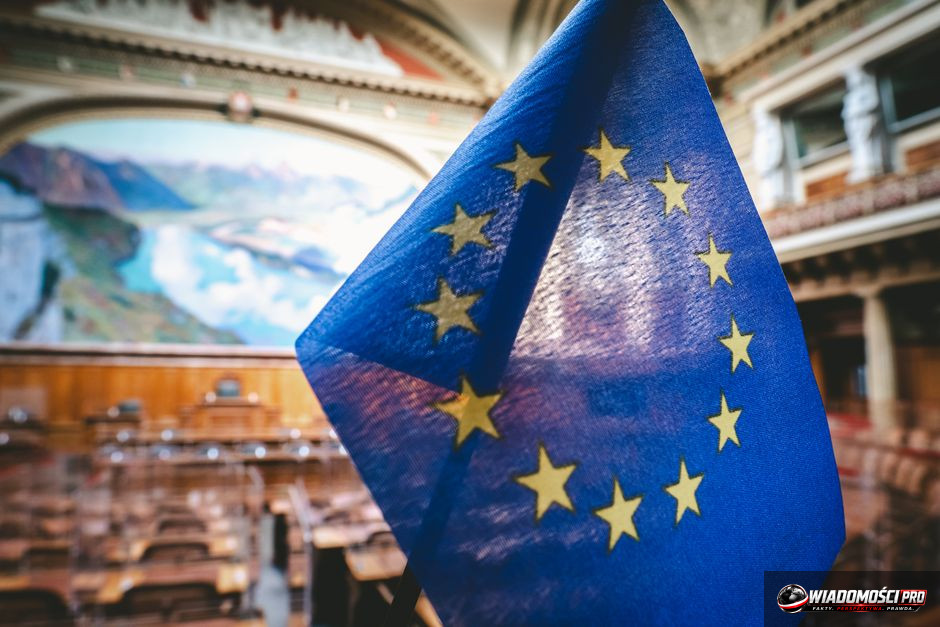
The plenary chamber in Strasbourg during the July session became the place where Greek MEP Afroditi Latinopoulou, representing the non-attached group, leveled sharp accusations against the Progressive Alliance of Socialists and Democrats (S&D) group. She accused them of pursuing policies aimed at the "Islamization" of the continent through mass migration. The presiding officer had to intervene, reminding members to adhere to the rules of parliamentary debate. However, an analysis of the transcripts from this session does not show any evidence provided by the accuser in the form of financial or legislative links.
These accusations have become part of a broader communication strategy also promoted in the EP by other representatives of the far-right, such as members of the Patriots for Europe faction. Instead of referring to specific articles or amendments, this rhetoric is based on fostering fear of demographic changes. Journalists accredited to the EP received materials from this session that in no way confirm the existence of "social engineering" pushed by the socialists. There are no legislative proposals in the European Parliament's public registers that would support these theses.
An analysis of legislative work from the current term of the European Parliament, including key votes on the migration pact, points to completely different legislative priorities. Adopted acts, such as Regulation (EU) 2024/1351 of the European Parliament and of the Council on asylum and migration management, Regulation (EU) 2024/1350 on asylum procedures, and Regulation (EU) 2024/1347, focus on strictly technical issues. These documents define the rules for external border control, solidarity mechanisms between member states, and procedures for the rapid processing of applications for international protection. None of these legal acts contain provisions regarding the promotion of religion or identity transformation.
The financing of EU activities is subject to strict budgetary control, the results of which are published in the annual reports of the European Court of Auditors (ECA). Audits conducted in recent years rule out the existence of secret funding paths for cultural processes that would serve "Islamization." EU budget funds, including funds from the Instrument for Financial Support for Border Management and Visa Policy, are strictly monitored for compliance with the objectives set out in the regulations. The ECA has not recorded any irregularities that could indicate the steering of social processes through public funds.
Rhetoric as a tool of political polarization
The Greek MEP, while building her narrative, reverses the traditional understanding of the concept of racism. In her speech, this accusation concerns the alleged actions of socialists aimed at European national values. She claims that left-wing factions in the EP, by promoting multiculturalism policy, systemically weaken the identity of member states. According to this logic, caring for one's own heritage has become an act of political courage in Brussels, rather than a norm. This is a tool for fighting for the conservative voter, effectively dividing public debate into two mutually exclusive camps.
This mechanism is clear to parliamentary observers. By calling the socialists' actions "racism against their own citizens," politicians like Latinopoulou shift the focus from a debate about real legislative solutions to an emotional defense of a threatened culture. Hard data regarding EU legislation, however, does not confirm the existence of a steered plan for the "Islamization" of Europe, which the socialists would be behind. There is a lack of concrete documents or resolutions that would prove the systemic extinguishing of European traditions in favor of Islamic influences. In reality, we are dealing with a rhetorical device that allows for the rapid mobilization of an electorate that feels lost in demographic changes.
Instead of a substantive discussion about migration policy, we get a thesis about the betrayal of the elites. The catch is that such a strategy feeds on fear without requiring proof of a conspiracy. For the voter, it is a clear signal: the enemy is defined, and the matter is urgent. Such a narrative pushes mainstream parties to the margins, as they must defend themselves against accusations instead of focusing on working on EU regulations. In this way, legislative paralysis becomes a real scenario, as parliamentary debate loses its technocratic character in favor of an ideological clash.
The future of the debate on sovereignty in the chamber
The growing importance of anti-establishment groups in the European Parliament forces a change in the language of the debate. Today, rhetoric about "Islamization" is ceasing to be marginal and is becoming fuel for polarization. We are witnessing a clash of two different visions of the future of Europe, where the fear of losing national identity becomes the main bargaining chip before the next elections. Latinopoulou's speech, although devoid of support in hard data, accurately diagnoses the moods of a portion of the electorate, which creates a specific dynamic in the chamber.
A growing group of MEPs uses radical language as a tool to build recognition, which forces the main parties onto the defensive. The dispute over national identity has ceased to be a side topic, becoming an axis of division that determines the formation of coalitions within the EP. The lack of hard evidence for the existence of an "Islamization" plan does not hinder the popularity of these theses, because in politics, emotions often mobilize the electoral base more effectively than dry legal analyses. Upcoming votes in the EP will be hostages to this narrative, which may make it difficult to reach a consensus on issues crucial to the functioning of the community.
Politicians counting on a substantive consensus may quickly be pushed to the margins by those who can turn the fear of cultural changes into concrete gains in support. For the EU decision-making process, this is a warning signal – legislative paralysis in the name of fighting for "identity" is becoming an increasingly real threat. The European Union faces the challenge of how to maintain the coherence of the legislative process in conditions where the parliamentary rostrum is used mainly to build reach on social media.
It is important to emphasize that EU law does not have mechanisms allowing for the introduction of religious changes. Every directive or regulation must pass through a rigorous sieve of consultations, regulatory impact assessments, and votes in thematic committees. This process is inherently slow and technical, which makes theses about a "hidden plan" even less credible from a systemic point of view. Accusations of Islamization therefore require not only belief in the existence of a conspiracy but also ignoring the fact of how complicated and transparent the procedures for enacting law in Brussels are.
What this means for you
It is primarily groups building political capital on the fear of cultural changes that gain from radical rhetoric. Conversely, mainstream parties lose out, as they are forced to defend themselves against accusations, which drastically lowers the quality of work on EU regulations. The citizen receives political theater in return, in which facts become secondary to the emotional message, which hinders informed electoral decision-making. The problem is that when parliament becomes an arena for spectacles, technical aspects of security or border management are pushed into the background by campaign slogans.
Questions and answers
Are these accusations grounded in EU law?
No, there are no EU legal acts that would mandate Islamization; migration policy is an administrative issue, not a religious or cultural one.
How did the socialist faction react?
Socialists in the EP rejected these accusations, labeling them as hate speech and an attempt to misinform the public, which sparked further protests in the plenary chamber.
Will the MEP face consequences?
The EP Rules of Procedure provide for financial penalties or suspension for violating the dignity of parliament, but concrete decisions in this matter are made after a long-term analysis by the president's office, and their effectiveness remains a matter of dispute within the chamber.
What specific legislative data contradicts the thesis of Islamization?
All legal acts adopted in the last term, including Regulations 2024/1351, 2024/1350, and 2024/1347, focus on sealing external borders and streamlining deportation procedures, which is a direct contradiction of an "open door" policy or the promotion of Islamization.
Why has the debate in the EP become so emotional?
This stems from the fact that for many anti-establishment politicians, the EP is the main platform for building an image at home, which promotes radical language at the expense of substance.
What is missing from the official session reports?
There is a complete lack of any evidence for the existence of "secret agendas" of the socialists, which is confirmed by internal audits conducted by the legal services of the European Parliament after every incident of this type.



Komentarze (0)
Ładowanie komentarzy...