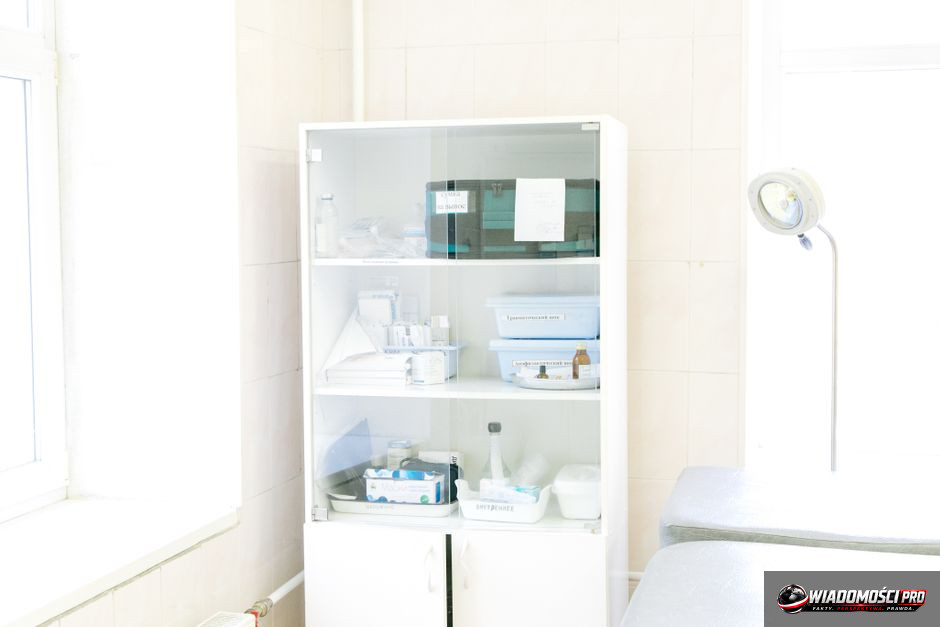
Sanepid (the Sanitary Inspectorate) assures that tap water is under constant supervision and remains safe, and that the main source of the "dirty hands disease" is poor hygiene and contaminated food, as confirmed by GIS (Chief Sanitary Inspectorate) alerts from August 2026. Hepatitis A, commonly known as HAV, has become a subject of increased public interest in recent weeks. Despite this, concerns regarding the quality of water in the water supply networks are not supported by facts. The dynamics of infections recorded in the second half of July and early August point to completely different transmission mechanisms.
Avalanche-like increase in infections: What do we know about the situation in July and August?
A rapid increase in hepatitis A infections became a fact in the second half of July 2026. Signals about the growing threat came from various parts of the country, with Szczecin being one of the first units to report a rising number of cases. As early as July 21, "Kurier Szczeciński" reported a worrying upward trend in the region. The virus, colloquially called the "dirty hands disease," began to spread at a pace that forced the Chief Sanitary Inspectorate to take decisive intervention measures.
The GIS response took the form of a series of warning notices issued on August 3 and 7. Officials directly point out that the source of the current crisis is not the water supply infrastructure. Sanepid assures that tap water is under constant laboratory supervision. Water quality tests are carried out routinely, in accordance with strict sanitary standards. Every sanitary-epidemiological station in the country conducts regular physicochemical and microbiological checks, which allows for the rapid identification of potential threats. In the case of HAV, this monitoring excludes water as the main vector for the spread of the pathogen this season.
Speculations about the contamination of municipal water supplies appeared in the public sphere after reports of fruit batches being withdrawn from the market. "Rynek Zdrowia" reported as early as July 9 that the virus had been detected in food products, which sparked media panic. Focusing solely on taps distracts from the real problem. The main sources of infection remain poor hygiene and the consumption of products of unknown origin that have not undergone proper thermal processing or washing. Data from August 2026 clearly show that the key to extinguishing the outbreak lies in the area of food trade and hygiene compliance. GIS warnings are a signal for consumers not to look for culprits in municipal water supplies, but rather to change their own shopping habits.
Sources of the threat: Are water and food safe?
Theories about an alleged threat coming from taps are circulating online, but the epidemiological reality is different. Sanepid maintains that water in Polish water supply networks remains safe. Communications from the end of July, including the official report from the Wrocław Sanepid on July 28, put an end to speculation about systemic contamination of municipal infrastructure. Hepatitis A virus is transmitted mainly through the digestive tract and through direct contact with infected people who do not follow basic sanitary rules.
It is worth presenting facts that shed light on the real sources of the threat in recent weeks. On July 9, 2026, Sanepid issued a decision to urgently withdraw fruit from the market due to the presence of the virus. It was food, not water, that was the main carrier of the pathogen in this specific case. Suggesting that Polish drinking water is the main vector of infection is a dangerous oversimplification. Responsibility for health shifts toward rigorous control of food products and mundane, though often ignored, personal hygiene.
HAV is a disease caused by the HAV virus. It enters the body orally, most often through contaminated hands or objects. The incubation period of the virus can last from a dozen to even fifty days, which makes it difficult to quickly pinpoint the source of a specific infection when symptoms appear. That is why it is so important to follow GIS communications regarding specific batches of goods. Consumers should pay special attention to the origin of fresh fruits and vegetables, especially those imported from regions with lower sanitary standards.
Symptoms and prevention: How to recognize the "dirty hands disease"?
HAV, called the dirty hands disease, is not a technical problem of the water supply, but a challenge for human hygienic awareness. After a series of alerts in August 2026, Sanepid clearly communicates that it is the lack of care for hand cleanliness and the consumption of contaminated food that lead to the spread of the virus.
Recognizing the infection can be tricky because the initial symptoms are easily confused with stomach flu or food poisoning. Patients most often report severe weakness, troublesome digestive system ailments, and jaundice, manifesting as yellowing of the whites of the eyes and skin. The virus attacks the liver primarily, which makes the disease require hospitalization or strict medical supervision. There is no room for self-diagnosis here. In case of worrying symptoms, a visit to a doctor and blood tests for the presence of anti-HAV antibodies in the IgM class are necessary.
Prevention comes down to the basics. Hand hygiene is key – washing them with warm water and soap after every use of the toilet and before preparing a meal. This is a simple barrier that effectively stops the transmission of the virus. GIS communications from July and August 2026 regarding the presence of the virus in fruit remind us of the need to wash them thoroughly before consumption. We often look for culprits in the water supply infrastructure, while the threat lands on our plates along with unwashed products. In an era of rising infection numbers reported by media across the country, personal hygiene and attentiveness when shopping are the only real shield. One should also remember to avoid drinking water from uncertain sources while traveling, which is especially important in countries with poorly developed water supply networks.
Breakthrough in treatment: Modern therapies for the youngest
In the face of media hype around HAV, it is necessary to separate panic from hard facts. Sanepid consistently reassures: tap water is under constant supervision and remains safe. GIS alerts from August 2026 do not indicate water supply failures, but point to the classic "dirty hands disease" and contaminated food as the real sources of the problem. Responsibility for the transmission of the virus lies with a lack of hygiene, not with municipal infrastructure.
Despite these reports, medicine has taken significant steps toward improving the quality of treatment. World Hepatitis Day, falling on July 28, 2026, became an opportunity to highlight progress in therapy. A key step forward was described a day later, on July 29, 2026. At that time, the MedExpress service published information about a Polish study that opened access to modern therapy for children.
This is a significant change, although still insufficient given the scale of infections. Modern treatment methods are only one element of the fight against the virus. Doctors point out that medical technology will not replace prevention. Patients are gaining tools to fight the effects of the disease, but sanitary negligence in food production or during meal preparation remains the main arena where the battle for public health is fought. While therapy for the youngest is a reason for optimism, the withdrawals of contaminated fruit from the market, which were warned about as early as July 9, 2026, show that food control systems still require tightening. Treatment is necessary, but preventing infections at the source is the most effective strategy.
It is worth analyzing why such situations occur. The increase in the number of infections in Poland in 2026 is not only a matter of individual hygiene but also of the globalization of food trade. Fruits and vegetables reach us from various corners of the world, where sanitary standards may differ from EU norms. Control mechanisms, although efficient, are not always able to catch every contaminated batch of goods before it hits the store shelf. Therefore, consumer education in terms of checking the origin of products and their proper preparation becomes an element of the national security system. Every citizen, through their daily choices and care for cleanliness, directly influences sanitary statistics.
What this means for you
The situation means the need for increased consumer vigilance when purchasing food and strict adherence to personal hygiene. Companies offering disinfectants and safe food benefit, while producers whose batches of goods are withdrawn from the market by GIS decisions lose out. Every withdrawal of goods is a signal that the warning system is working, but at the same time proof that the risk exists. For the average Pole, this means, above all, a change in approach to shopping hygiene. Washing fruit under running water is no longer just a suggestion, but a necessity, which the latest reports from July and August 2026 remind us of.
Questions and answers
Do I have to drink bottled water?
No, Sanepid confirms that tap water is under constant supervision and remains safe for consumption. Water supply infrastructure in Poland is regularly checked, and potential HAV threats are not related to it.
How to most effectively protect yourself against HAV?
The basis is frequent hand washing, especially before eating and after using the toilet, as well as thorough washing of fruits and vegetables under running water. It is also worth avoiding the consumption of products of unknown origin.
Where to look for information about withdrawn products?
Current communications regarding food safety are published by the Chief Sanitary Inspectorate (GIS) on its official website. It is worth checking the public warnings section regularly to stay up to date with decisions to withdraw batches of goods from the market.
The HAV virus, although dangerous, is completely avoidable with basic hygienic discipline. The dynamics of infections that we observed in July and August 2026 is a lesson for the whole society. It shows that health security does not depend solely on state institutions, but largely on our own daily habits. Tap water is safe, but what we put on our plates requires our increased attention. It remains to be hoped that the conclusions drawn from the last few weeks will allow for faster extinguishing of disease outbreaks and improvement of standards in food trade.
Sources
- HEPATITIS A (HAV) - SP ZOZ MSWiA in Szczecin - www.gov.pl
- "Dirty hands disease" on the rise. Disturbing GIS data - TVN24
- Hepatitis A virus in fruit. Urgent withdrawal underway - Rynek Zdrowia
- Rising number of hepatitis cases - Kurier Szczeciński
- World Hepatitis Day. Polish study opened access to modern therapy for children - MedExpress.pl
- Is tap water safe? We explain doubts after the Sanepid announcement regarding HAV cases - Radio Wrocław
- July 28, 2026 — World Hepatitis Day: what you need to know - UA.NEWS
- "Dirty hands disease" strikes. Avalanche-like increase in infections, GIS sounds the alarm - slowopodlasia.pl


Komentarze (0)
Ładowanie komentarzy...