In brief
- Brent crude has reached a price of 95 USD per barrel as a result of escalating tensions between the USA and Iran.
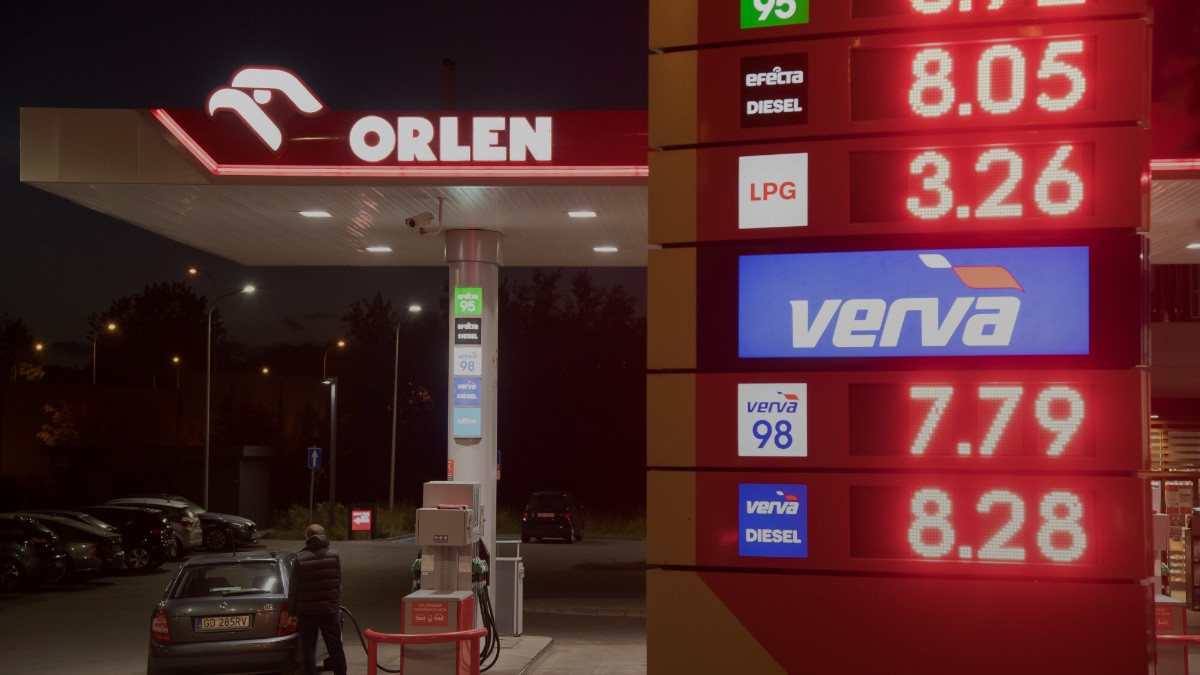
- The return of the VAT rate to 23% and instability in the Strait of Hormuz have pushed fuel prices in Poland above 8 PLN per liter.
- Analysts warn that further attacks on Iran's infrastructure could lead to breaking the 9 PLN per liter barrier for fuel in Poland.
Tensions in the Strait of Hormuz: Why is oil getting more expensive?
Tensions in the Strait of Hormuz: Why is oil getting more expensive?
The global oil market has stopped reacting to demand fundamentals and has been dominated by geopolitics. Every subsequent report from the Middle East is immediately converted into zlotys at the pumps. As early as March 16, 2026, "Rzeczpospolita" warned that Trump's threats and growing tensions around the Strait of Hormuz were driving up commodity prices, interrupting any attempts at stabilization. This mechanism works mercilessly. When "Agro Profil" reported on June 10, 2026, about the nighttime US retaliation against Iranian targets, the market's downward correction was instantly nipped in the bud.
Today, with the price of Brent crude oscillating around 95 dollars per barrel and the return of the VAT rate to 23%, drivers in Poland are already paying over 8 zlotys per liter of fuel. This is not a temporary anomaly, but the effect of political uncertainty in a region that is responsible for the flow of key energy supplies.
Analysts have no illusions about the direction of changes. If the conflict in the Strait of Hormuz escalates, the market will react with panic, and the price of oil will skyrocket. For the Polish consumer, this means only one thing: the prospect of fuel prices at the level of 9 zlotys per liter. The current situation is a brutal lesson in the domestic market's dependence on events thousands of kilometers away. Even if demand for the commodity could naturally slow down, the fear of a blockade of transport routes effectively negates these signals. Investors are fleeing to safe assets, and Orlen, even though geopolitics is temporarily favoring the giant's results, must reckon with the costs of purchasing the raw material, which in this situation are becoming unpredictable. Every day of delay in extinguishing the conflict is a real increase in the burden on Poles' wallets.
Polish reality: 23% VAT and fuel above 8 PLN
Polish reality: 23% VAT and fuel above 8 PLN
With the price of Brent crude remaining at the level of 95 USD, the Polish driver feels the effects of global tensions directly at the pump. The return of the VAT rate to 23% proved to be fuel for already heated prices. The effect? Crossing the 8 PLN threshold has become a fact, not just a dark scenario from analysts. As early as July 24, 2026, the portal Reflex.com.pl explicitly warned that diesel could break through this price level. It happened faster than optimists assumed.
The situation is complicated by the weakness of our currency. Already on April 2, 2026, FXMAG reported that the zloty was under strong pressure in relation to the dollar and the euro. This is a fatal combination for commodity importers. When the dollar gets more expensive, every barrel of oil costs significantly more in terms of zlotys. Poland has no room for maneuver here. We are hostages to exchange rates and geopolitics, over which we have no influence.
Experts have no illusions about the future. Further escalation of the conflict in the Strait of Hormuz area, which was already talked about loudly in March, could realistically push prices toward 9 PLN per liter. The market reacts nervously to every signal coming from the Middle East. If transport routes are permanently disrupted, we will remember today's prices at the pumps with nostalgia. Consumers pay for this directly, and the wallets of Poles are becoming the first victims of global destabilization.
Market scenarios: Is 9 PLN per liter a matter of time?
Market scenarios: Is 9 PLN per liter a matter of time?
With the current price of Brent crude at 95 USD and the return of the VAT rate to 23%, the 8 PLN per liter barrier for fuel in Poland is already history. Drivers must prepare for variants that no one took seriously just a few months ago. The market is heated, and every subsequent dispatch from the Middle East acts like pouring gasoline on a fire at gas stations.
Analysts look at the situation through the prism of extreme uncertainty, which is well illustrated by available forecasts:
- PKO BP analysts, according to data from April 2, 2026, presented several scenarios for the development of the situation for the oil market, pointing to the need to monitor volatility, which directly translates into our wallets.
- The publication e-magazyny.pl from March 20, 2026, draws attention to the other side of the coin: the conflict in Iran is not a loss for everyone. Competition in the European Union in energy markets is already rubbing its hands, counting profits from the reshuffling in supply chains.
Further escalation of tension around the Strait of Hormuz, which was already talked about loudly in March, could realistically push prices toward the 9 PLN per liter mark. This is not doom-mongering, but a mathematical consequence of geopolitics. If supply chains are broken and tankers get stuck in port due to military threats, the market will not have time for a correction. Poland, importing the raw material, is a hostage to global prices and the dollar exchange rate, which, under current geopolitical pressure, offers no hope for cheaper refueling. In this puzzle, the consumer is the one who will pay the bill for the political ambitions of the powers.
Stock market reactions and the fuel sector
Stock market reactions and the fuel sector
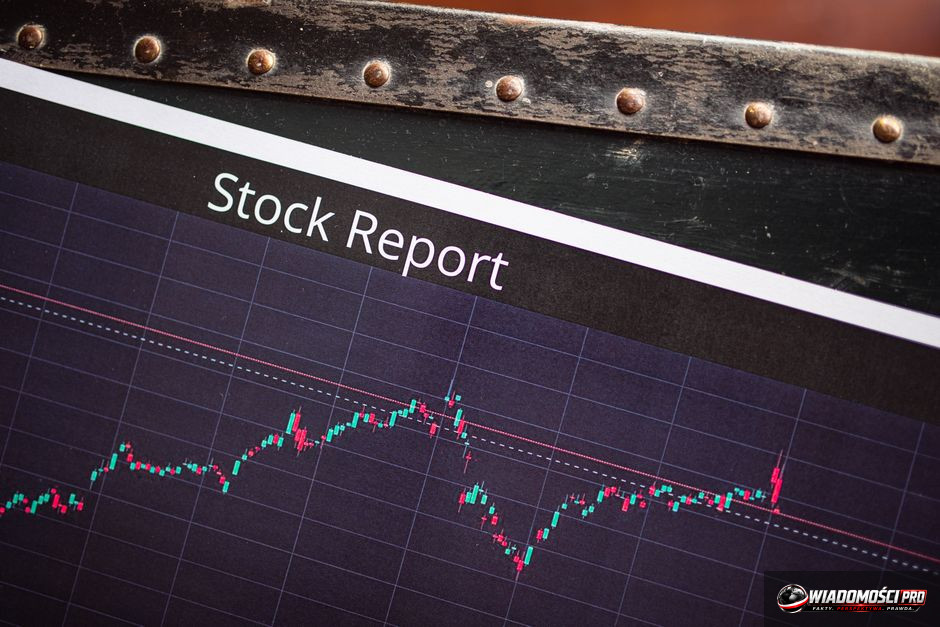
Investors on the Warsaw trading floor are not showing panic, even though the counter at gas stations is increasingly crossing the 8 zloty per liter barrier. Paradoxically, geopolitical uncertainty serves the biggest players. As data from INNPoland.pl from July 8, 2026, shows, Orlen's share price is rising, which shows that the market is pricing the current crisis as an opportunity for higher refining margins, not a threat to the company's stability.
The valuation of Brent crude at 95 dollars per barrel, combined with the restored VAT rate of 23 percent, has created an explosive mixture that is already draining drivers' wallets. Analyses by Reflex.com.pl from July 24 confirm an upward trend for diesel, but the real test is still ahead of us. If the conflict in the Strait of Hormuz enters a phase of open blockade or direct armed confrontation, supply chains will be broken.
In such a scenario, the price of 9 zlotys per liter of fuel ceases to be a dark scenario and becomes a real threat to consumers. The fuel sector is securing its profits by passing costs on to end users. Analysts point to the volatility of the dollar exchange rate and pressure on the zloty, which further hinders price reductions in wholesale. On the stock market, the liquidity and optimism of energy company shareholders contrast with the moods at gas stations. Market giants are profiting from uncertainty, while for the average driver, every subsequent report from the Middle East simply means more expensive refueling.
What this means for you
For the average Pole, the current situation means further inflationary pressure. Fuel giants like Orlen are gaining, benefiting from higher margins, while transporters and consumers, for whom fuel is becoming a luxury good, are losing. The catch lies in the dependence on supplies through the Strait of Hormuz – every blow to this corridor is a direct hit to the Polish pump.
Questions and answers
Why is the price of fuel in Poland rising so quickly?
The main factors are the rise in Brent crude prices to 95 USD, the return of VAT to 23%, and geopolitical instability in the Persian Gulf region.
Can fuel cost 9 PLN per liter?
Yes, if tensions between the USA and Iran lead to a blockade or attacks in the Strait of Hormuz, which will drastically raise global oil prices.
How does the situation in the Middle East affect Polish stations?
Iran is a key player in the region through which oil passes; bombings and attacks in this area destabilize the supply of the raw material, which drives up prices on global markets.
Sources
- Forecasts for the oil market. PKO BP analysts see several scenarios - Business Insider Poland
- Fuel prices are rising. Diesel may exceed 8 PLN/l - Reflex.com.pl
- Oil, dollar and geopolitics: Brent price up, zloty EUR/PLN under pressure - FXMAG
- Oil is getting more expensive again. Trump's threats and tensions around the Strait of Hormuz are driving up prices - Rzeczpospolita
- Fuel prices: Nighttime US retaliation against Iran targets interrupts declines [FORECAST] - Agro Profil
- EU competition in energy markets will profit from the war in Iran. How will prices change? Forecast - e-magazyny.pl
- Coffee prices are falling. Supply factor outweighs geopolitics - pb.pl
- Orlen's share price is rising. Geopolitics favors the fuel giant - INNPoland.pl

Komentarze (0)
Ładowanie komentarzy...