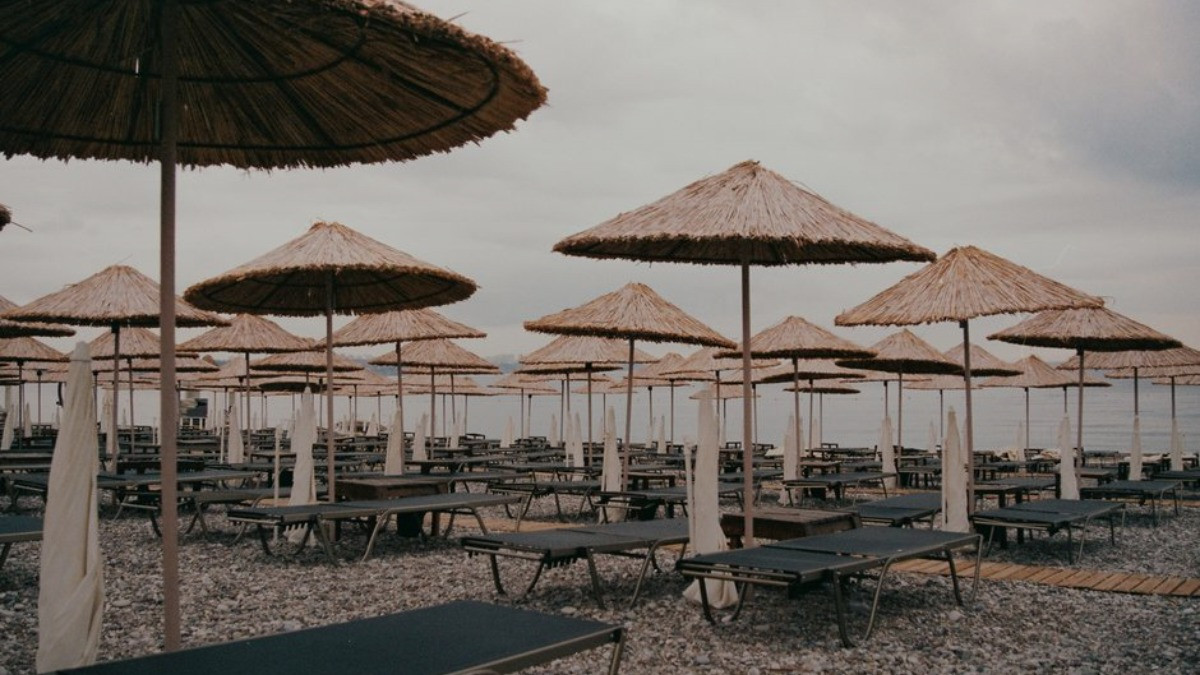
Yes, the adoption of the euro has led to noticeable price increases in resorts, which, combined with the country's record budget deficit, has caused an outflow of tourists and intervention from Brussels. The scale of the increase in the cost of living in Bulgaria in 2026 surprised not only foreign visitors but also the residents themselves, who are looking with concern at the empty sun loungers in Sunny Beach. Instead of the promised currency stability, the market recorded a sharp inflation in the prices of catering and hotel services, which exceeded all analyst forecasts at the peak of the summer season.
The euro and tourists' wallets: what changed in 2026?
The Bulgarian coast in August 2026 does not resemble the resorts that for years were associated with a cheap alternative to expensive Greece or Croatia. The introduction of the common European currency triggered a domino effect. Prices in local restaurants in towns such as Golden Sands increased by an average of 20-30 percent compared to the same period in 2025. A basket of basic tourist purchases, including water, bread, local fruit, and dinner at a restaurant, became a burden for many families that was not foreseen in their holiday budget. Entrepreneurs, trying to compensate for the costs of switching to the euro and rising energy prices, raised margins to levels that proved prohibitive for the average tourist from Central Europe.
Hotel owners in Sunny Beach openly admit that occupancy in July and August 2026 was about 15-20 percent lower than a year earlier. Marek Kowalski, an entrepreneur who has been running a tourism business in the region for years, emphasizes in an interview with the media that the situation is unprecedented. In his opinion, tourists are not only complaining about the bills, but are simply not returning, choosing destinations where the purchasing power of their earnings is not so brutally reduced by sudden currency conversion. This phenomenon does not apply only to individual hotels, but to entire transport and service chains along the coast.
For the local economy, this means a drastic reduction in revenue from the tourism sector, which constitutes a significant part of Bulgaria's GDP. The decline in the number of guests creates a snowball effect. Fewer orders in restaurants translate into staff reductions among seasonal personnel, which in turn lowers the purchasing power of residents. As a result, instead of stimulating the economy, the introduction of the euro became a turning point where the optimistic forecasts of the government in Sofia collided with the harsh market reality.
Empty beaches and hotels: crisis in Bulgarian resorts
The picture that emerges from industry reports from July and August 2026 is unambiguous. Beaches that were filled to the last spot in previous years are now haunting with empty sectors. In Golden Sands, a town considered a barometer of sentiment in Bulgarian tourism, a clear slowdown in demand is visible. Guesthouse owners report cancellations that began to arrive the moment the new euro-based price lists were announced.
The problem is not limited solely to the prices of accommodation. Tourists point to general high prices that permeate every sphere of their stay. For fish dishes or local specialties popular in Bulgaria, one now pays amounts comparable to those found in resorts on the Adriatic. For many people who chose Bulgaria because of the price-to-quality ratio, this argument has ceased to exist. As a result, the tourism industry has found itself in a trap: either it maintains high prices to cover operating costs, or it lowers margins, risking profitability, which is already threatened by rising labor costs in the country.
However, the lack of guests is not just a problem for hotel owners. It is also a blow to local artisans, souvenir sellers, and transport companies. Each of these entities is feeling a decline in turnover, which leads to business closures. This situation is dangerous because, unlike in previous years, the current downturn is not the result of external factors, such as a pandemic or armed conflicts, but of the country's internal monetary and fiscal policy.
Brussels intervenes: record deficit and EU procedure
Bulgaria's economic situation has become a matter of interest for EU institutions not only because of the collapse of tourism, but primarily due to the state of public finances. The European Commission has launched an excessive deficit procedure against Sofia in connection with the record budget deficit, which has exceeded the safe limits set by the Maastricht criteria. We are talking about a deficit whose percentage of GDP is raising serious concerns in Brussels, forcing the government to take radical austerity measures.
Brussels' requirements are clear: Sofia must cut spending to restore budget stability. In practice, this means limiting public investment, which further worsens the condition of tourism infrastructure. The country is in a vicious circle. On the one hand, it needs funds from tourism to patch the budget hole; on the other hand, the introduction of the euro and the resulting inflation are scaring away the main contributors to the Bulgarian treasury. The EU procedure imposes an obligation on the authorities to present a realistic recovery plan, which is an extremely difficult task in the face of falling tax revenues from the service sector.
For foreign investors who have been investing capital in Bulgarian resorts for years, the current state of affairs is a warning signal. Uncertainty about the state's future fiscal policy and the lack of guarantees for an improvement in the economic situation mean that capital is starting to flow out. Bulgaria, which was supposed to be a stable link in the eurozone, has become a country under special supervision, which further lowers its ratings in the eyes of international financial institutions.
The future of Bulgarian tourism in the face of the crisis
The future of Bulgarian tourism in its current form is in great doubt. Experts dealing with the Balkan market are increasingly using the term "a nation in the melting phase," referring to the demographic and economic crisis that coincided with the adoption of the euro. If the business model based on cheap holidays is not revised, Bulgaria risks marginalization on the tourism map of Europe.
For the average European, this means the need to look for alternatives. The changes that took place in 2026 are not temporary. This is a permanent shift in the price structure, which results from the need to adapt the economy to the requirements of the eurozone while maintaining a low level of labor productivity. Entrepreneurs who survive this season will have to face the challenge of building a new brand for Bulgaria – a country that no longer offers the cheapest holidays, but must offer something more than just sun and sand.
The authorities in Sofia have a difficult task ahead of them. They must not only silence the social anger caused by high prices but also convince Brussels that they can manage finances without exposing the budget to a chronic deficit. Every subsequent month without clear results from reforms deepens the crisis of confidence. A tourist will not return to where they feel cheated by sudden price jumps. This is a lesson for all of Europe: joining the eurozone without proper structural preparation can bring more losses than benefits.
What this means for you
As a tourist, you must take into account that holidays in Bulgaria have ceased to be a price bargain. When planning a budget, you should include price increases for food products and services of about 25-30 percent compared to prices from two years ago. When choosing Sunny Beach or Golden Sands, it is worth checking current reviews regarding the cost of living, as standard "all inclusive" packages may be the only way to avoid unforeseen expenses on site. For your wallet, this means that competitive markets, such as Turkey or Egypt, at the current euro-to-lev exchange rate, are becoming a more attractive alternative.
Questions and answers
Are holidays in Bulgaria in 2026 more expensive than a year ago?
Yes, the introduction of the euro has caused noticeable price increases in resorts. The increase in the prices of services and goods in towns such as Sunny Beach and Golden Sands is estimated at 20-30 percent compared to 2025.
Why did the EU launch a procedure against Bulgaria?
The European Commission launched an excessive deficit procedure in July 2026 due to a record budget deficit that exceeded the percentage of GDP thresholds allowed in the European Union, requiring the government in Sofia to make immediate spending cuts.
Is tourism in Bulgaria currently experiencing a collapse?
Yes, data from July and August 2026 confirm a significant outflow of tourists. Entrepreneurs from key resorts report lower occupancy of facilities by about 15-20 percent, which is a direct result of price increases after the adoption of the new currency.
What are the specific economic consequences for the tourist?
The tourist must prepare for higher costs of food, transport, and beach services. Bulgaria has lost its status as the cheapest holiday destination, which forces travelers to verify their budget plans and look for cheaper alternatives to their previous holidays in this region.
Is the situation in Bulgaria temporary?
Experts point to a deep image and economic crisis that will not disappear in a short time. The budget cuts forced by Brussels and the need to stabilize public finances suggest that high prices will persist for a longer period, which will affect a permanent decline in demand in the leisure tourism sector.
Sources
- Bulgaria after adopting the euro. "It has never been like this" - Money.pl
- They introduced the euro and are counting losses. In this resort, they are feeling the outflow of tourists - Fakt
- Prices in Bulgaria after joining the euro. Has it really become that expensive? - WP Turystyka
- European Union launches procedure against Bulgaria. Record deficit in the background - Business Insider Polska
- Poles have been going there for holidays for years. They introduced the euro, tourists are disappearing - DlaHandlu.pl
- Bulgaria adopted the euro and has already ended up under EU supervision. Brussels orders deficit cuts - Obserwator Gospodarczy
- EU country on the brink. "A nation in the melting phase" - Money.pl
- It was supposed to be the cheapest country for a 2026 vacation. Instead of a crowd of tourists, a new problem appeared - BiznesINFO.pl

Komentarze (0)
Ładowanie komentarzy...