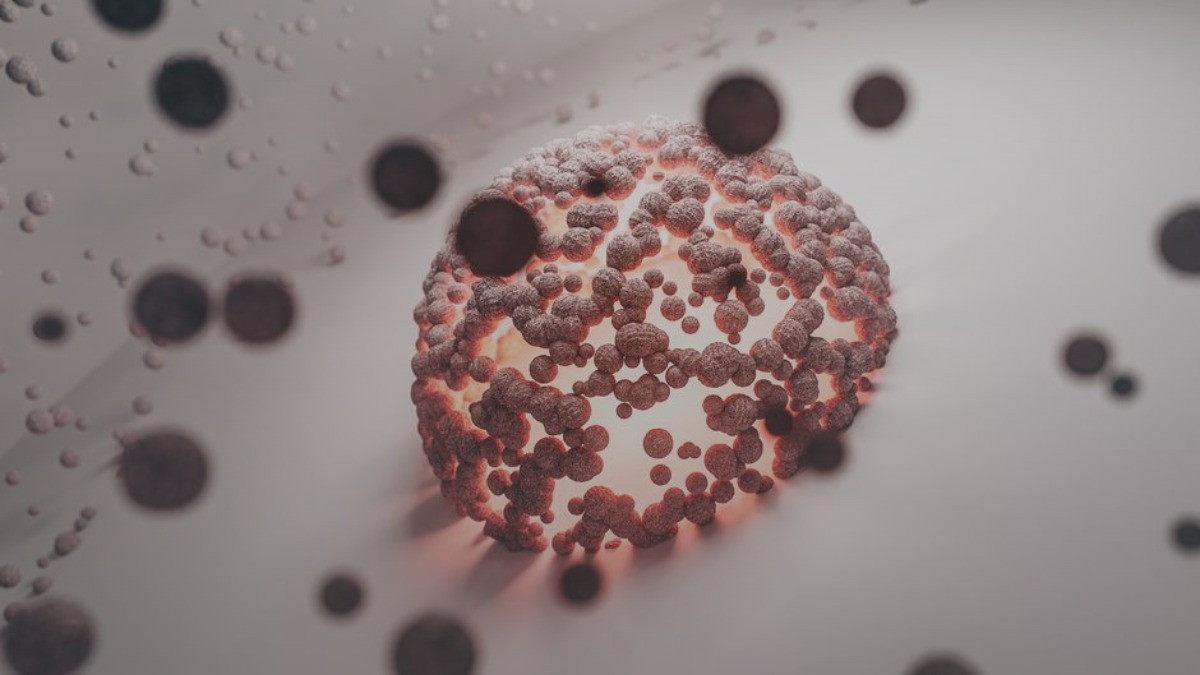
Yes, the discovery of structures resembling lymph nodes in the skull enables a faster immune system response, which opens new paths in combating glioblastoma. Research published in August 2026 by teams cited in "National Geographic" points to the direct role of skull bone marrow in immune surveillance of the central nervous system. This phenomenon, confirmed by analyses in "Martin Cid Magazine," sheds new light on the interactions between the bones of the head and brain tissue.
New anatomy of the immune system
For decades, neuro-oncology was based on the dogma of the anatomical separation of the brain from the systemic immune system. This state of affairs resulted from an incomplete understanding of the skull's architecture, which for years was treated solely as a passive, physical protective barrier. Data from August 2026 change this paradigm. Specialized structures functioning as lymph nodes have been identified inside the skull bones. This discovery redefines the intracranial space. We are not dealing with an isolated fortress, but with an active system in which bone marrow directly cooperates with the meninges.
Publications from August 23, 2026, available in "Martin Cid Magazine," emphasize that this marrow is capable of generating an immune response that reaches the brain via paths significantly shorter than the circulatory system. Understanding this connection is the foundation for modifying current therapeutic protocols. If doctors manage to use these structures as entry ports for immunomodulating drugs, it will become possible to bypass the physiological barrier that has hitherto prevented the effective action of many advanced anti-cancer therapies.
Current glioblastoma treatment has been based on the assumption that systemic immunotherapy must travel a long way to reach the tumor. The 2026 discovery suggests that we can activate a local response. This is a change in perspective – from a fight for survival on the scale of the entire organism to a precise strike at the site where the cancer is most susceptible to lymphocyte attack.
Bone marrow as an oncological base
Skull bone marrow resources exhibit remarkable metabolic activity. Earlier mentions, including materials from October 23, 2020, on the "PoradnikZdrowie.pl" website, only signaled research into marrow functions, but only the latest observations have precisely indicated its direct influence on the local response within the head. Lymph nodes located in the skull act as command centers that have so far remained out of reach for oncologists.
The problem in the case of glioblastoma lies in the lack of a sufficient number of active defense cells in the immediate vicinity of the tumor. Standard immunotherapy administered intravenously must overcome many stages before its effectiveness drops to a level where it could realistically influence the cancerous process. Utilizing structures inside the skull allows for shortening this path. Scientists analyzing these processes point to the mechanism of immune cell migration. Instead of circulating throughout the entire body, lymphocytes can be activated directly in the skull marrow and then migrate to the brain tissue affected by the cancer.
This approach changes priorities in drug design. We are moving from systemic checkpoint inhibitors toward local stimulation. However, this requires completely different pharmacodynamics. We must know which substances to use to stimulate the marrow so as not to trigger an excessive inflammatory response. Each study must precisely determine how skull lymphocytes recognize glioblastoma antigens, which are often masked by cancer cells.
Therapeutic mechanism: Immunotherapy or stimulation?
Using the discovered structures in clinical practice requires a precise plan. Currently, two main paths are being considered. The first is pharmacological stimulation of the skull marrow to force the production of specific lymphocytes capable of recognizing glioblastoma antigens. The second path involves delivering immunotherapeutic drugs directly into the vicinity of these structures.
If the active substance is administered in a way that allows it to penetrate the skull's lymph nodes, these structures will become its factory and distributor. This is a technical solution that requires conducting extensive clinical trials. We must answer the question of whether stimulating these nodes will not lead to uncontrolled inflammation. In the limited space of the skull, any swelling could be more dangerous than the tumor itself.
Publications from August 2026, while promising, emphasize the lack of long-term data. We have proof of the mechanism's existence, but we do not have a protocol for its safe use. Neuro-oncology is at a turning point where theoretical physiology begins to require medical engineering. Are we ready to manipulate skull marrow in patients with glioblastoma? The answer to this question is not yet known, and the enthusiasm of scientists must be tempered by rigorous toxicity tests.
Challenges and limitations of modern neuro-oncology
The enthusiasm associated with the discovery of immune structures in the skull must be confronted with the brutal clinical reality. Glioblastoma is a tumor with extremely high heterogeneity. This means that cells within a single tumor differ significantly from one another. Even if we activate the immune system using the new structures, we have no certainty that all cancer cells will be recognized.
Skeptics point out that glioblastoma has developed a range of immunosuppressive mechanisms that disable lymphocytes in its immediate vicinity. The mere presence of a new organ does not guarantee that the cancer will not neutralize its activity. This is a biological arms race. We need drugs that will not only stimulate the nodes in the skull but also block the inhibitory signals sent by the glioblastoma.
"National Geographic" reports (2026) clearly indicate that research on skull bone marrow is currently focused on animal models or early analyses of human tissues. Moving to the clinical phase, where patients could receive therapy based on this mechanism, will take five to ten years. This is time that many patients do not have. We must ask ourselves whether this discovery will actually affect survival or remain merely a curiosity in an anatomical atlas. The lack of data from human clinical trials is currently the biggest barrier.
Patient perspective: Hope vs. reality
For glioblastoma patients, information about a new organ sounds like the promise of a miracle cure. In reality, it is a foundation for building future targeted therapies. This does not mean an immediate change in the standards of oncological care, which are currently based on surgery, radiotherapy, and temozolomide chemotherapy.
The change concerns the way we look at the brain. It has ceased to be an island in the ocean of the body. It has become part of an integrated system in which the skull bones act as active guardians. If oncology learns to cooperate with these structures, glioblastoma may cease to be a death sentence, becoming a disease that can be effectively managed immunologically.
This requires patience and funding for research that will confirm whether these structures react the same way in every case. There is a risk that in older patients or those with a weakened immune system, the functions of these nodes are impaired. This is another factor that must be investigated before therapy reaches hospitals. Science does not always keep up with the needs of patients, and in the case of glioblastoma, the margin for error is zero.
It is necessary to develop imaging methods that will allow for monitoring the activity of these lymph nodes in real time. Without this, an oncologist will not know whether the administered therapy has even triggered the desired reaction in the marrow. This is a challenge for radiology and nuclear medicine, which must now create new tracers for these specific structures.
Questions and answers
Where exactly are these immune structures located?
They have been located within the bone tissue of the skull, where they show close cooperation with the blood vessel system of the meninges.
Does this discovery already allow for the treatment of glioblastoma?
No. This discovery constitutes a theoretical basis for new immunological therapies, but it requires a full cycle of clinical trials to confirm efficacy and safety in humans.
Why is this discovery important in the context of the blood-brain barrier?
These structures bypass the limitations of the blood-brain barrier, allowing immune cells access to brain tissue via paths that were previously overlooked in neuroimmunology research.
Does skull bone marrow always actively support the brain?
The latest research suggests that this is a dynamic mechanism that activates in response to pathogens or cancerous changes, however, its efficiency in the case of aggressive glioblastomas is currently the subject of intensive research.
What is the biggest difficulty in moving to clinical trials?
The main problem is the lack of safety protocols. Stimulation of lymph nodes inside the skull could trigger dangerous brain swelling, which is why it is necessary to conduct long-term preclinical tests.
Do patients with brain tumors have access to therapies based on this discovery?
Currently, access to such therapies does not exist. The discovery is in the phase of early analysis and has not been implemented into any standard oncological treatment protocol.
What is next for this discovery?
Scientists must now check how glioblastoma affects these structures. There is a concern that the tumor may actively "turn off" the lymph nodes in the skull to avoid detection by the patient's immune system.
Who is conducting this research?
The information comes from reports published in "National Geographic" and "Martin Cid Magazine" in August 2026. Specific names of researchers have not been made public in these sources, which indicates a very early stage of work on this issue.
Can we count on rapid changes in treatment?
The transition from laboratory research to hospitals usually takes years. One should not expect a breakthrough in the coming months, as patient safety is a priority in oncological research.
Does this discovery exclude chemotherapy?
No. Currently, this discovery is being considered as a potential supplement to standard treatment methods, not their complete replacement. Glioblastoma remains one of the most resistant cancers, requiring a multi-pronged approach.



Komentarze (0)
Ładowanie komentarzy...